Practical
Italy Currency Guide: Euros, ATMs, Cards and Tipping
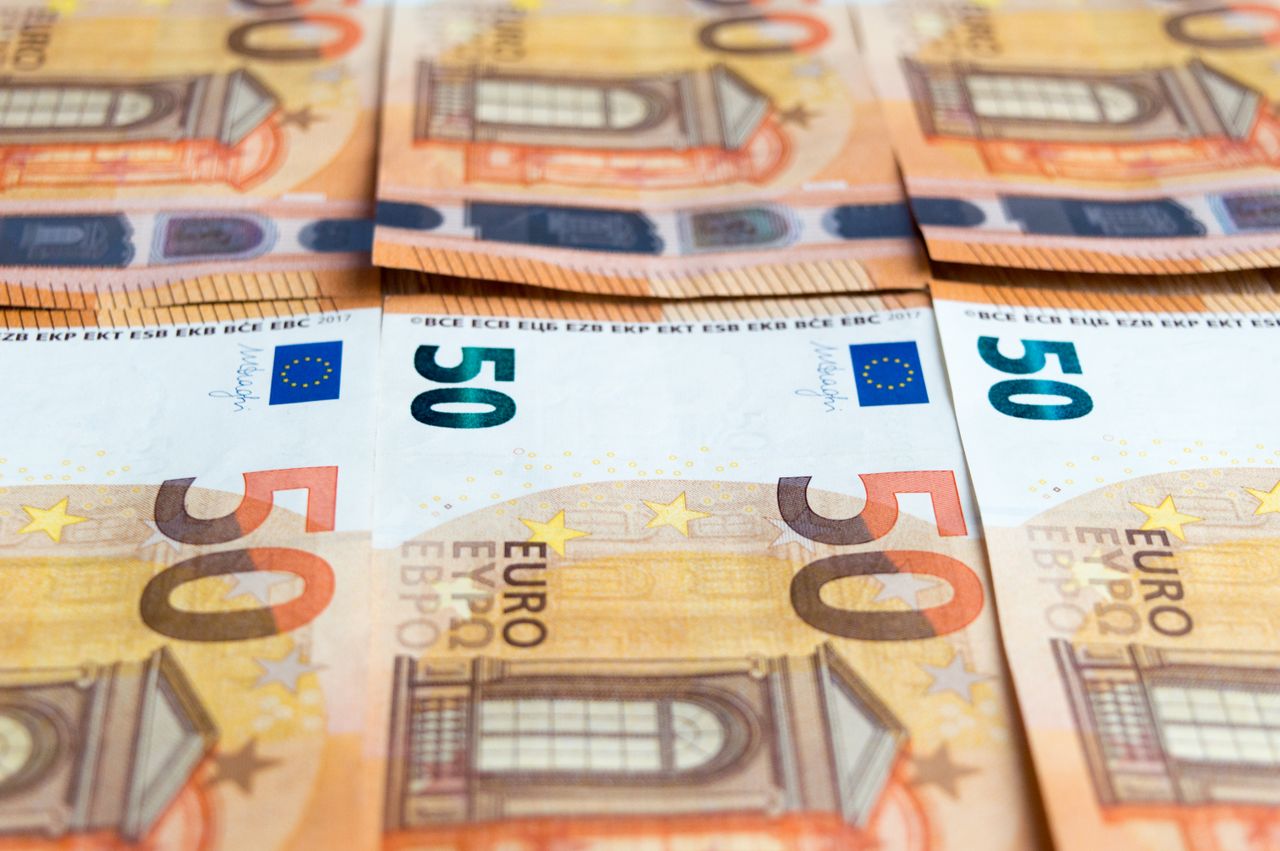
Italy uses the euro. This guide covers denominations, ATM fees, where to exchange money, card acceptance, and tipping norms for 2026 travellers.
Italy sits inside the Schengen Area — most visitors from the US, UK, Australia, and Canada arrive without a visa and can stay up to 90 days. Once here, Trenitalia and Italo run fast trains between Rome, Florence, and Milan from around €20 booked in advance; regional routes are slower but cheaper. For cities, a rechargeable transport card beats single tickets in both Rome and Milan.
Budget around €120–160 per day for a mid-range trip covering accommodation, meals, and a couple of activities. Tipping is not expected — a small amount is appreciated in restaurants but never obligatory. The guides here cover getting around, monthly timing, travel costs, safety, entry requirements, car hire, and what to do if your flight gets cancelled or delayed.
Italy uses the euro. This guide covers denominations, ATM fees, where to exchange money, card acceptance, and tipping norms for 2026 travellers.
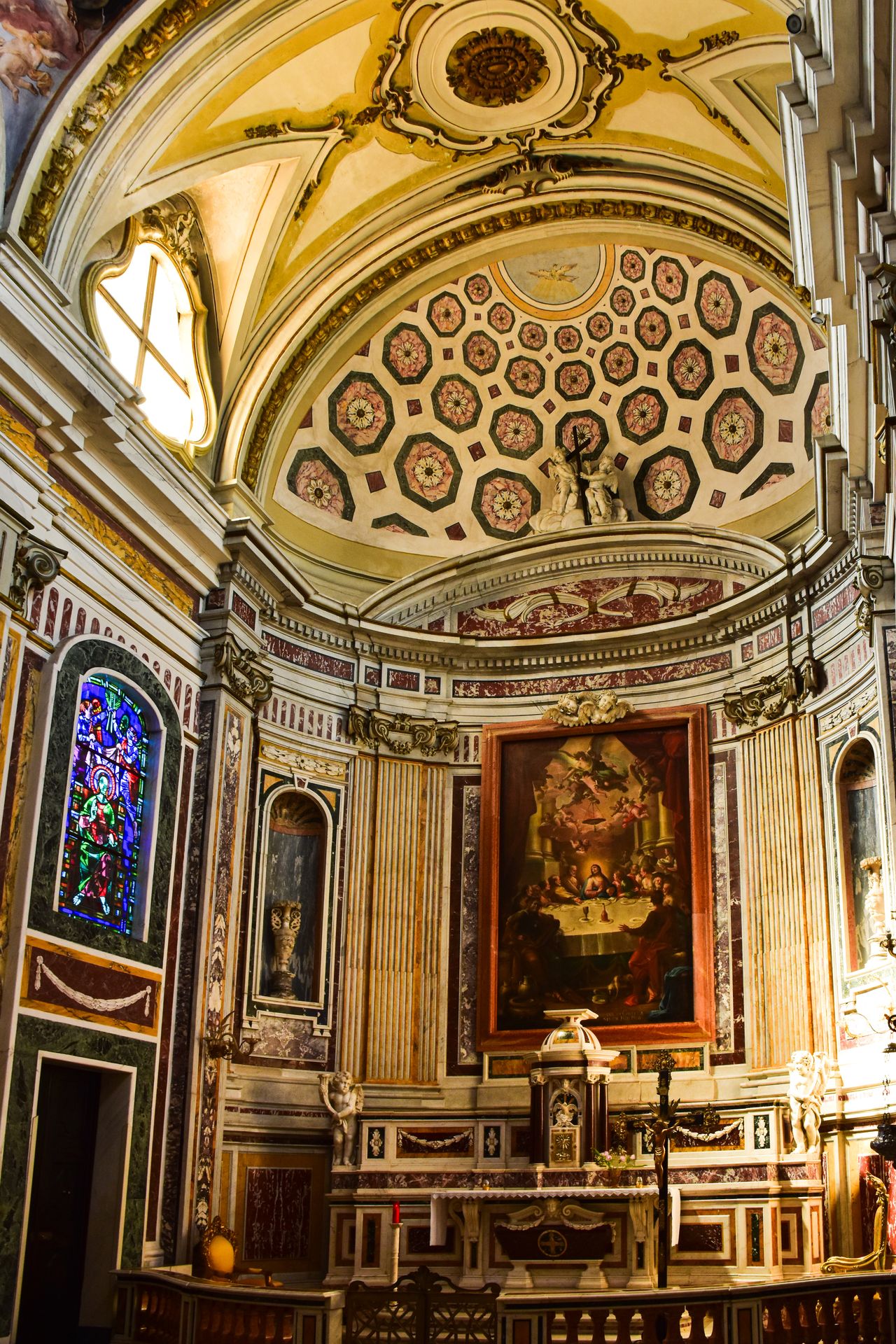
Dress codes, tipping, greetings, dining rules, and cultural norms for Italy. Know the customs before you go.

Milan wins for contemporary culture, aperitivo, and city life; Venice wins for sheer uniqueness and romance. How to choose, costs, and how to combine both.
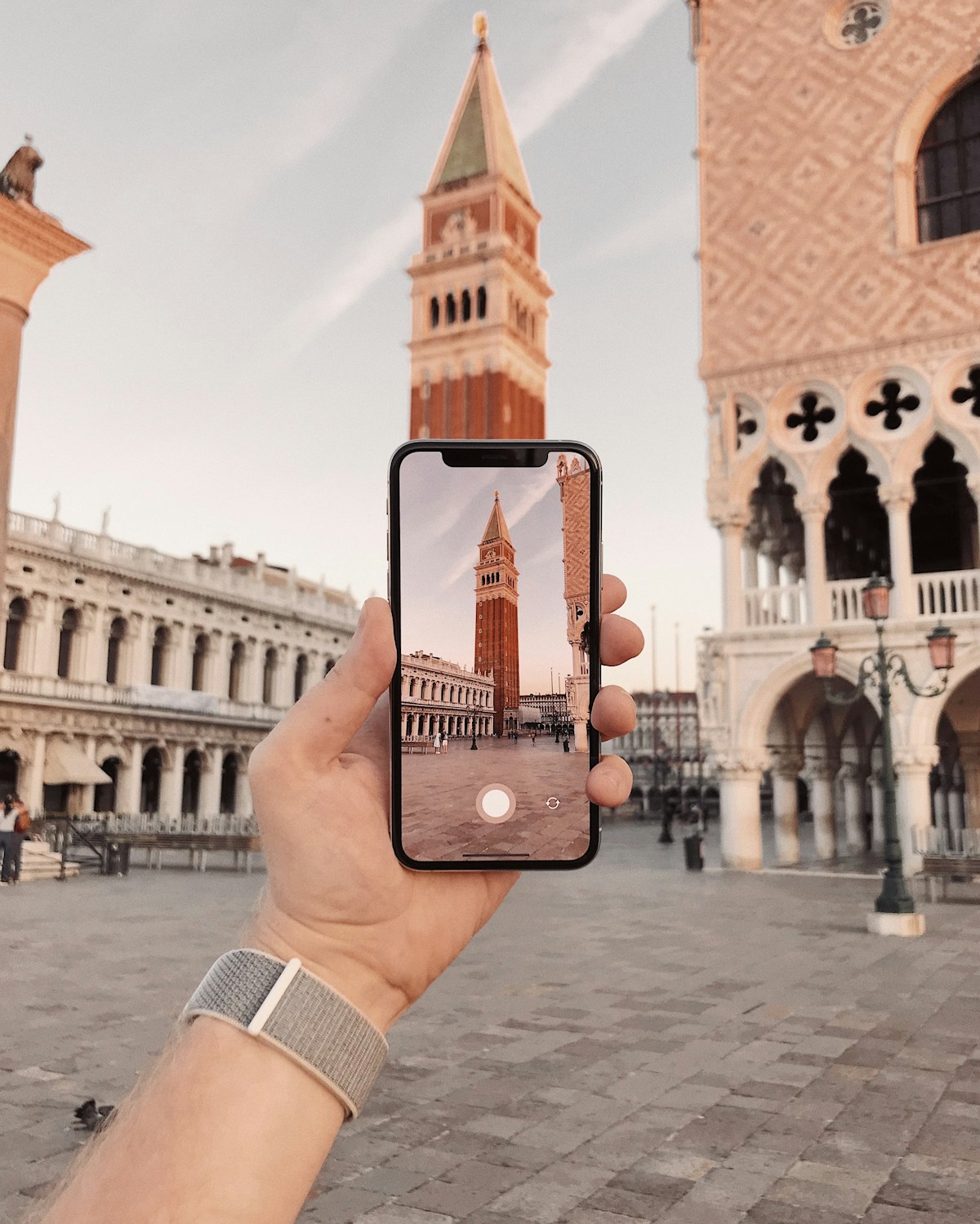
Italy welcomed 57.3 million international tourists in 2023, ranking 5th globally. Key figures on arrivals, spending, top cities, and tourism trends.
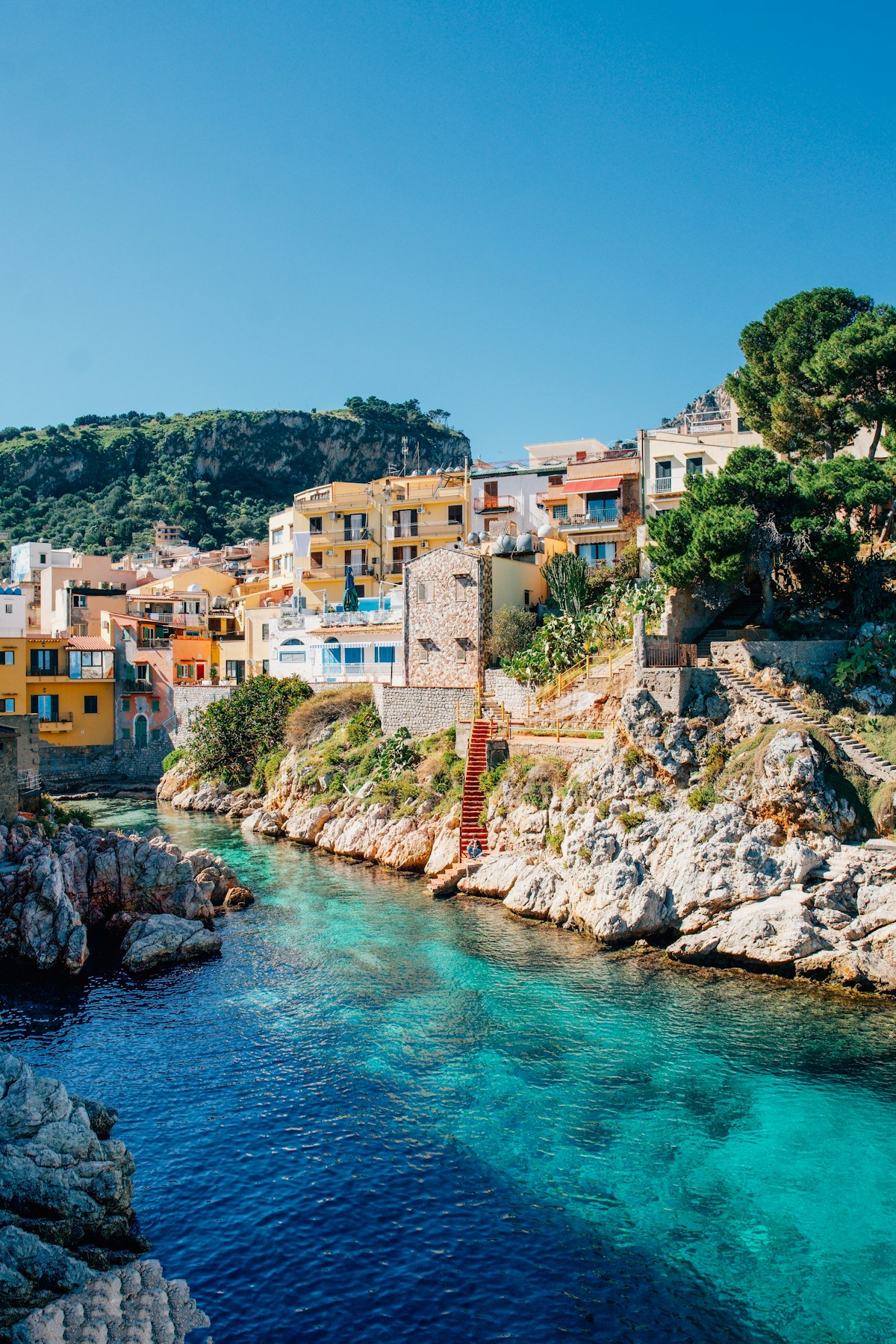
May, June, and September are the best months for the Amalfi Coast. July and August bring extreme traffic, 38C heat, and ferry queues at every stop.
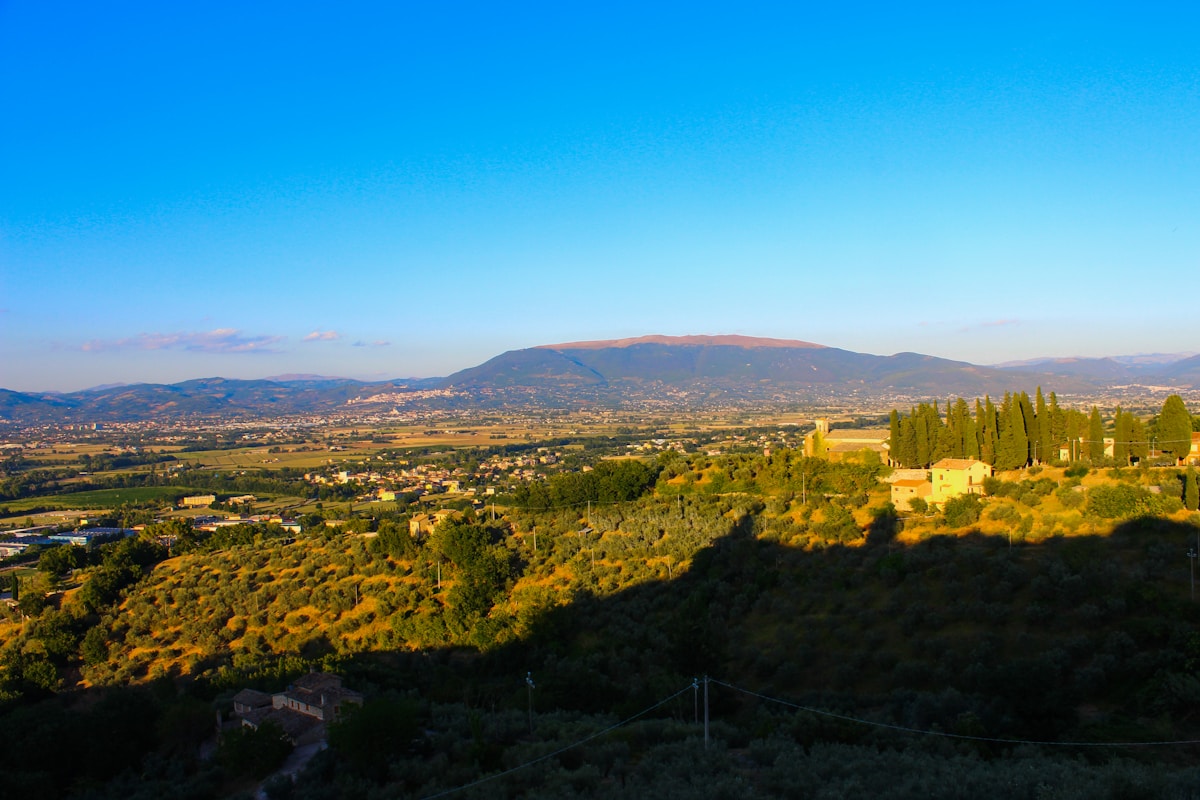
April to May and September to October are Assisi's best months: mild and green. Easter and the Feast of St. Francis on 4 October are the busiest days.
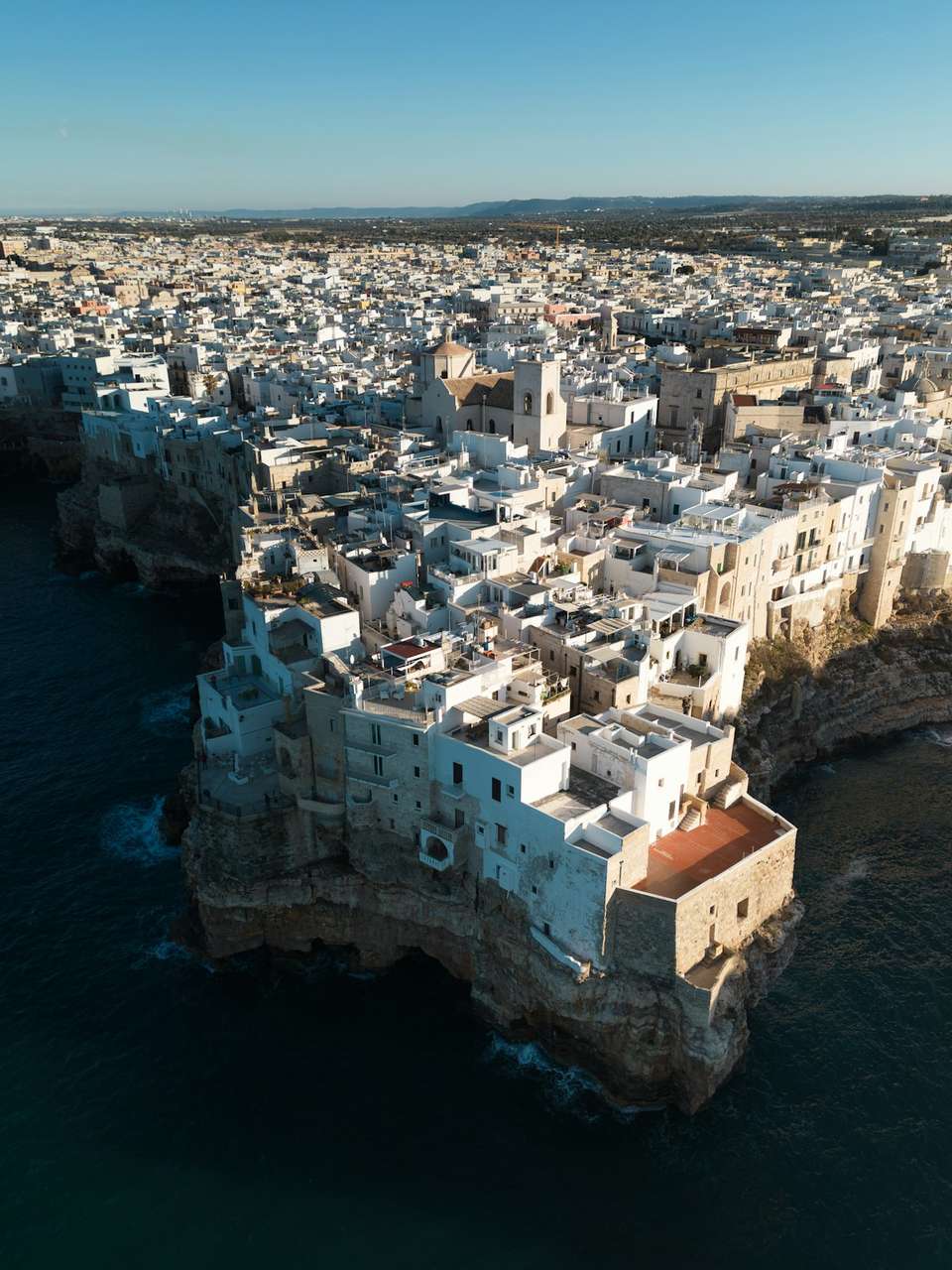
April to May and September to October are Bari at its best. The San Nicola Festival in May is a highlight; winters in this Puglia city are mild and cheap.
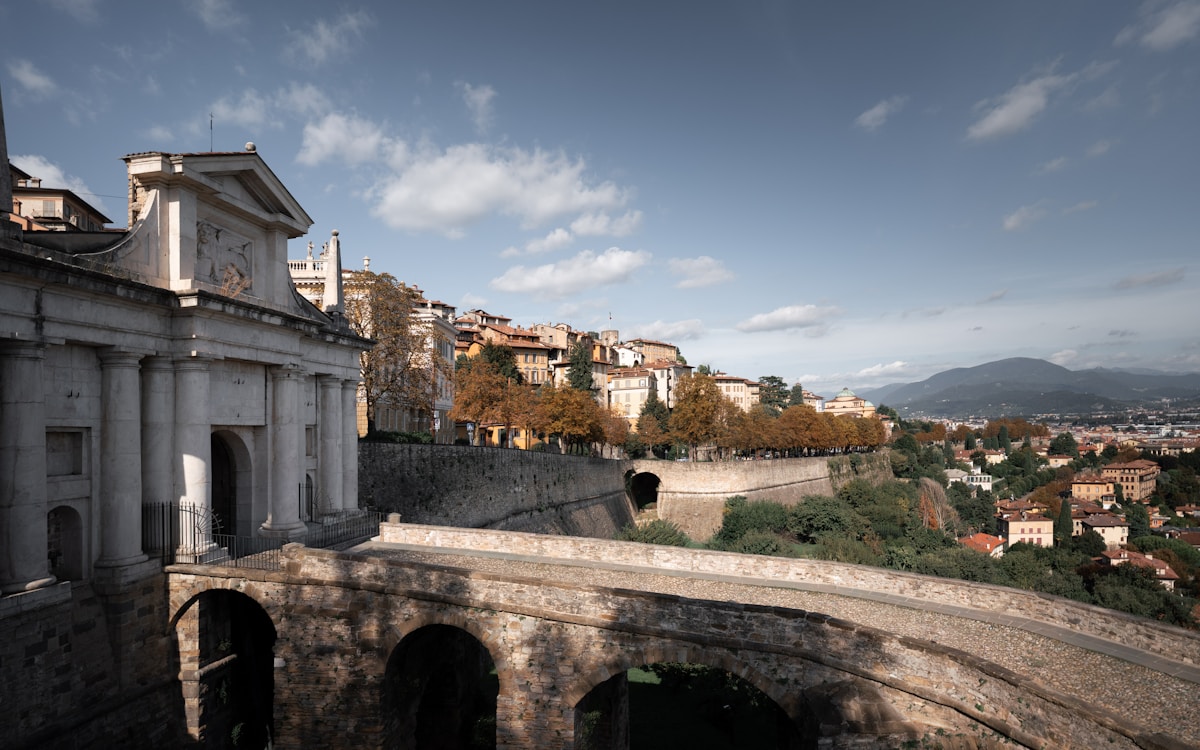
May to June and September to October suit Bergamo best: mild and uncrowded. July and August bring Milan day-trippers to the Città Alta every weekend.
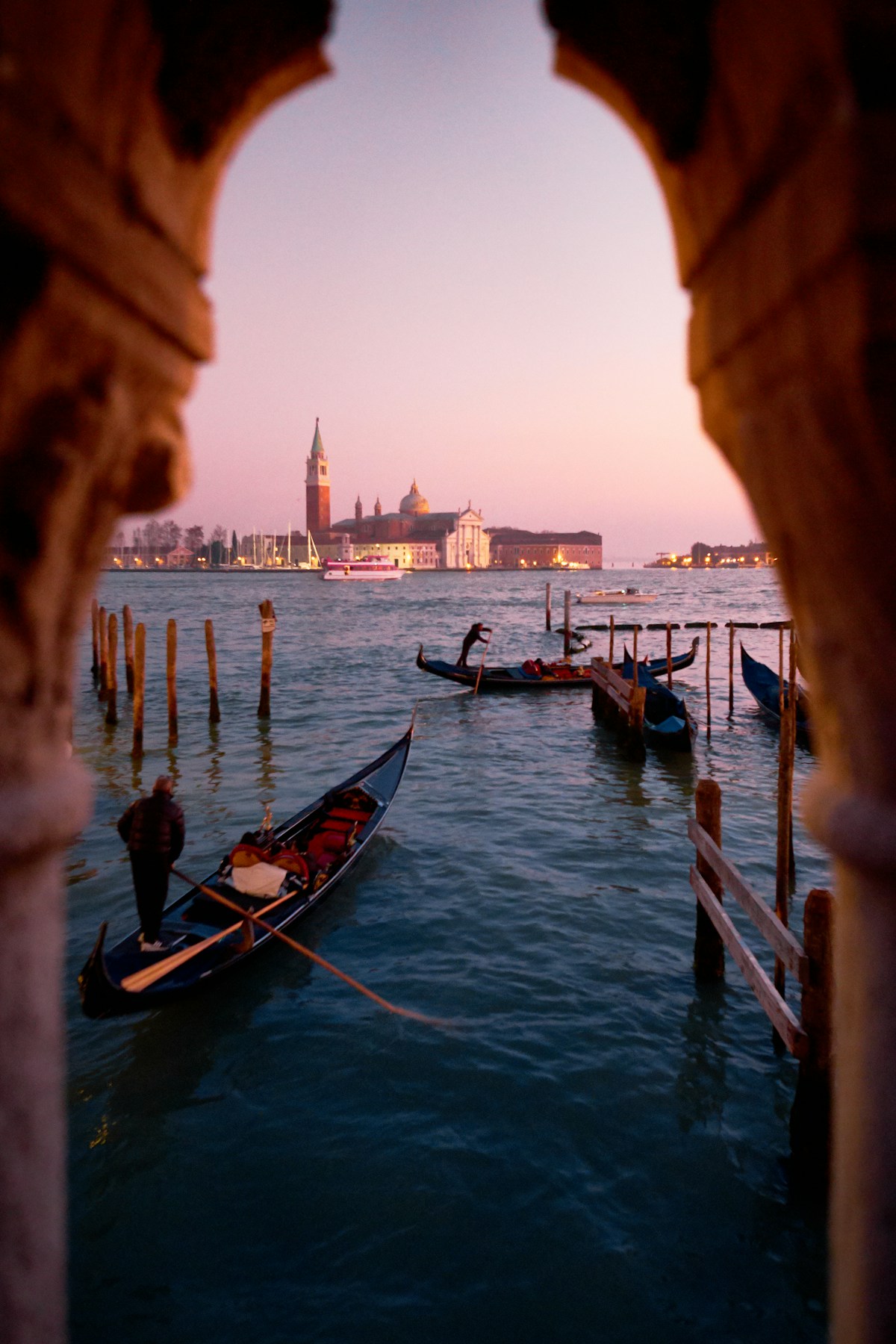
April to May and September to October suit Bologna best. Summer heat empties the university town, leaving shorter queues and lower hotel prices.
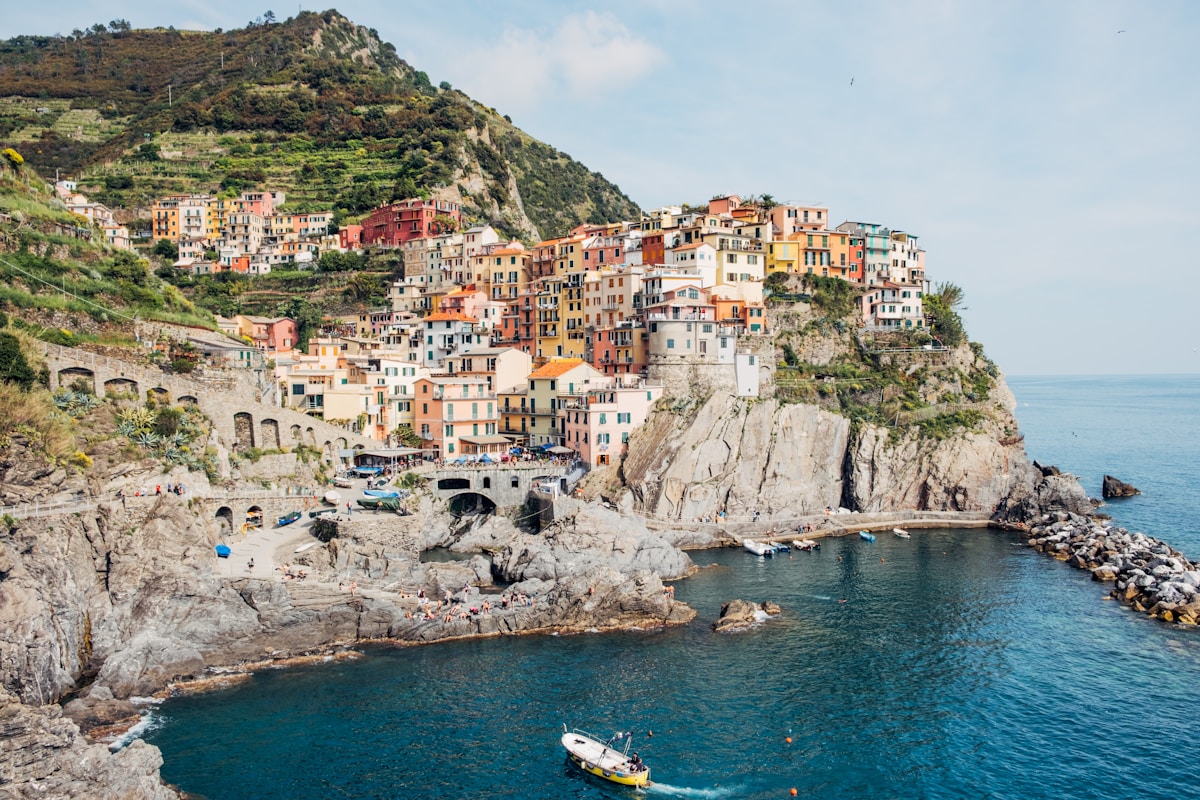
April to June and September to October are ideal for Cinque Terre. Summer brings extreme overcrowding, trail closures, and 35C heat on clifftop paths.
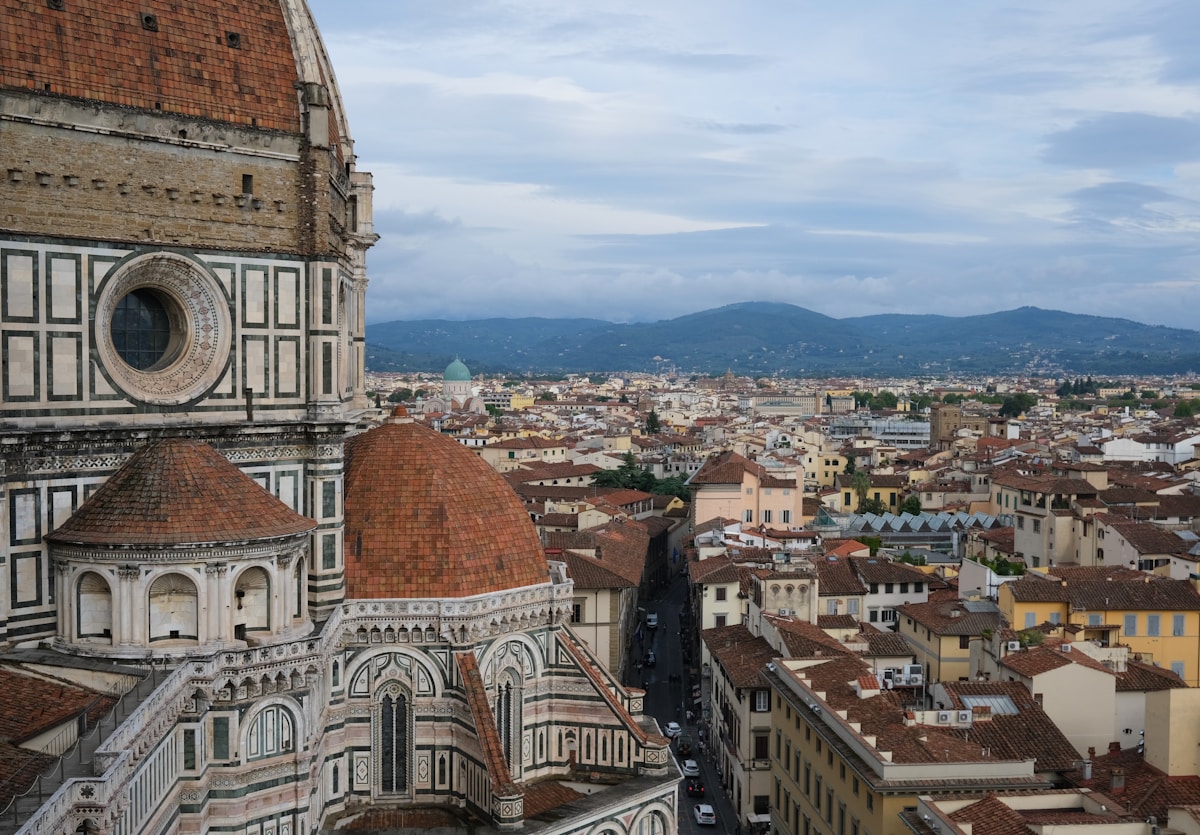
April to May and September to October are Florence's sweet spots: warm days, open-air markets, and queues at the Uffizi that are actually manageable.
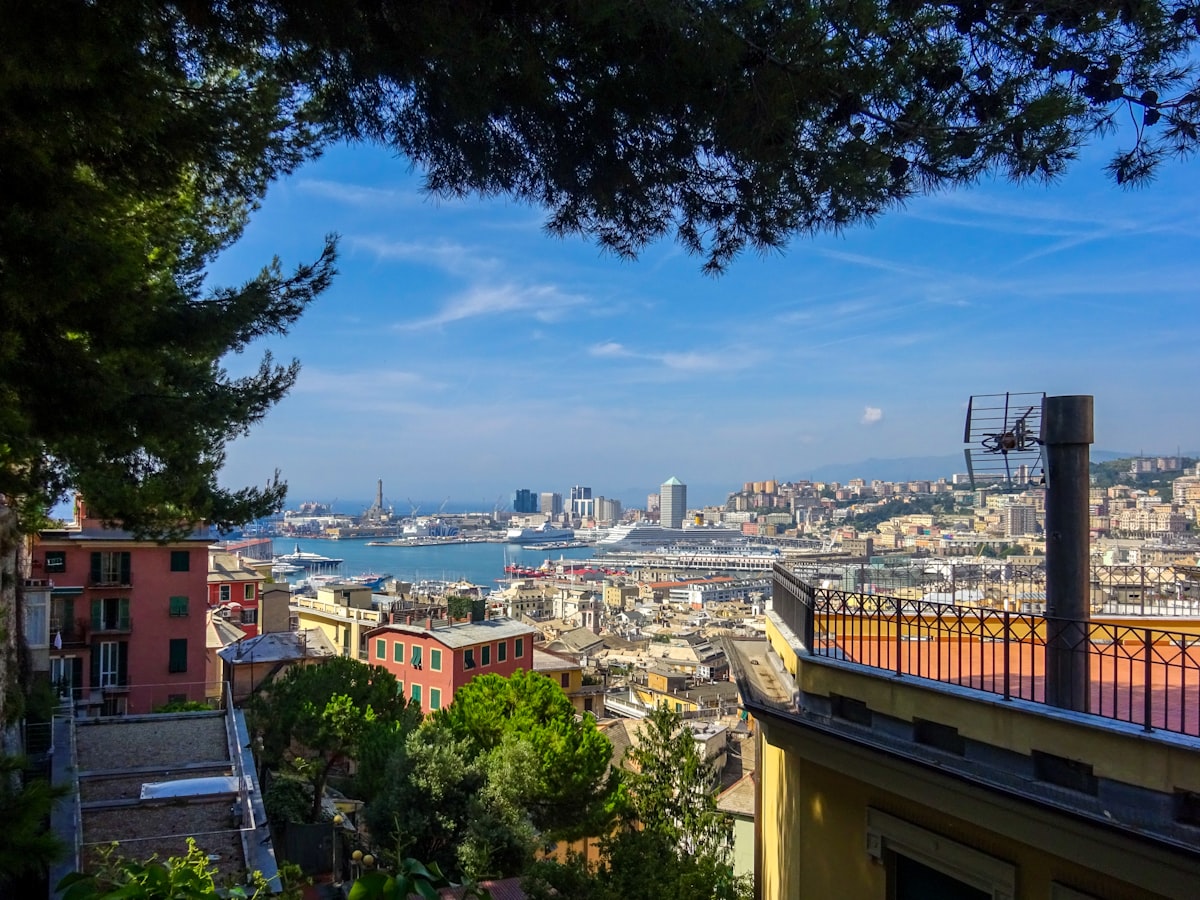
September and October are best for Genoa: 20-25C, the Boat Show, Rolli Days palace openings, hotels from 60/night. Rain peaks in October and November.
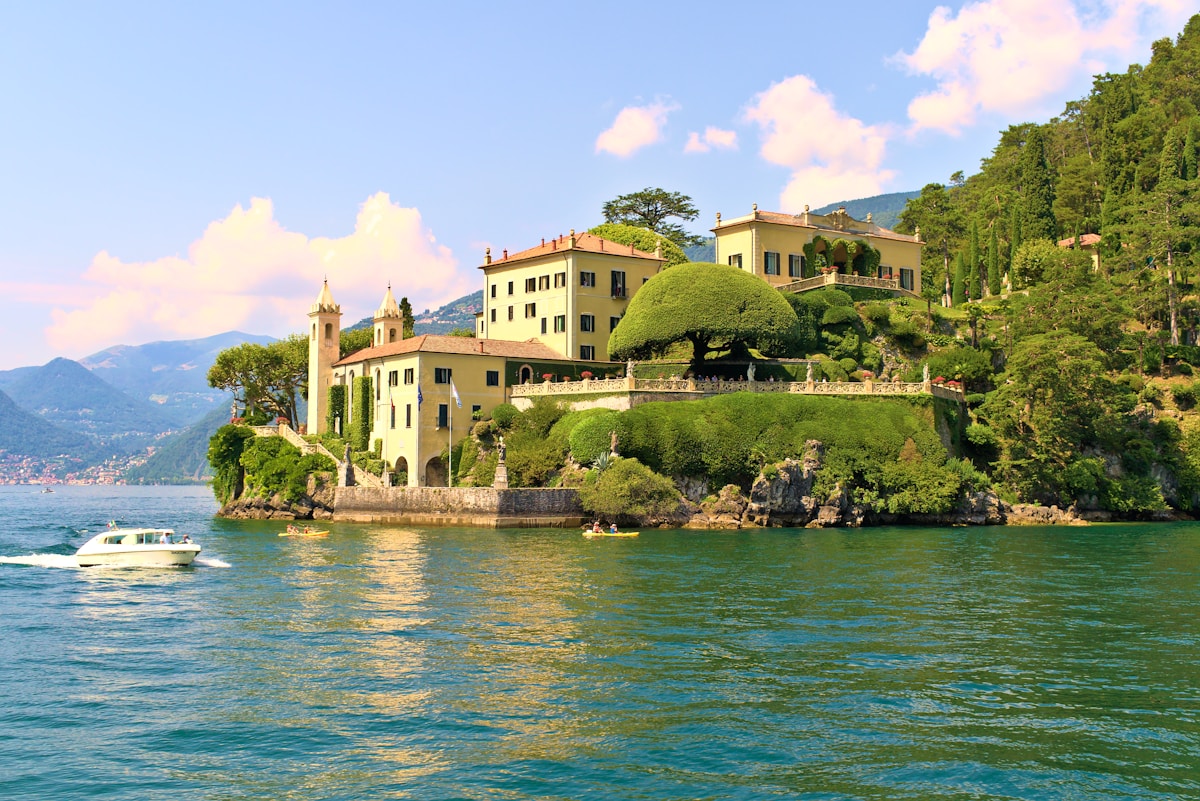
May to June and September to October are Lake Como at its best. August brings peak prices and ferry queues; winter sees most lakeside hotels close.
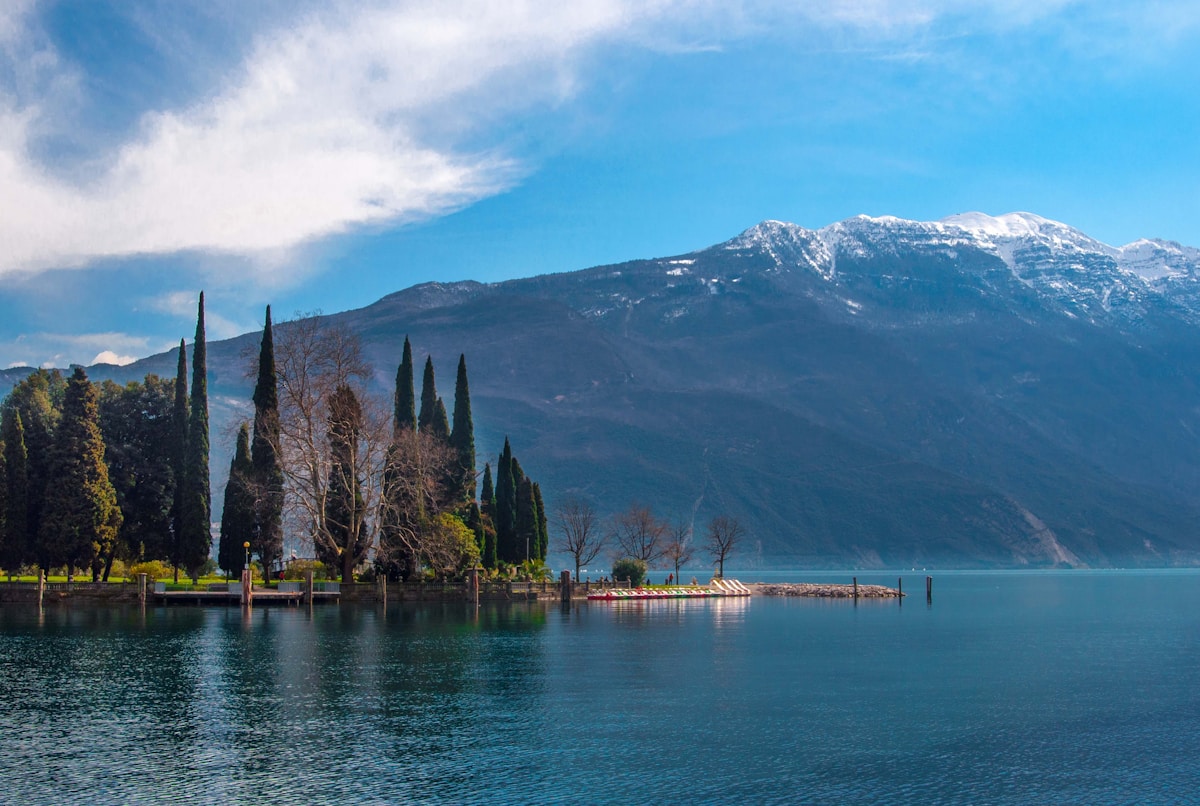
April to June and September to October give Lake Garda ideal weather and manageable crowds. July and August bring peak prices and packed shorelines.
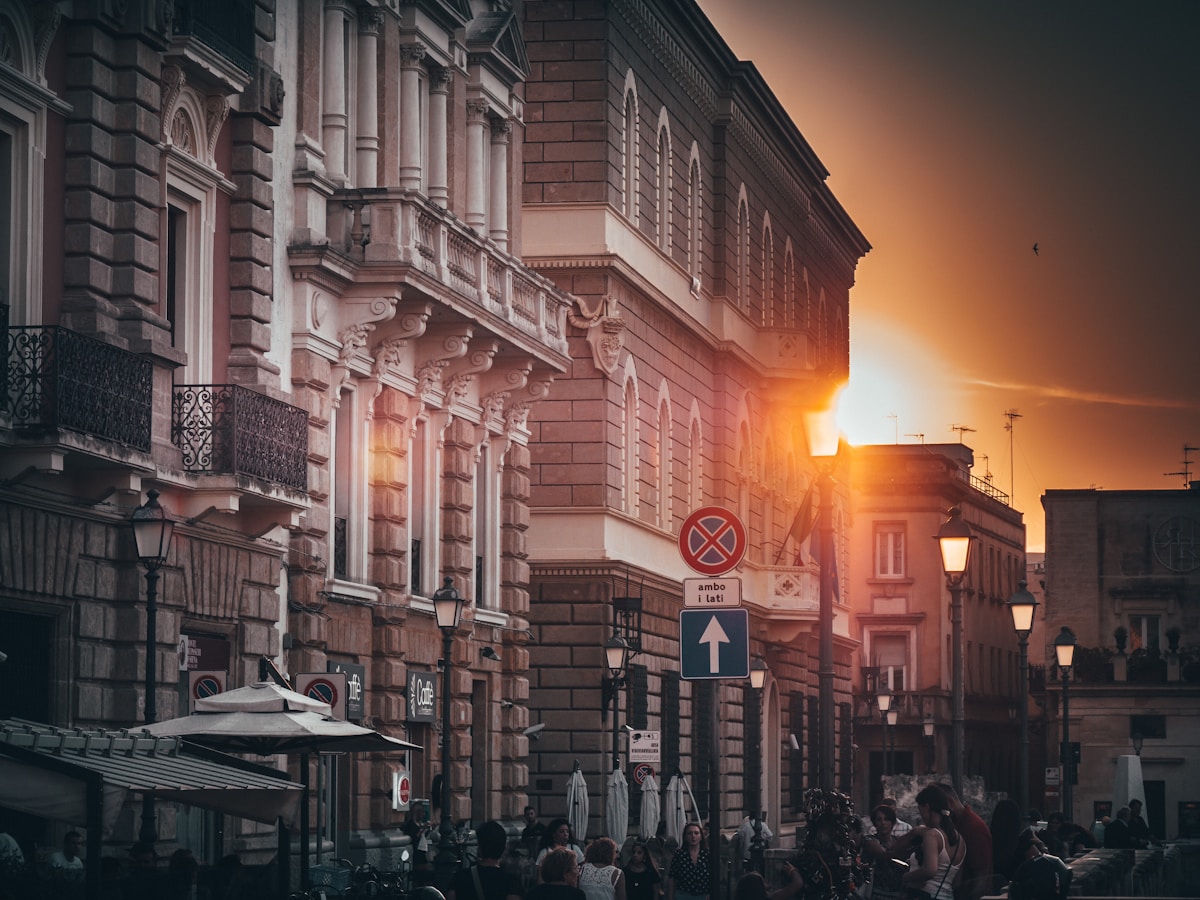
April to May and September are best for Lecce: 20-26C for the Baroque centro storico, hotels from 50/night. July and August are hot and increasingly busy.
April, May, and September to October are Milan at its best. Fashion Week in March and September spikes prices; August sees locals leave and costs drop.
April to May and September to October are Naples at its best. January and February offer budget travel with mild weather and far fewer tourists.
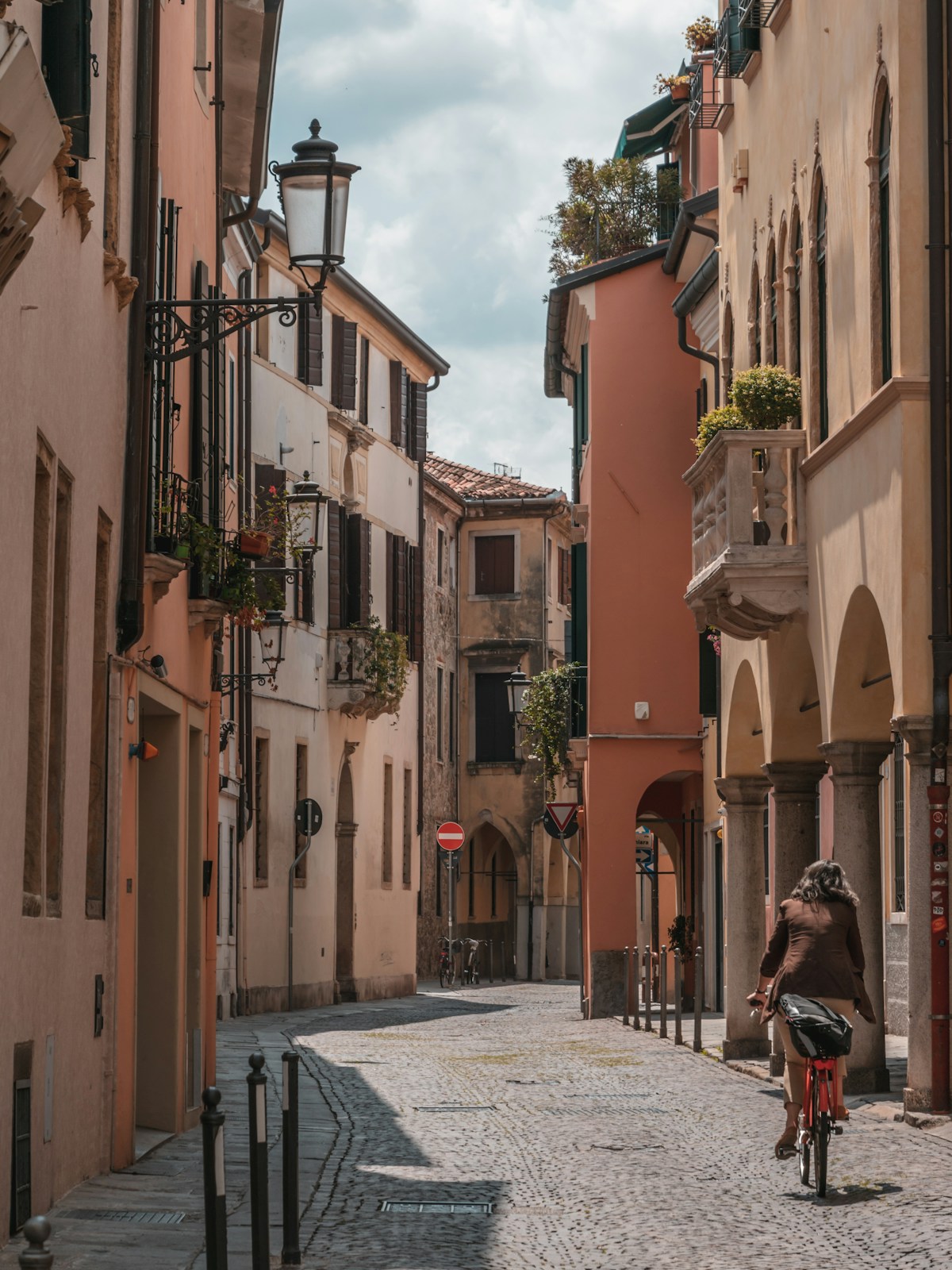
May to June is Padua's sweet spot: warm, pre-summer crowds, and Scrovegni Chapel slots available. August is hot and quieter once the university empties.
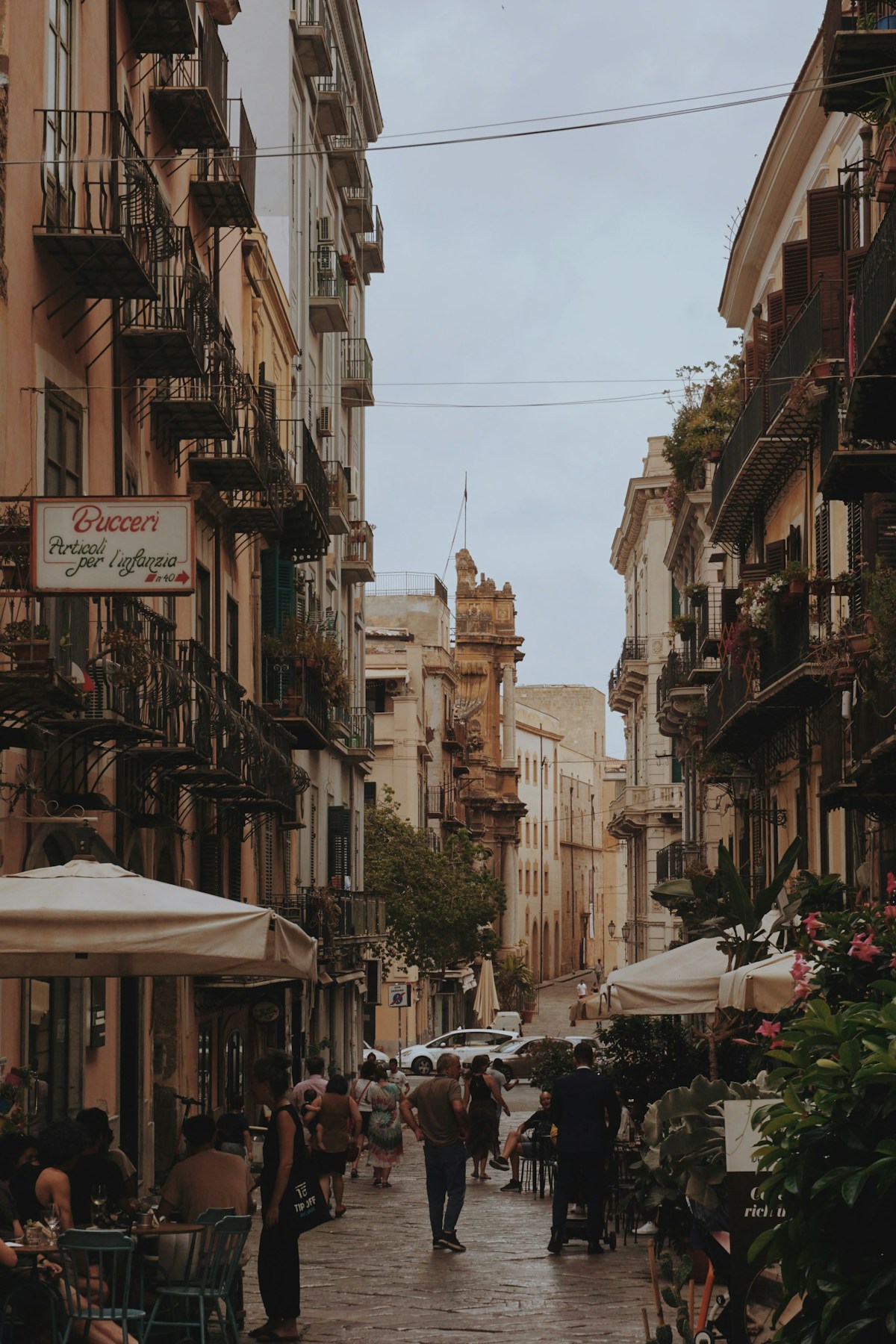
April to May and September to October are ideal for Palermo. Sicilian heat peaks at 38C in August; January and February are mild and nearly tourist-free.
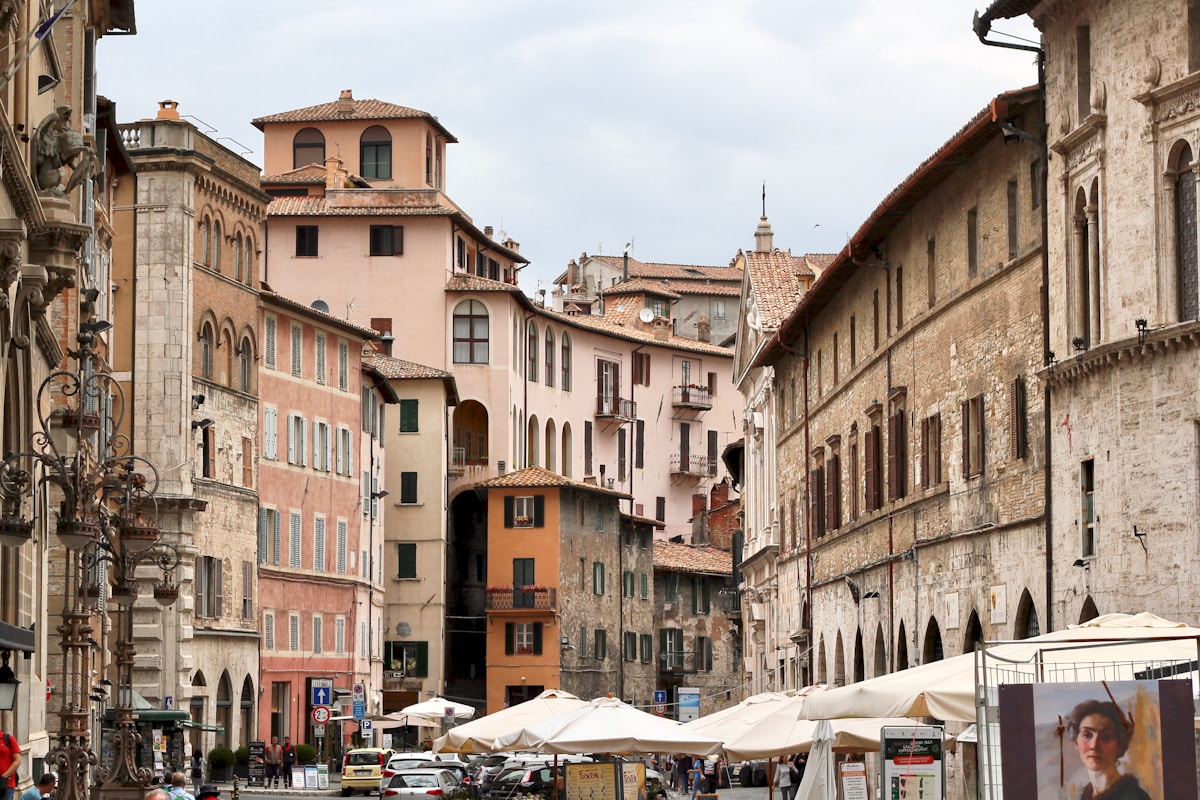
April to June is Perugia's best window: warm and affordable. July brings Umbria Jazz; October brings Eurochocolate and the year's biggest crowds.
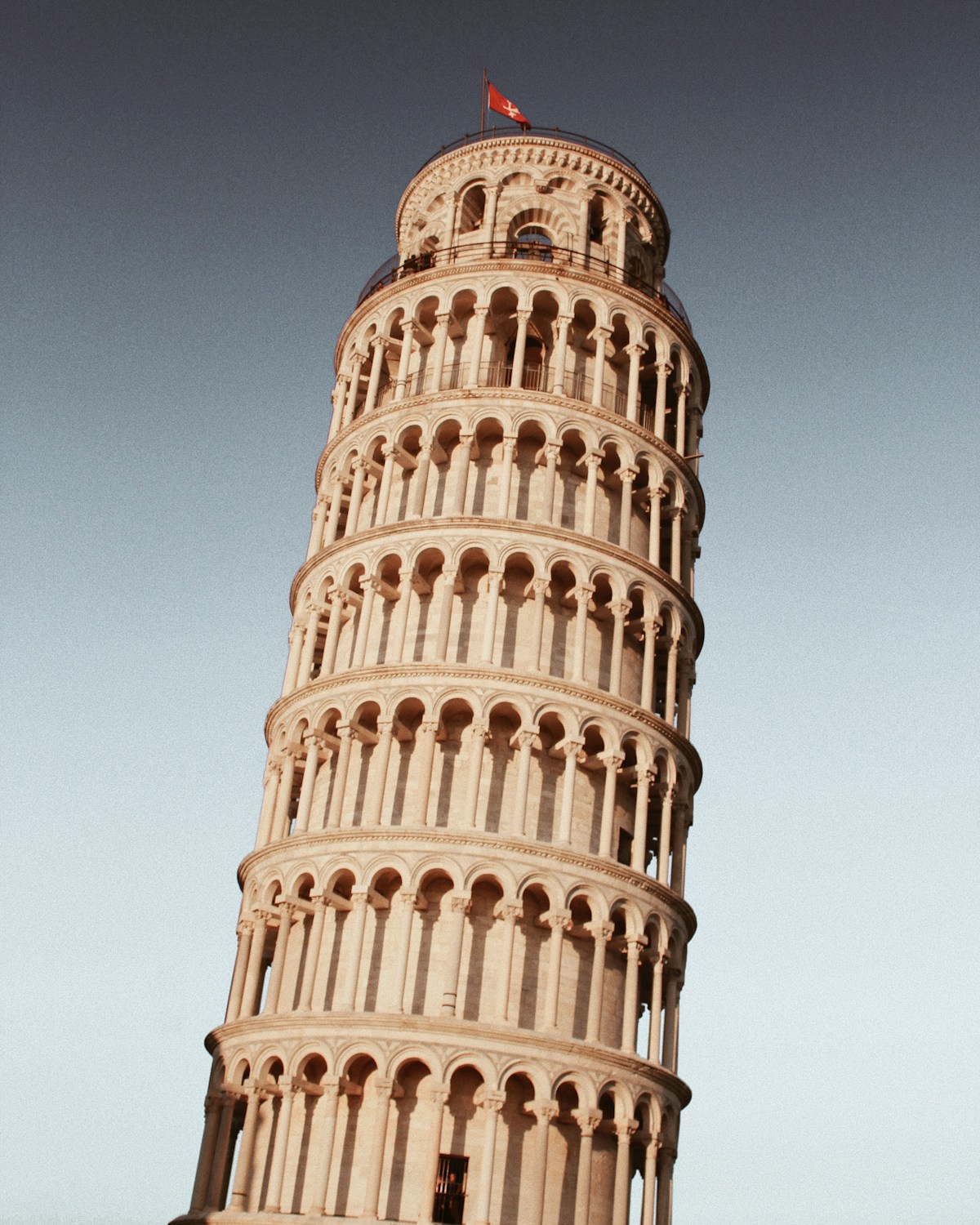
April and May are best for Pisa: mild 18-22C, manageable Tower queues, fewer day-trippers. Avoid July and August afternoons at Campo dei Miracoli.
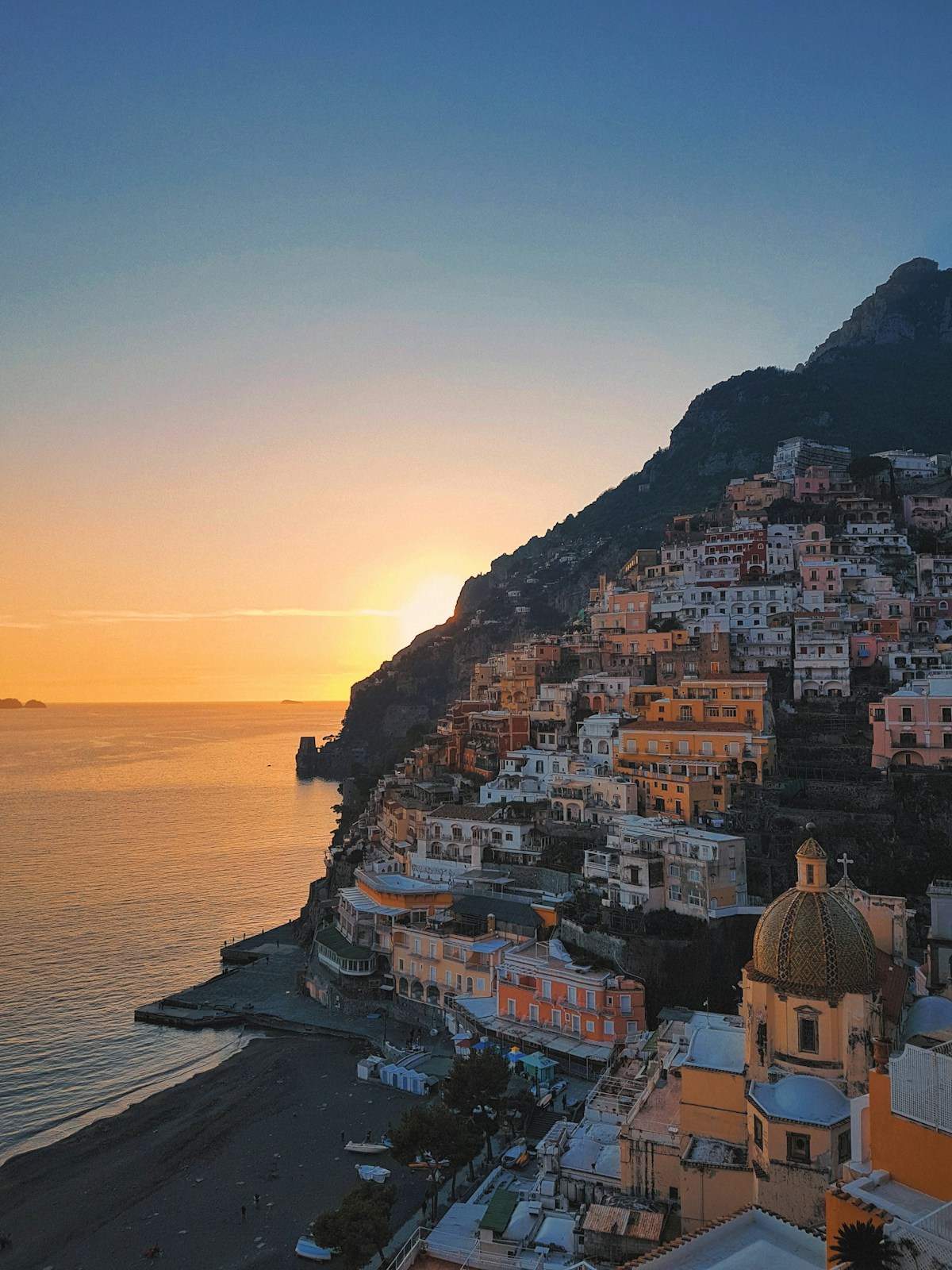
May and September are best for Positano: 20-26C, fewer visitors, hotels from 90/night. July and August bring peak prices, packed beaches, and ferry queues.
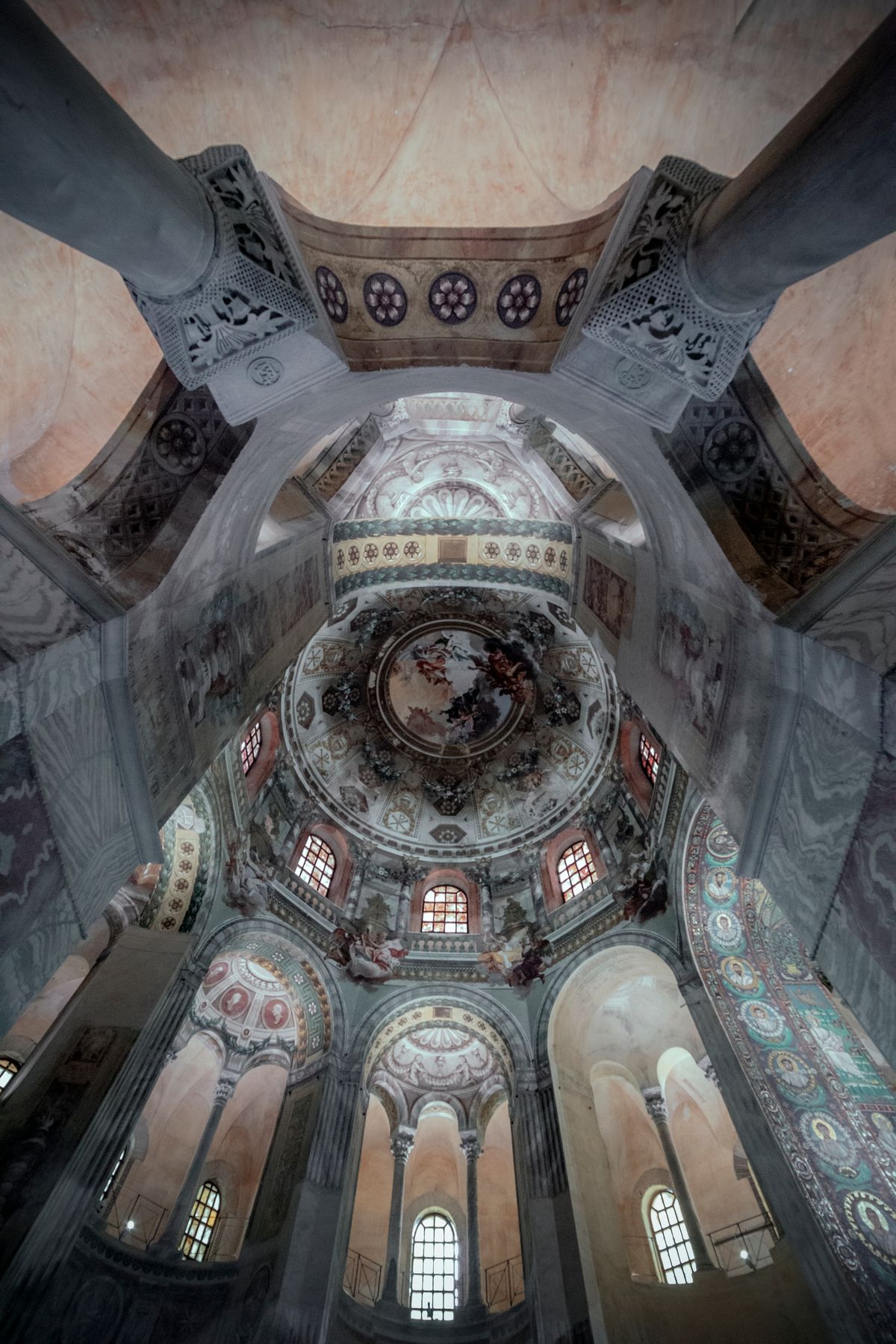
April to June and September to October are ideal for Ravenna's mosaics: good light and thin crowds. August is hot but the UNESCO sites stay manageable.
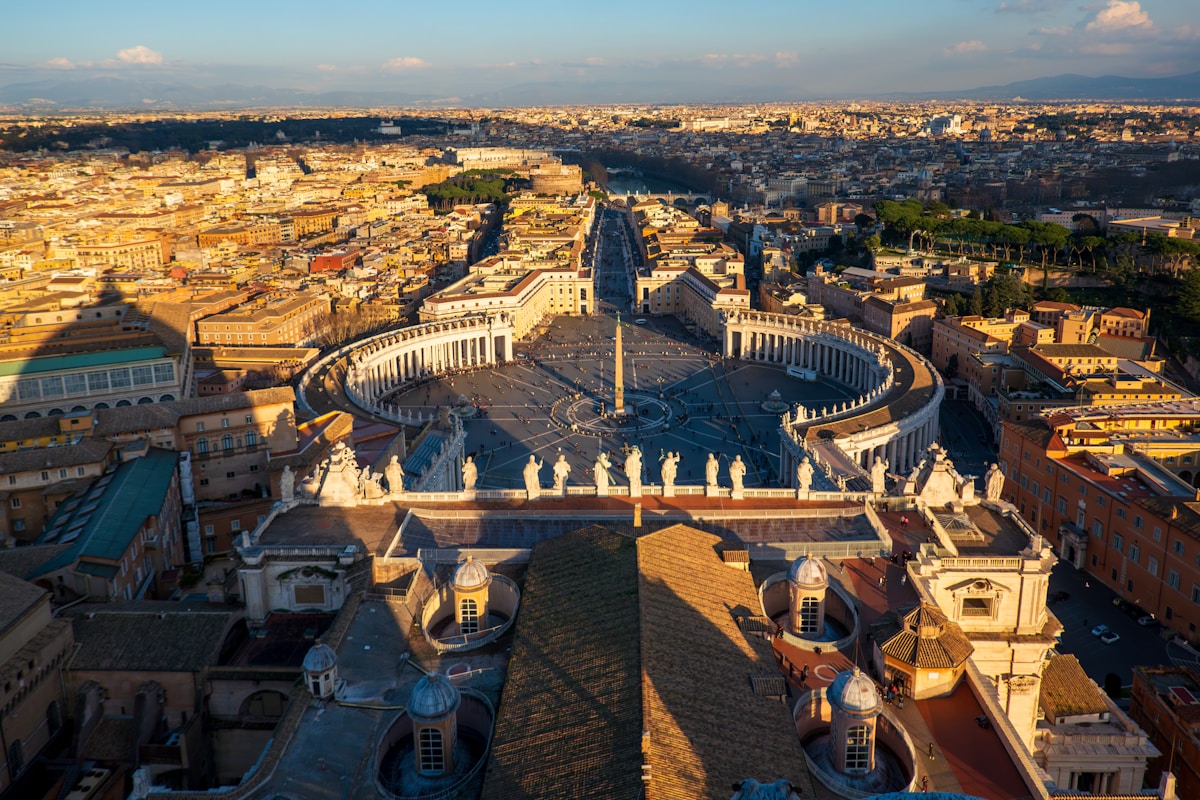
April to May and September to October offer the best weather and manageable crowds in Rome. Summer brings extreme heat and tourist peaks.
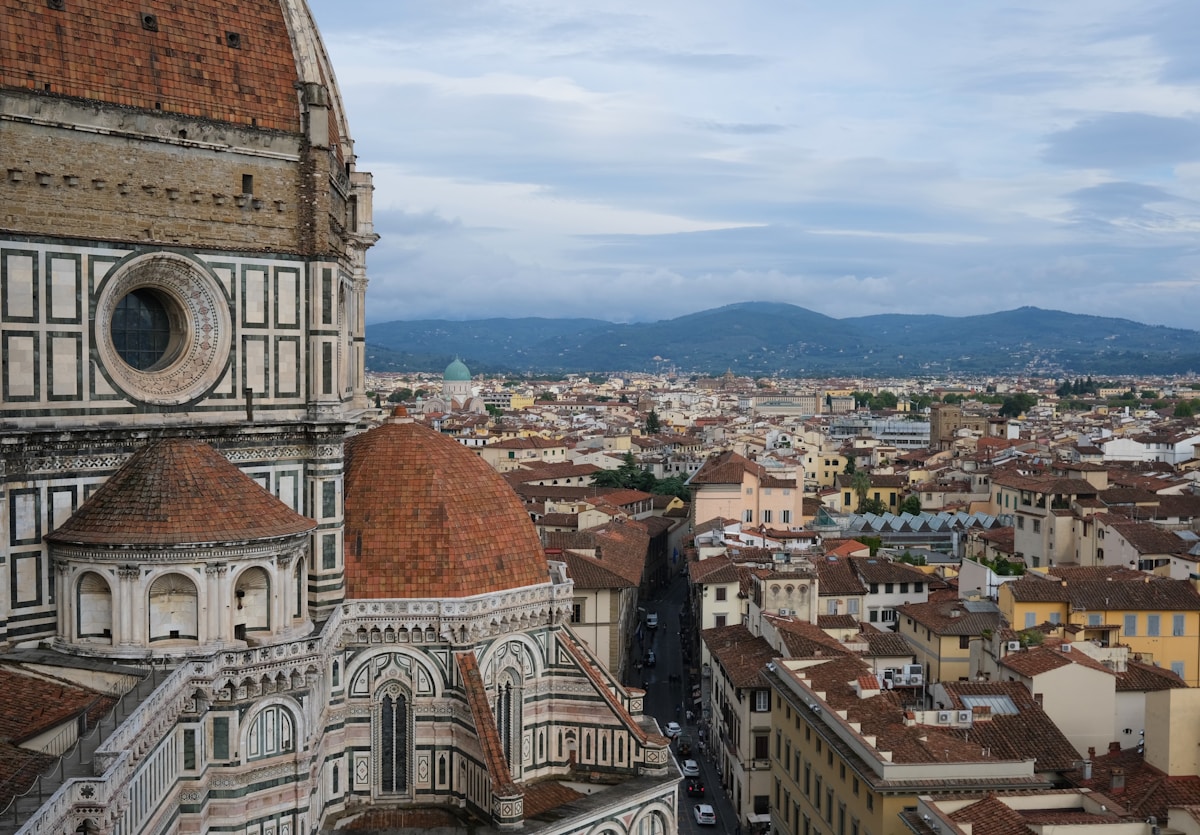
April to May and September to October are ideal for Siena. The Palio on 2 July and 16 August draws extreme crowds; shoulder seasons are far calmer.
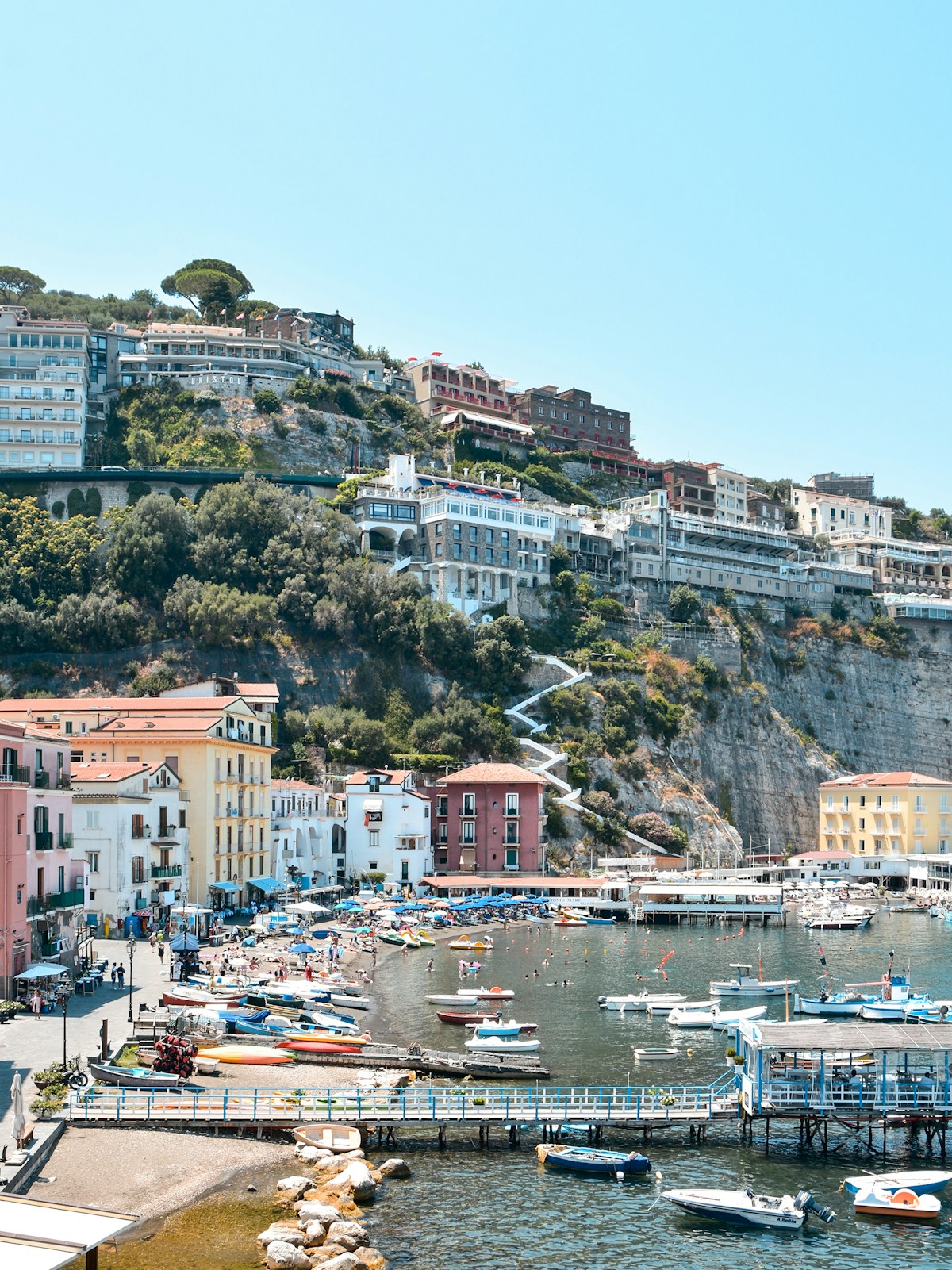
April to May and September are best for Sorrento: 18-26C, manageable Capri ferries, hotels from 70/night. July and August bring queues and higher prices.
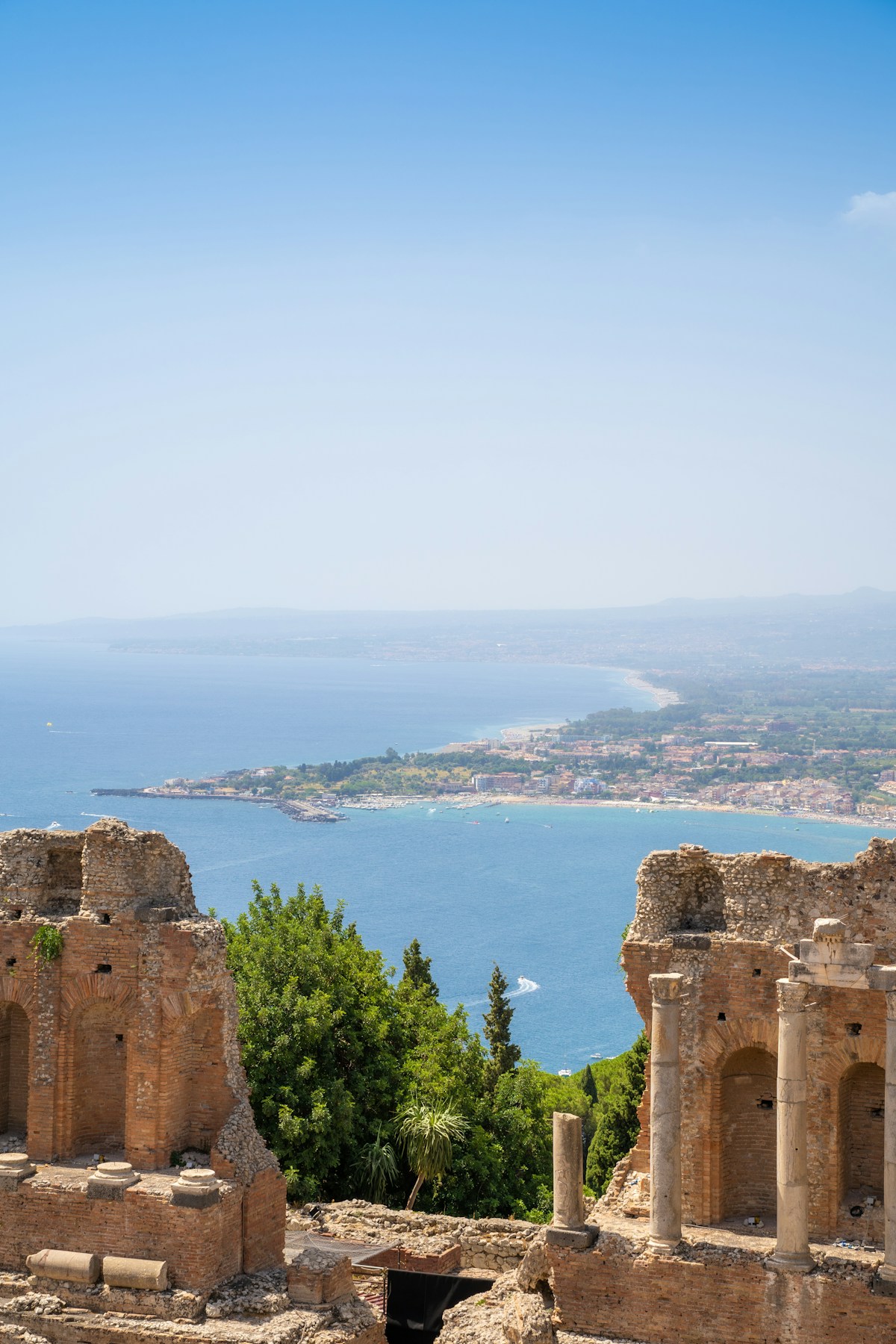
April to May and September are best for Taormina: 18-26C, Teatro Antico without peak heat, hotels from 60/night. July and August are hot and expensive.
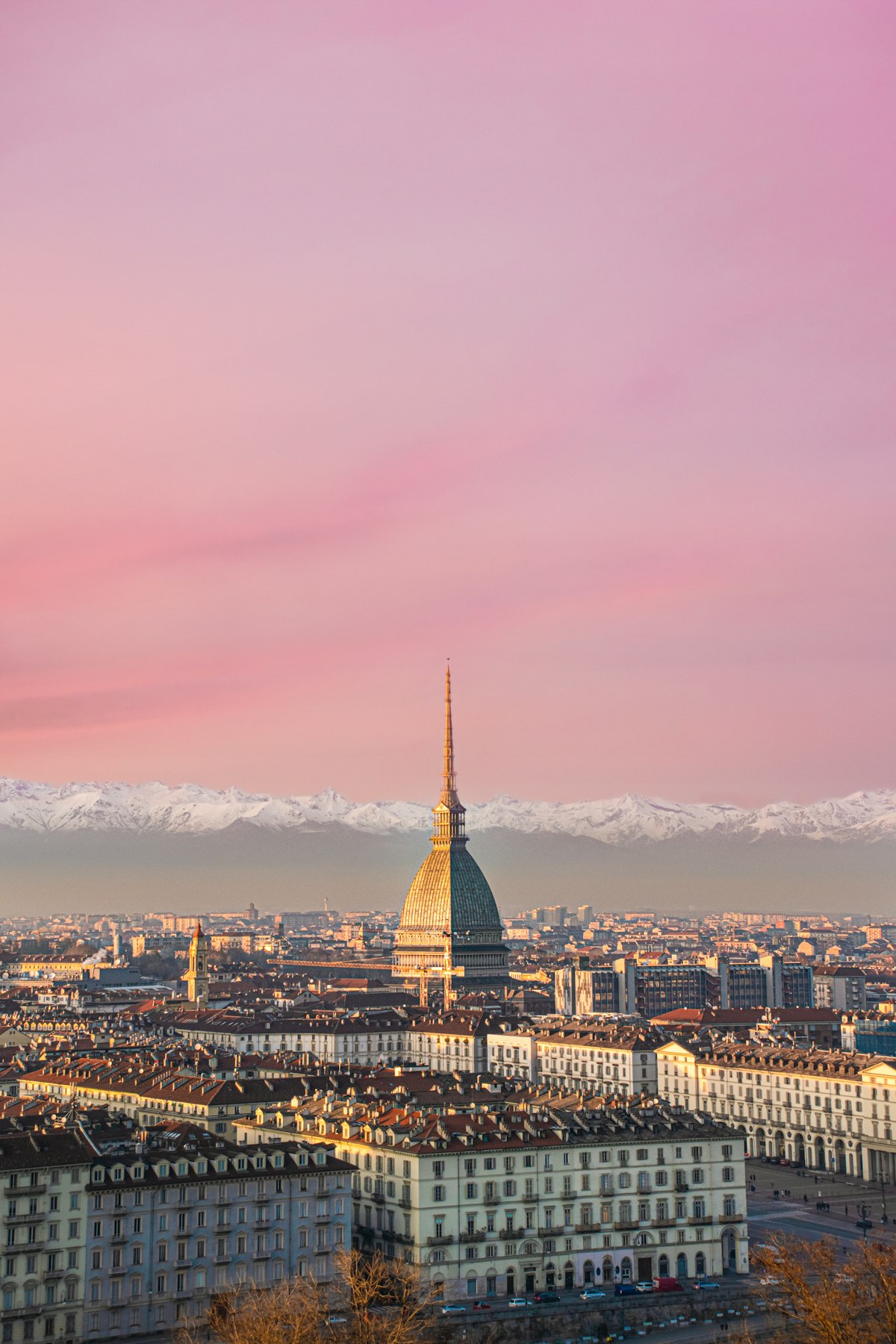
April to June and September to October are ideal for Turin. The October Chocolate Festival draws food lovers; Alps views are clearest in spring and autumn.
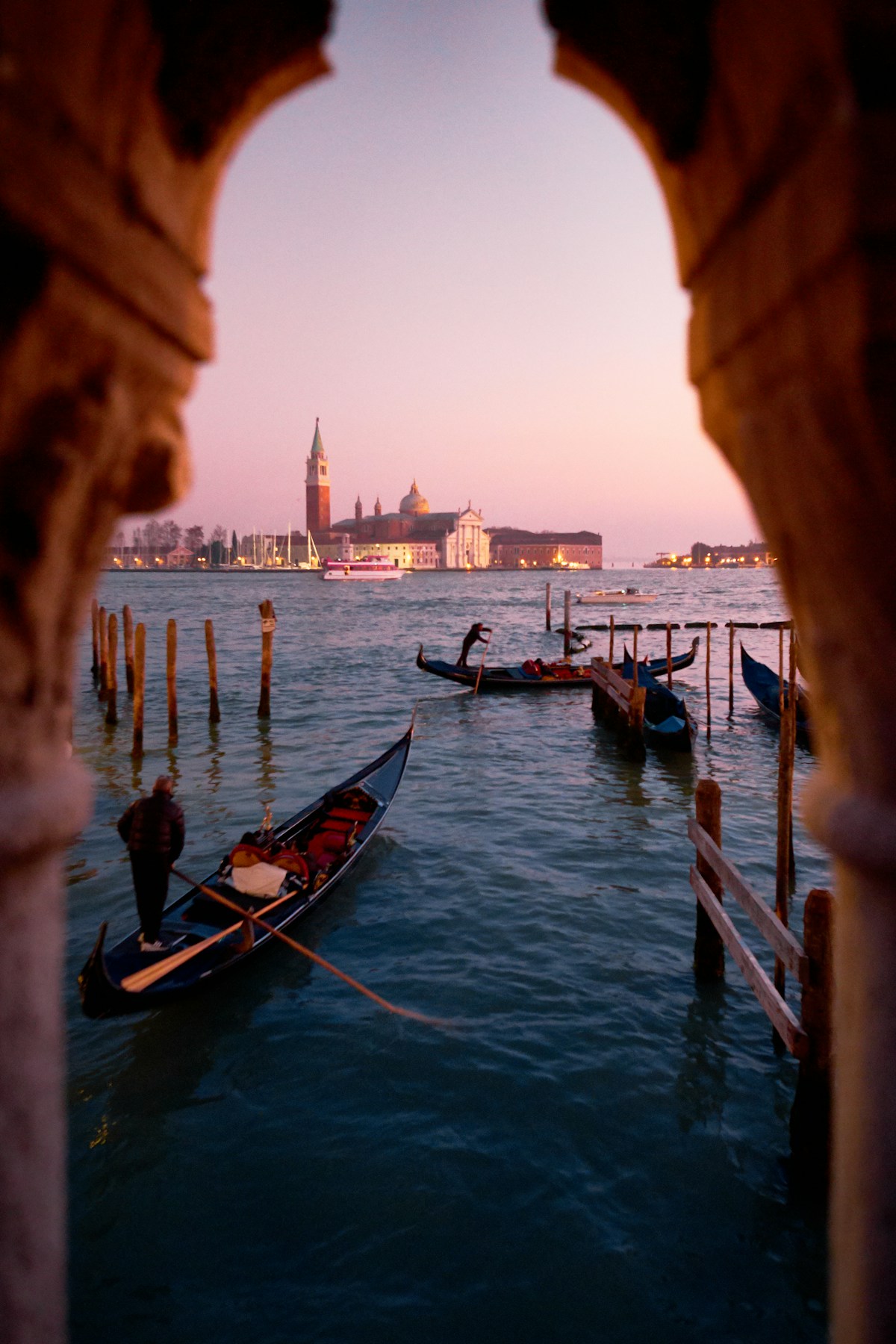
February for Carnival, April to May for ideal weather, and October for quiet canals. Summer brings heat, acqua alta risk, and shoulder-to-shoulder crowds.
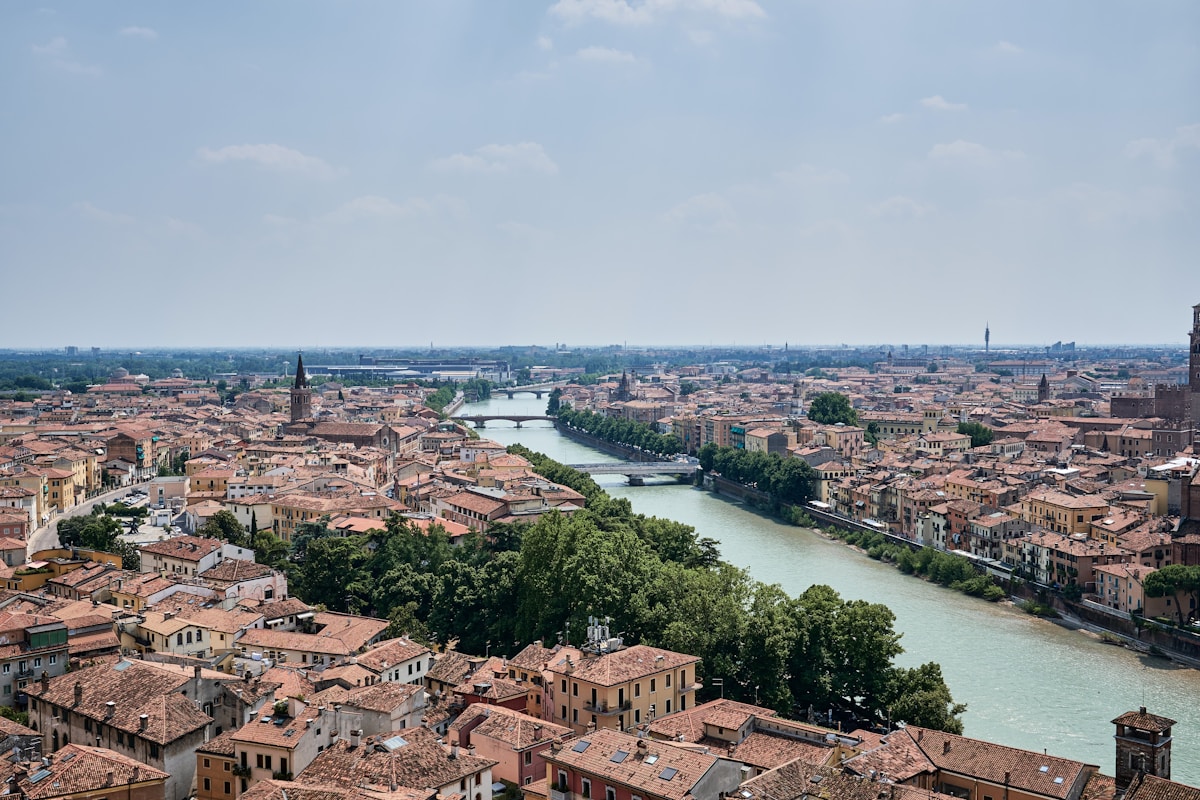
April to May and September to October suit Verona. The Arena Opera Festival runs July to August; December brings one of Italy's best Christmas markets.
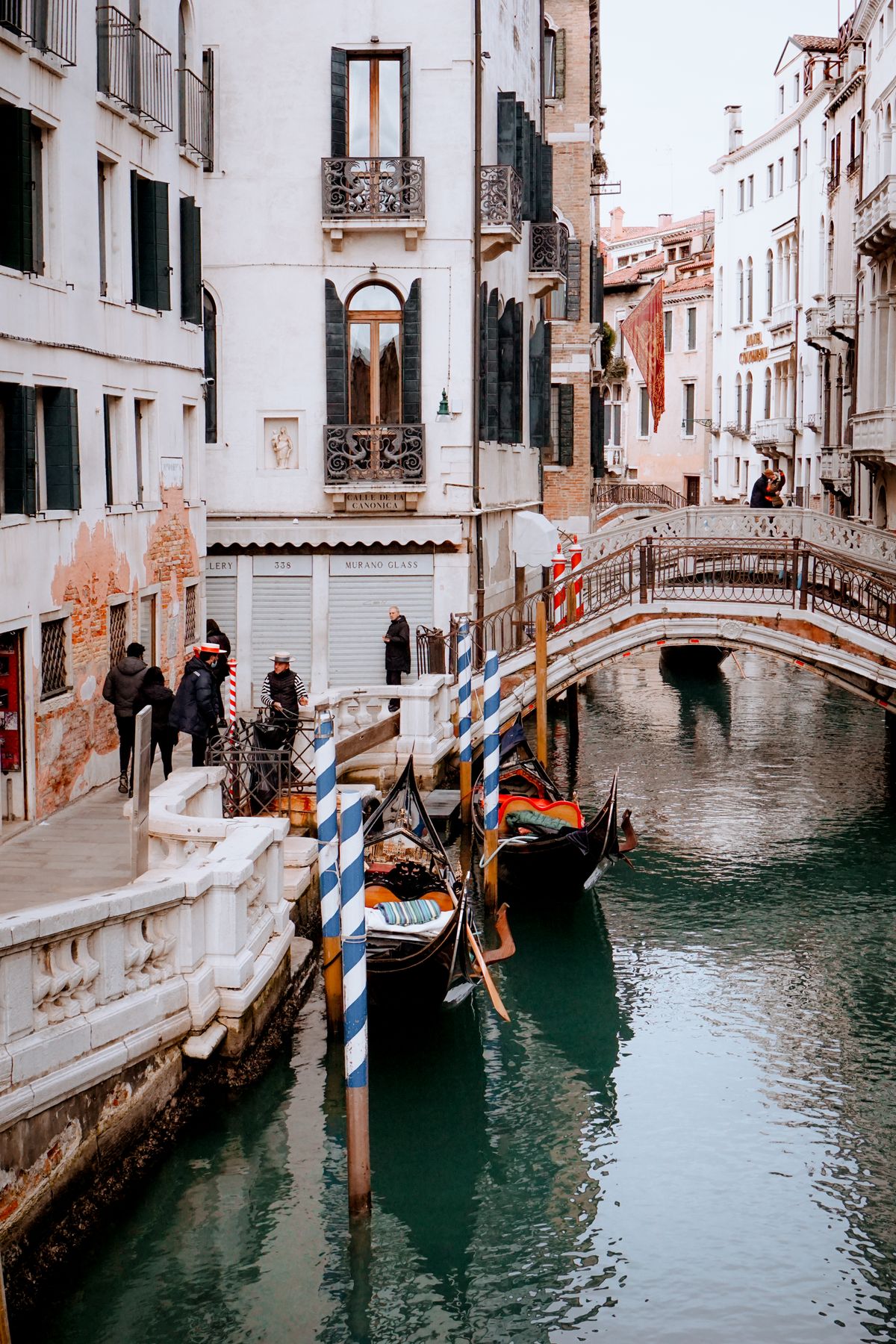
Florence to Venice by Frecciarossa takes around 2h 10min, arriving at Venice Santa Lucia. Trains from ~€19 advance. What to expect on the journey.
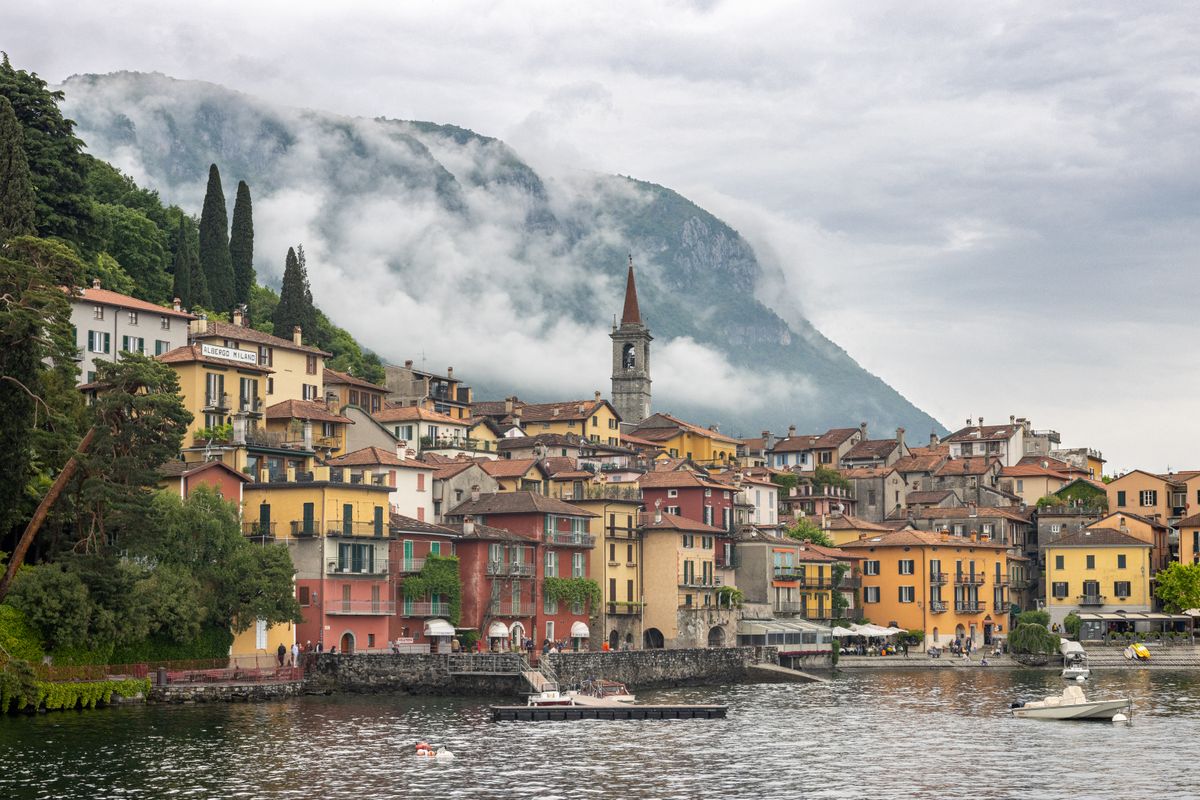
Milan to Lake Como by train: Varenna route (1h 10min, ~€5) or Como town (30min, ~€4). Ferry connections to Bellagio. Day trip and weekend guide.
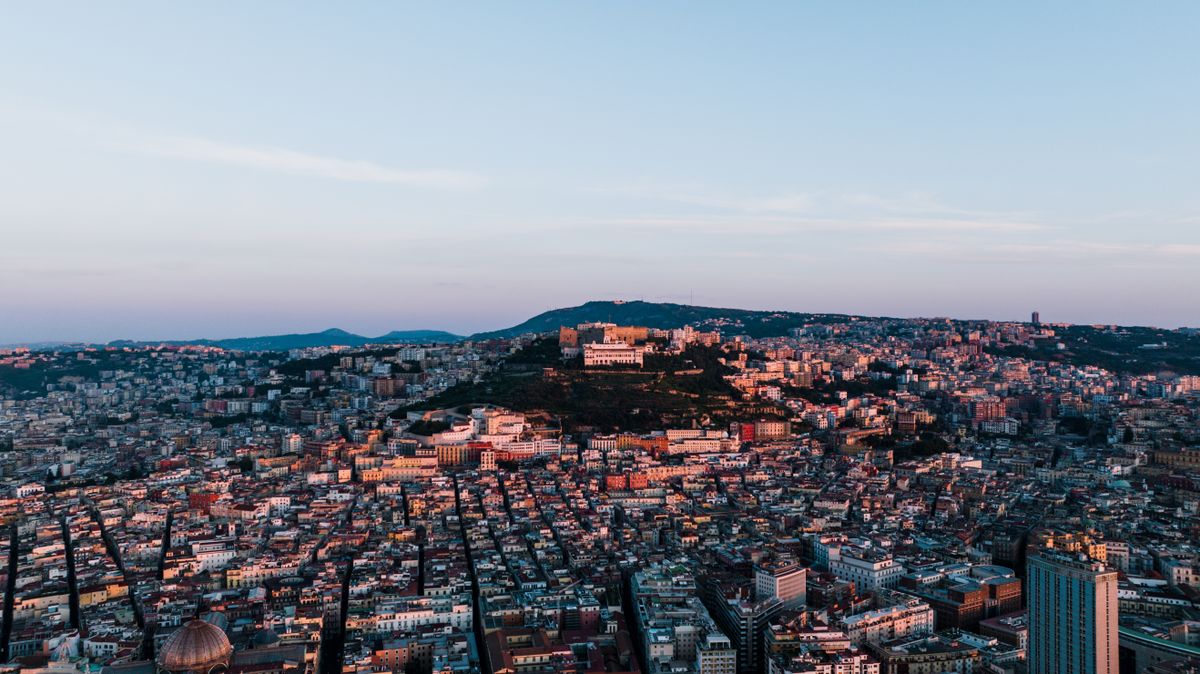
Rome to Naples by Frecciarossa takes 1h 10min from Termini to Napoli Centrale. Trains run hourly from €9 booked in advance. Trenitalia vs Italo compared.

Venice charges day visitors a Contributo di Accesso on peak dates. Current rates, who is exempt, how to register online, and what changes for 2027.
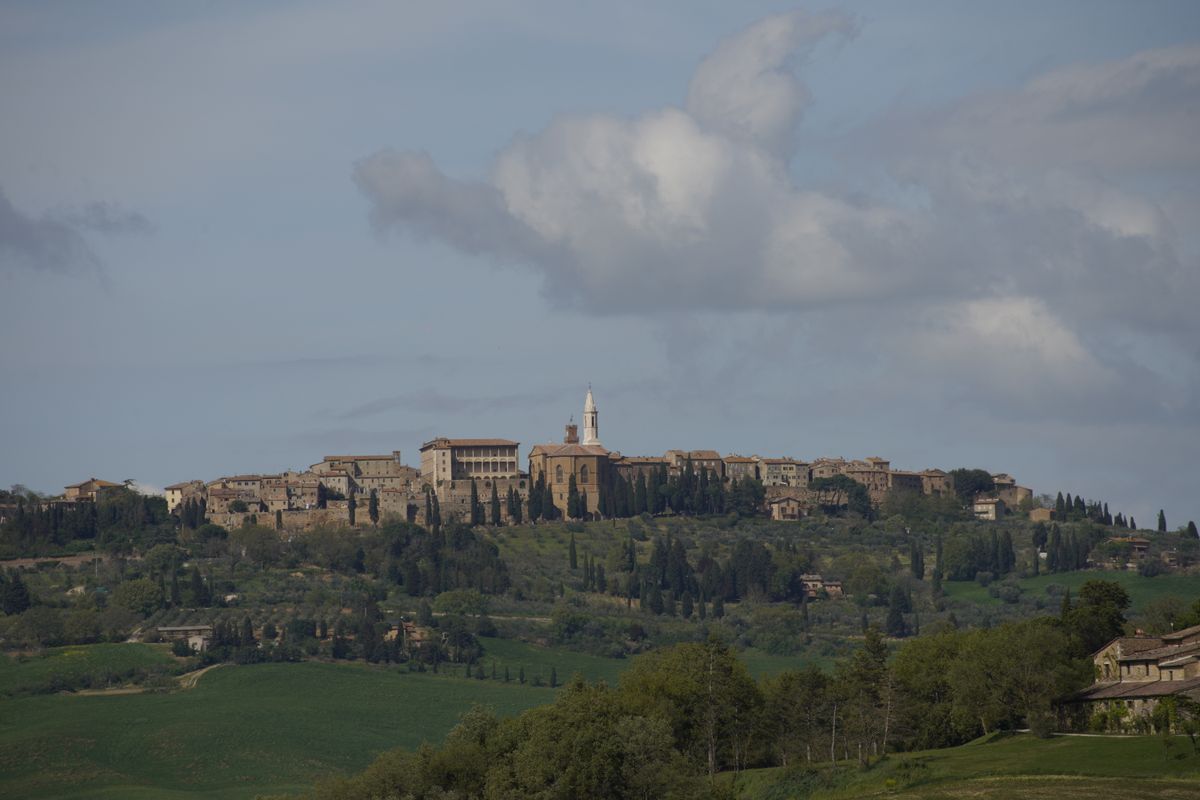
Italy wins for ancient history, art and food; France wins for Paris, Provence and the Riviera. Culture depth versus city romance decides the trip.
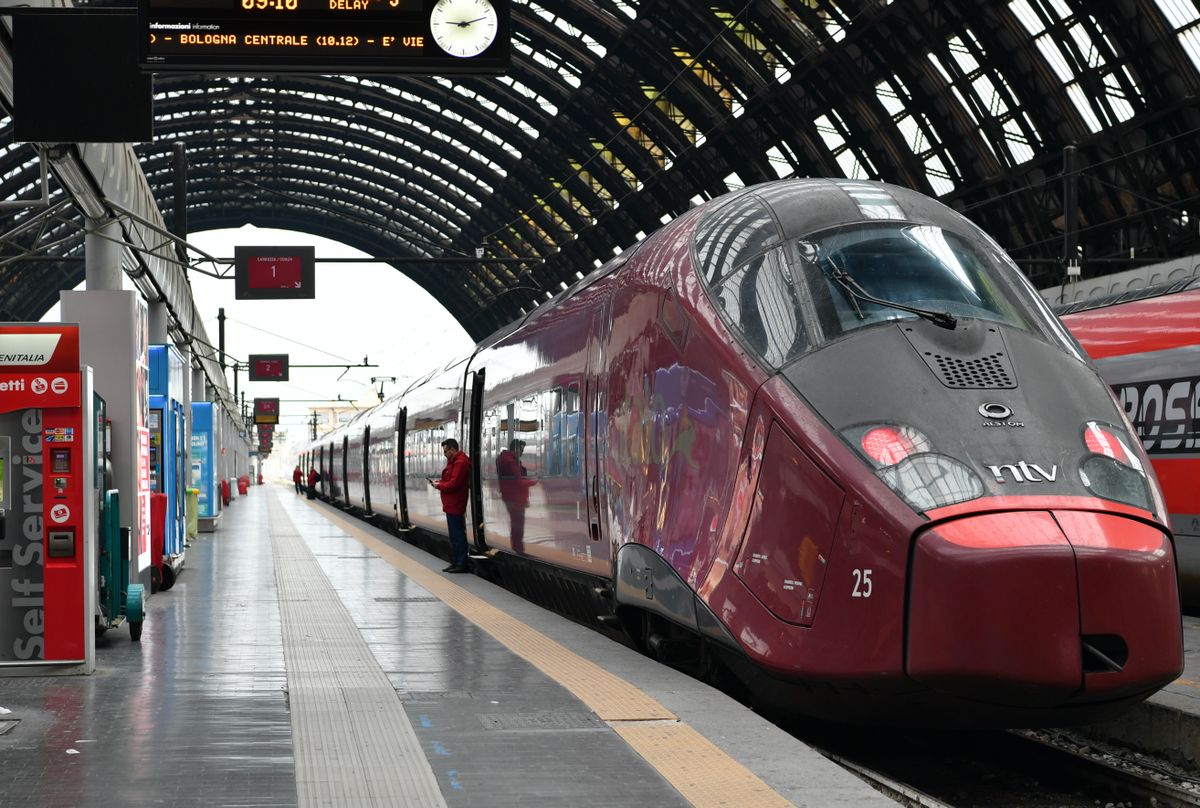
Milan to Rome by Frecciarossa takes under 3 hours from Centrale to Termini, from €25 advance. Full guide to trains, flights, buses, and driving.
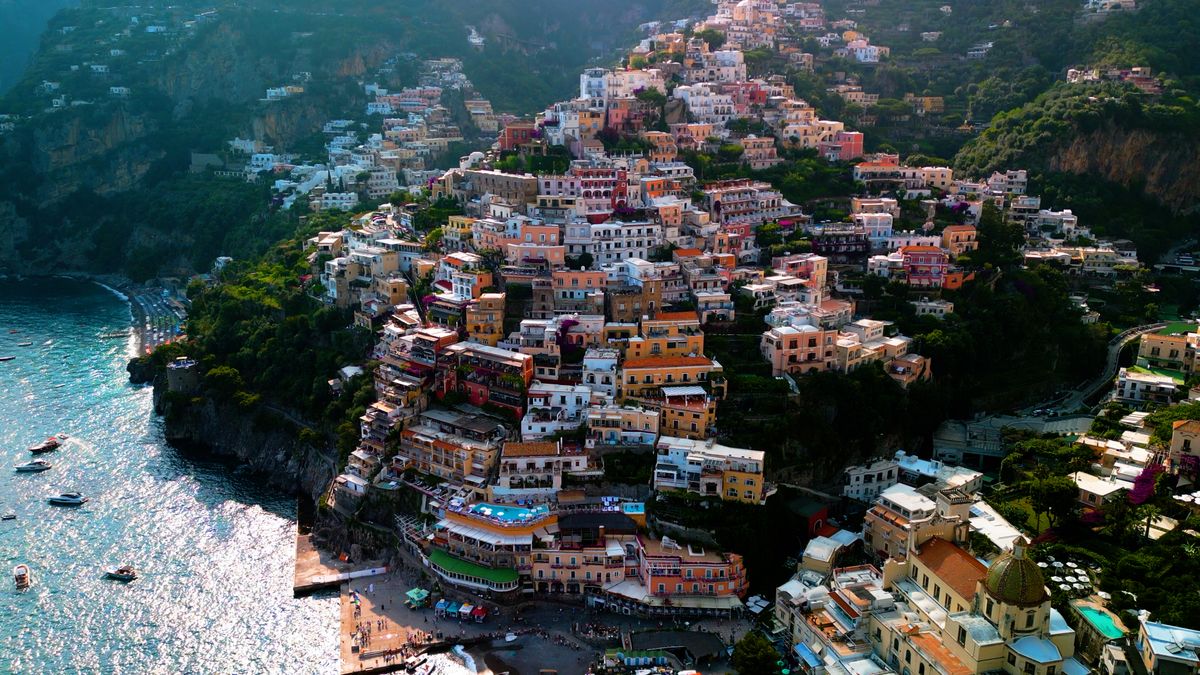
Naples wins for food, history and value; the Amalfi Coast wins for scenery and beaches. Both suit different trip styles - here's how to choose.
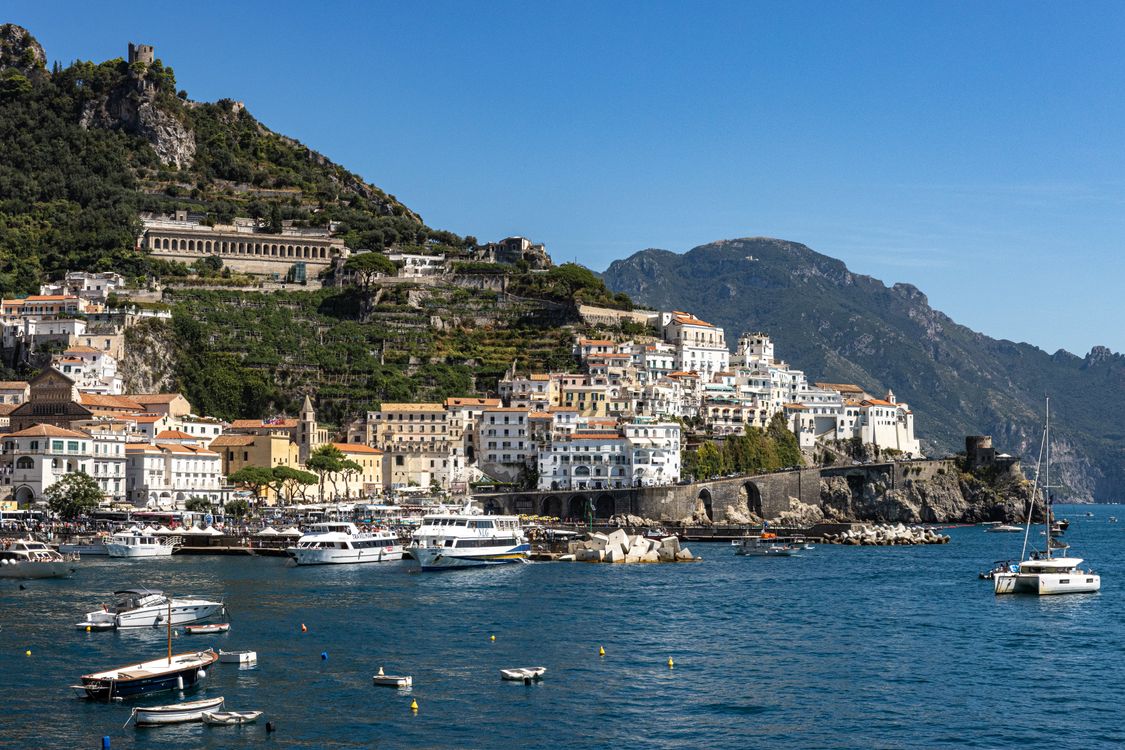
Amalfi wins for history, ferry links and authenticity; Positano wins for scenery and romance - costs, beaches, and access compared.
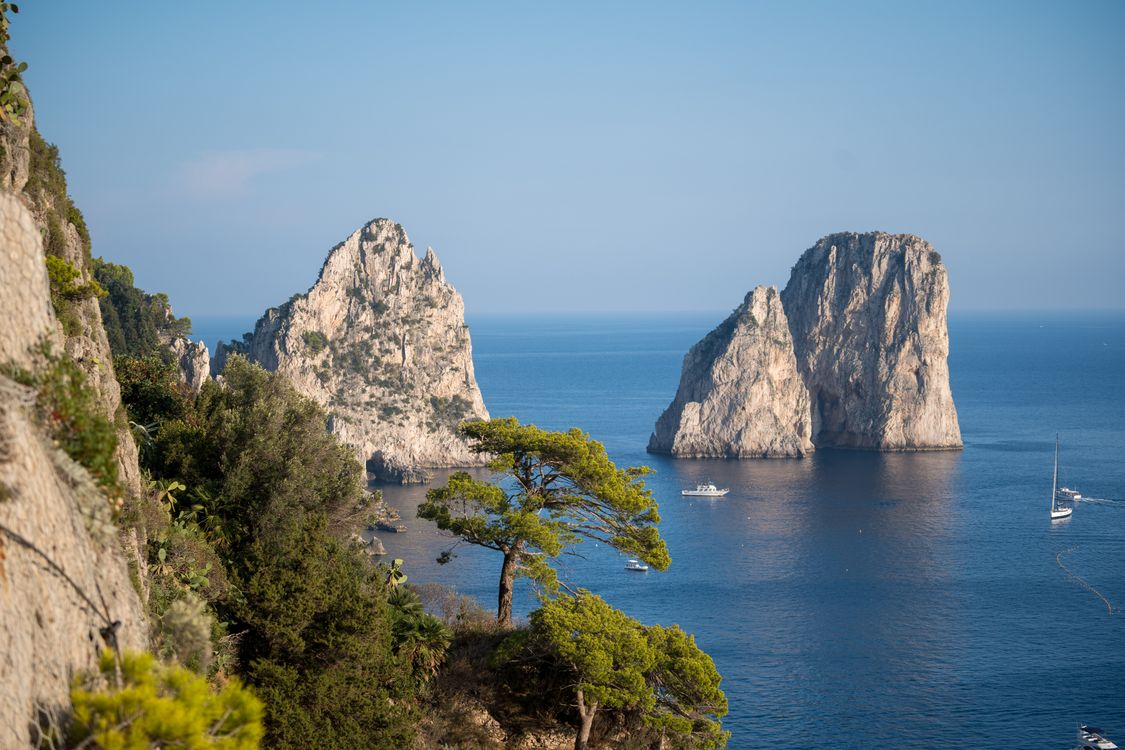
Capri wins for Blue Grotto drama, iconic scenery and celebrity appeal; Ischia wins for thermal spas, sandy beaches and value for money.
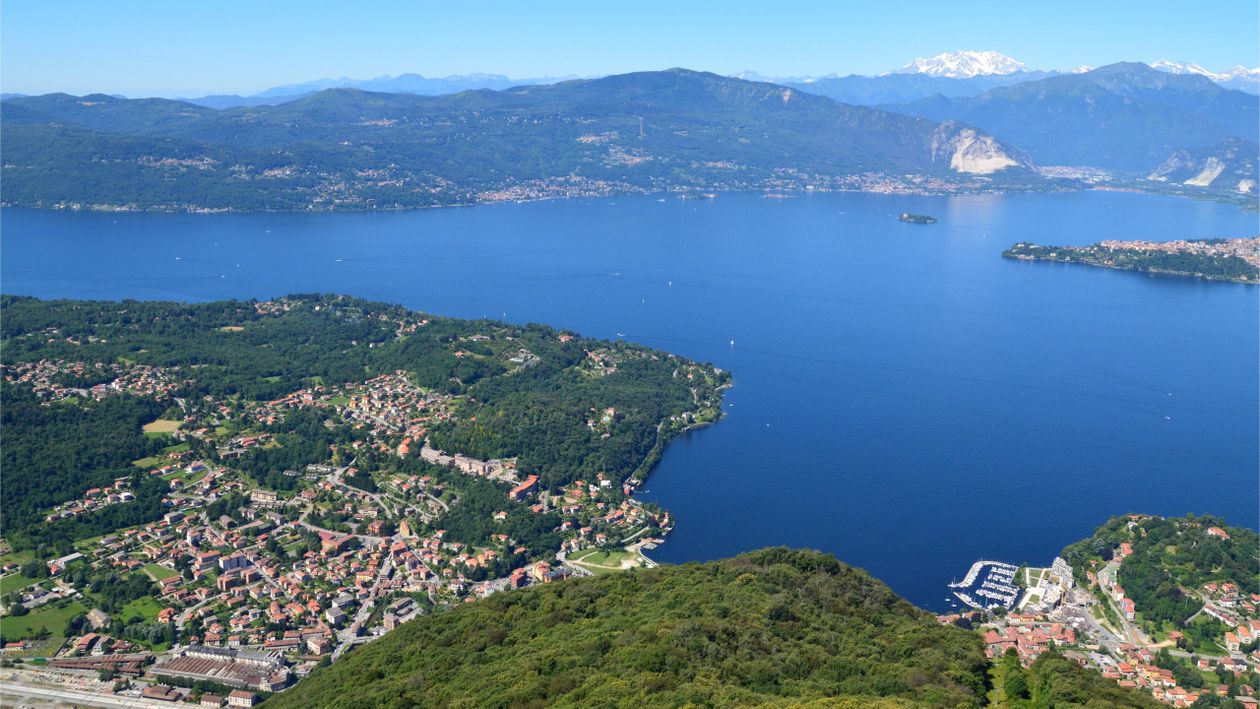
Lake Como wins for drama and celebrity appeal; Lake Maggiore wins for the Borromean Islands, Stresa town and easier access from Milan or Turin.
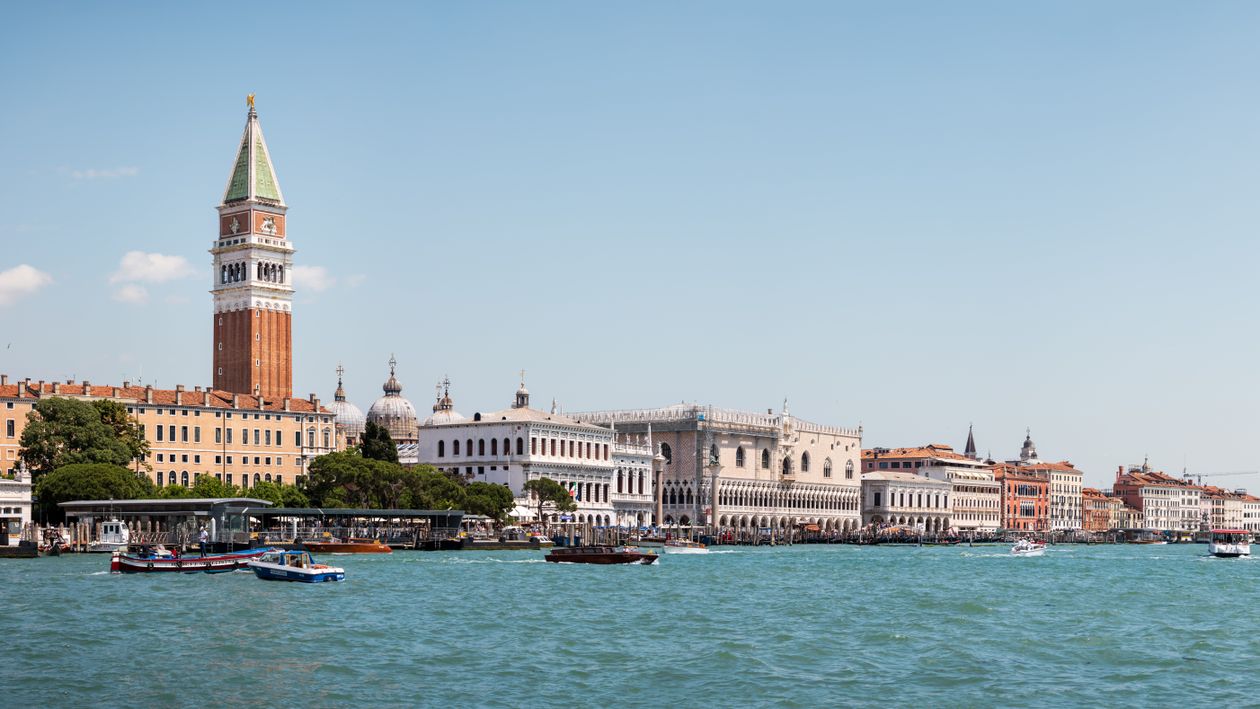
Rome wins for ancient history, food variety and value; Venice wins for uniqueness, canals and romance. We compare costs, crowds and what to skip in each.
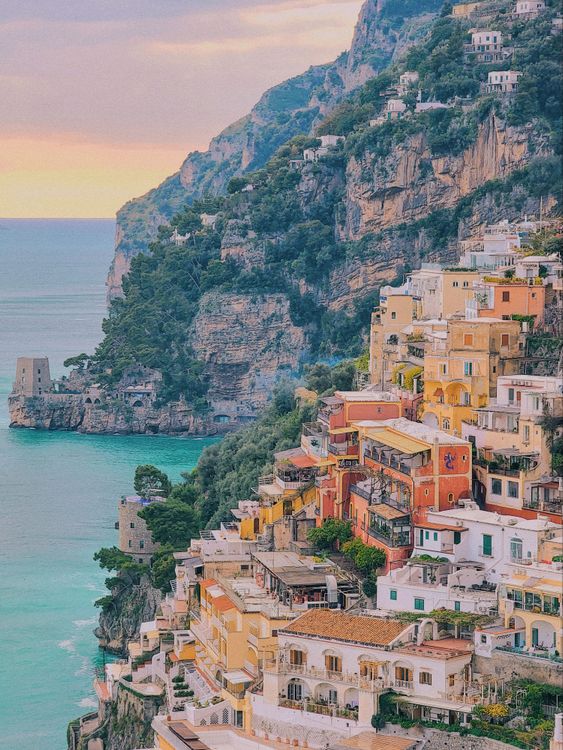
Sorrento wins for value, transport links and nightlife; Positano wins for scenery and romance. We compare costs, beaches and which suits your trip.
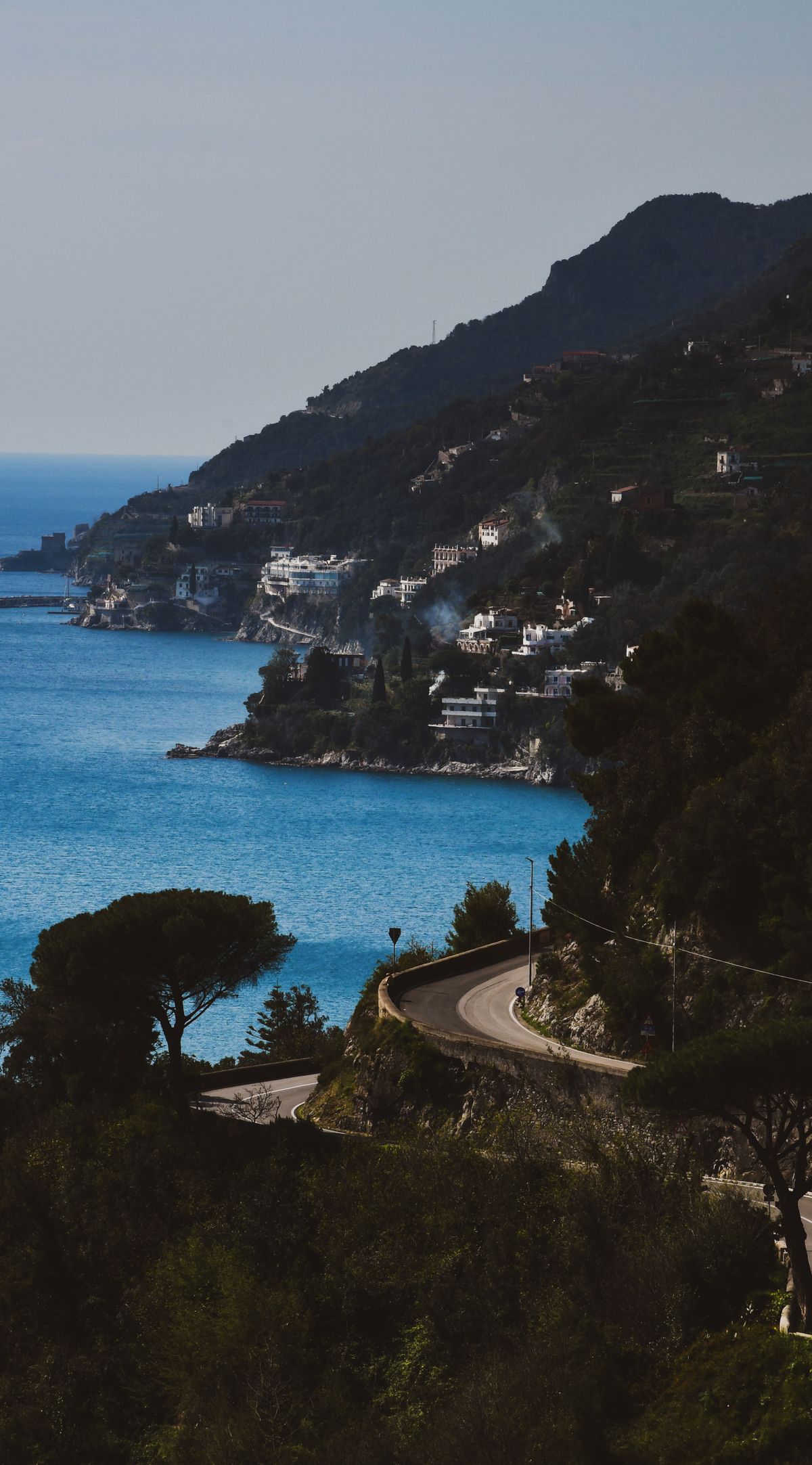
No direct train serves the Amalfi Coast. The fastest route: Frecciarossa to Naples (70 min), then SITA bus or ferry to Amalfi or Positano.
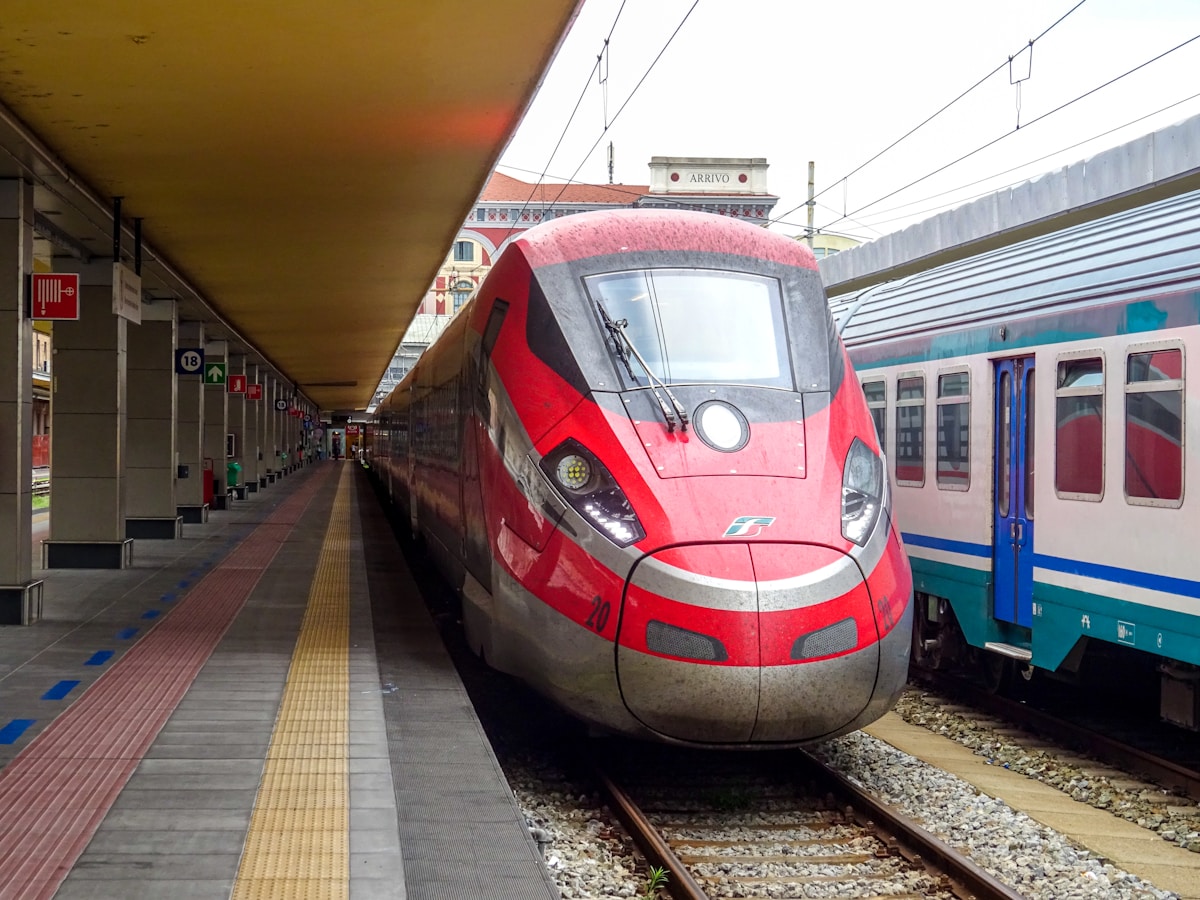
Rome to Florence by Frecciarossa takes 85 minutes from Termini to Santa Maria Novella. Trains run 30+ times daily from €19 booked in advance.
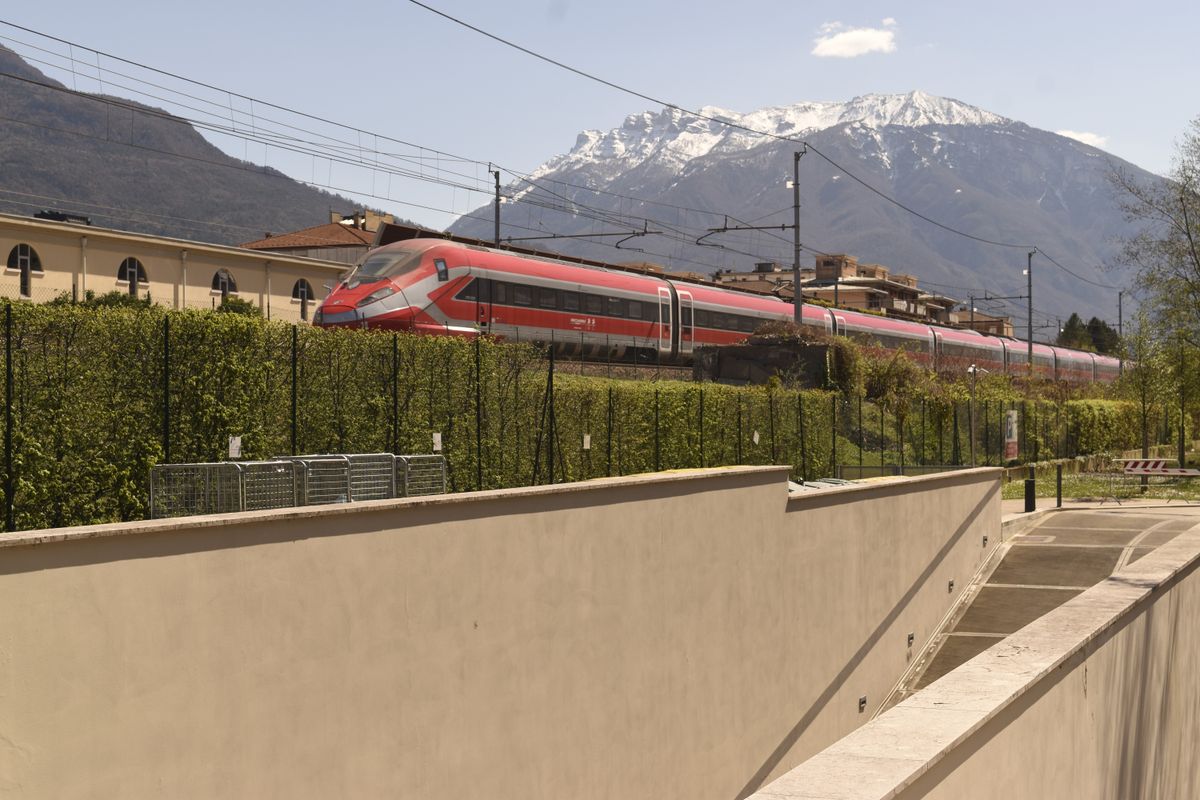
Venice to Florence by high-speed train takes under 2 hours from Santa Lucia to Santa Maria Novella. Trains run hourly from €15 booked ahead.
eSIM for Italy: Airalo plans from $5, TIM and Vodafone networks, full EU coverage included. Install before you fly - no airport queue needed.

Compare Florence Peretola (FLR) airport transfer options: T2 tram, taxi, and private car with prices, timetables, and arrival planning tips.
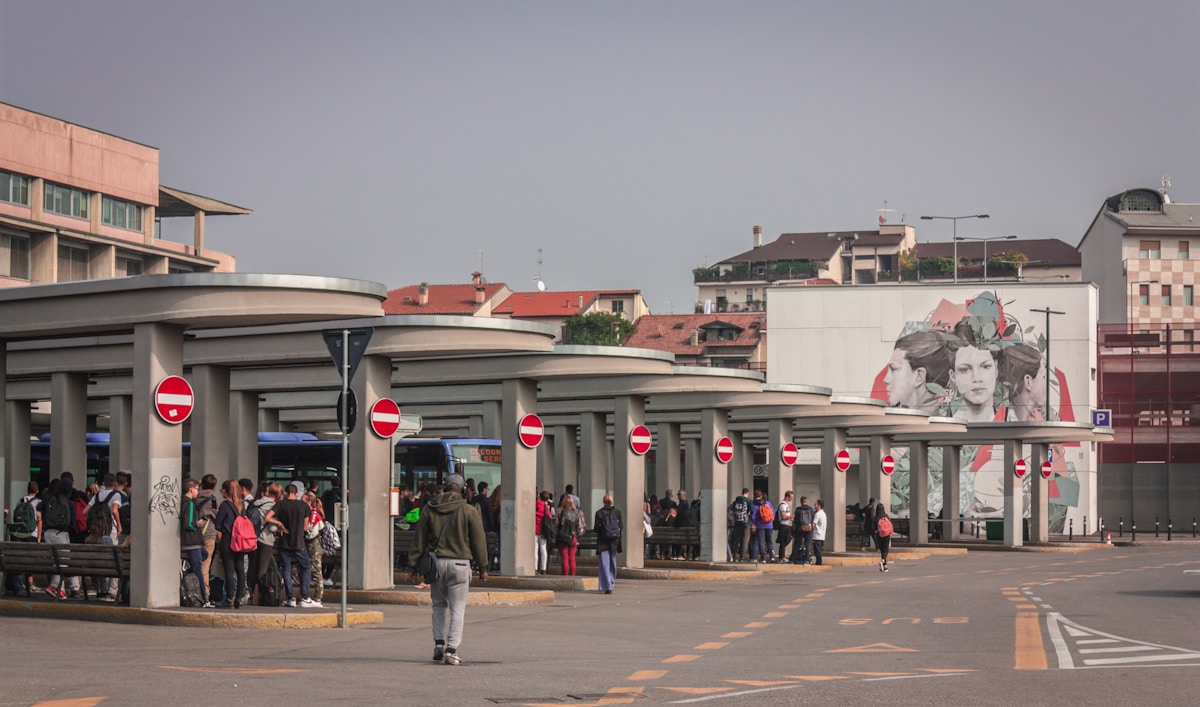
Plan your transfer from Bergamo Orio al Serio (BGY) to Milan: shuttle bus, train connection, and taxi compared with prices, journey times, and routes.
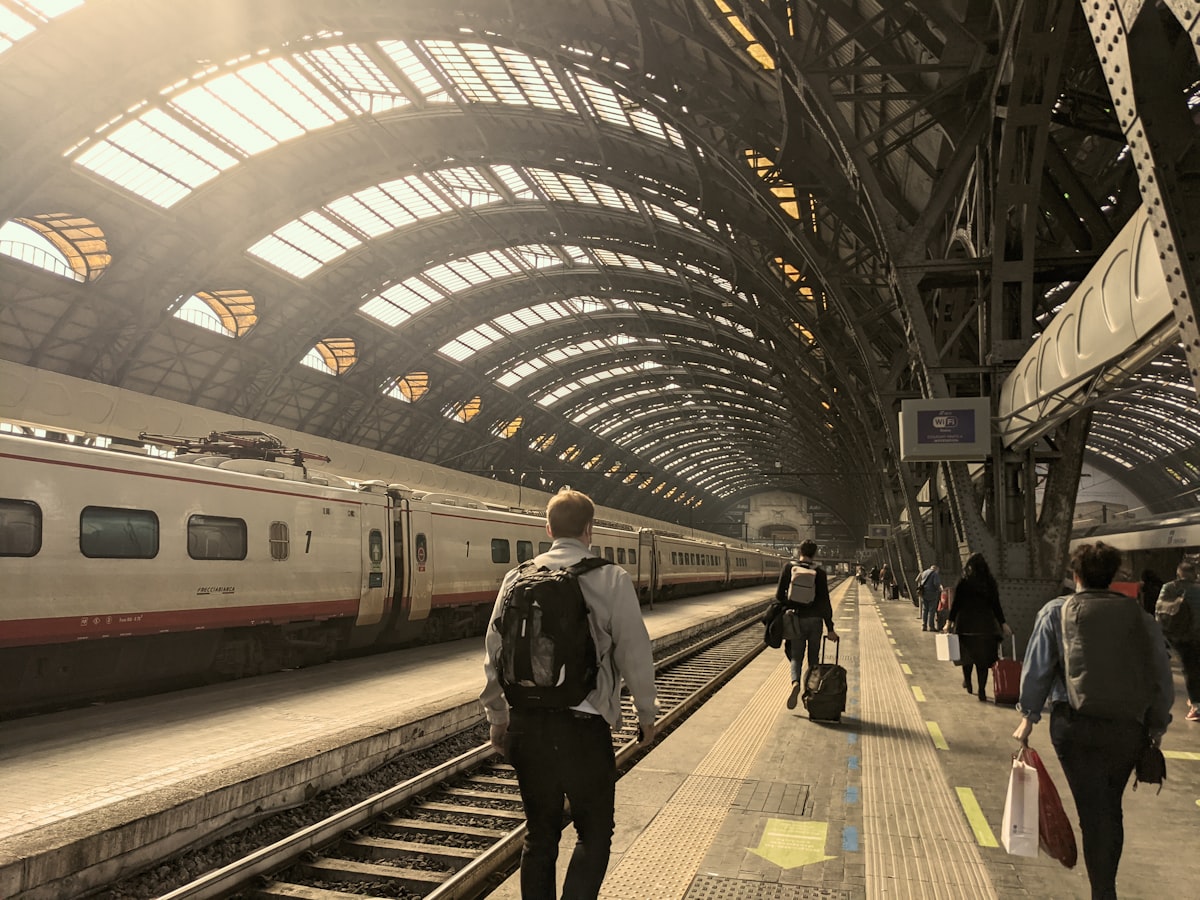
Compare Milan Malpensa (MXP) airport transfer options: Malpensa Express, shuttle bus, and taxi with prices, schedules, and journey times to the city.
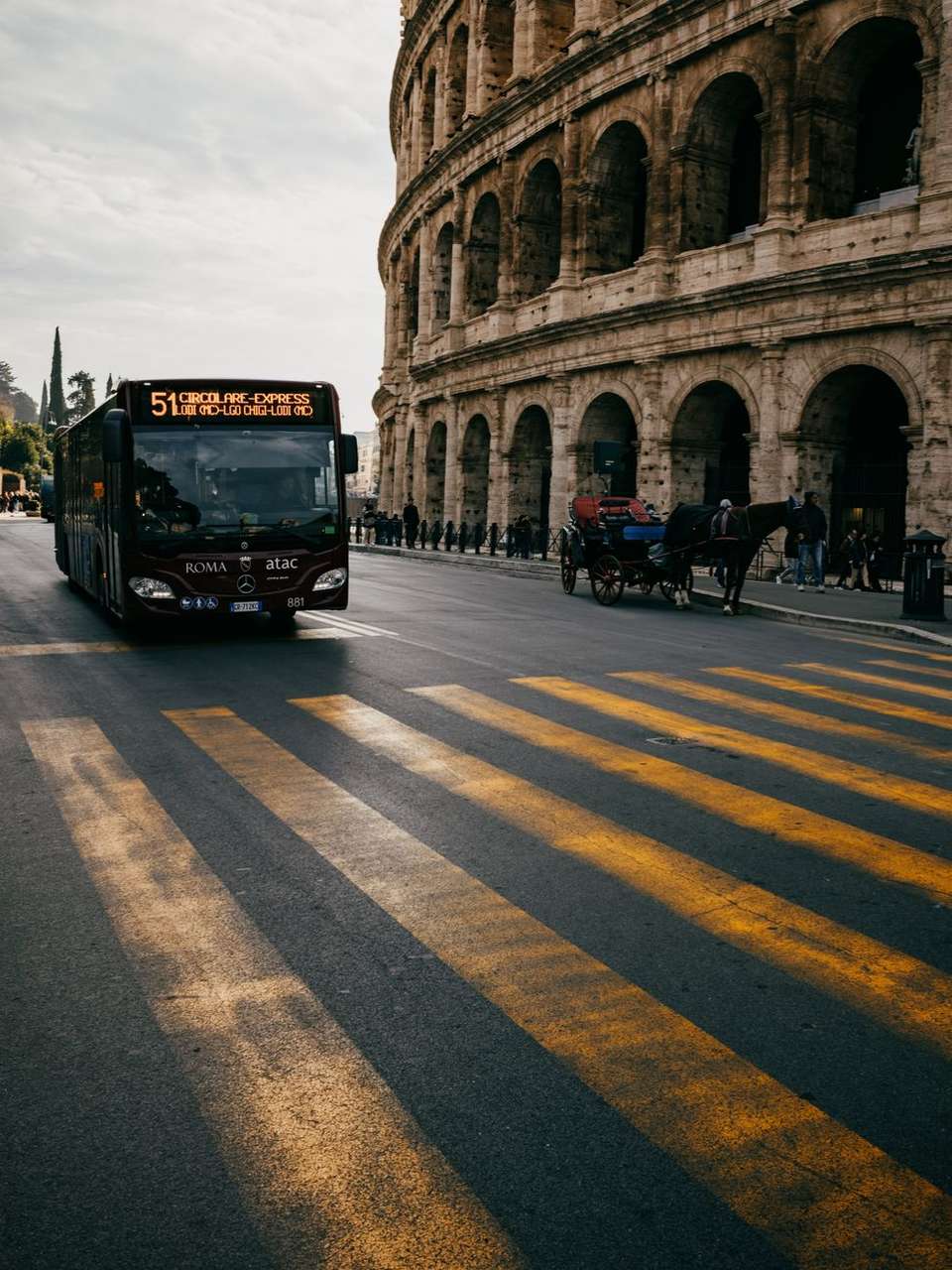
Compare Rome Ciampino (CIA) transfer options: shuttle bus, taxi, and train - with prices, journey times, and tips for Ryanair arrivals.
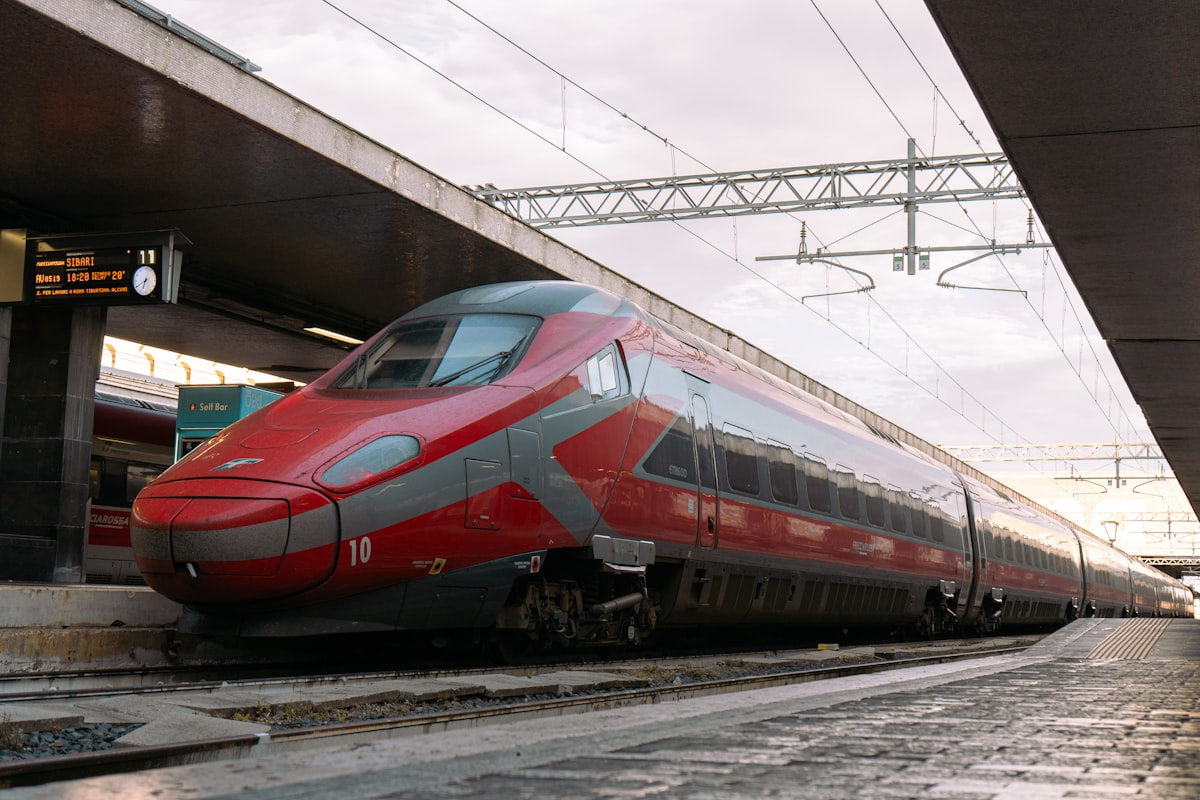
Compare Rome Fiumicino (FCO) transfer options: Leonardo Express, FL1 train, taxi, and bus with prices, schedules, and journey times to the city.
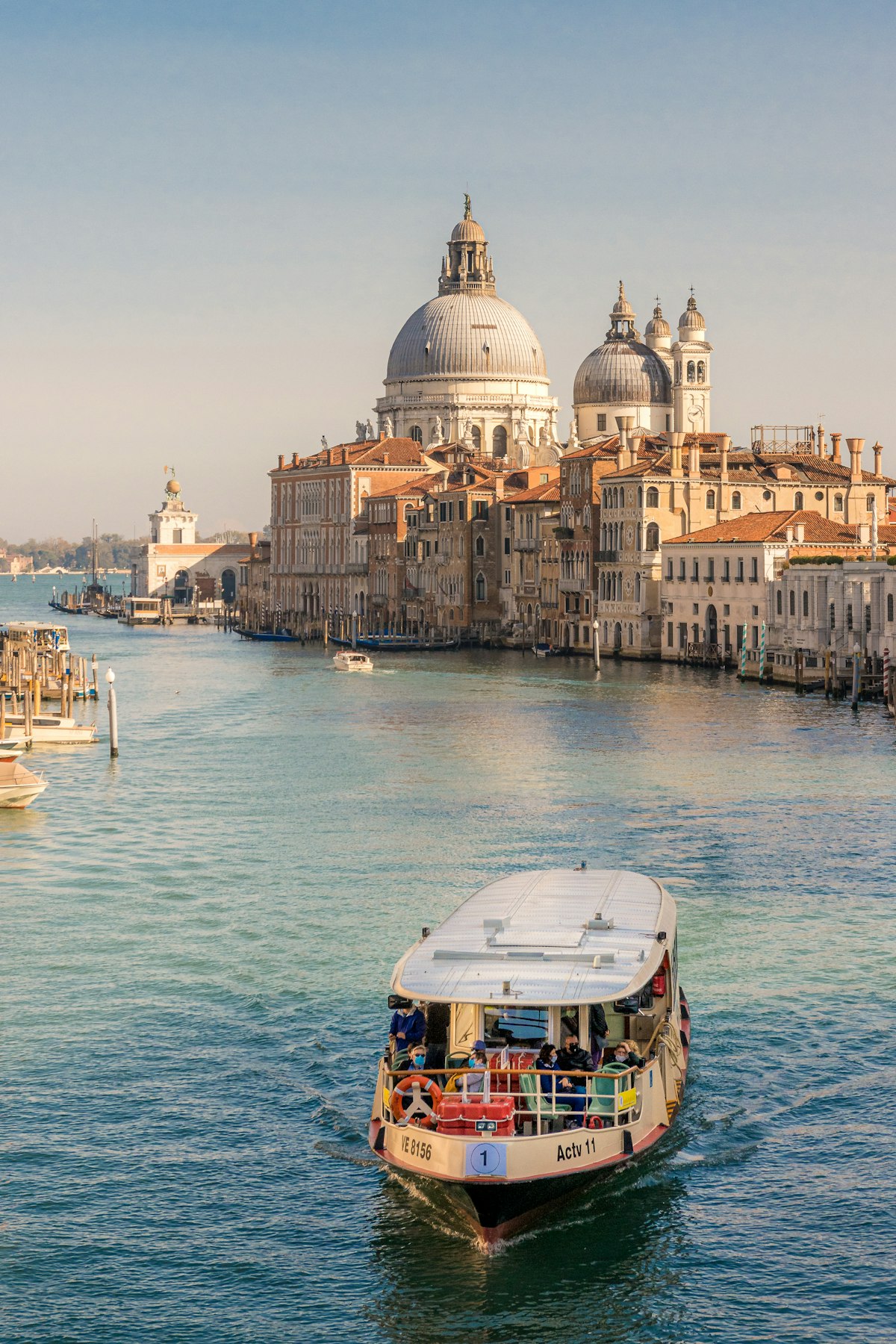
Compare Venice Marco Polo (VCE) transfer options: Alilaguna boat, private water taxi, and ATVO bus with prices, journey times, and arrival tips.

Skiing, snowshoeing, rifugio lunches, and après-ski across the Dolomites - Cortina, Alta Badia, and Val Gardena - at their best from December to March.
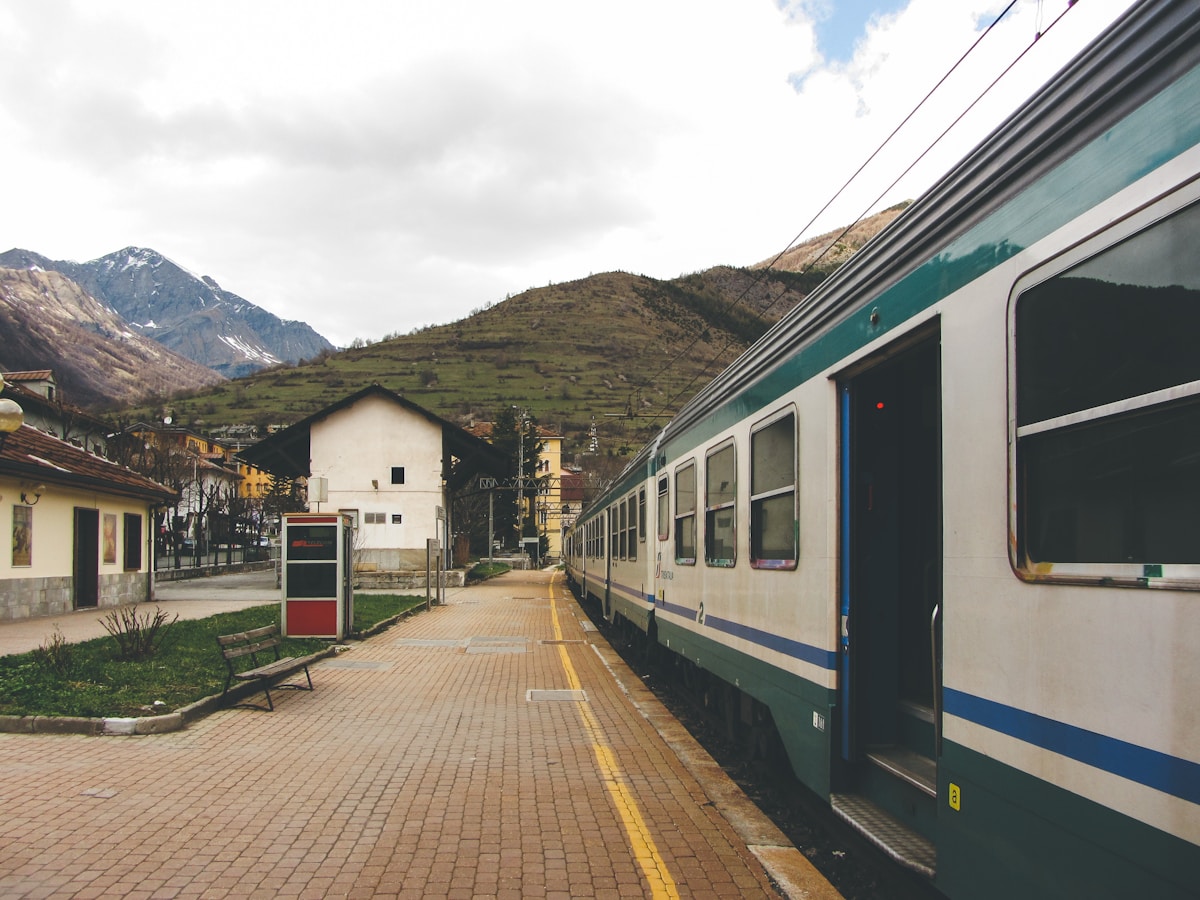
1 week covers Rome, Florence, and Venice. 2 weeks adds Naples, Amalfi, or Tuscany. 3 weeks lets you slow down. Here's how to plan each trip length.

Italy costs vary by city and style. Budget travelers spend €60-80/day, mid-range €120-180/day, luxury €300+. Here's what each tier gets you.

Italy is safe for tourists - but the risks vary by city. Here's what's real: pickpockets, scams, solo female travel, and which neighbourhoods to watch.
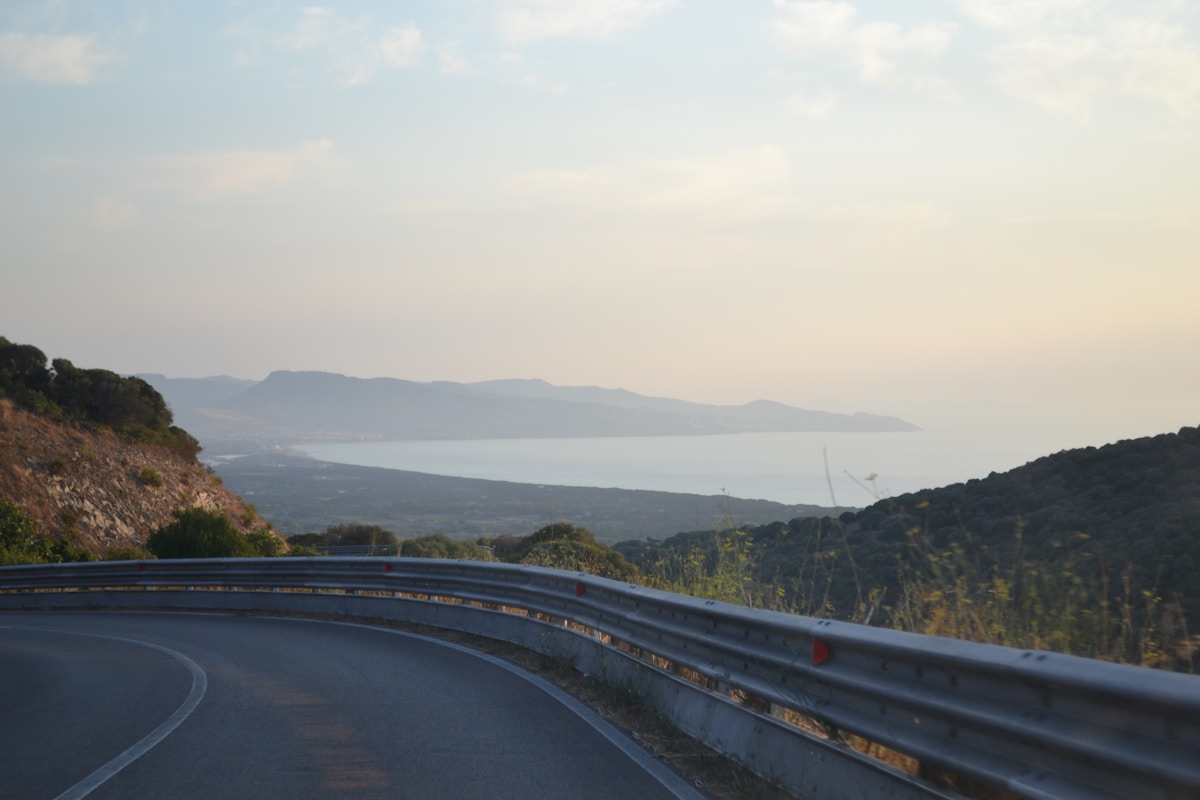
Rent a car in Sardinia: Costa Smeralda, Ogliastra, and Gennargentu by road. Airport pickup from Olbia and Cagliari, driving distances, and prices.

Rent a car in Sicily: PMO and CTA airport pickup, the best road trip route, ZTL zones, narrow roads, and price estimates.

Rent a car in Tuscany to explore Chianti wine routes and hill towns. Florence and Pisa airport pickup, ZTL fines explained, driving tips and prices.

Month-by-month guide to Italy's biggest festivals: Carnevale, the Palio, Verona opera, harvest fairs, and Christmas markets across the country.

Complete first-timer's guide to Italy - where to go, how to get around, tipping, safety, SIM cards, and a sample 10-day itinerary to get you started.

Italy health guide: vaccinations, EHIC/GHIC, travel insurance, pharmacies, emergency numbers, and what to watch for in summer and the Dolomites.

Italy honeymoon guide: top romantic regions compared - Amalfi Coast, Venice, Tuscany - with best travel months and realistic budget tiers per destination.

Practical budget travel guide for Italy - daily spend targets, cheap sleep picks, where to eat well for under €15, and free things to do.

Italy packing guide by season: city essentials, beach kit, and Dolomites hiking gear. Church dress codes, cobblestone shoes, and gear lists by trip type.

Book Italy attraction tickets via Tiqets - Colosseum, Vatican, Uffizi and more. Instant confirmation, mobile tickets, free cancellation on most bookings.

Everything you need for a smooth family trip to Italy - best regions, kid-friendly activities, transport, dining, and accommodation tips.

Everything drivers need to know about Italy's ZTL restricted traffic zones - which cities have them, how fines work, and how to stay clear of trouble.

Italy's rail network explained: Trenitalia vs Italo, ticket types, speed tiers, regional trains, and the key routes worth booking ahead.
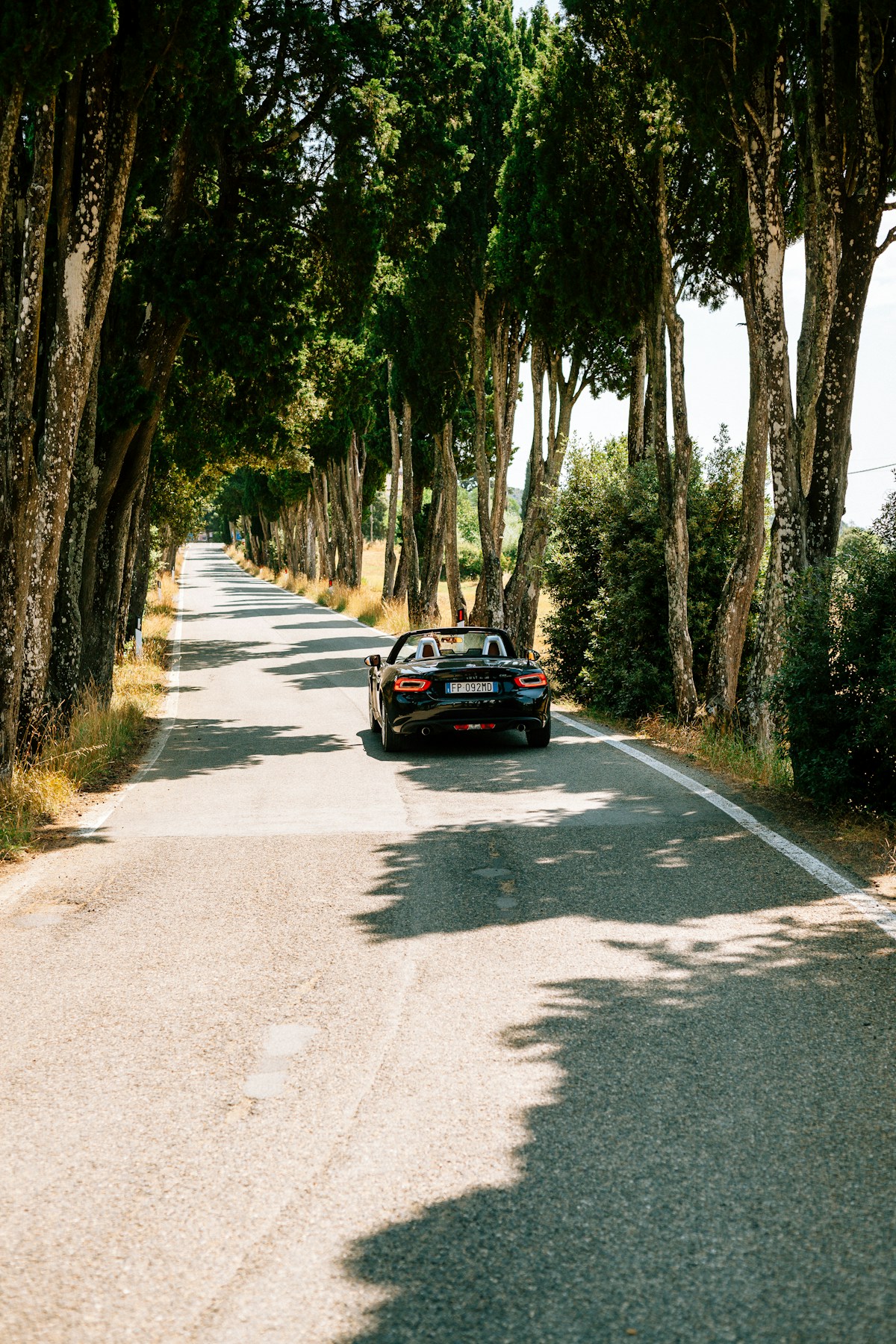
Everything you need to rent a car in Italy: ZTL zones, tolls, insurance, age rules, fuel types, airport counters, and the best routes to drive.
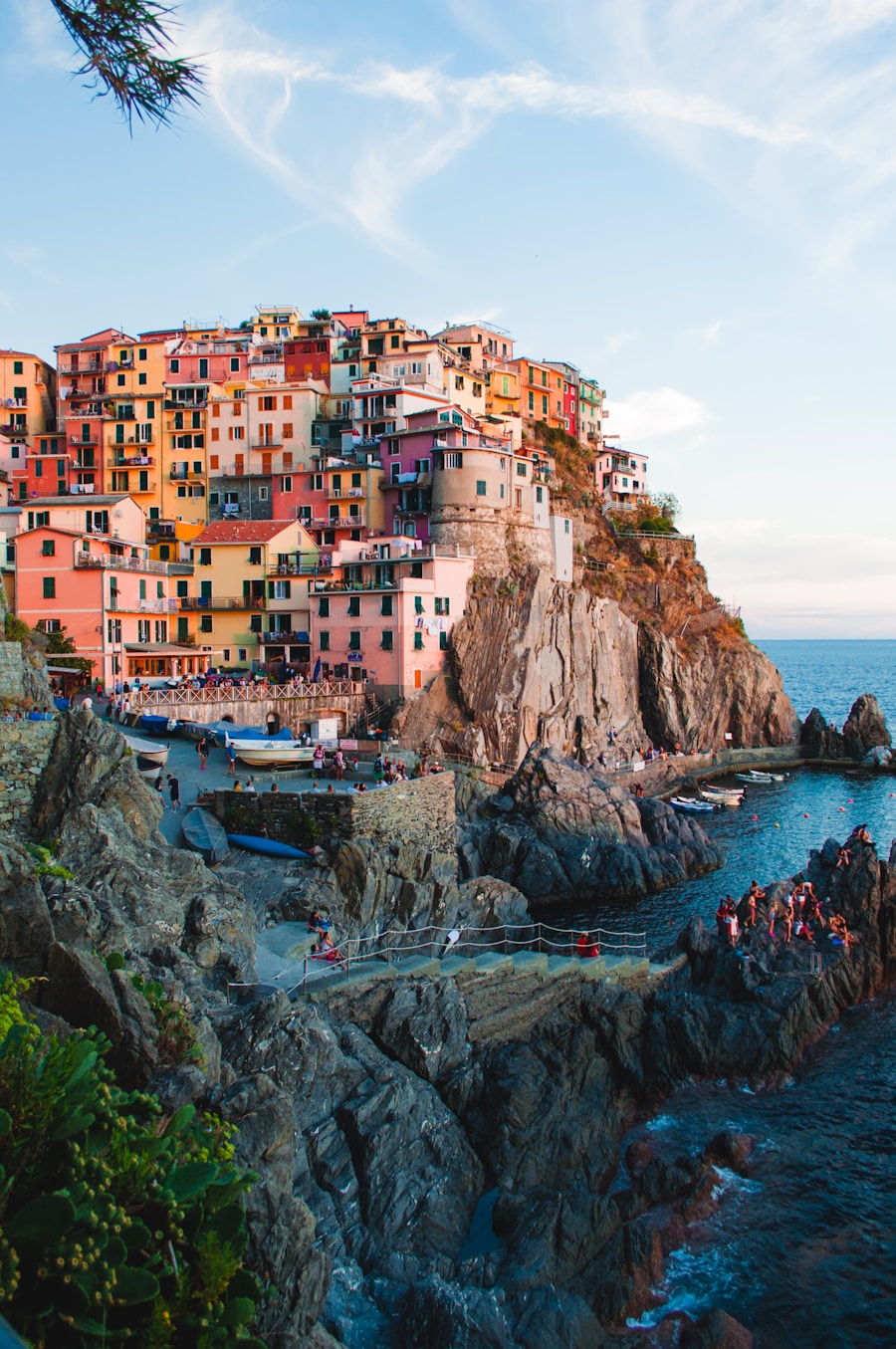
Amalfi Coast for dramatic coastal drives and fine dining; Cinque Terre for car-free village hiking. Season, costs and logistics compared.
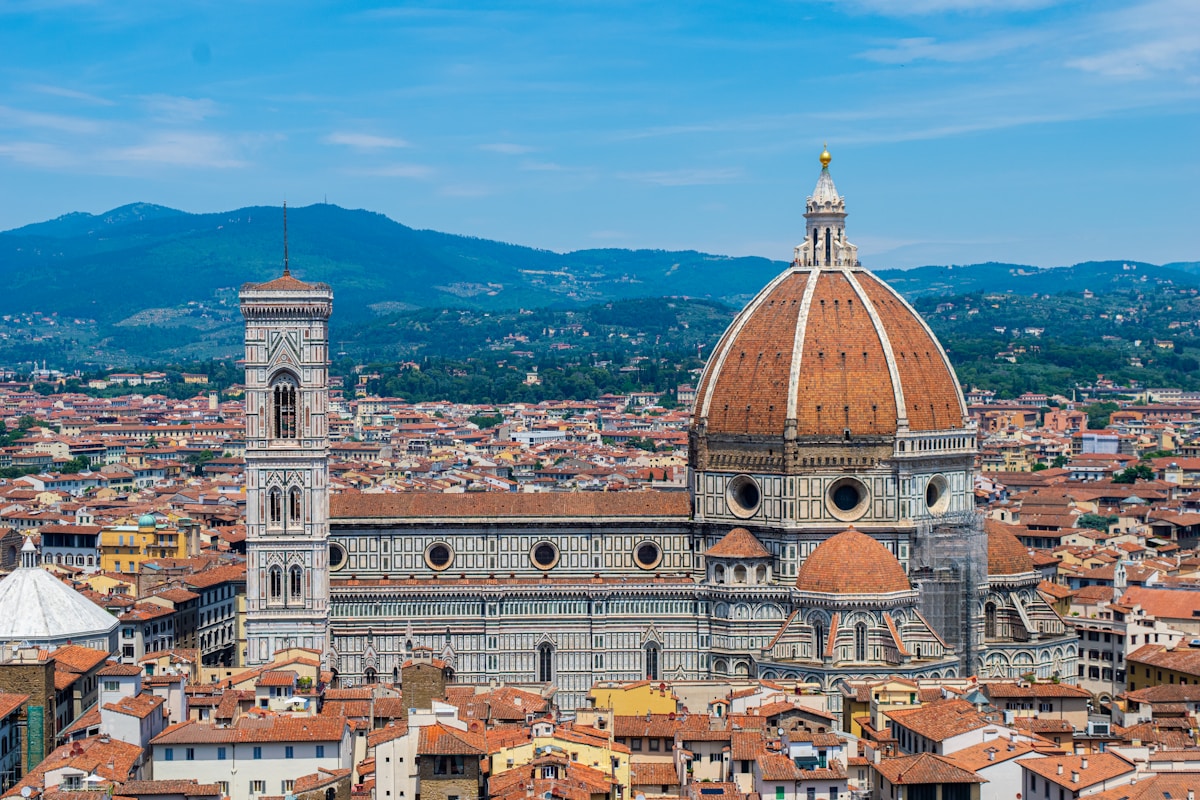
Bologna wins for food, fewer tourists and local life; Florence wins for art, the Uffizi and the Duomo. Costs, day trip options and which to choose.
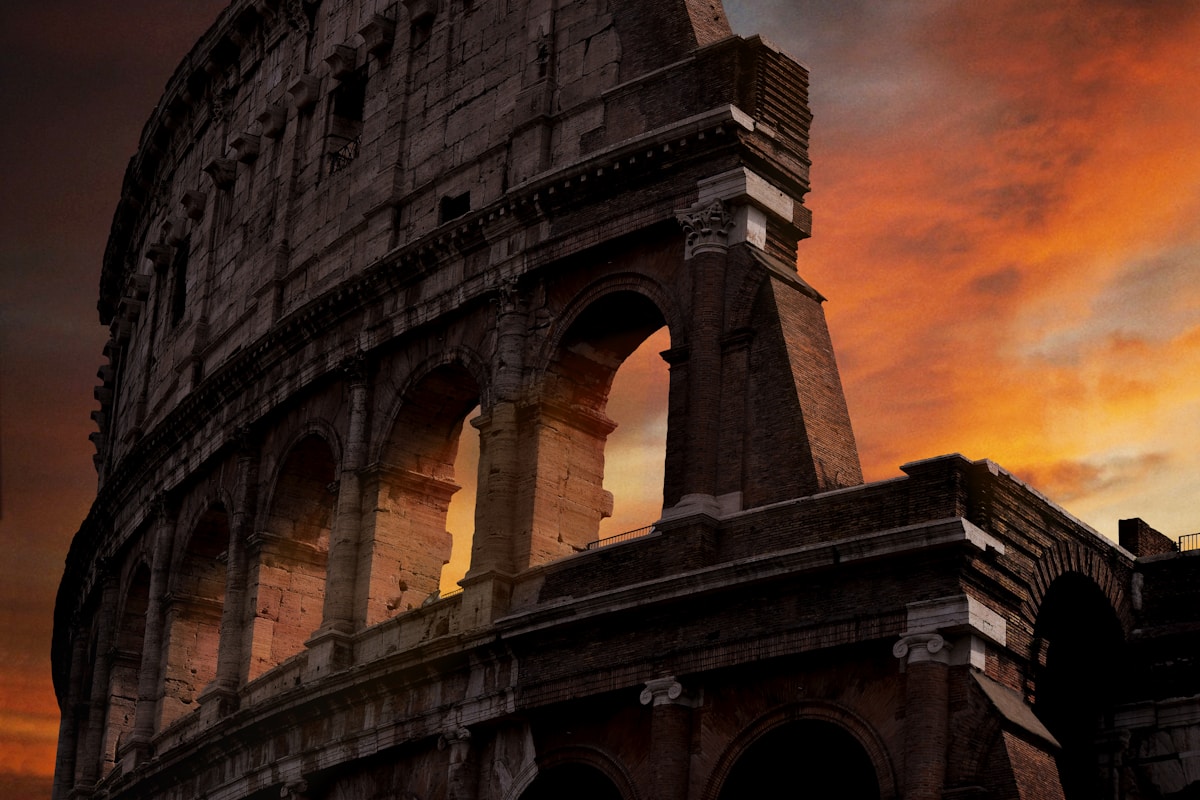
Italy wins for ancient history and pasta; Spain wins for budget beaches and nightlife. Both are brilliant - here's how to choose (or split your time).
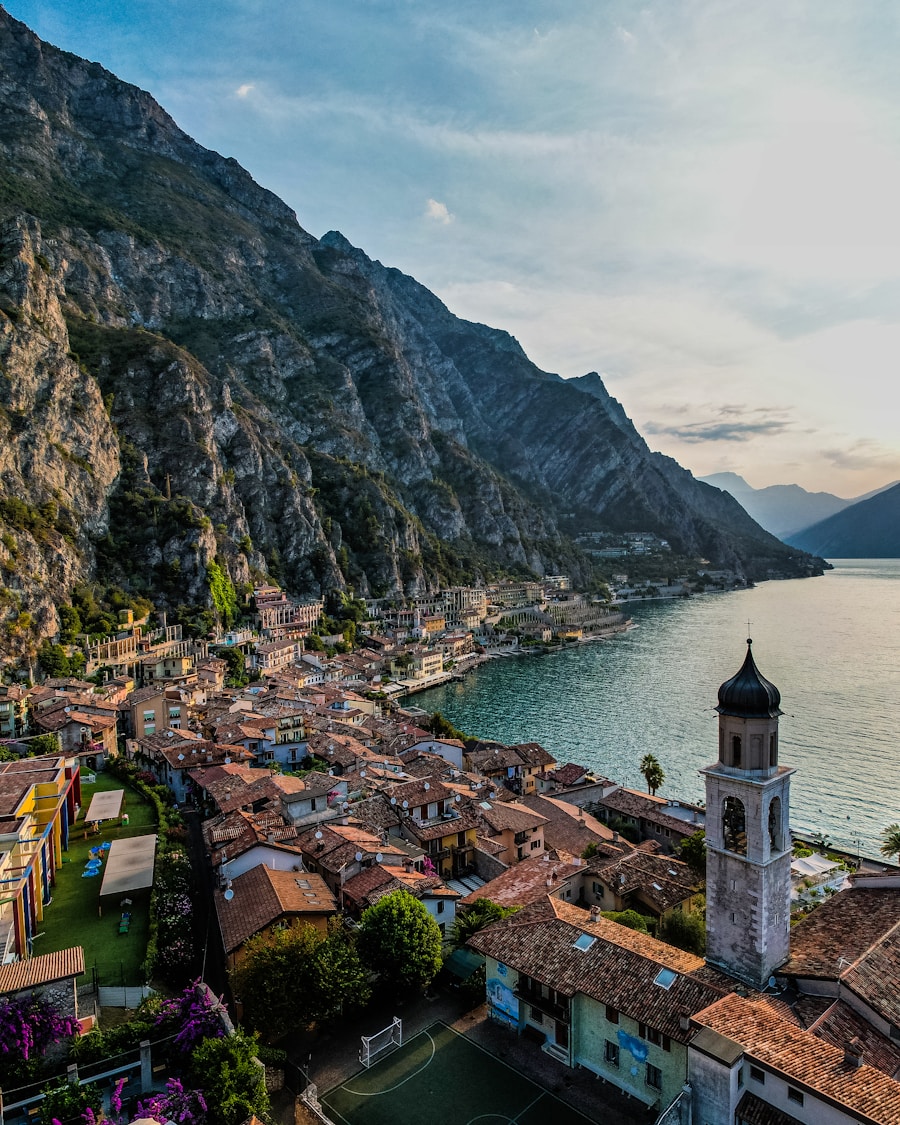
Lake Como is quieter and more dramatic; Lake Garda has more to do and costs less - families and active travellers win at Garda, romantics at Como.
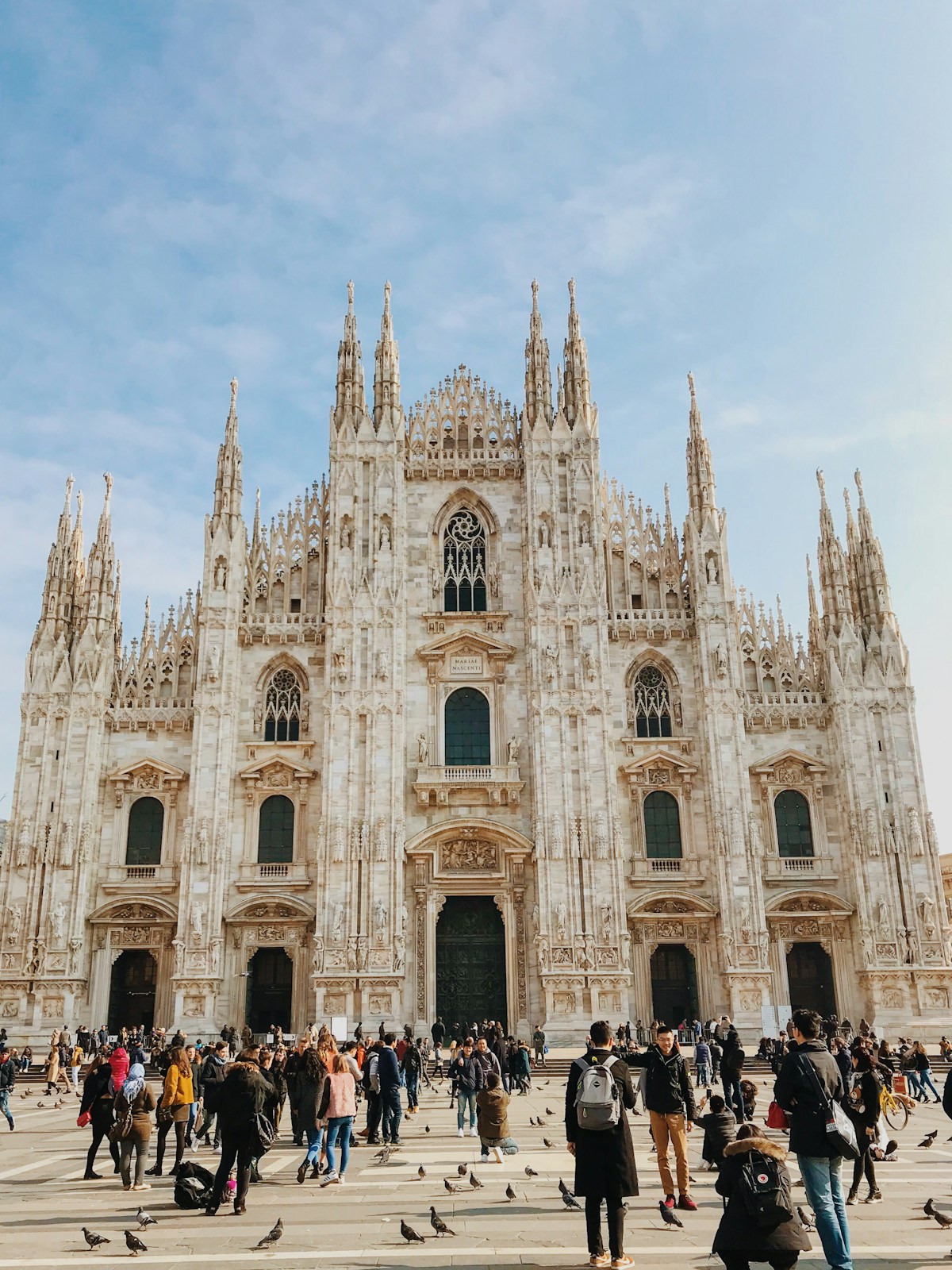
Milan wins for fashion and aperitivo; Rome wins for ancient history and street food. Costs from €90/day - plus how to combine both cities.
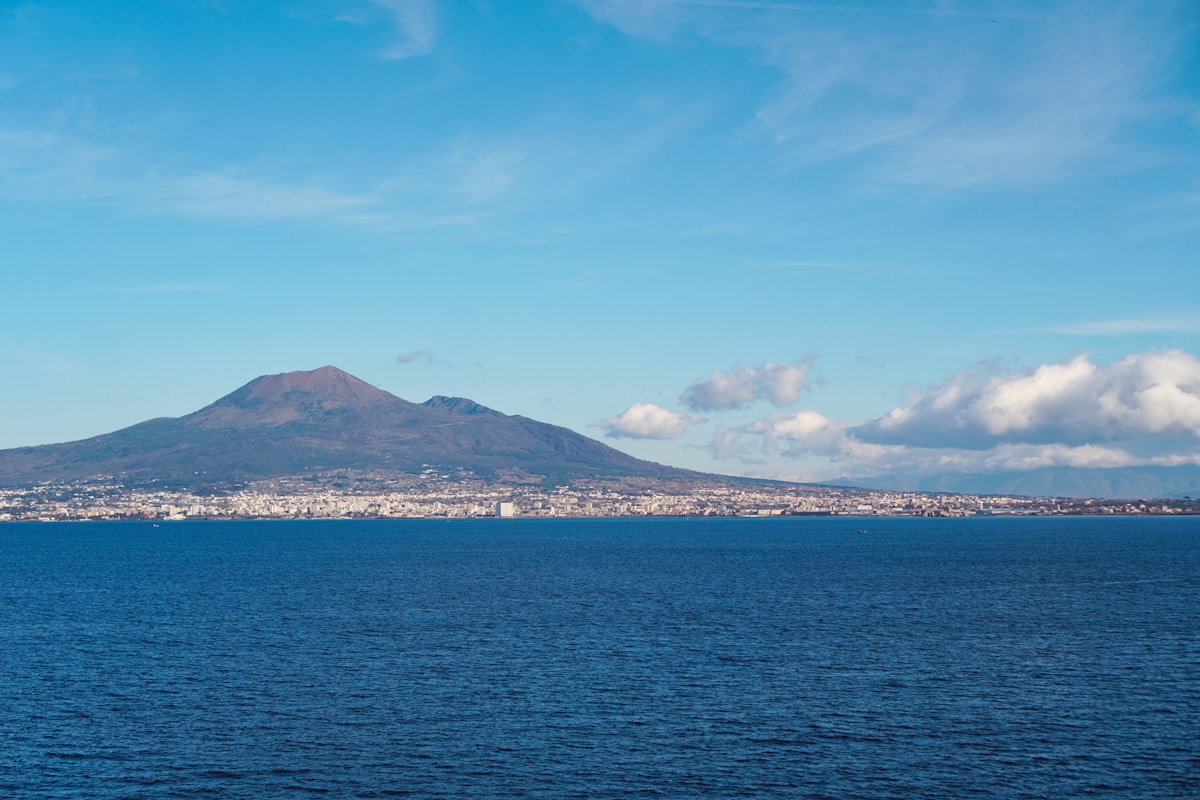
Naples wins on food, value and Pompeii access; Rome wins for monuments, the Vatican, and ancient history - a full head-to-head comparison.
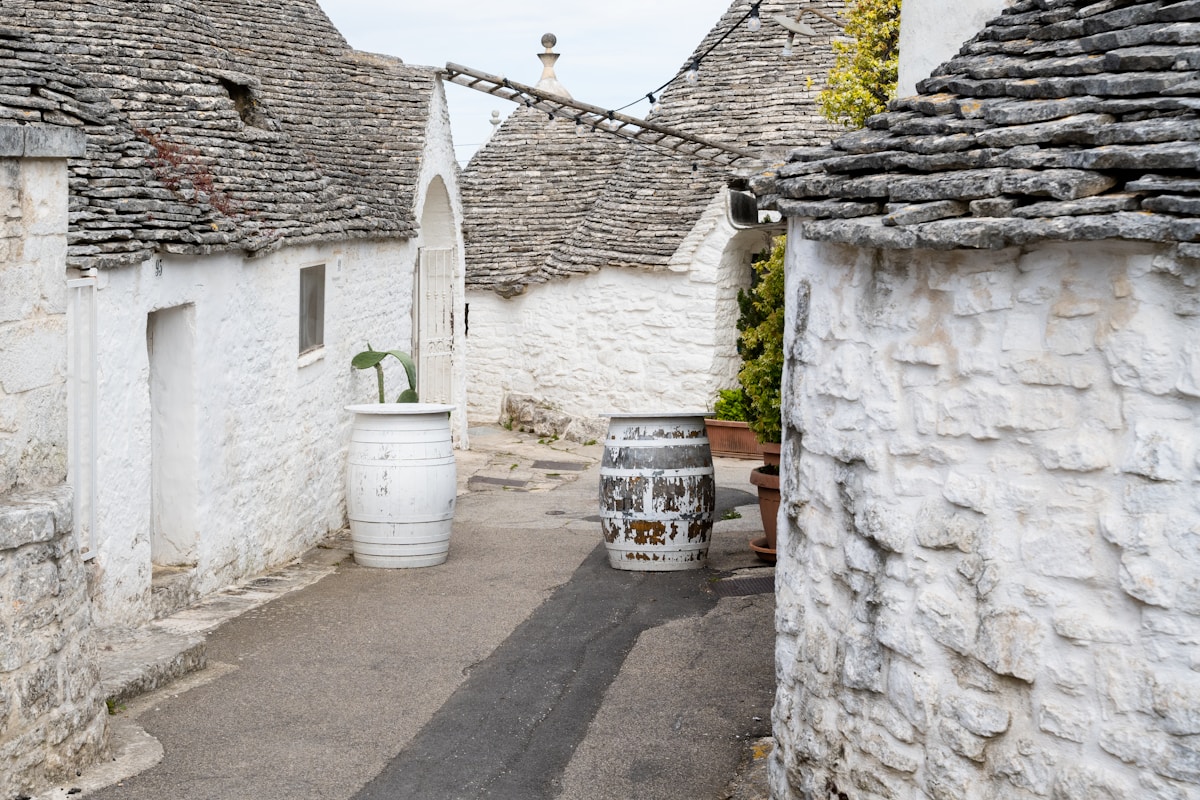
Puglia wins for beaches, trulli, baroque towns; Sicily wins for temples, Etna, street food - compare beaches, food, and costs.
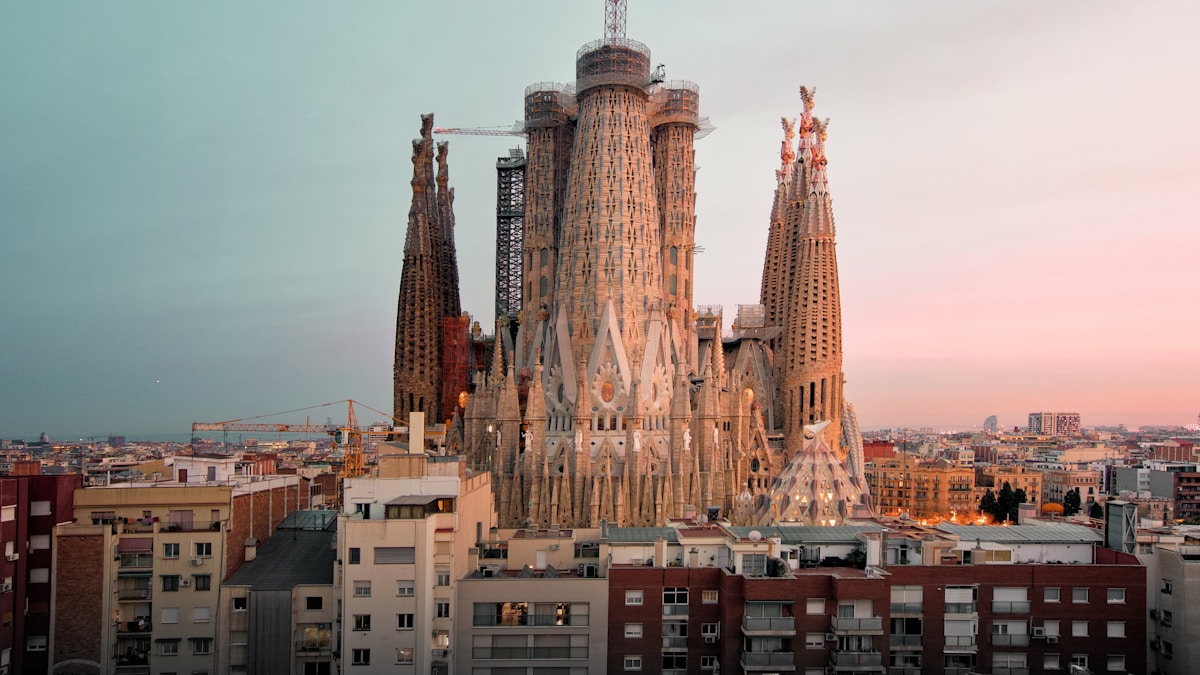
Rome has the Colosseum and 2,700 years of history; Barcelona has Gaudí, beaches, and nightlife. Rome wins for depth; Barcelona wins for fun.
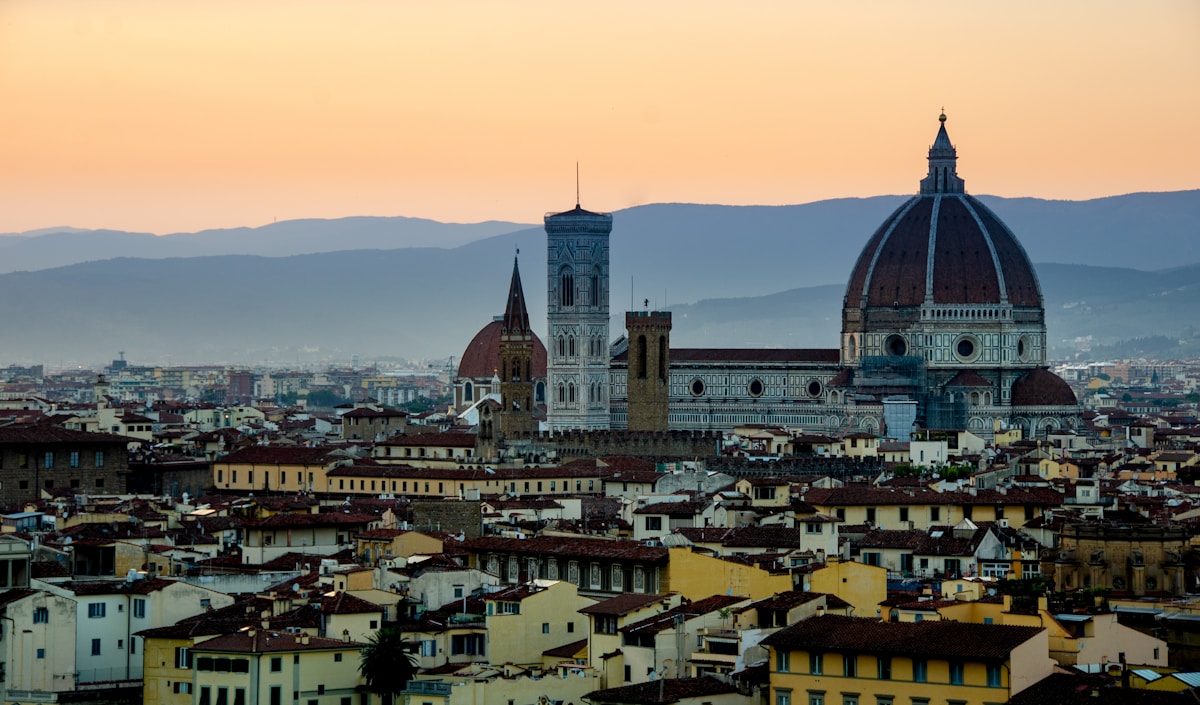
Rome wins for ancient history and scale; Florence wins for Renaissance art and a walkable centre. We compare costs, food and what to skip in each city.
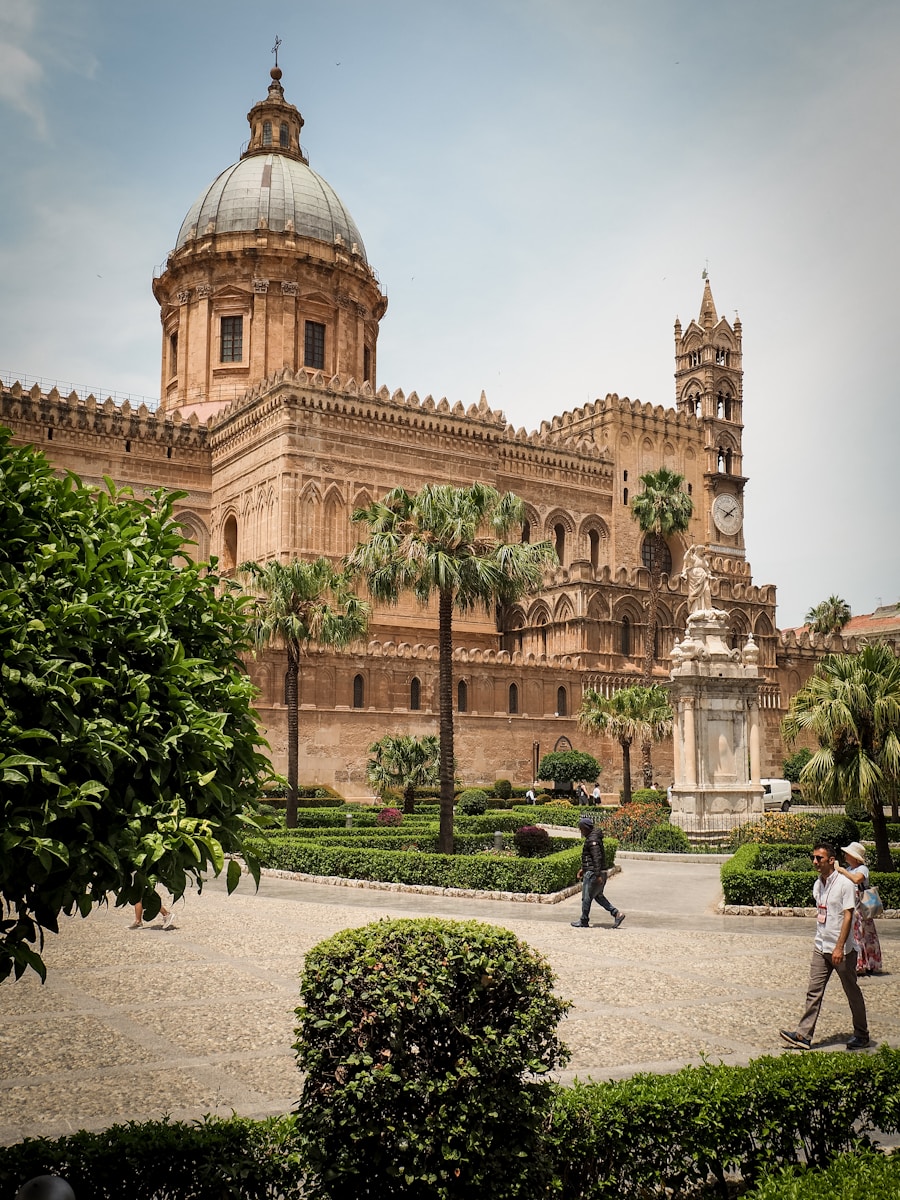
Sardinia for crystal-clear water and road trips; Sicily for ancient ruins and street food. Here's how the two largest Italian islands compare.
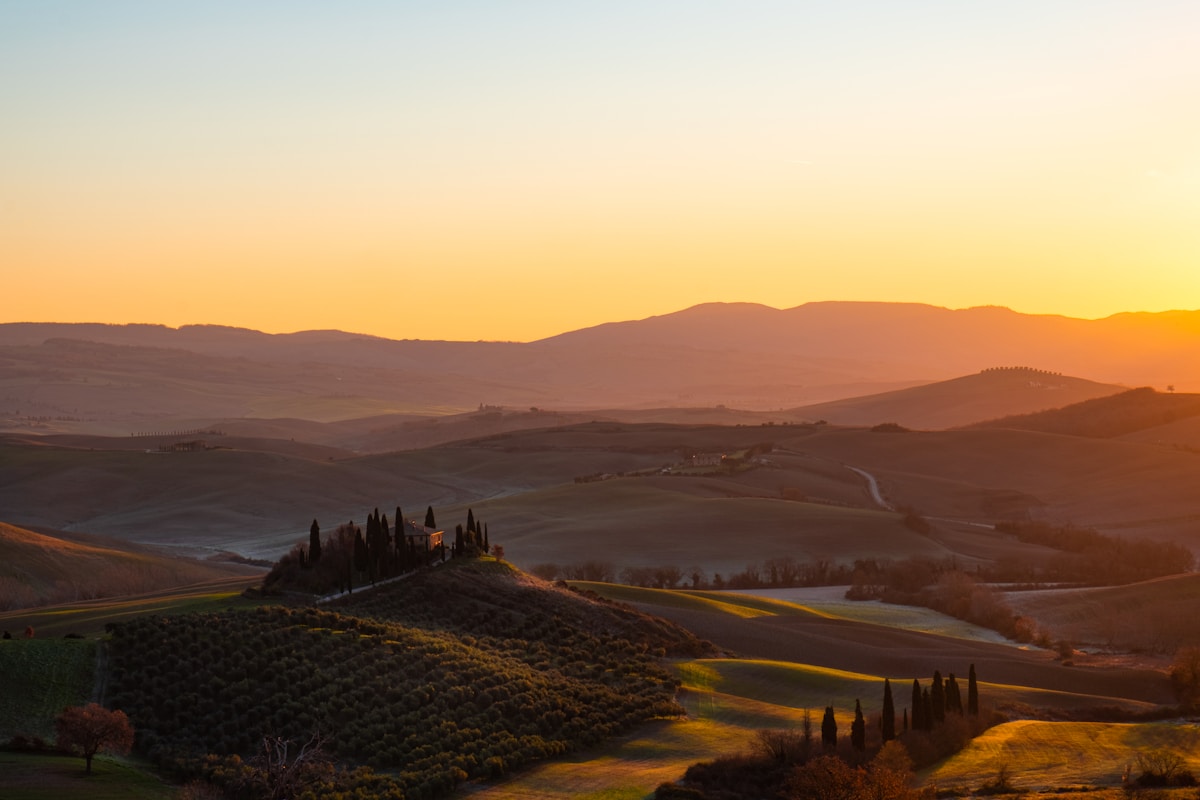
Tuscany wins for wine country and hilltop towns; Amalfi wins for cliffs and seaside drama. Tuscany suits slow trips; Amalfi suits scenic thrills.
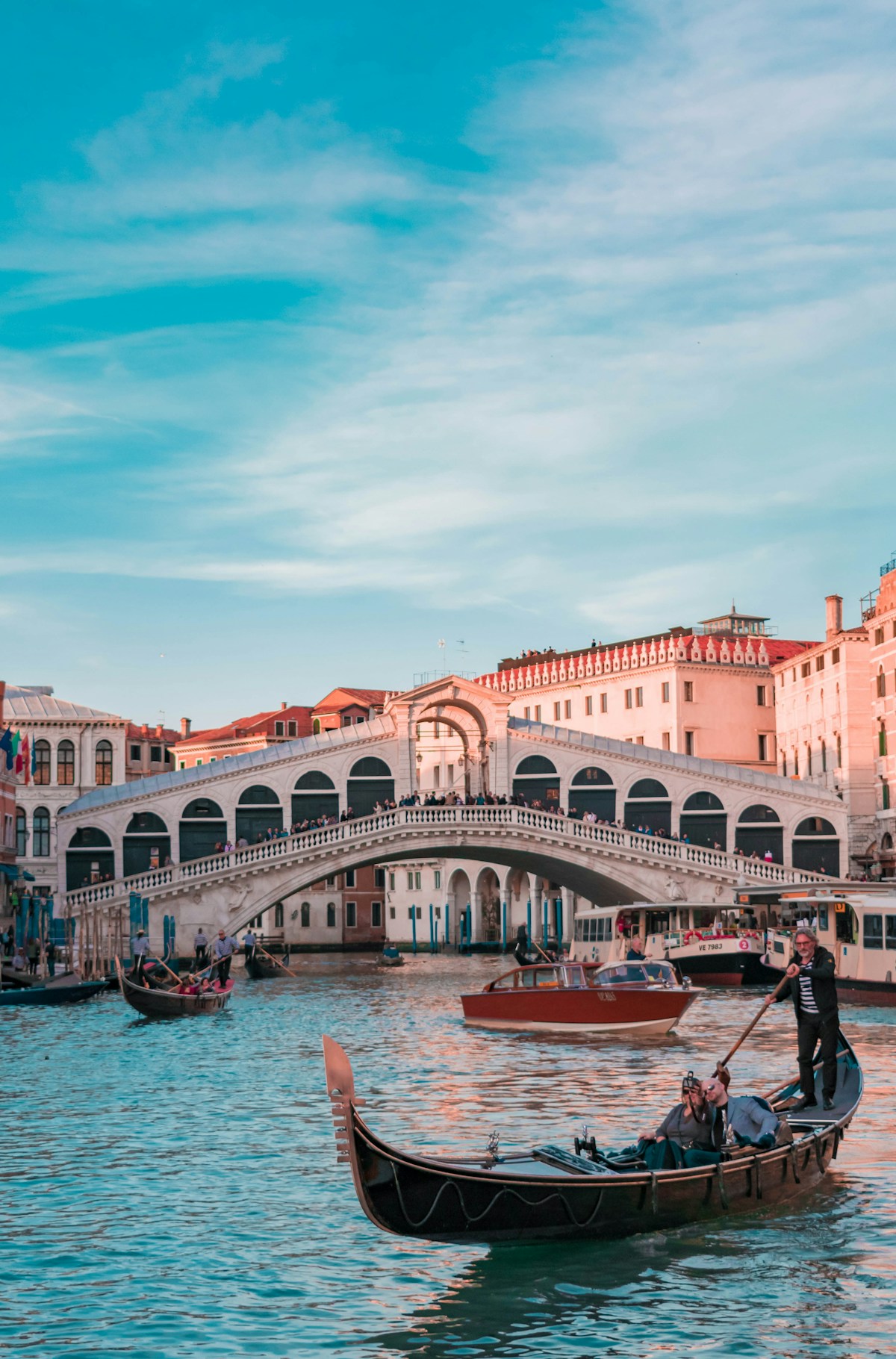
Venice wins for canals and atmosphere; Florence wins for Uffizi art and Tuscan food. Both earn an overnight - here's how to split your time.
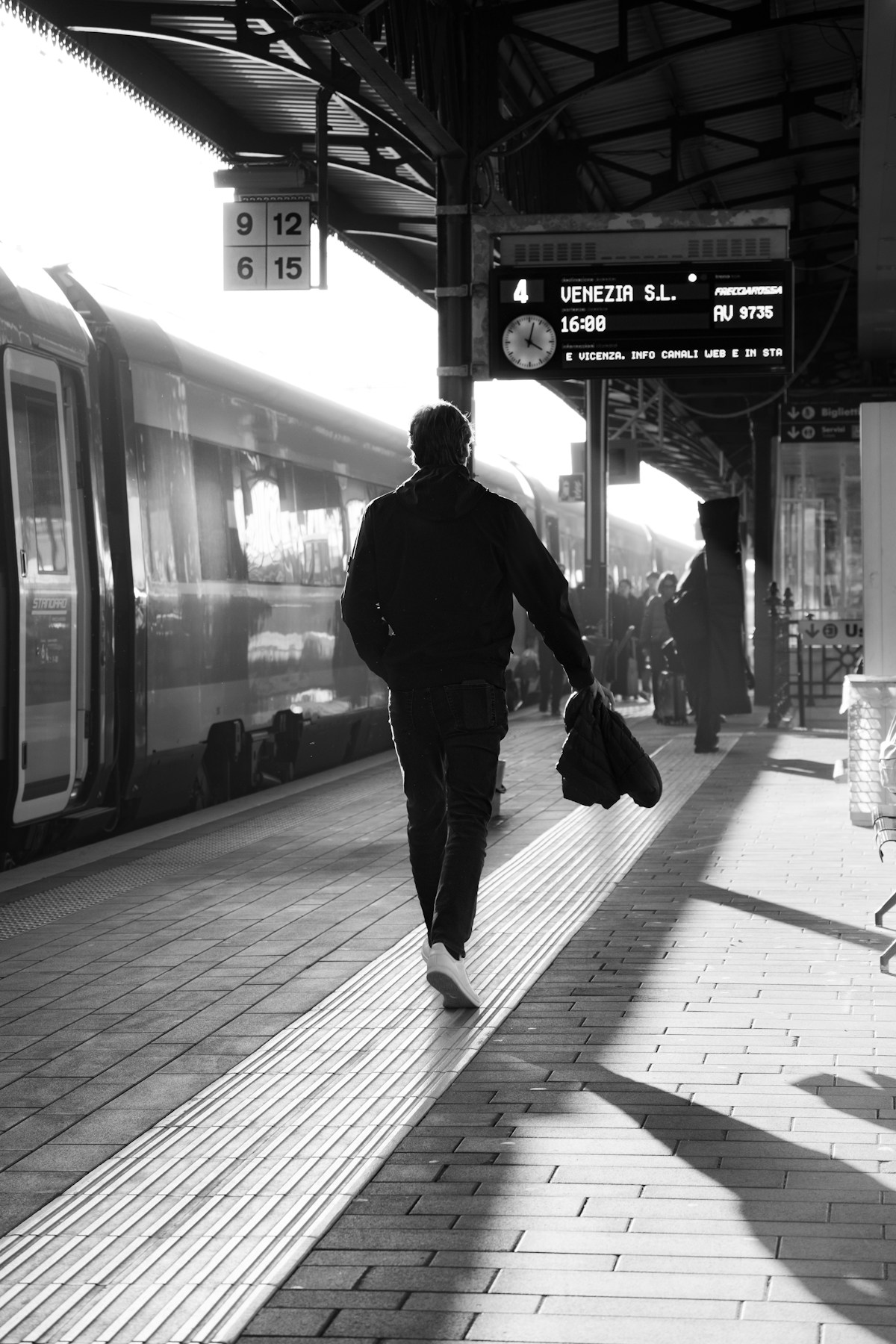
Italy transport strikes explained: guaranteed service windows, refund rights, upcoming strike dates to check, and a traveller's survival plan.
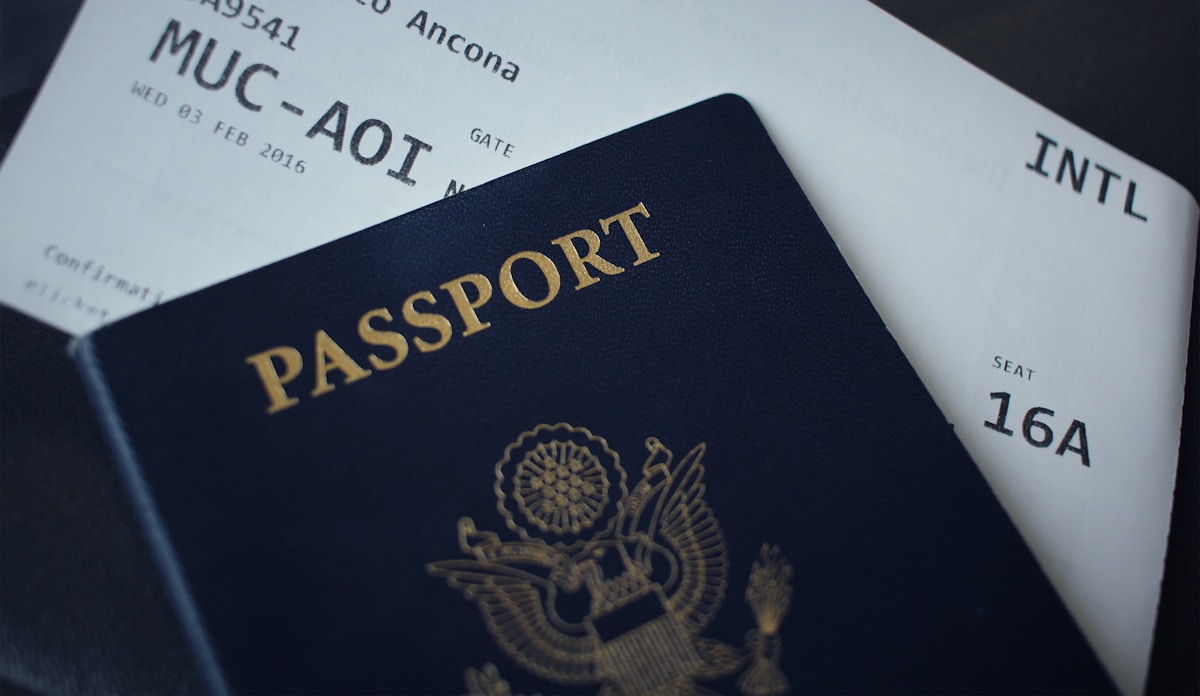
Who needs a visa for Italy - Schengen 90/180 rules, the new digital visa portal, EES biometric checks, ETIAS timeline, and how to apply.

Italian phrases for travellers: greetings, transport, food, accommodation, and emergencies, with pronunciation rules and etiquette tips.
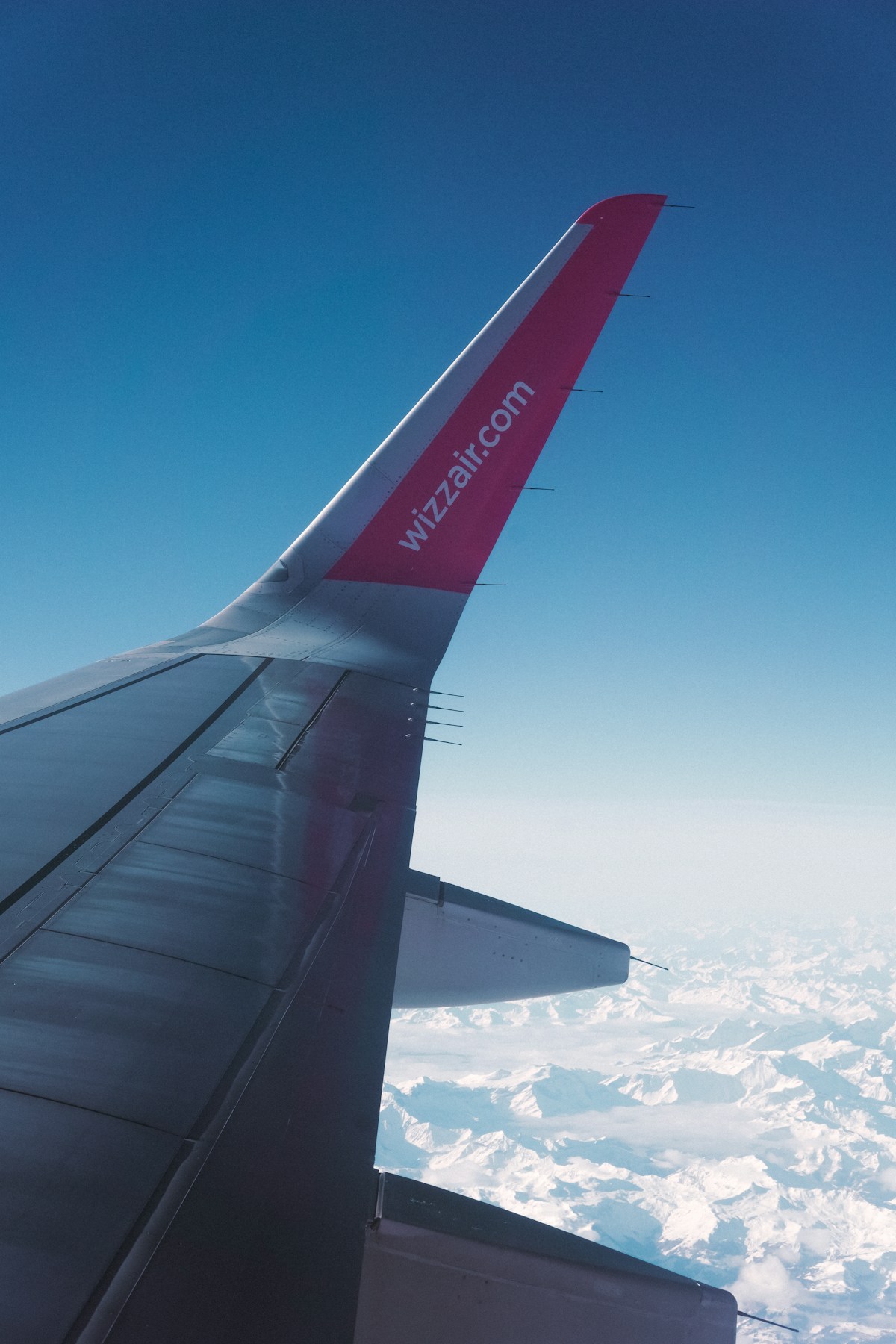
Italy's major airports compared, which airlines fly there, and how to find the cheapest flights to Rome, Milan, and beyond, including Alitalia, Iberia.
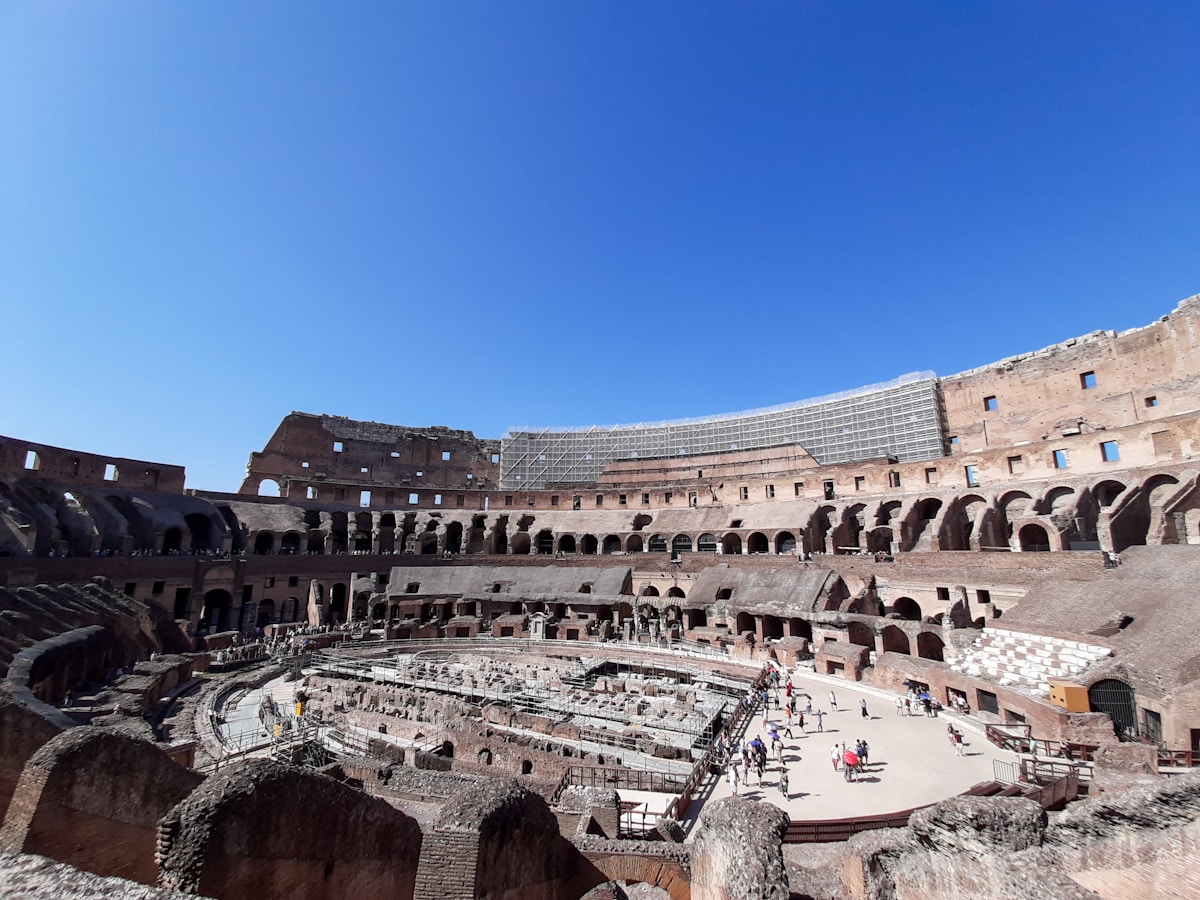
Both have ancient ruins, islands, and great food - but Italy and Greece are very different trips. We compare on cost, culture, and what each does best.
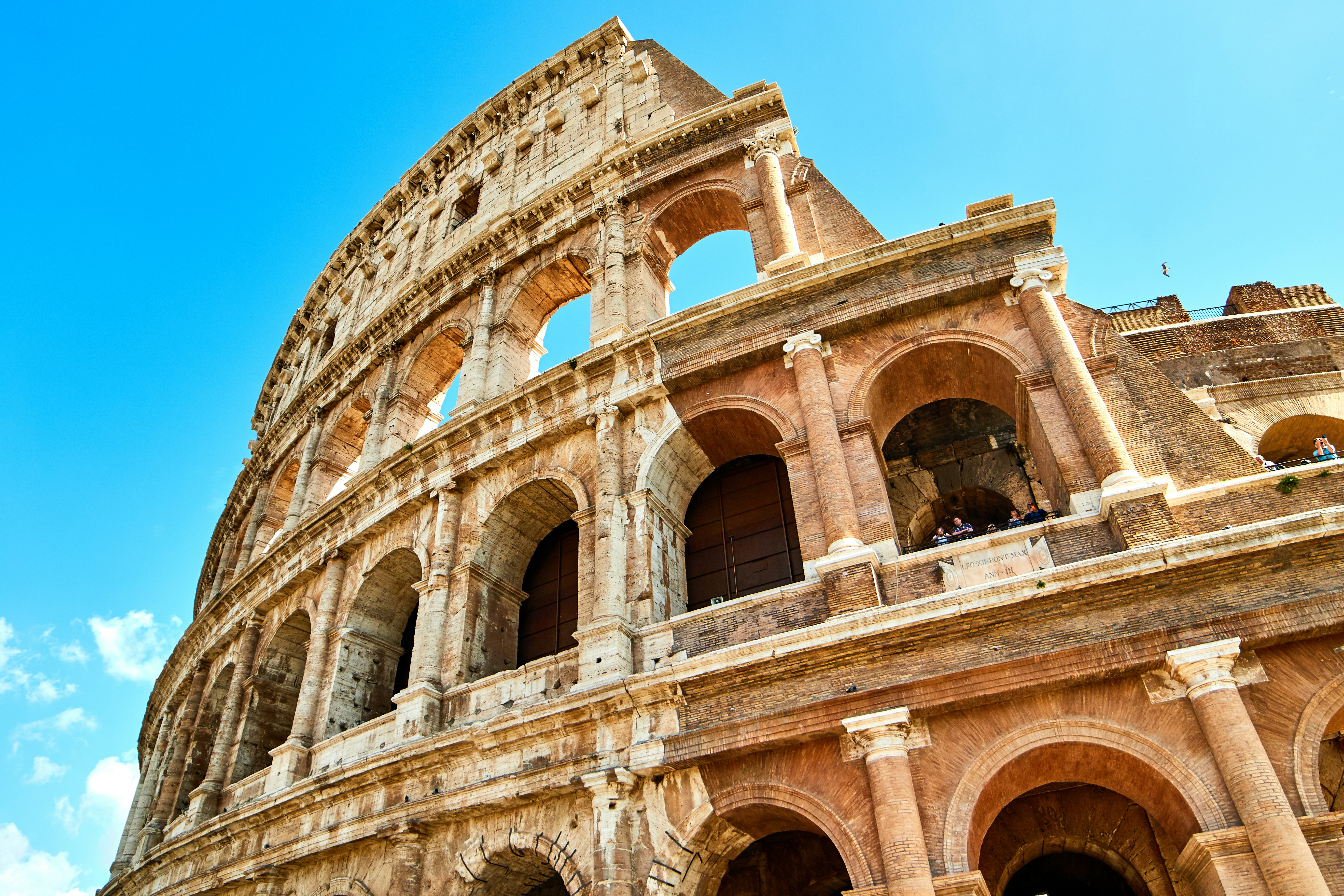
Solo travel in Italy is straightforward and rewarding. Practical advice on safety, the best bases, meeting people, and making the most of going alone.
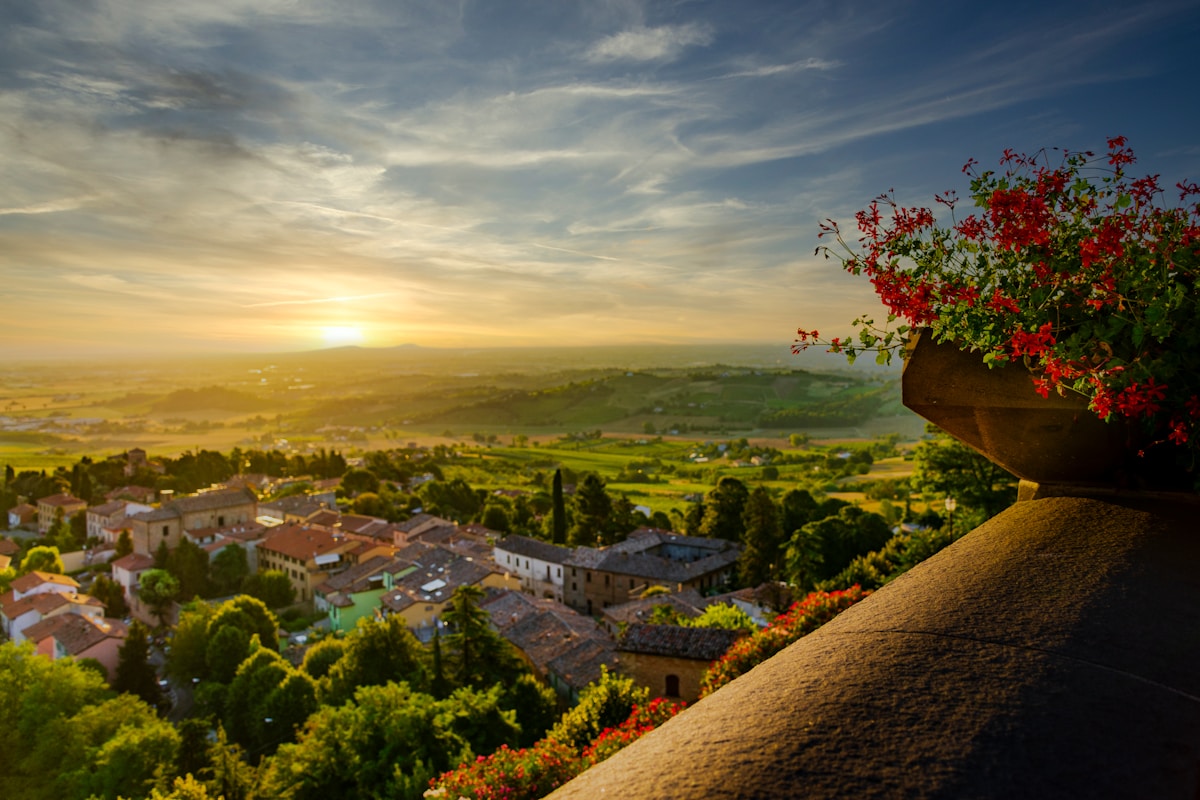
Italy's best travel months by region: crowds, prices, weather, and the events that make certain seasons worth planning around.
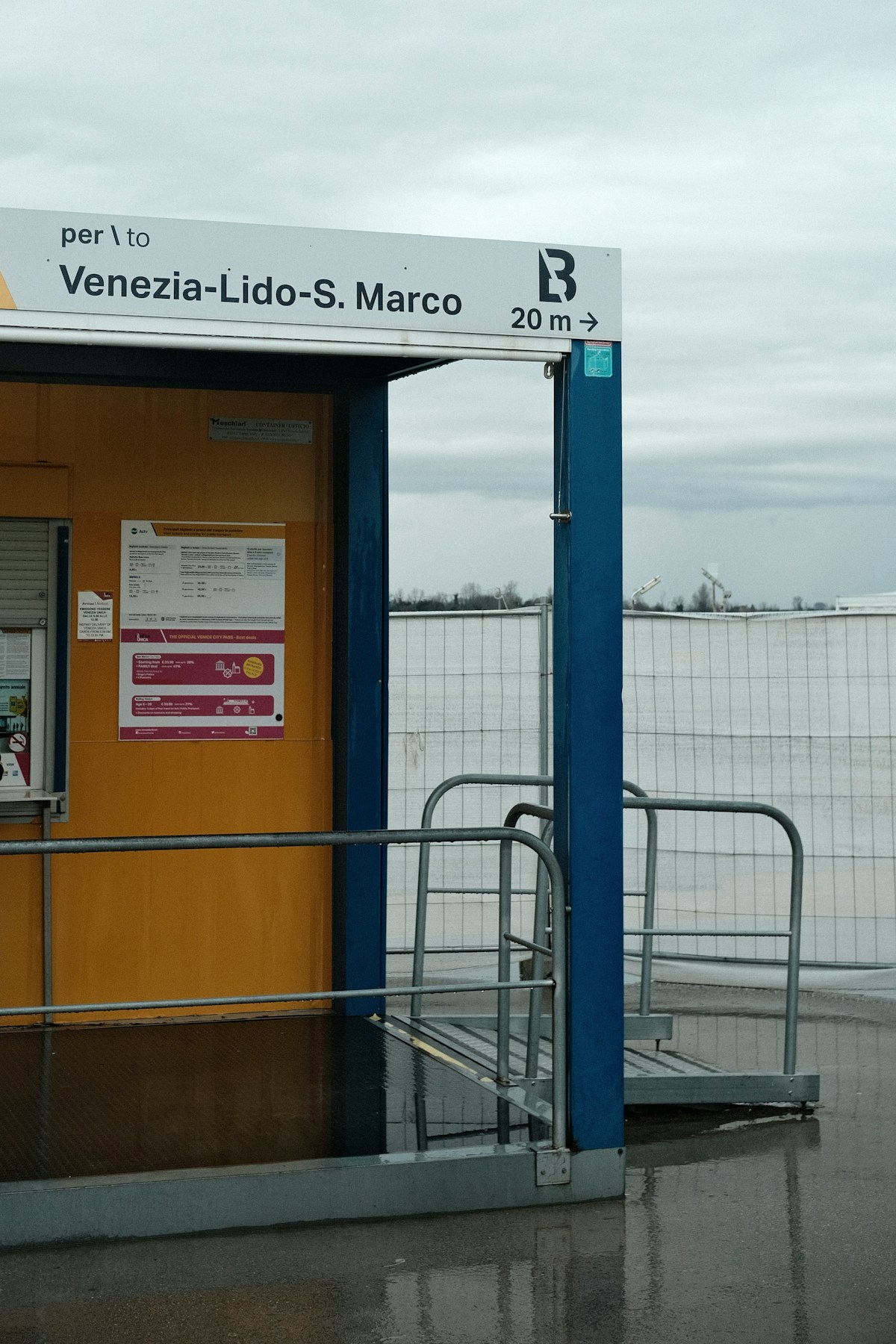
Italy's transport options: high-speed rail, regional trains, car hire for rural areas, and buses for smaller towns, with routes worth booking ahead.
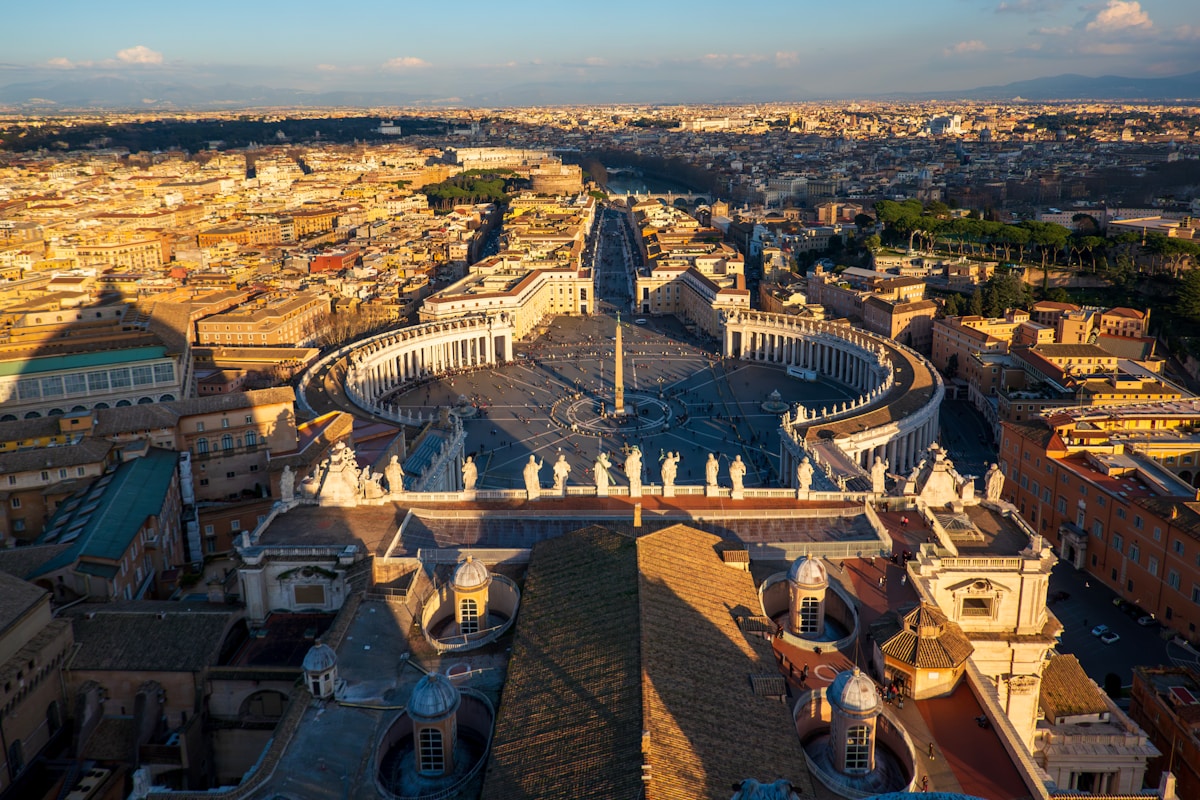
Italy's main airports, budget airlines, European train routes, visa requirements by nationality, and transport between cities: a practical arrival guide.
EU261 compensation for delayed or cancelled Italy flights: which airlines it applies to, amounts by delay length, and how to file a claim.
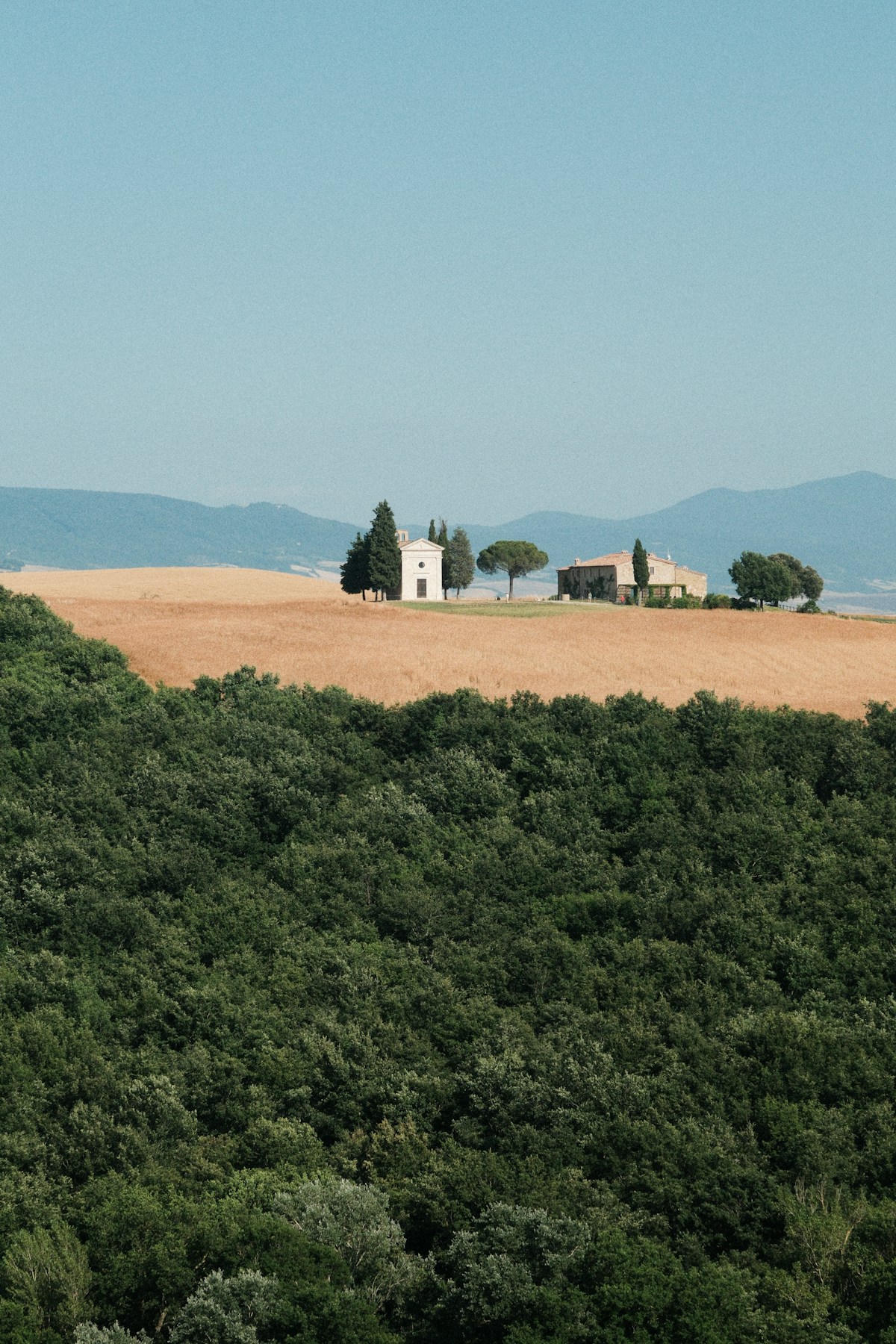
Italy in April offers Easter celebrations, blooming gardens, and manageable crowds - one of the best times to visit before summer prices arrive.
Ferragosto empties Italian cities and fills the coast from mid-August. Rome's museums stay open, beaches pack out, and smaller towns shut for the week.

Alpine Christmas markets, nativity traditions and New Year in Rome or Venice: December brings Italy's quietest museum queues of the year.
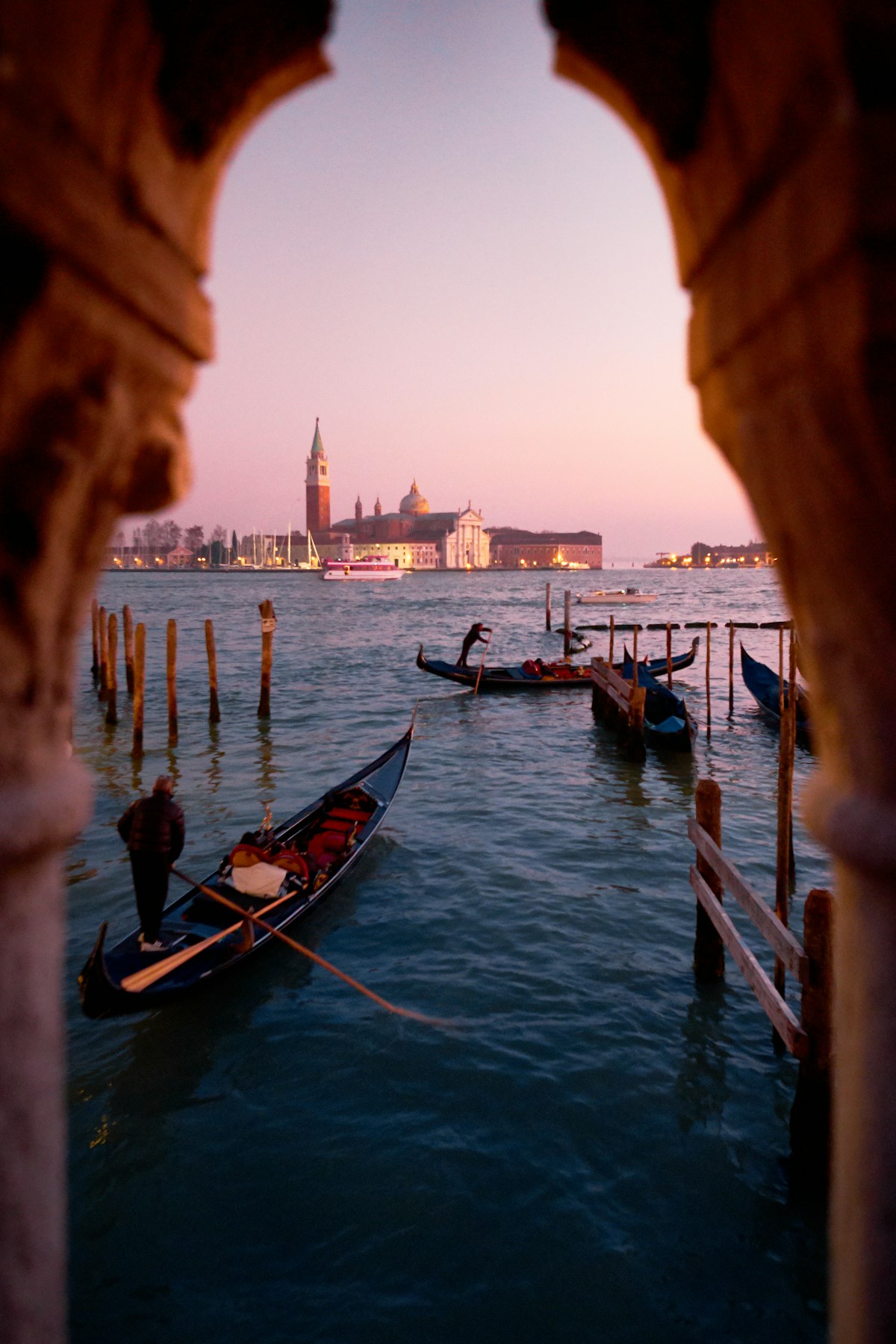
Venice Carnival, Sanremo Music Festival and peak ski season: what to expect in Italy in February, with the lowest hotel rates outside Carnival weeks.

Cheapest month to visit Italy: Epiphany celebrations, near-empty museums, winter sales, and the cities that reward off-season exploration most.
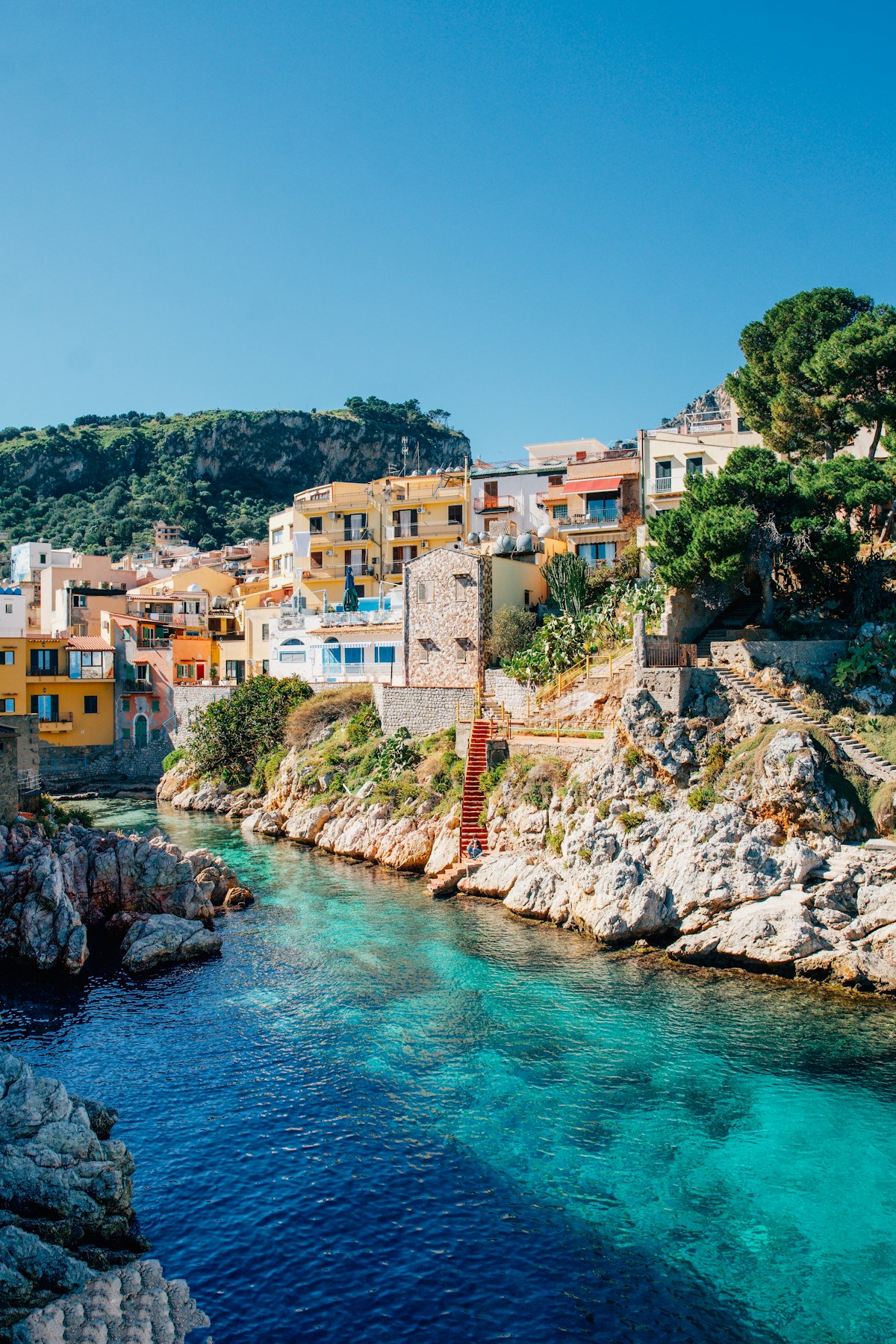
Beaches at their best, the Palio di Siena and peak crowds: a guide to visiting Italy in July, with which cities are worth it versus which to skip.
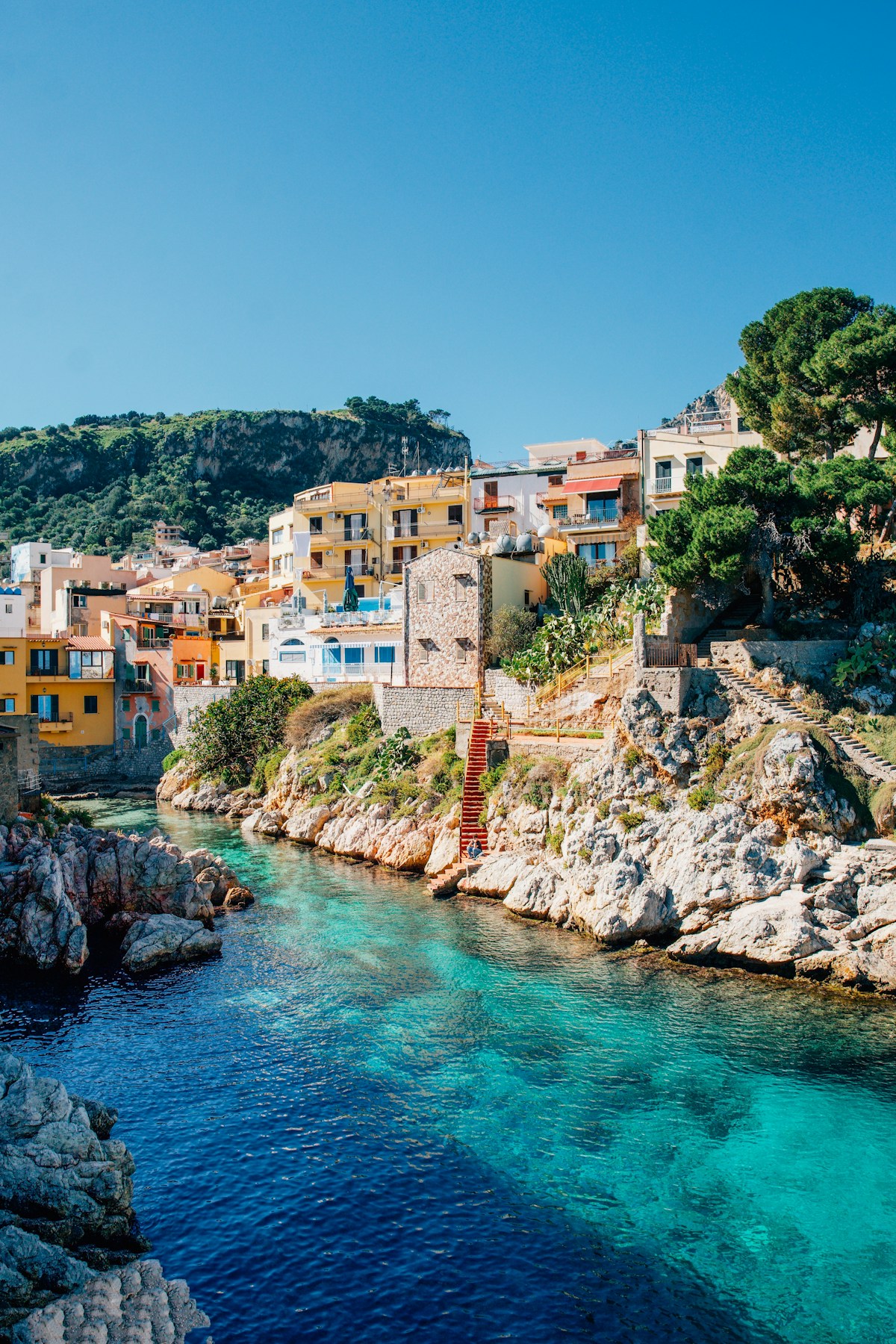
Last comfortable month before peak summer heat: June is best for Italy's northern lakes, Alpine routes, and coastal escapes before prices spike.
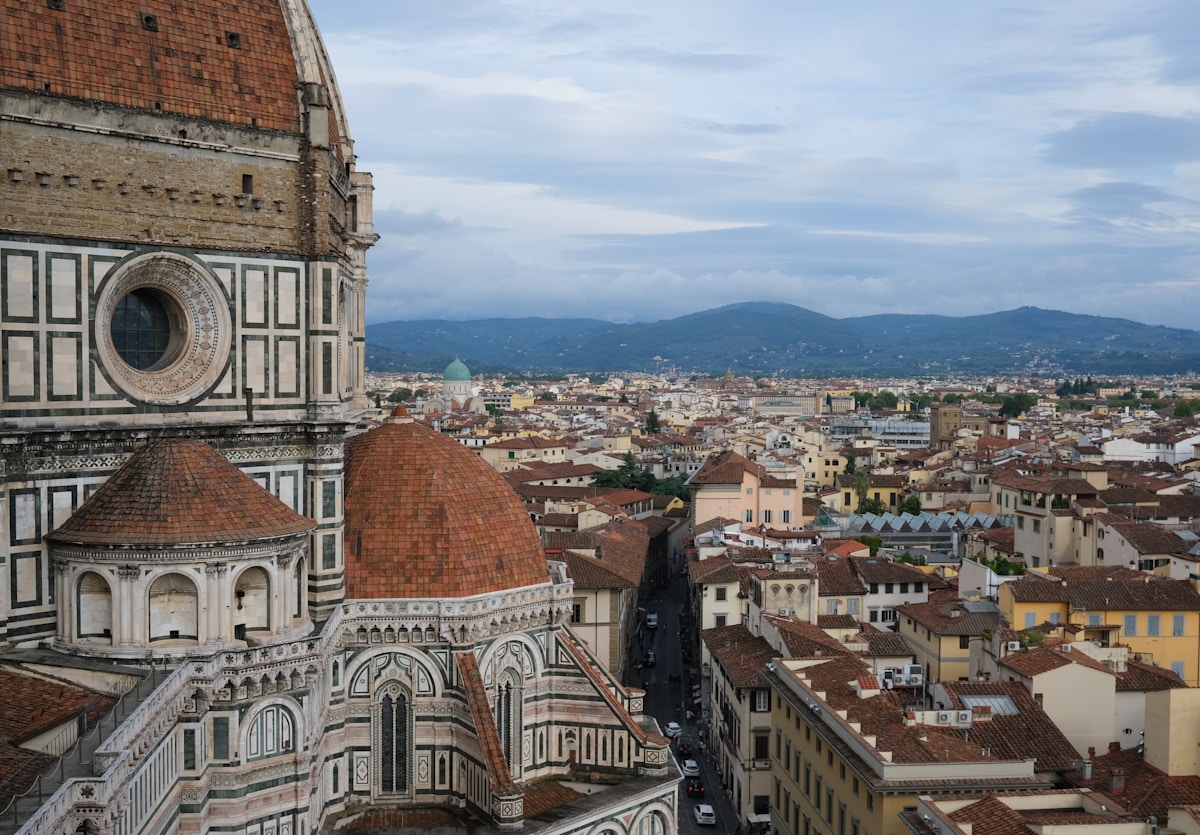
Almond blossom in Sicily, quiet city centres and low prices in March: shoulder-season calm before Easter crowds descend on the country.
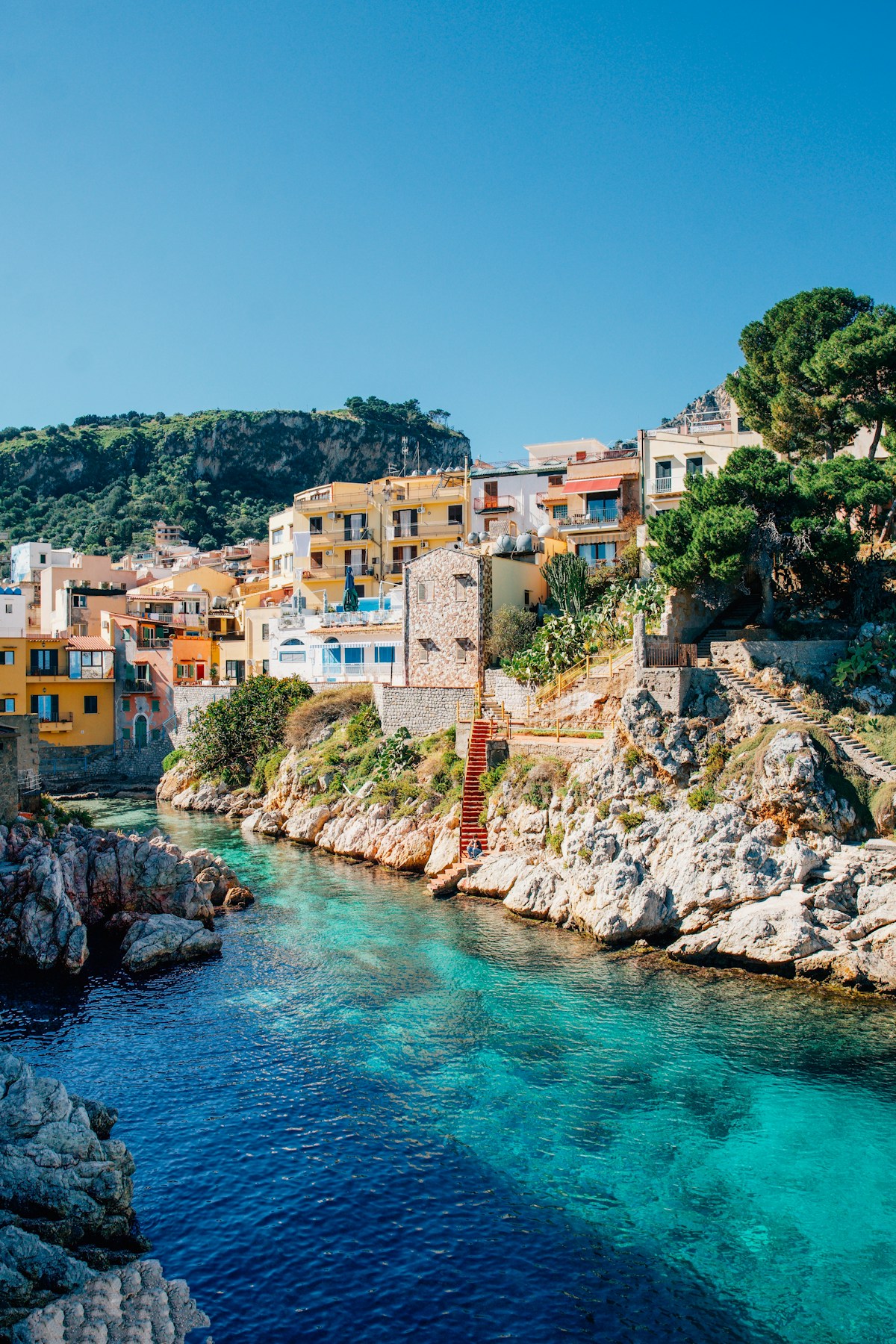
Wisteria season, festivals in full swing and manageable crowds: May is the sweet spot to visit Italy before summer prices climb.
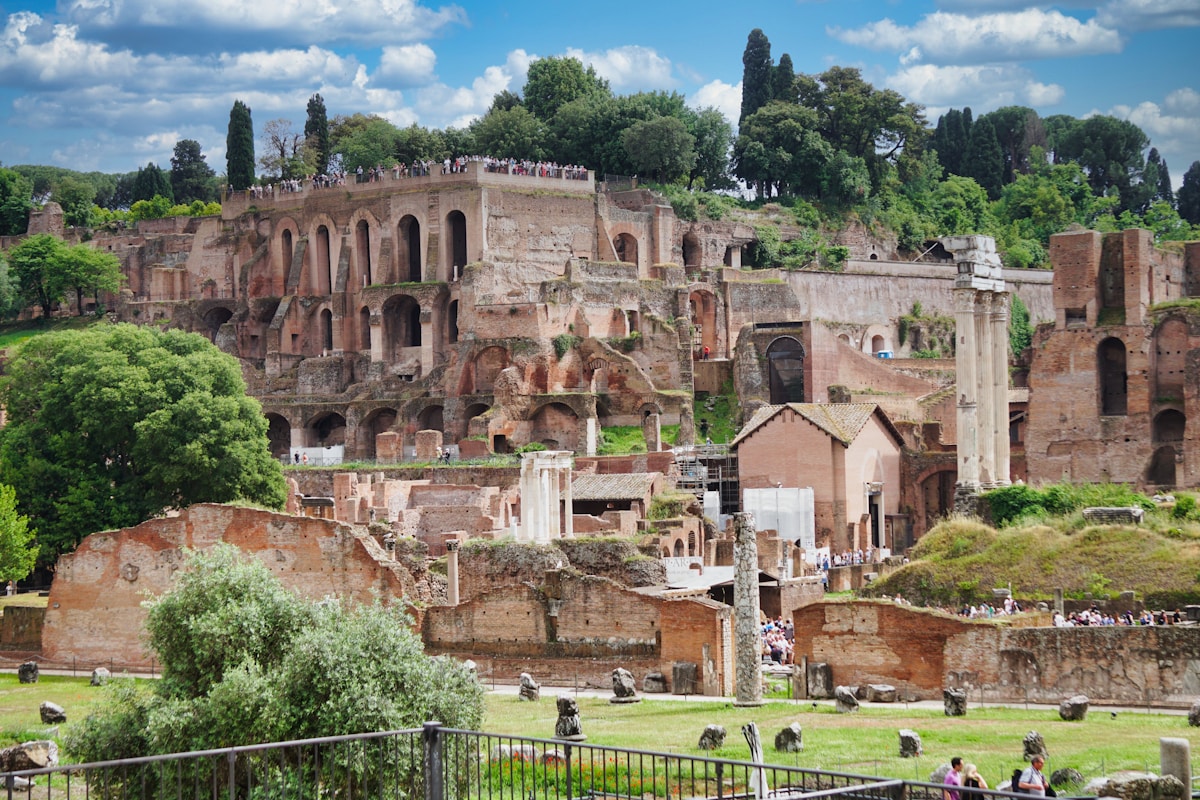
White truffle fair in Alba, olive harvest in Tuscany and near-empty cities: November brings Italy's lowest prices between summer and Christmas.
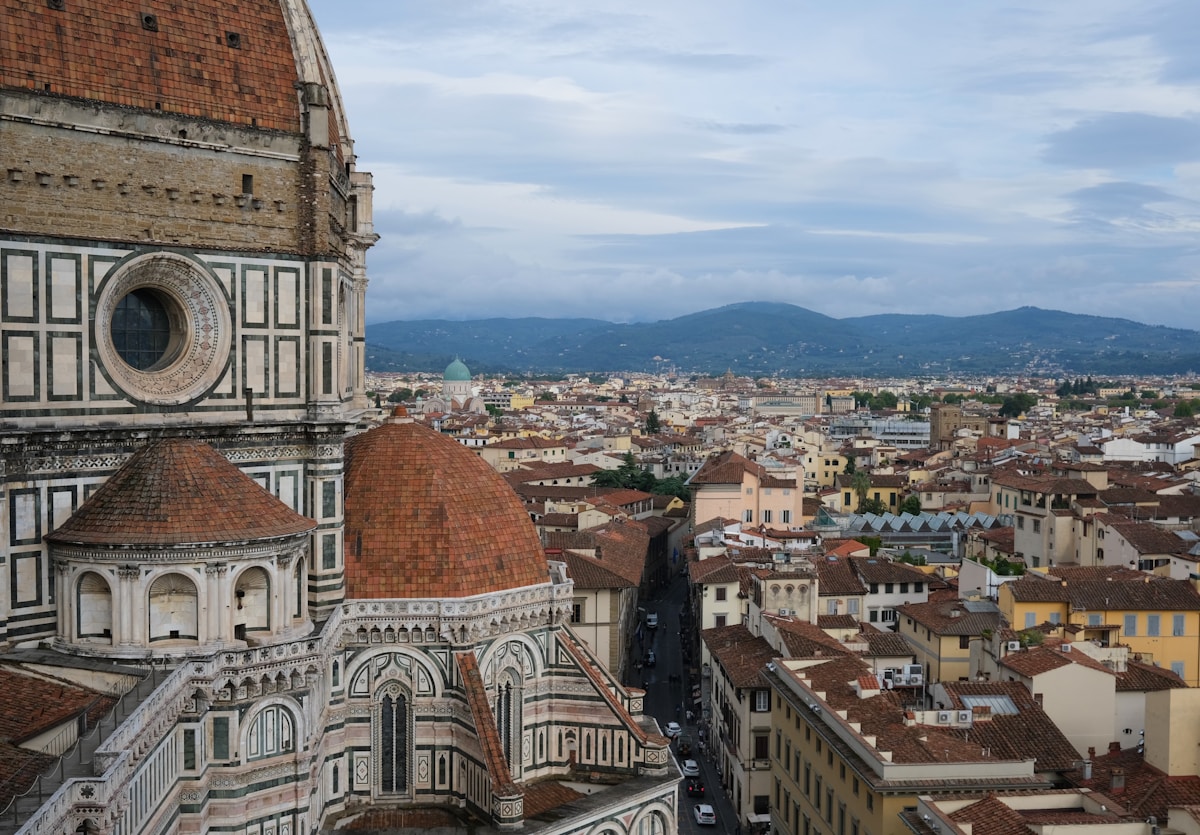
Second best month to visit Italy: harvest season, truffle festivals, autumn light across Tuscany and Umbria, reduced crowds, and lower prices in October.
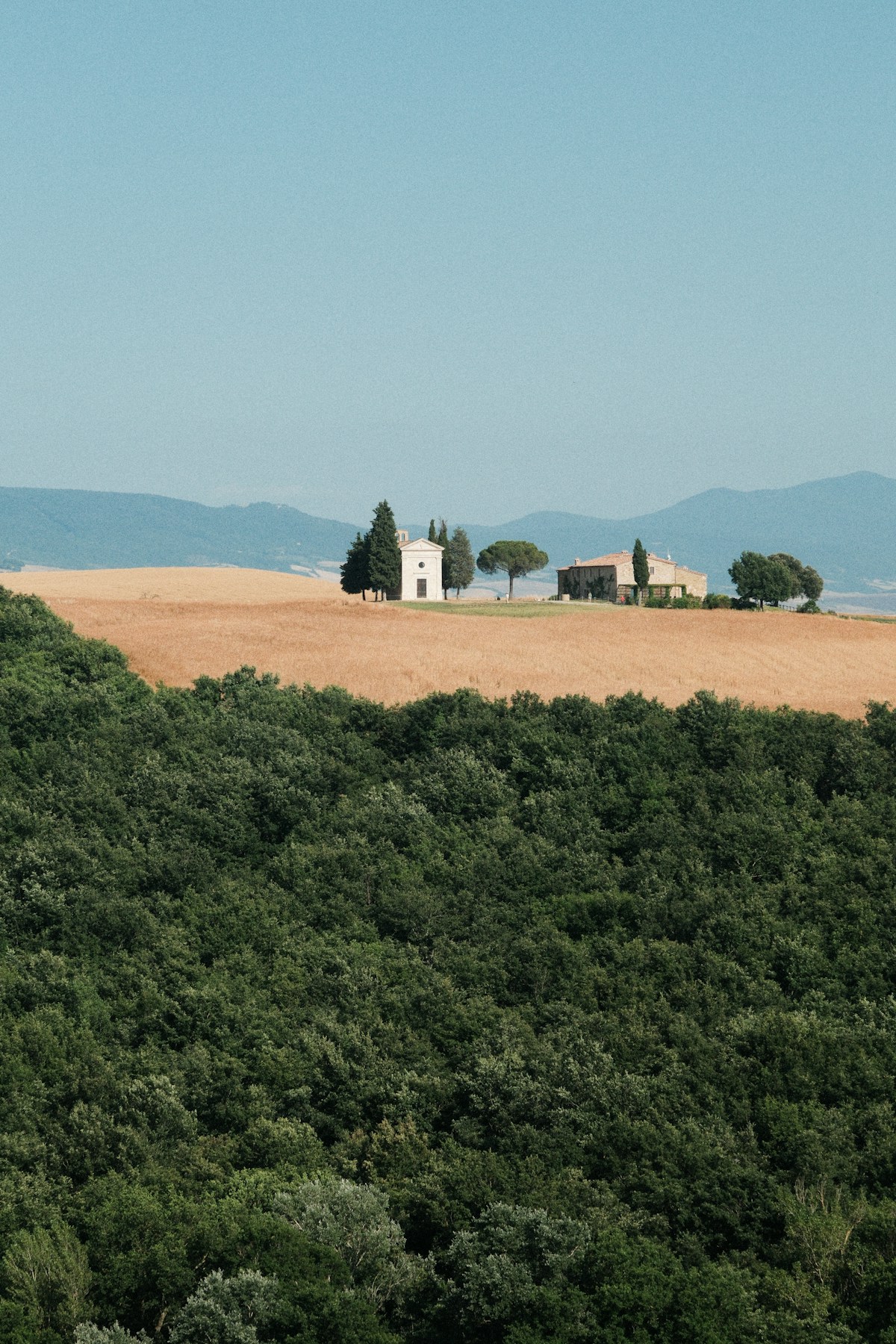
Best month for Italy's south and islands: sea still warm, harvest festivals starting, and prices already lower than the summer peak in September.
The essential Italy packing list: what to wear for churches, seasonal requirements, and what most travellers bring but never use.
Italy is safe for tourists, but pickpockets, tourist scams, and traffic are real risks - we cover what's overstated and what deserves genuine attention.
Italy SIM card guide for: TIM, Vodafone and WindTre tourist plans from €10, Airalo eSIM options, where to buy at airports and EU roaming rules.
A realistic guide to Italy travel costs: daily budgets by travel style, accommodation, food, transport, and how much to budget for one to two weeks.
Travel insurance for Italy - what to cover, EHIC and GHIC for EU and UK travellers, and what non-EU visitors need to know.
Book an experience
Transfers, day trips, and experiences across the country. Book ahead to secure your spot.