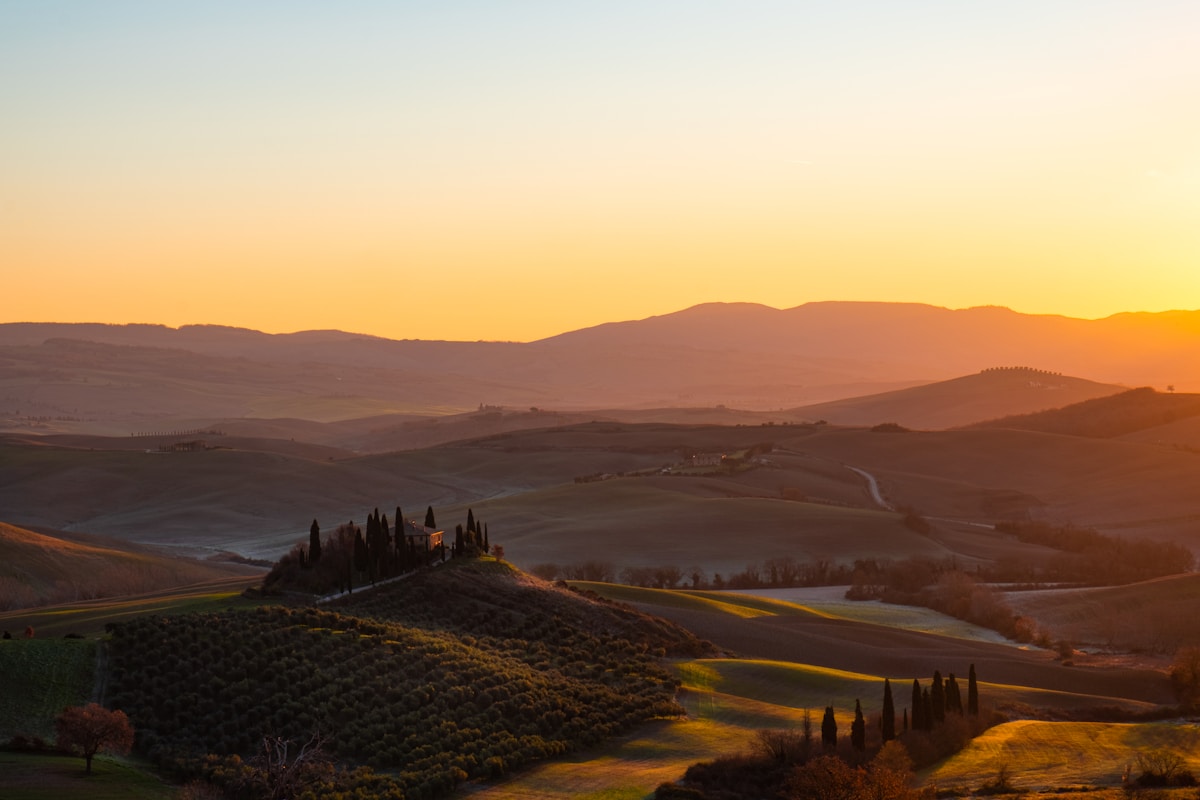
Tuscany and the Amalfi Coast are two of Italy’s most romanticised destinations - and they deliver on the promise, though in very different ways. Tuscany is rolling hills, medieval towns, wine estates, and a food culture that rewards slow exploration by car. The Amalfi Coast is vertical drama - villages clinging to cliffs above a deep blue sea, with lemons, seafood, and a glamour that has drawn visitors since the Grand Tour. Both are essential Italy. Neither disappoints.
Quick Verdict
| Category | Tuscany | Amalfi Coast |
|---|---|---|
| Scenery | Tied | Tied |
| Wine | Winner | - |
| Food | Winner | - |
| Beaches | - | Winner |
| Value for money | Winner | - |
| Art and culture | Winner | - |
| Romance | Tied | Tied |
| Ease of travel | - | Winner (no car) |
Choose Tuscany if you want wine, hill towns, Renaissance art, and a road-trip itinerary. Choose the Amalfi Coast if you want dramatic coastal scenery, beaches, and a more compact holiday without needing a car.
Scenery and Character
Tuscany’s landscape is one of the most recognisable in the world - undulating hills, cypress-lined roads, medieval hilltop towns, and vineyards stretching to the horizon. The Val d’Orcia (a UNESCO World Heritage landscape south of Siena) is the quintessential image: golden wheat fields, isolated farmhouses, and the fortress town of Montepulciano on its hill. The Chianti region between Florence and Siena adds vine-covered slopes and stone hamlets. This is landscape best experienced by car, at your own pace.
The Amalfi Coast is a different kind of beauty - vertical, compressed, and theatrical. Positano cascading down the cliff to its bay, the cathedral dome of Amalfi town, and the terraced lemon groves of Ravello create a coastline that photographs spectacularly from every angle. The Road of a Thousand Bends (SS163) is one of Italy’s most famous drives - and one of its most nerve-wracking.
Winner: A genuine tie. They are different genres of beauty - pastoral versus coastal, horizontal versus vertical.
Food and Dining
Tuscan food is deceptively simple and ingredient-driven. Bistecca alla fiorentina (Chianina T-bone, €45–60/kg) is the signature dish. Ribollita (bread soup), pappa al pomodoro (tomato bread soup), and pici all’aglione (hand-rolled pasta with garlic tomato sauce, €10–14) are everyday staples. Pecorino cheese, Cinta Senese pork, and Tuscan olive oil (among Italy’s finest) elevate simple dishes. Agriturismo farm restaurants serve multi-course meals for €25–35 - often the best food experiences in Tuscany.
The Amalfi Coast draws on Neapolitan cuisine with a seafood emphasis. Scialatielli ai frutti di mare (€16–22), grilled fish priced by weight, and insalata caprese with local mozzarella are the standards. The coast’s lemons - large, intensely fragrant Sfusato Amalfitano - appear in everything from limoncello to delizia al limone (lemon cream cake). Restaurants with sea views charge a premium - a dinner at Da Adolfo in Positano or Il Ritrovo in Montepertuso costs €35–50 per person.
Winner: Tuscany for depth, variety, and agriturismo dining. The Amalfi Coast for seafood.
Wine
Tuscany is Italy’s most famous wine region - and one of the world’s greatest. Chianti Classico, Brunello di Montalcino, Vino Nobile di Montepulciano, and Super Tuscans (Sassicaia, Ornellaia, Tignanello) represent a spectrum from everyday to world-class. Wine tasting at estates in Chianti costs €15–30 per person, often including food pairings. A glass of Chianti Classico at a restaurant costs €5–8; a bottle €15–30. The Antinori nel Chianti Classico winery (free to visit, tastings from €25) is architecturally striking and worth the trip alone.
The Amalfi Coast is not a wine destination. Local wines - Furore Bianco, Costa d’Amalfi DOC - are pleasant but minor compared to Tuscany’s depth. Limoncello is the signature drink, made from the coast’s famous lemons. The nearby Campanian wines (Greco di Tufo, Fiano di Avellino, Taurasi) are excellent but require a day trip inland to explore.
Winner: Tuscany, overwhelmingly. No contest.
Accommodation
Tuscany’s agriturismo network is one of the great accommodation experiences in Italy. Working farms converted into guesthouses, with pools, home-cooked dinners, and vineyard views, cost €80–150/night. Hotels in Florence average €110–180 for mid-range. Siena and smaller towns like San Gimignano, Montepulciano, and Cortona offer 3-star hotels from €90–150. Villas for groups (4–8 people) with private pools start from €200–400/night - often the best value for families or groups.
The Amalfi Coast is more expensive. Positano hotels average €200–400/night in summer - Hotel Le Sirenuse (from €800) is the icon. Hotels in Amalfi town and Ravello are slightly more affordable (€120–250). The budget strategy is to stay in Salerno (hotels from €70/night) and day-trip along the coast. Sorrento (from €80/night) is another affordable base with good ferry connections.
Winner: Tuscany for value and the unbeatable agriturismo experience.
Getting Around
Tuscany requires a car. The hill towns (San Gimignano, Montepulciano, Pienza, Cortona) are connected by winding roads through beautiful countryside - the driving itself is part of the experience. Car hire from Florence airport starts from approximately €30–40/day - compare rates and book car hire for Tuscany in advance for the best prices. Buses connect Florence to Siena (75 minutes, TIEMME, €8) and trains run to major towns, but the smaller villages and wine estates need wheels.
The Amalfi Coast is best explored without a car. The SITA bus from Sorrento runs the length of the coast (€2.40 per ride), and ferries connect Positano, Amalfi, Salerno, and Capri. Driving the SS163 is scenic but stressful - narrow road, oncoming buses, limited parking. From Naples, the Circumvesuviana train to Sorrento (70 minutes, €4) connects to the coast.
Winner: The Amalfi Coast for car-free travel. Tuscany rewards drivers with freedom and flexibility.
Art and Culture
Tuscany is the cradle of the Renaissance. Florence has the Uffizi (€25), Accademia with Michelangelo’s David (€16), and dozens of churches with significant art. Siena has the Duomo (€15 combined ticket) with its marble floor mosaics and Pinturicchio frescoes, plus the Palazzo Pubblico. Pisa has the Leaning Tower and Baptistery. Smaller towns like Arezzo (Piero della Francesca frescoes), Lucca (medieval walls), and Perugia nearby all reward art-focused travellers.
The Amalfi Coast has less conventional art but offers architectural beauty. Ravello’s Villa Rufolo (€10) and Villa Cimbrone (€10) have spectacular gardens with sea views. The Amalfi Cathedral (free) with its Arab-Norman facade is distinctive. The coast’s beauty is more experiential than museum-based.
Winner: Tuscany, decisively - one of the world’s great art regions.
When to Visit
Tuscany is best from April to June and September to October. May brings green vineyards and wildflowers; September and October bring the grape harvest (vendemmia) and golden light. Summer (July–August) is very hot in the inland hills (35–38°C), though the coast around the Maremma stays cooler.
The Amalfi Coast is best from mid-April to June and September to mid-October. May is ideal - warm enough for swimming, lemon trees in bloom, and manageable crowds. July and August are extremely crowded, hot, and expensive. October brings occasional rain but beautiful autumn light.
Winner: A draw. Both are best in May–June and September–October.
Final Verdict
Tuscany is the deeper, more varied experience - wine, art, hill towns, and a food culture that rewards a week-long road trip. The Amalfi Coast is the more dramatic, more compact experience - stunning scenery, excellent seafood, and a coastline that delivers visual impact from the moment you arrive.
For a complete Italian trip, combine both. A 10-day itinerary starting in Florence, driving through Tuscany, then continuing to the Amalfi Coast via the A1 (approximately 4 hours from Siena to Positano) is one of Italy’s most rewarding routes.
Ready to Plan Your Trip?
See our itineraries for inspiration:
- Tuscany Itinerary - five days in the heart of Italy
- Amalfi Coast Itinerary - five days on the Costiera Amalfitana
- One Week in Italy - seven days through Rome, Florence, and Venice
- 2 Weeks in Italy - the ultimate two-week Italian itinerary
Also comparing coastlines? Our Amalfi Coast vs Cinque Terre guide weighs Italy’s two most iconic coastal stretches.
Plan Your Trip
✈️ Book your flights to Italy 🛡️ Get travel insurance 📱 Stay connected with an eSIM 🚗 Rent a car
🎟️ Browse tours in Tuscany — Browse Amalfi Coast tours 🏨 Search hotels in Tuscany — Search hotels in Amalfi Coast