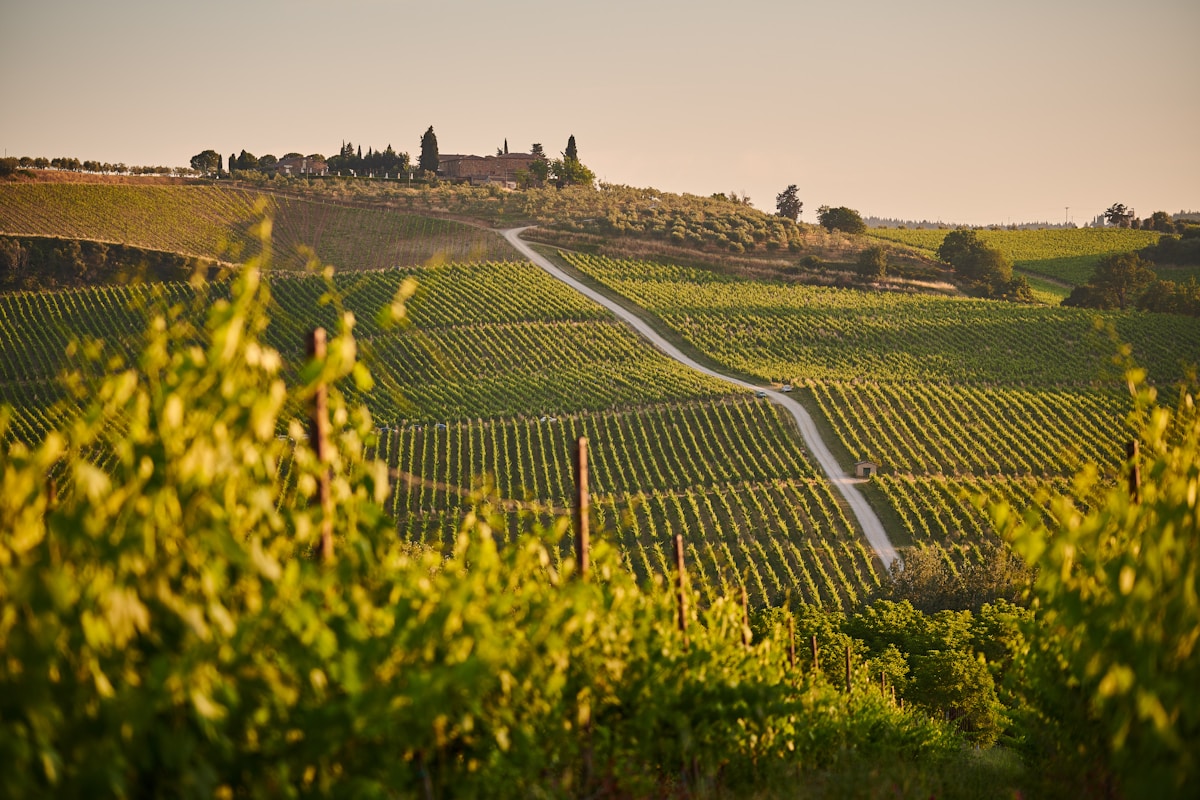
Tuscan cooking is defined by restraint and quality of ingredients. The region has excellent raw materials - cattle, wild boar, legumes, truffles, olive oil, and wine - and a tradition of cooking that treats them simply. The cucina povera (peasant cooking) tradition produced dishes that became classics precisely because they relied on technique rather than elaborate preparation.
Bistecca alla Fiorentina
The defining dish of Tuscany. A thick-cut T-bone (minimum 3-4cm) from Chianina cattle, grilled over charcoal, served rare to medium-rare, sold by weight (typically 800g to 1.2kg for one). The correct order is ‘al sangue’ (bloody) - anything more cooked is considered an error by any serious Florentine restaurant. The quality of the meat is everything; the best comes from butchers in the Chianti or Valdichiana areas.
Where to eat it: Buca Mario (Piazza Ottaviani 16, Florence) - Florence’s oldest restaurant, open since 1886, serving bistecca alla Fiorentina on a classic Tuscan menu. €30–60/person. Il Latini (Via dei Palchetti 6, Florence) - long communal tables, no written menu, house wine poured freely, and a bistecca that’s reliably good. €35–55/person.
Pici
A thick, hand-rolled pasta - wider than spaghetti, shorter, and irregular in texture. Found throughout central and southern Tuscany, particularly around Siena and Montalcino. Classic sauces: pici all’aglione (a tomato and garlic sauce), pici cacio e pepe, or pici al ragù. Made fresh in almost any traditional restaurant in the region.
Where to eat it: Osteria Le Logge (Via del Porrione 33, Siena) - in a converted 19th-century pharmacy, serving excellent pici with wild boar ragù alongside Sienese panforte. €35–60/person.
Ribollita
A bread and bean soup - thick, made with stale bread, cannellini beans, cavolo nero (Tuscan kale), carrots, celery, and tomatoes, then ‘reboiled’ (ribollita) the next day. One of the great examples of cucina povera; the version you find in central Tuscany is different from what is served elsewhere as ribollita. Best in autumn and winter.
Where to eat it: Trattoria Mario (Via Rosina 2, near San Lorenzo market, Florence) - lunch only, shared tables, cash only, open since 1953. A working Florentine lunch institution. €15–25/person. Buca Mario (Piazza Ottaviani 16, Florence) also carries ribollita on the classic menu alongside the bistecca.
Panzanella
The summer salad - stale bread soaked in water and vinegar, then mixed with tomatoes, cucumber, red onion, and basil. Served cold. Found only in summer, made with the season’s tomatoes.
Where to eat it: Trattoria Mario (Via Rosina 2, near San Lorenzo market, Florence) - panzanella appears in summer; the short seasonal menu rotates around what’s available.
Lardo di Colonnata
Cured fatback from the village of Colonnata in the Apuane Alps (near Carrara marble quarries), aged in white marble basins with herbs and spices. Served thinly sliced on warm bread; eaten as an antipasto. Unlike anything else.
Where to eat it: Osteria di Passignano (Via Passignano 33, Tavarnelle Val di Pesa, Chianti) - inside a working wine cellar in Chianti Classico DOCG territory, where the antipasto selection regularly includes cured meats and lardo alongside cinta senese pork. €45–70/person. Reserve ahead.
Pecorino di Pienza
Sheep’s milk cheese from the Val d’Orcia - aged from young and fresh (fresco) to sharp and firm (stagionato), sometimes aged in walnut leaves or washed in wine. Buy it directly from producers in Pienza or from the market in Montalcino.
Where to eat it: Buca di Sant’Antonio (Via della Cervia 3, Lucca) - Lucca’s oldest restaurant, where local cheese and charcuterie appear alongside farro soup and roast pork with herbs. €30–55/person.
Olive Oil
Tuscan extra-virgin olive oil - from the Chianti Classico zone, the Lunigiana, or around Lucca - is among the world’s best. The oil from the hills around Florence tends to peppery and grassy; the Lucchese tradition produces a gentler style. Buy cold-pressed oil from the harvest (late October to November) whenever possible.
Where to eat it: Osteria di Passignano (Via Passignano 33, Tavarnelle Val di Pesa, Chianti) - the estate produces its own olive oil; meals are served with bread and a pour from the current harvest. €45–70/person.
Wine
Chianti Classico (Sangiovese from the hills between Florence and Siena), Brunello di Montalcino (the region’s most prestigious red), and Vernaccia di San Gimignano (white, crisp and mineral) are the three principal appellations. Super Tuscans (Sassicaia, Tignanello) introduced international varieties to the region; Morellino di Scansano in the Maremma offers comparable quality at lower prices.
Where to Eat
Florence has the highest concentration of good restaurants, but many of the best Tuscan meals happen in agriturismos (farm restaurants) in the Chianti hills, outside Montalcino, or in the hill towns. A lunch at an agriturismo - slow, multi-course, with the farm’s own wine and olive oil - is one of the better ways to eat in Italy. Tuscany food and wine tours combine cooking classes, market visits, and winery tours from Florence and Siena.
For city-by-city food guides within Tuscany: Florence food guide covers bistecca and market dining in the city; Siena food guide covers pici and Sienese wine bars. For trip planning: Tuscany itinerary covers where to eat alongside where to stay and what to see. The Italian wine picture - Chianti, Brunello, Super Tuscans - is covered in the Italian wine guide.
Take a Guided Food Tour of Tuscany
Tuscany’s food and wine landscape is one of the most bookable in Italy — you can visit the Chianina cattle farms that supply the bistecca, the Chianti estates that produce the wine, and the ageing caves where Pecorino di Pienza is matured, all within a day’s drive of Florence or Siena. Guided food tours in the Val d’Orcia, Chianti Classico zone, and the truffle hills of San Miniato turn what would be a road trip into a properly structured tasting experience. Browse Tuscany food tours on GetYourGuide.