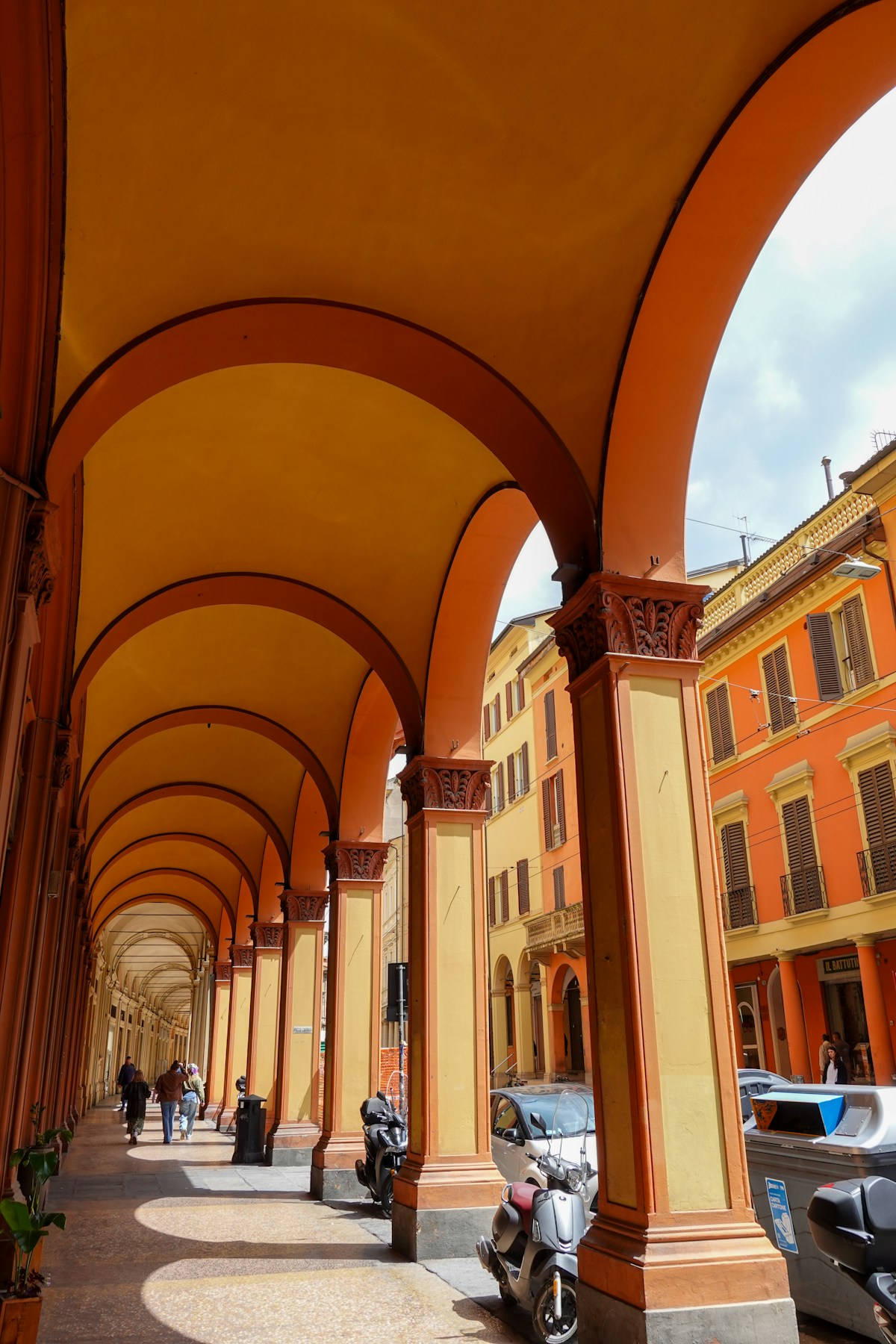
Emilia-Romagna is Italy’s food capital - arguably the world’s. The region produces Parmigiano-Reggiano, Prosciutto di Parma, Culatello, Mortadella, traditional balsamic vinegar, Aceto Balsamico Tradizionale, and tagliatelle al ragù (the original Bolognese). Understanding this region’s food is understanding the foundations of Italian cooking.
The Great Products
Parmigiano-Reggiano
The king of Italian cheeses and the most-copied food product in the world. Real Parmigiano-Reggiano is made in a strictly defined area around Parma, Reggio Emilia, Modena, parts of Mantua, and parts of Bologna - from raw cow’s milk, copper vats, and a minimum of 12 months ageing (most is 24+ months).
The difference between 12-month (softer, milkier) and 36-month (crystalline, intensely savoury) Parmigiano is pronounced. Buy it directly from a Parma caseificio (dairy) or from the consorzio shop. Breaking it with a spade-shaped knife rather than cutting reveals the crystalline interior.
Prosciutto di Parma
Cured ham from the hills south of Parma, aged minimum 12 months. The DOP specifies Landrace, Duroc, or Large White pigs, fed on whey from Parmigiano-Reggiano production. The long ageing (sometimes 24–36 months for Riserva) develops a sweetness and depth that supermarket prosciutto lacks entirely.
Culatello di Zibello
The most prized cured meat in Italy - the rear haunch of the pig, aged in the humid air of the Po Valley for 24–36 months. Produced only in a handful of towns in the fog-covered Po plains west of Parma. More expensive than Prosciutto di Parma, more intense, more unctuous. Buy it from Zibello or Busseto directly.
Mortadella di Bologna
The original mortadella - a large-format cooked sausage of finely ground pork with cubes of lard and pistachio. The real thing (IGP) is made in Bologna and tastes nothing like the plastic-wrapped imitation. Eaten in thin slices, in sandwiches, or cubed as an antipasto.
Aceto Balsamico Tradizionale di Modena
Traditional balsamic vinegar is a different product from the commercial balsamic sold in supermarkets. Made from cooked grape must (Trebbiano and Lambrusco grapes), aged for minimum 12 years in a sequence of diminishing barrels made from different woods (oak, cherry, mulberry, ash, juniper). The 25-year version (extra vecchio) is among the most complex condiments in the world. Used by the drop on Parmigiano, strawberries, or aged meat. A 100ml bottle of genuine Tradizionale costs €50–200.
The Pasta
Tagliatelle al Ragù
The original Bolognese. The Accademia Italiana della Cucina registered the recipe in 1982 - a gold fettuccine on display in the Bologna Chamber of Commerce shows the correct width (8mm when cooked). Tagliatelle is egg pasta, not spaghetti. The ragù is made with minced beef and pork, soffritto (carrot, celery, onion), white wine, whole milk, and tomato - the tomato is a minor ingredient, not the base. Cooked for 3–4 hours minimum.
Tortellini in Brodo
Bologna’s feast-day pasta - tiny ring-shaped stuffed pasta (pork loin, Prosciutto di Parma, Mortadella, Parmigiano, egg, nutmeg) served in a refined capon broth. A Christmas dish, a Sunday dish, and the test of a Bolognese kitchen. The filling proportion to pasta is critical - correct tortellini are more filling than shell.
Lasagne Verdi
Bologna’s lasagne - green pasta sheets (spinach) layered with ragù, béchamel, and Parmigiano. The green pasta is specifically Bolognese; elsewhere in Italy lasagne uses white egg pasta.
Cappelletti
Similar to tortellini but slightly larger, with a different fold. Filled with cheese (in Romagna) or meat (in Emilia). Served in broth or with butter.
Tortelloni
Large stuffed pasta, usually filled with ricotta and spinach (or squash), served with butter and sage or ragù. The country cousin of tortellini.
Regional Variations
Bologna: the pasta city. Tagliatelle, tortellini, lasagne verde, and the Bolognese ragù.
Parma: prosciutto, Parmigiano-Reggiano, and the refined food culture of a wealthy duchy. Anolini in brodo (a Christmas pasta with a meat-and-cheese filling) is the Parma equivalent of tortellini.
Modena: balsamic vinegar, Lambrusco (sparkling red wine - much better than its 1970s export reputation), and the modern fine dining of Massimo Bottura’s Osteria Francescana.
Ferrara: cappellacci di zucca (pumpkin-filled pasta), salama da sugo (spiced sausage), and a food culture shaped by the Este court.
Romagna: piadina romagnola (flatbread, the Romagna snack), passatelli in brodo (bread dough pasta in broth), and sgombro (mackerel) from the Adriatic coast.
What to Drink
Lambrusco - the sparkling red of Emilia-Romagna. The cheap export version damaged its reputation, but quality Lambrusco (Sorbara, Salamino, Grasparossa) is excellent: fruity, dry, slightly fizzy, and perfectly suited to the rich food of the region. Serve slightly chilled.
Sangiovese di Romagna - the primary red of Romagna (southeastern Emilia). Lighter than Chianti Sangiovese; good with pasta and grilled meats.
Albana di Romagna - a dry or sweet white from Romagna, made from the Albana grape. The first Italian white wine to receive DOCG status. The passito (dried grape) version is remarkable.
For guided food market tours and pasta-making classes in Bologna, Bologna food tours are available and cover the Quadrilatero market, local sfogline, and the tortellini tradition. For the city-by-city food scene across Emilia-Romagna: Bologna travel guide covers the city’s porticoes, markets, and best trattorias; Parma guide covers the food culture of the duchy; Ferrara guide covers the Este court cuisine and cappellacci di zucca. For a structured route through the region: northern Italy itinerary includes Bologna and Modena. For the pasta traditions across all Italian regions, our Italian pasta guide gives the national picture. For the wine context - Lambrusco, Sangiovese di Romagna, and how they compare to other Italian reds - see the Italian wine guide.
Explore Emilia-Romagna on a Food Tour
Emilia-Romagna produces more DOP-protected ingredients than any other region in Italy — Parmigiano-Reggiano, Prosciutto di Parma, Mortadella di Bologna, and balsamic vinegar from Modena are all made within a 100-kilometre stretch. A guided food tour takes you inside the actual caseifici, prosciuttifici, and acetaie where these ingredients are made, with tastings that no restaurant can replicate. For a visit built around the region’s food heritage, browse Emilia-Romagna food tours on GetYourGuide.
Plan Your Stay
Find hotels in Bologna — search accommodation across all budgets in Bologna.