Food & Drink
Parma Food Producer Tours: Prosciutto, Parmigiano & Balsamic
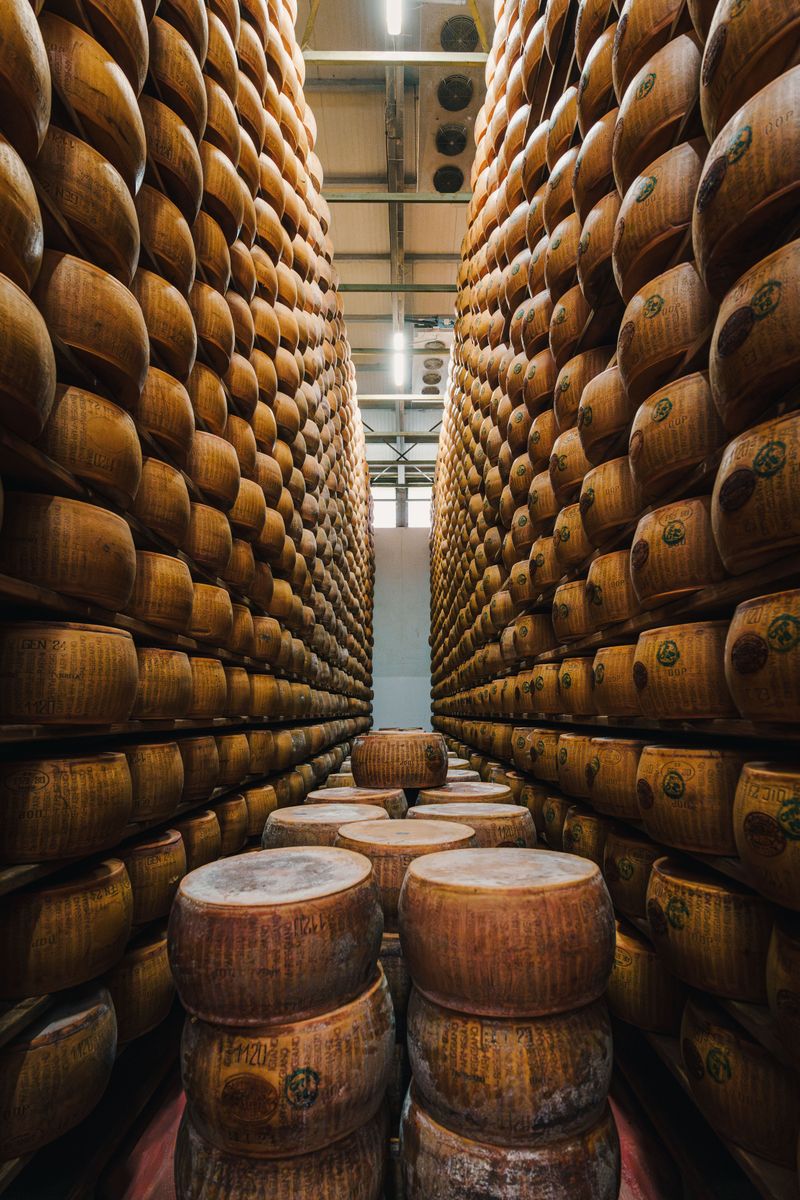
Book a Parma food producer tour: visit prosciutto curing houses, Parmigiano Reggiano dairies, and balsamic acetaie. Half-day tours from approx €75.
Italian Cuisine
Italian food is one of the world's most influential cuisines: and one of the most misrepresented outside Italy. What arrives at an Italian restaurant abroad is a simplified version of a regional tradition that varies enormously from north to south. The north (Piedmont, Lombardy, Emilia-Romagna) cooks with butter, cream, egg pasta, and risotto. The centre (Tuscany, Lazio, Umbria) favours olive oil, beans, and slow-cooked meats. The south (Naples, Sicily, Puglia) is the origin of the dried pasta, tomato sauce, and seafood traditions most associated with Italian food internationally.
Every region has dishes that cannot be authentically eaten anywhere else. Florentine bistecca requires Chianina beef. Neapolitan pizza requires a specific wood-fired oven at specific temperatures. Parmigiano-Reggiano is produced in a specific zone of Emilia-Romagna under a DOP designation that limits it to a handful of provinces. Understanding the regional structure of Italian food makes eating here significantly better than treating it as uniform.
Each city guide includes a dedicated food page covering must-eat dishes, local specialities, and where to eat them.
Alba
Food guide →
Alberobello
Food guide →
Amalfi Coast
Food guide →
Arezzo
Food guide →
Bari
Food guide →
Bergamo
Food guide →
Bologna
Food guide →
Bolzano
Food guide →
Capri
Food guide →
Cortina Dampezzo
Food guide →
Cremona
Food guide →
Ferrara
Food guide →
Florence
Food guide →
Gallipoli
Food guide →
Genoa
Food guide →
Lake Como
Food guide →
Lecce
Food guide →
Lucca
Food guide →
Matera
Food guide →
Merano
Food guide →
Milan
Food guide →
Monopoli
Food guide →
Naples
Food guide →
Ostuni
Food guide →
Padua
Food guide →
Palermo
Food guide →
Parma
Food guide →
Pisa
Food guide →
Polignano A Mare
Food guide →
Pompeii
Food guide →
Positano
Food guide →
Ravenna
Food guide →
Rome
Food guide →
Siena
Food guide →
Sorrento
Food guide →
Spoleto
Food guide →
Taormina
Food guide →
Trento
Food guide →
Trieste
Food guide →
Tropea
Food guide →
Turin
Food guide →
Venice
Food guide →
Verona
Food guide →
Eight dishes that represent the regional variety of Italian cuisine, from Roman trattorias to Sicilian street food.
Rome's signature pasta, spaghetti or tonnarelli tossed with aged Pecorino Romano and black pepper. No cream, no butter in the traditional version: the emulsion comes from pasta water and cheese alone. The technique is as important as the ingredients. Found in every Roman trattoria; quality varies sharply.
A thick-cut T-bone from Chianina cattle, grilled over wood or charcoal, served rare. Minimum 600g per person; often sold by weight. Florence's defining meat dish; eating it anywhere outside Tuscany involves a meaningful compromise on both the cut and the breed.
Naples produced the original pizza, and the Neapolitan version remains the standard. Soft, blistered dough from a wood-fired oven at 450°C, topped with San Marzano tomatoes and buffalo mozzarella. L'Antica Pizzeria da Michele (founded 1870) serves only Margherita and Marinara. The queue is part of the experience.
Saffron-yellow risotto made with bone marrow and Grana Padano, the Milanese version of a dish that exists across the Po Valley. The saffron comes from stigmas, not powder. Traditionally served as a side with ossobuco, though excellent on its own.
Fried rice balls stuffed with ragù, mozzarella, and peas. A Sicilian street food sold at every forno (bakery) and rosticceria. The name means "little oranges." Size, stuffing, and shape vary by city: Palermo's are round, Catania's are cone-shaped. Eaten at room temperature, not hot.
Tuscan bread and bean soup made with cannellini beans, cavolo nero, stale bread, and whatever vegetables are available. The name means "reboiled": it improves significantly the next day. Florence's classic cucina povera dish; far better at local trattorie than tourist restaurants.
Coffee-soaked ladyfinger biscuits layered with mascarpone cream and dusted with bitter cocoa. The dish was created in the Veneto in the 1960s; both Treviso and Friuli claim the original. Widely replicated badly elsewhere. In the northeast Veneto, the original versions use zabaglione-enriched mascarpone without cream.
Whole roasted pig seasoned with rosemary, garlic, fennel pollen, and black pepper. A central Italian speciality particularly associated with Lazio and Umbria. Served sliced in a bread roll at market stalls and alimentari. Ariccia, south of Rome, is the porchetta capital.
Italy's acknowledged food capital: nicknamed "La Grassa" (the fat one). Emilia-Romagna produces Parmigiano-Reggiano, Prosciutto di Parma, Mortadella, tortellini, and tagliatelle al ragù. The covered Mercato di Mezzo is the best single food market in the country. Bologna is where Italian food tradition is taken most seriously.
Food guide to Bologna →Naples invented pizza, perfected fried food (frittura di paranza, cuoppo), and produces the finest buffalo mozzarella. The street food tradition is deep: sfogliatelle, pizza fritta, and calzone from pavement shops. Eating in Naples is cheaper and more exciting than almost anywhere else in Italy.
Food guide to Naples →Roman cuisine is defined by four pasta dishes (cacio e pepe, carbonara, amatriciana, gricia), offal tradition (coda alla vaccinara, rigatoni con la pajata), and Jewish-Roman cooking in the Ghetto neighbourhood. The best Roman food is found in neighbourhood trattorias in Testaccio, Pigneto, and Trastevere.
Food guide to Rome →In-depth guides to the cuisine, restaurants, and street food scene.
Book a Parma food producer tour: visit prosciutto curing houses, Parmigiano Reggiano dairies, and balsamic acetaie. Half-day tours from approx €75.
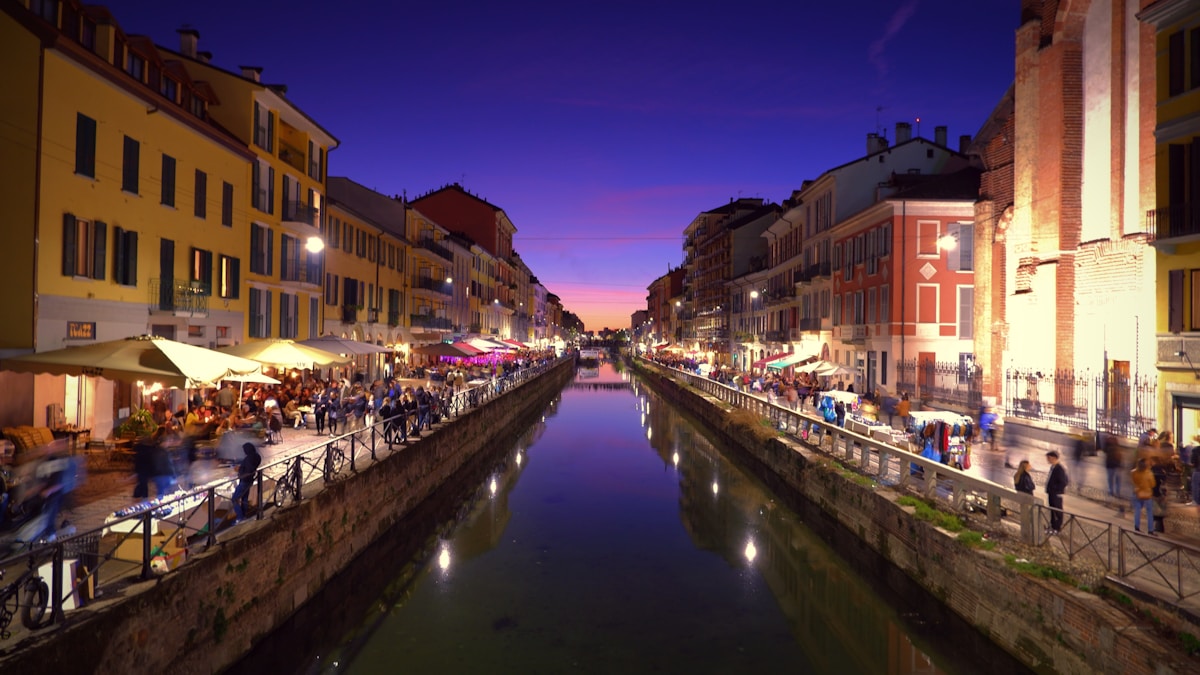
Milan food guide - risotto alla Milanese, cotoletta, aperitivo culture, Navigli food walk, and the best restaurants from trattorias to markets.
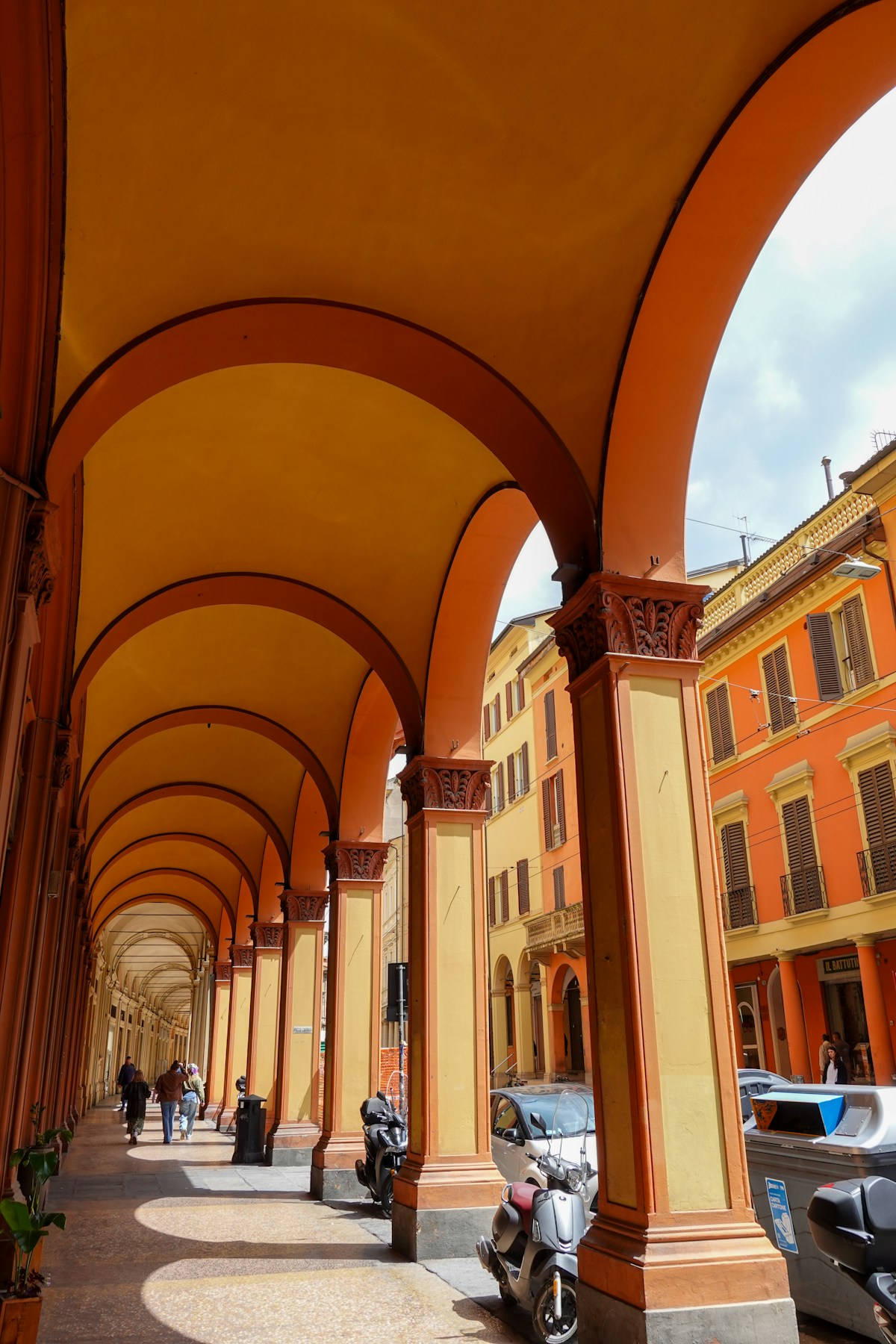
Emilia-Romagna food guide - Parmigiano-Reggiano, Prosciutto di Parma, traditional balsamic, tortellini, and the region that defines Italian cuisine.
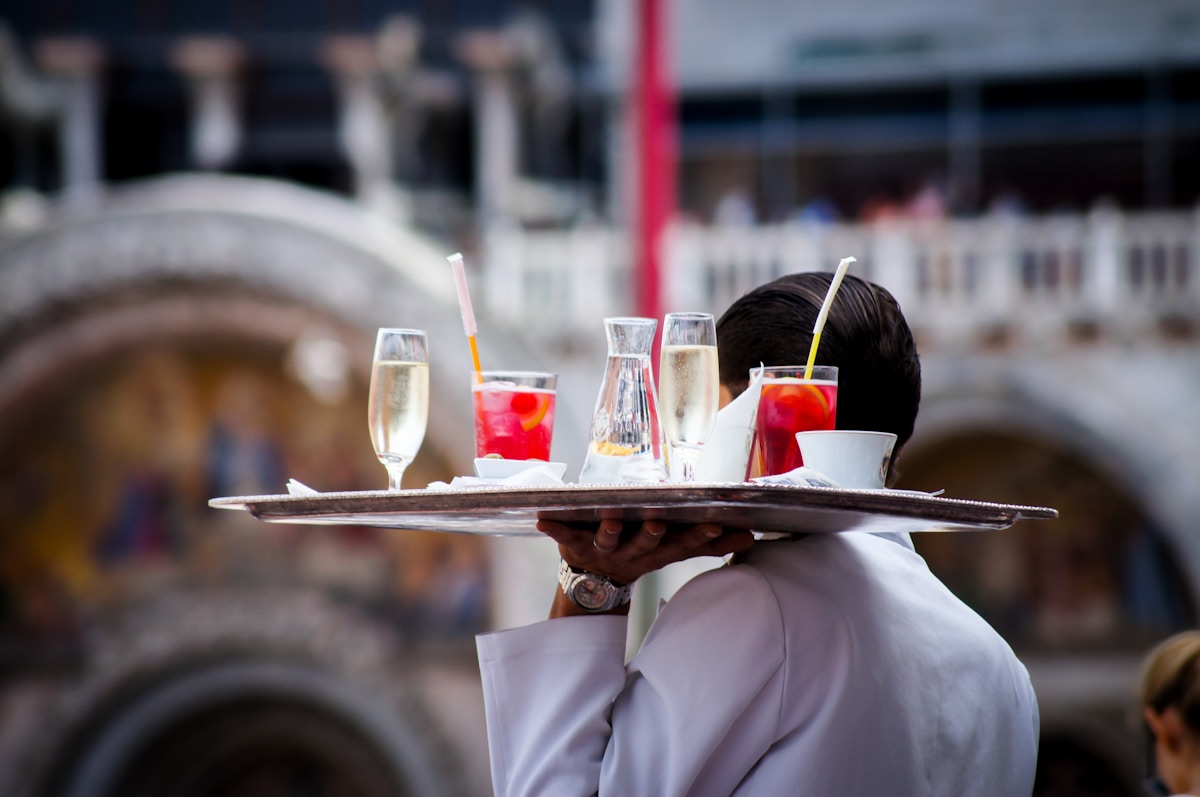
Espresso at the bar runs €1–1.50 - Naples pours the benchmark shot, Trieste has the deepest cafe culture, Caffè Florian charges €12–20 seated.
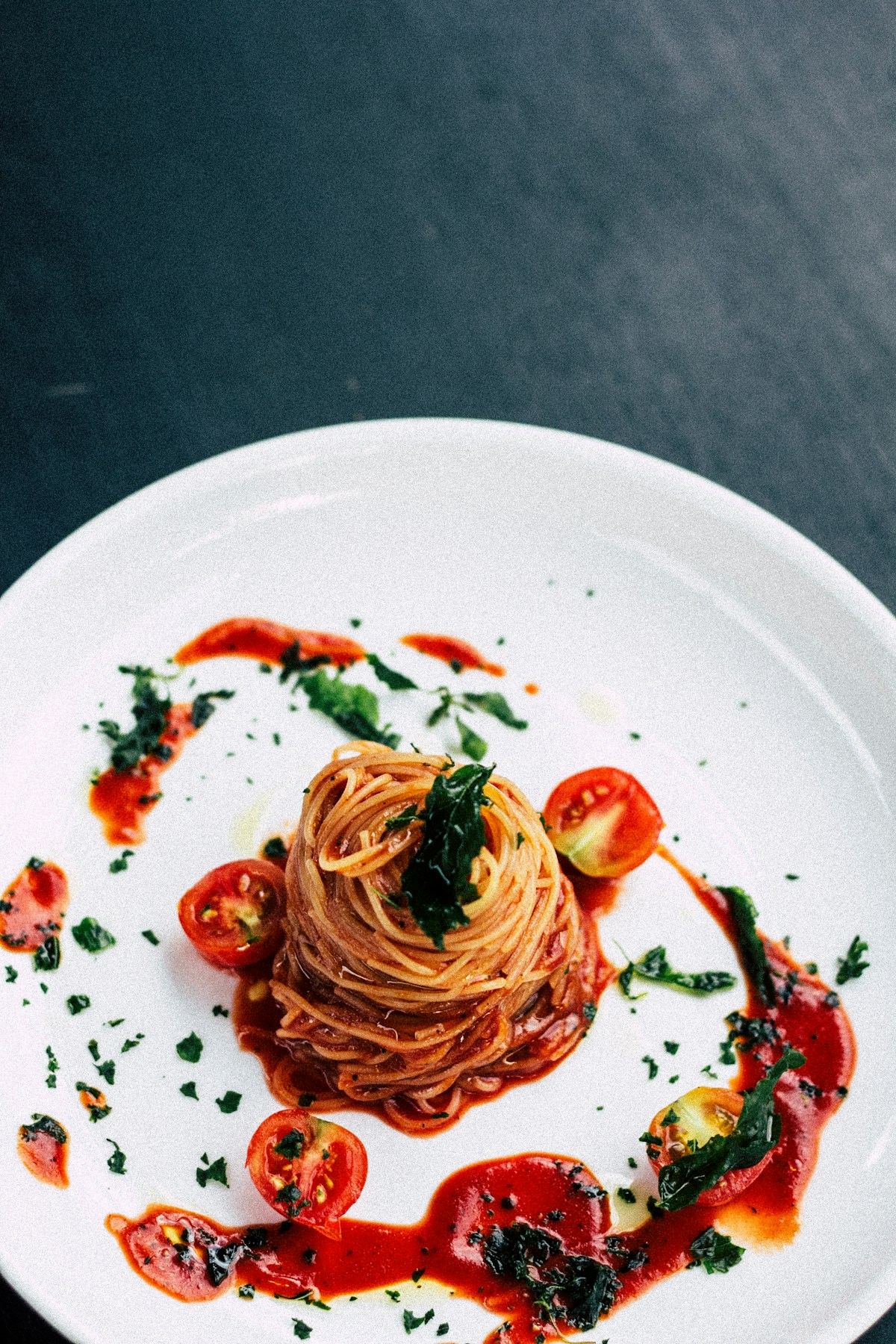
The Italian gelato guide - how to spot genuine artisan gelato, the best flavours by region, what to avoid, and why it tastes different from ice cream.
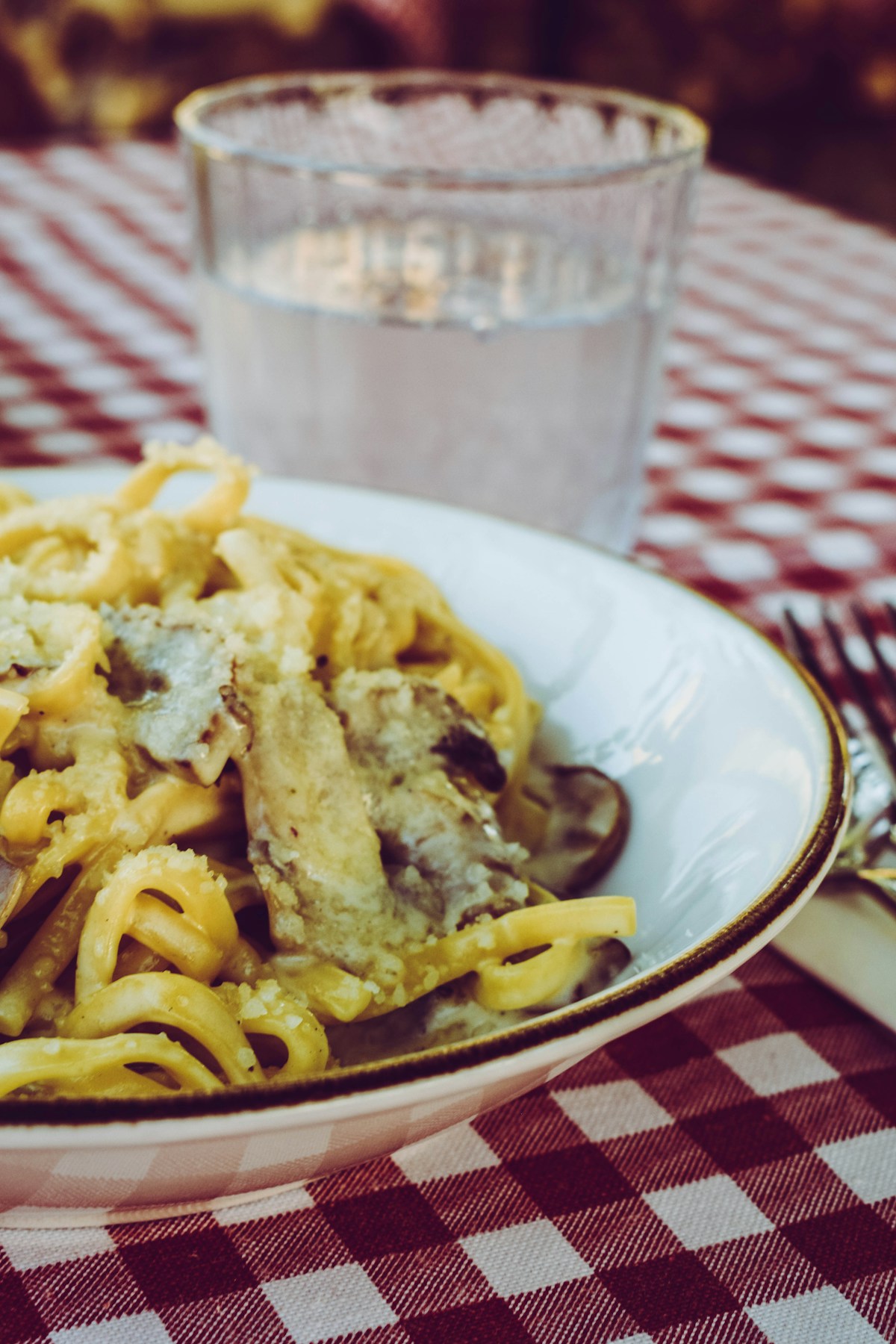
Italian pasta - fresh vs dried, the regional logic behind shapes and sauces, and why carbonara is Roman, ragù is Bolognese, and pesto is Genoese.
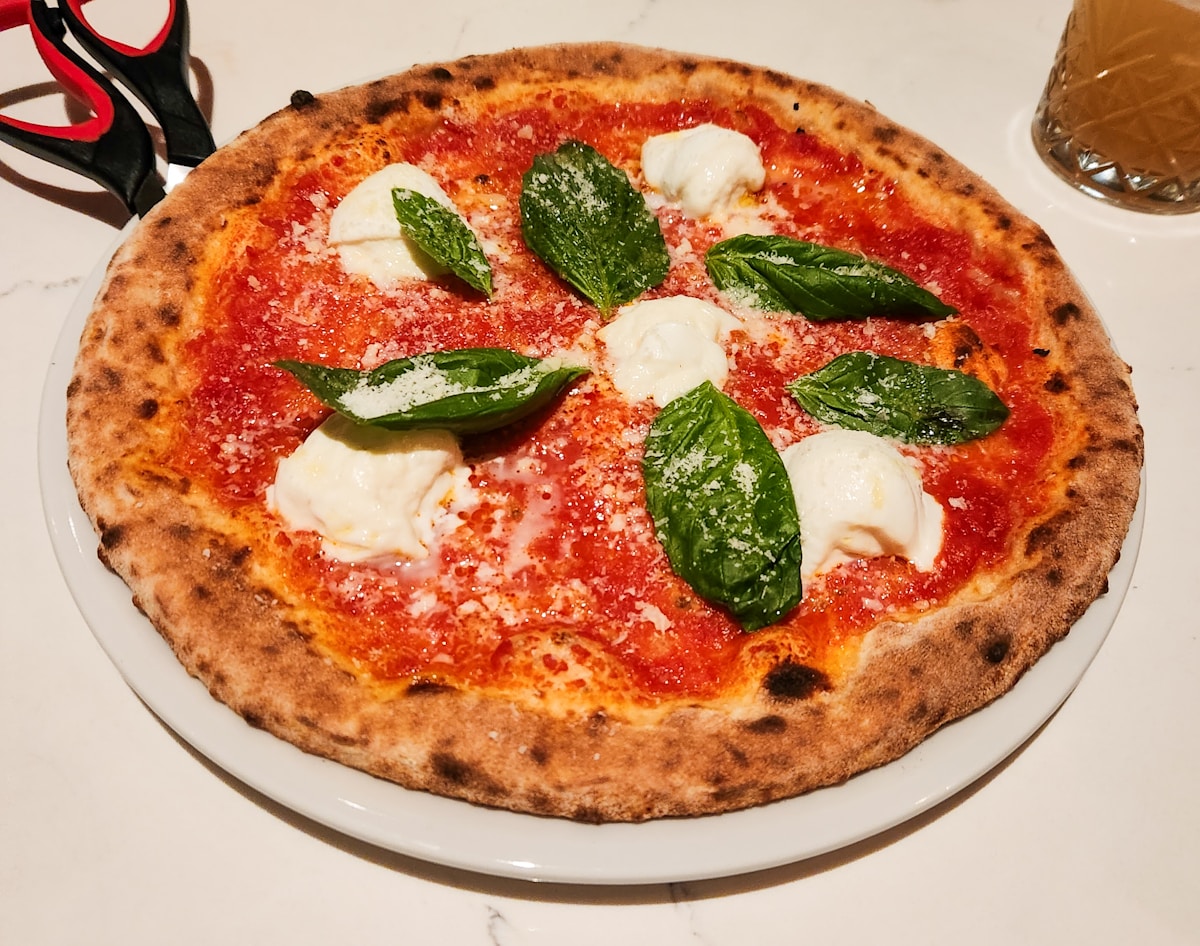
Italian pizza by region - Neapolitan, Roman, and Sicilian styles. What makes each different, where to eat it, and what to order.
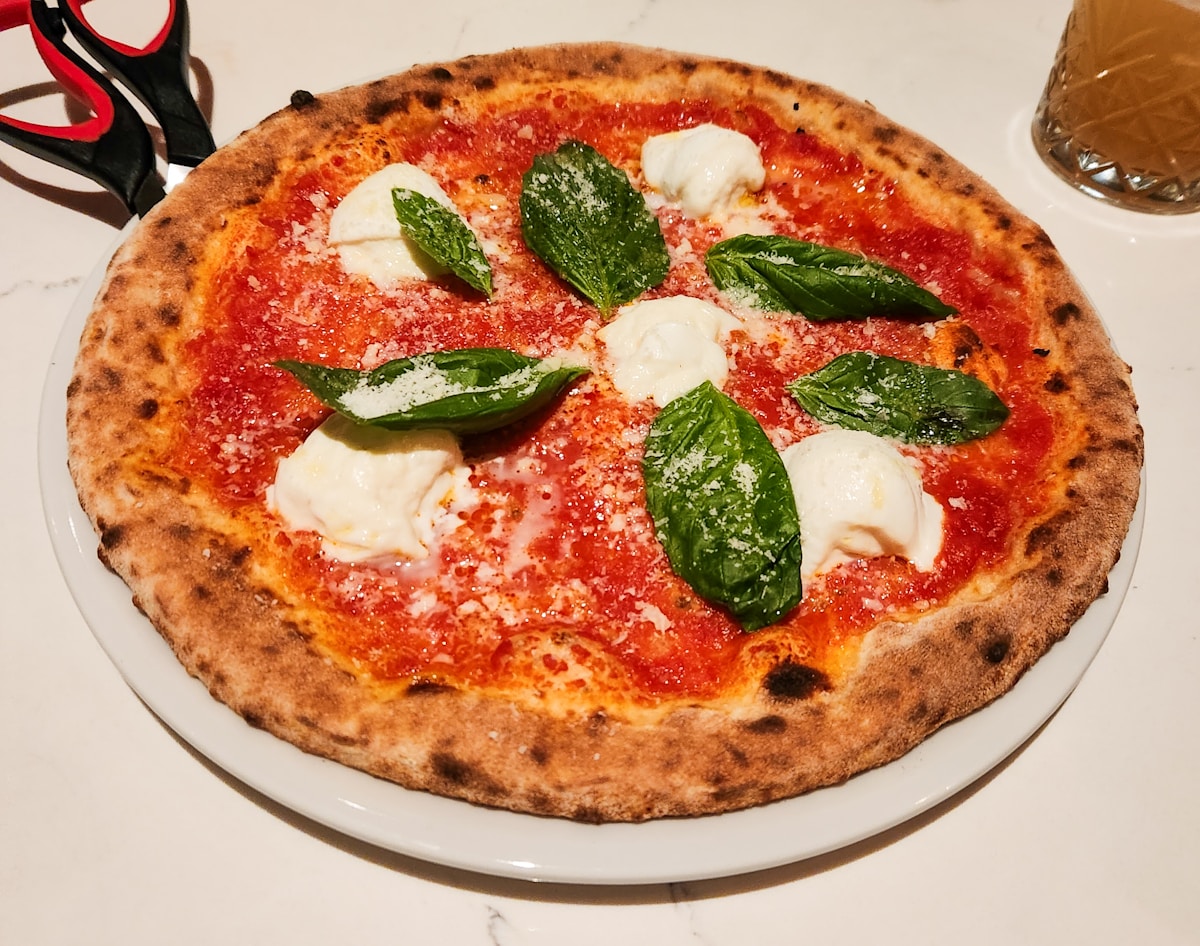
The essential guide to Italian wine - the key regions, the grapes, and what to order. Barolo, Chianti, Amarone, Prosecco, and how the DOC system works.
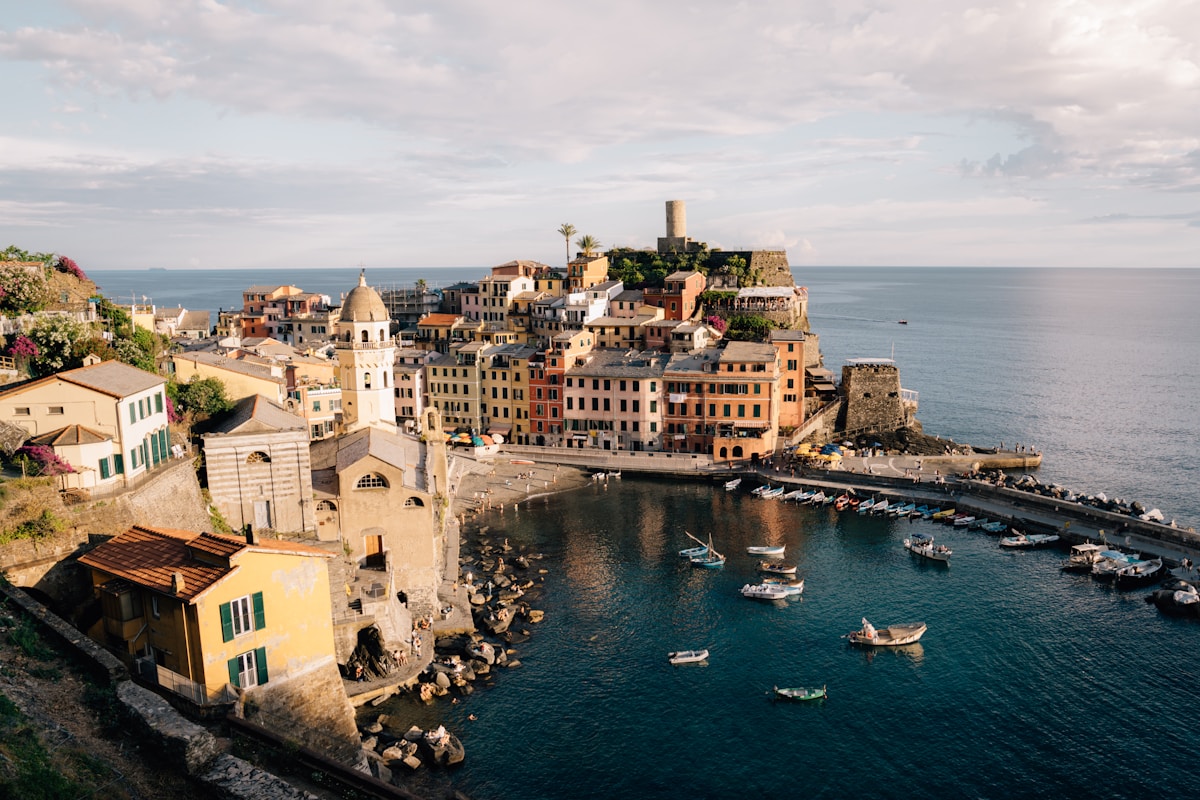
Guide to Ligurian food: Genovese pesto, farinata, focaccia, trofie pasta, and the cooking of the Italian Riviera from Genoa to Cinque Terre.
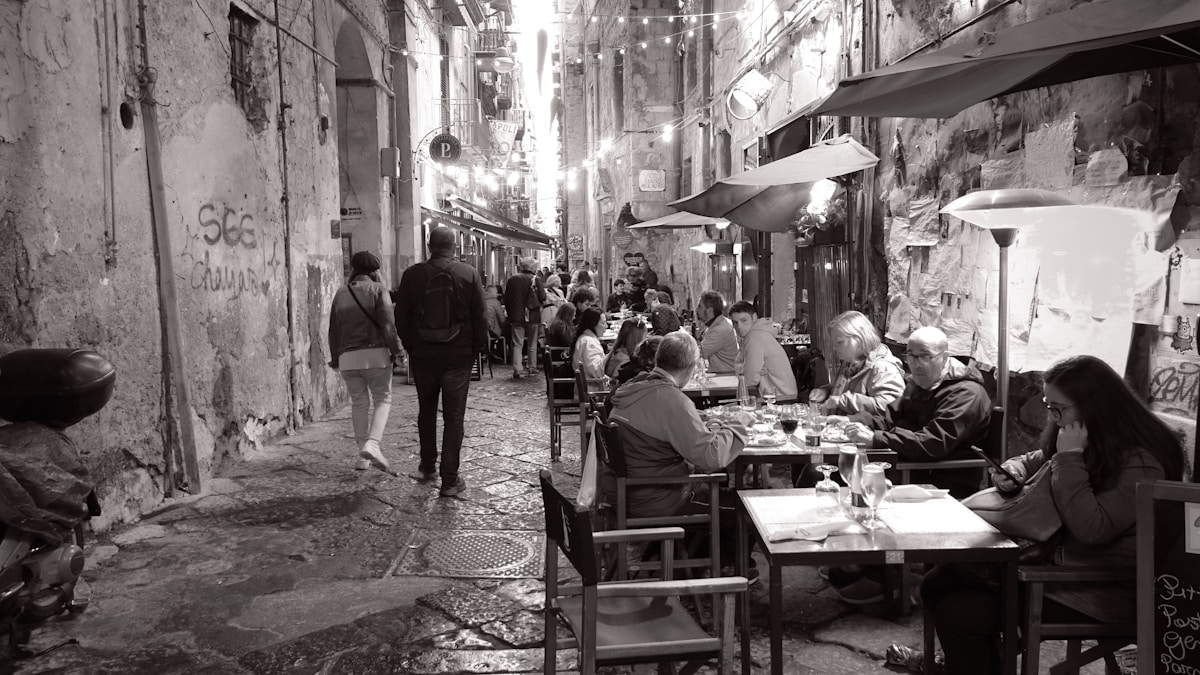
Neapolitan food guide - the original pizza, ragù napoletano, sfogliatelle, and the Campanian food culture that shaped Italian cooking globally.

The essential guide to Pugliese food - orecchiette, burrata, focaccia barese, fave e cicorie, raw seafood, and the best places to eat across Puglia.
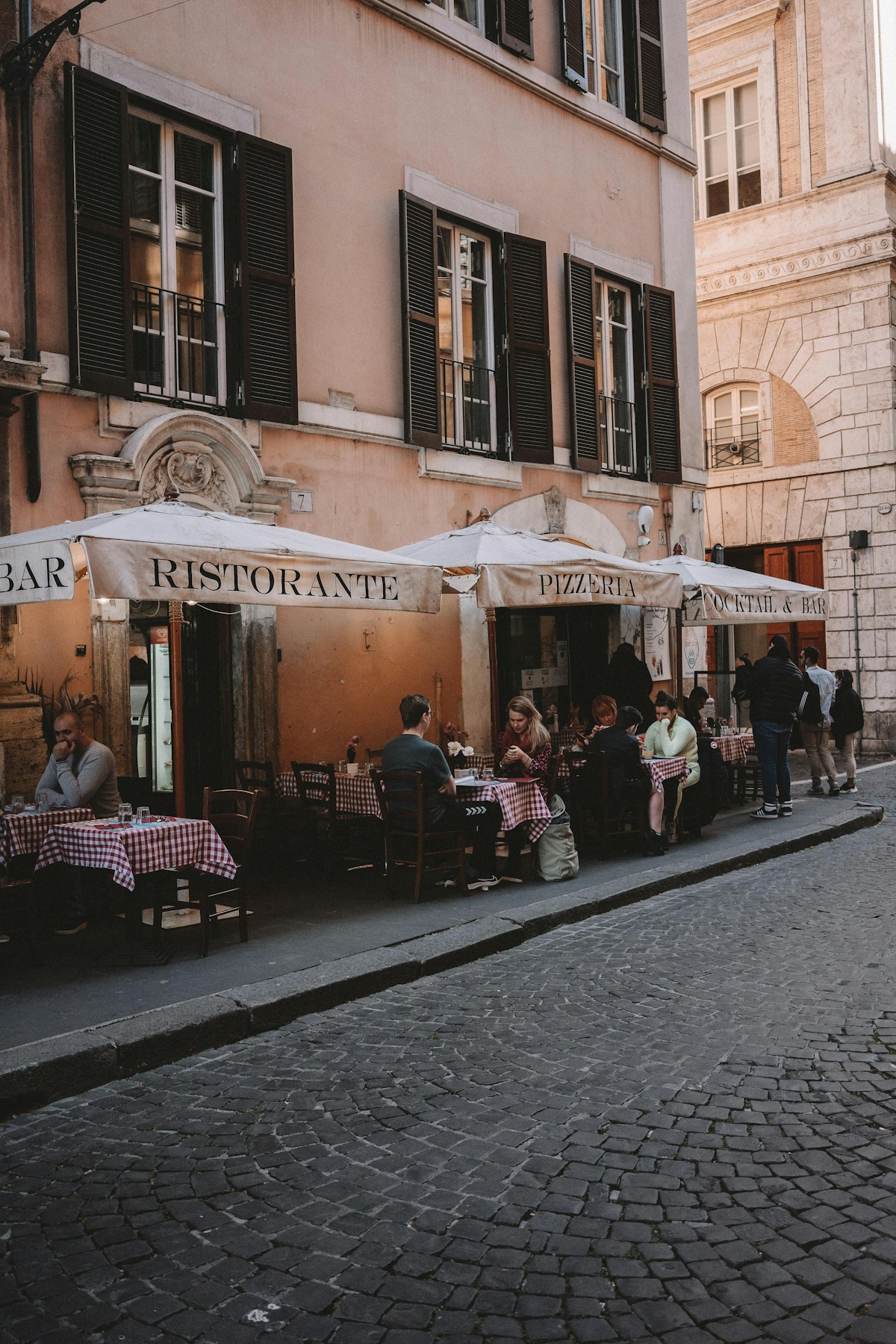
Eating in Rome - carbonara, cacio e pepe, supplì, Jewish-Roman cooking, the best trattorias, and where to find each dish at its best.
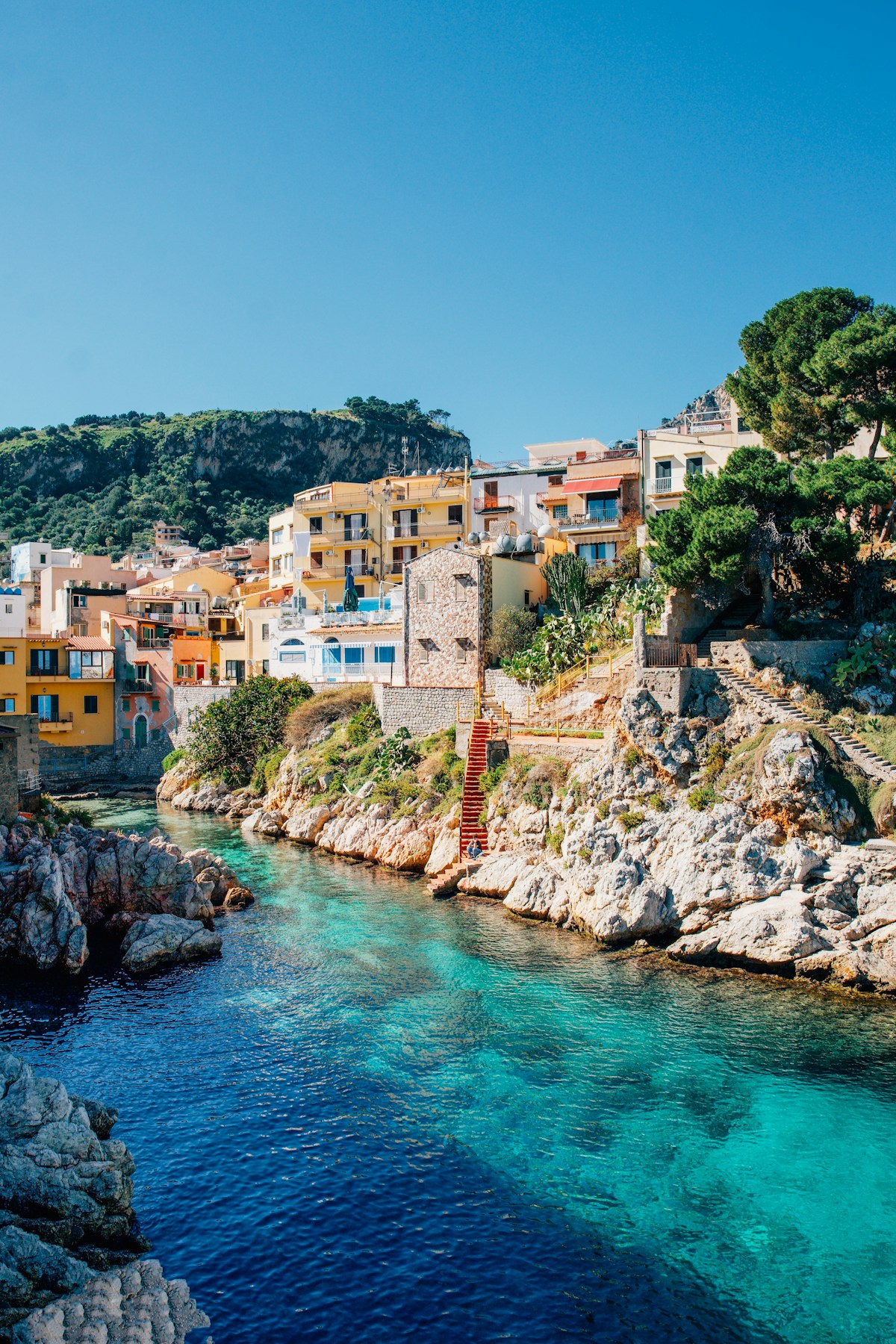
Sicilian food guide - arancini, pasta alla Norma, granita, cannoli, and the Arab-Norman-Greek culinary heritage that makes Sicilian cooking unique.
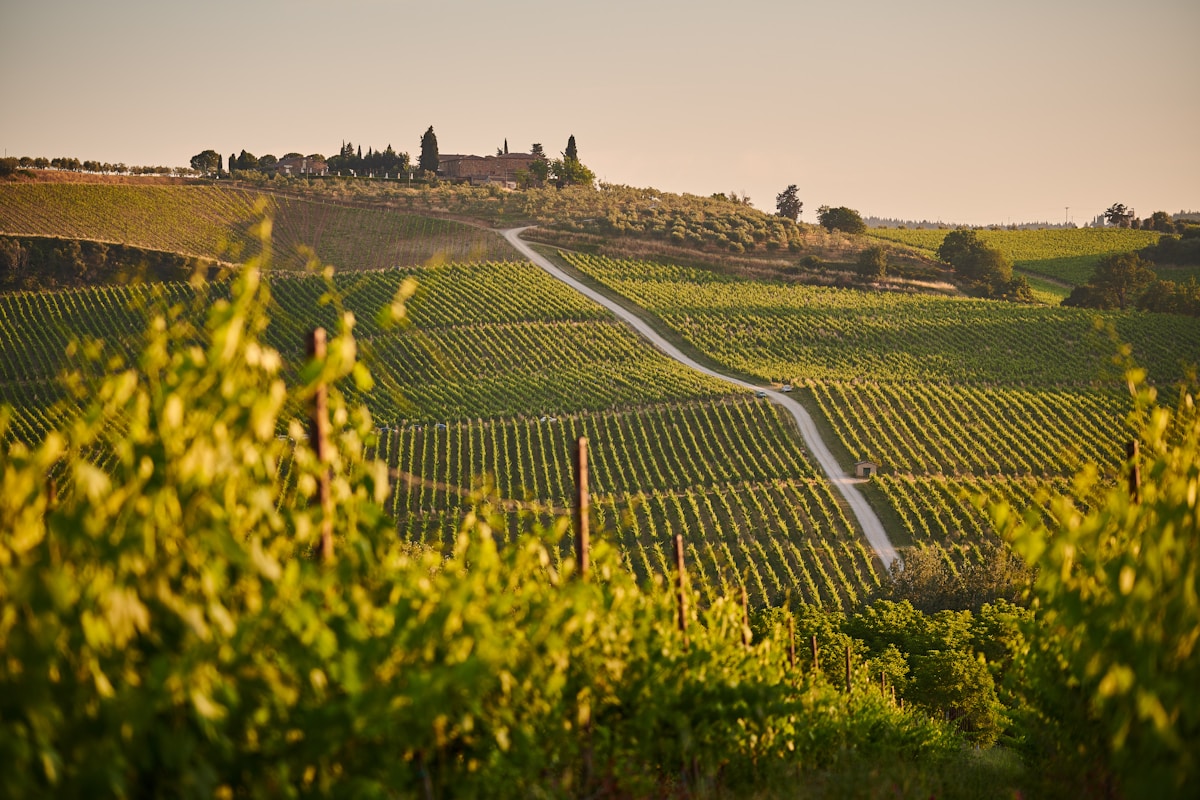
The essential guide to Tuscan food - bistecca, ribollita, pici pasta, Pecorino di Pienza, Chianti wine, and where to eat it properly across the region.
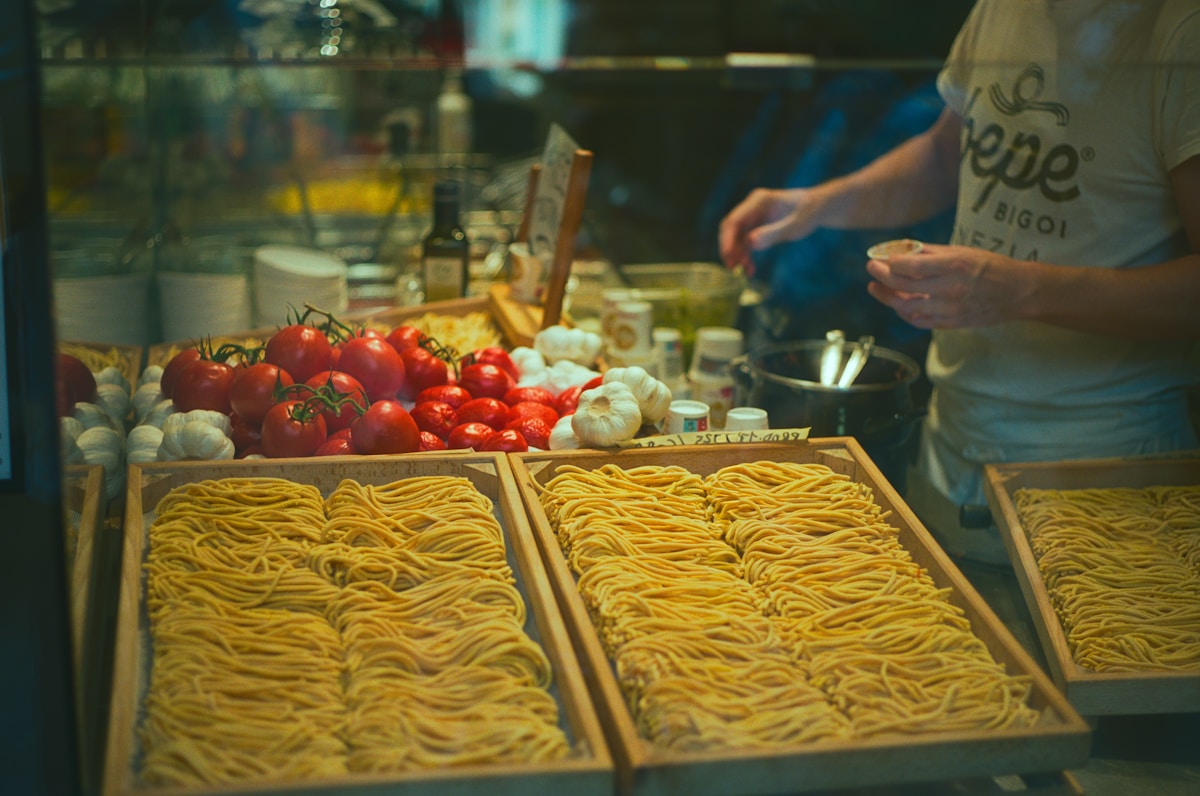
The complete guide to Venetian food - cicchetti, sarde in saor, risi e bisi, the bacaro wine bar tradition, and where to eat well in Venice.
Book an experience
Market visits, pasta-making workshops, wine tastings, and street food walks. Book direct with local operators.
Explore the food scene city by city