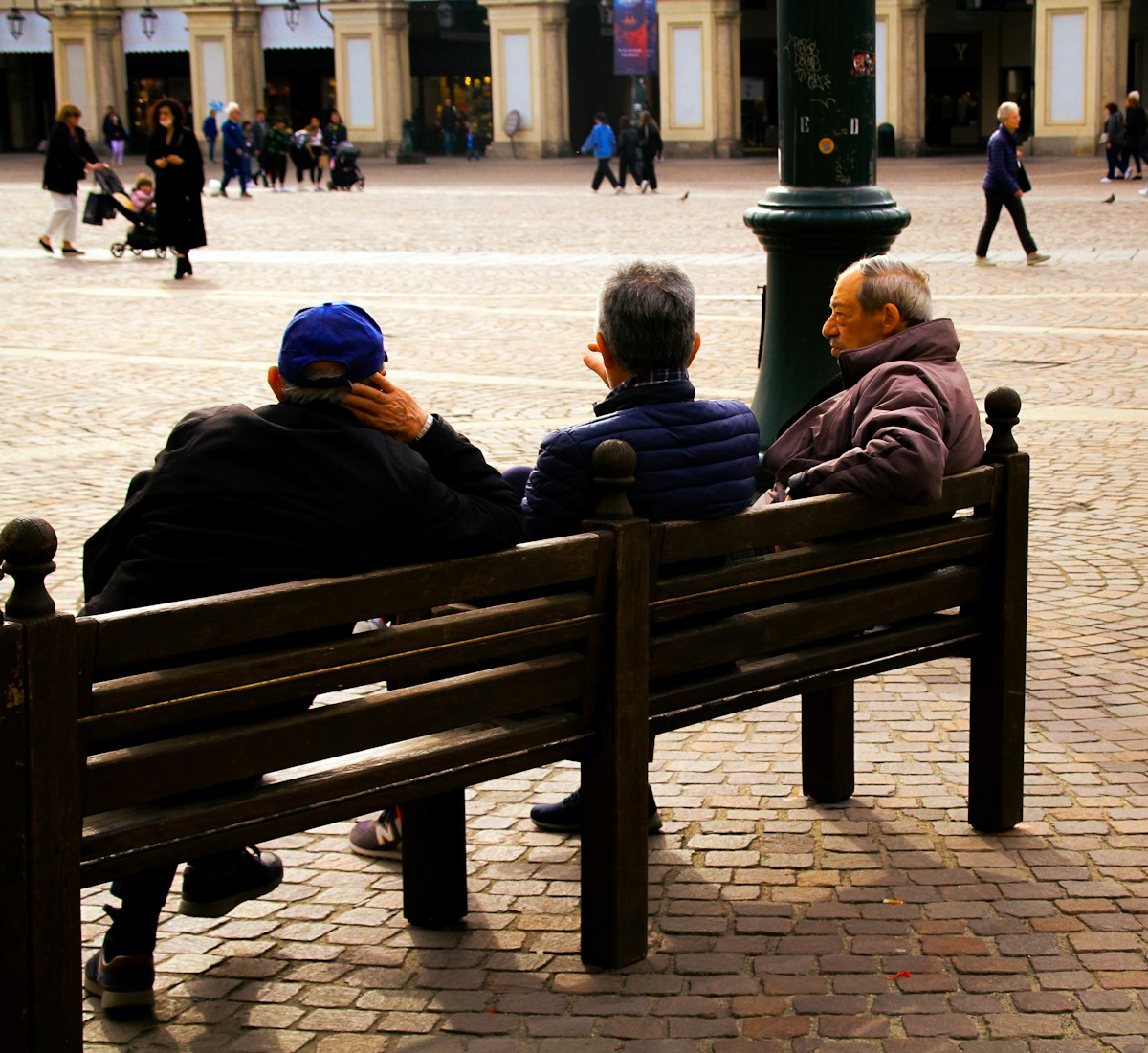
Turin is the capital of Piedmont, which many informed people consider the best food and wine region in Italy. The food is rich, the portions generous, the butter and cream more present than in southern Italian cooking, and the ingredient quality - from white truffles in October to the Fassona beef of the Langhe - is exceptional. The café culture is the oldest in Italy. The chocolate is world-class. Coming to Turin primarily to eat and drink is a legitimate plan.
The essential dishes
Vitello tonnato - cold sliced veal covered in a tuna, anchovy, and caper sauce. Sounds unlikely; is extraordinary when made properly. A Piedmontese summer antipasto, now year-round.
Tajarin - thin egg pasta ribbons, the Piedmontese version of tagliolini. Made with a high proportion of egg yolks, giving a rich yellow colour. Traditionally served with a butter and sage sauce, or with the local Fassona meat ragù. In autumn, shaved white truffle over butter-dressed tajarin is the definitive Piedmontese dish.
Brasato al Barolo - braised beef, slow-cooked in Barolo wine. The result is deep, complex, and rich. Served with polenta or potato gnocchi.
Agnolotti del plin - small pinched pasta parcels filled with a mixture of roast meats. The filling is traditionally made from the pan drippings and leftover roast meats; the result is intensely savoury. Served in brodo (broth) or al sugo (with butter and a few drops of ragù).
Bagna cauda - literally “warm bath” - a hot dip of garlic and anchovy in olive oil and butter, served with raw and roasted vegetables for dipping. A communal winter dish, traditionally eaten when the new wine arrives in November. Some restaurants serve it year-round.
Finanziera - a traditional offal stew of chicken livers, sweetbreads, kidneys, veal brains, and combs, cooked in a Marsala and wine reduction. An acquired taste and increasingly rare on menus.
Fritto misto piemontese - an extraordinary Piedmontese fried dish that includes sweet and savoury items together: veal, liver, sweetbreads, brains, vegetables, semolina, apple rings, amaretto biscuits, and sometimes chocolate - all deep-fried. Rich, unusual, and very Piedmontese.
The sweets and cafes
Bicerin - Turin’s signature hot drink, served in a small glass: layers of espresso, drinking chocolate (cioccolata calda), and whipped cream. Traditionally not mixed - you drink through the cream into the chocolate and coffee. Named after the glass it’s served in.
Gianduja - the hazelnut-chocolate blend invented in Turin in the early 19th century when a cocoa shortage led chocolatiers to extend the chocolate with local Langhe hazelnuts. Pernigotti and Caffarel are the traditional names; Nutella is the industrial descendant. Giandujotti are the traditional wrapped chocolates in a distinctive boat shape.
Marrons glacés - candied chestnuts, a Piedmontese speciality. The best come from Cuneo.
The historic cafes on Piazza San Carlo (Caffè Torino, Caffè San Carlo) serve aperitivo and have been functioning since the 18th–19th centuries. Baratti & Milano in the Galleria Subalpina is particularly fine for chocolate and pastries.
The wines of Piedmont
Piedmont is to Italy what Burgundy is to France: the region that produces the most complex, serious, and age-worthy red wines. The main DOCGs:
Barolo - “the king of wines.” Made from Nebbiolo grapes in a small zone south of Alba. Often tannic and austere in youth, opening up into complex, ethereal wines with 10–30 years of ageing. The top producers: Giacomo Conterno, Bruno Giacosa, Bartolo Mascarello, Gaja, Beppe Rinaldi.
Barbaresco - also Nebbiolo, from the area north-east of Alba. Generally more approachable younger than Barolo. Gaja is the most famous name.
Barbera d’Asti / Barbera d’Alba - Barbera grape, producing approachable, fruit-forward reds that are good for everyday drinking.
Moscato d’Asti - sweet, lightly sparkling white from Moscato Bianco grapes. Lower in alcohol (5–6%), excellent with pastries.
In Turin, wine shops (enotecas) throughout the Quadrilatero Romano and the historic centre stock the full Piedmontese range. The region’s wines are widely available by the glass at any respectable restaurant.
A Turin food tour taking in the covered market at Porta Palazzo, the historic cafés, and the gianduja chocolate tradition is the most efficient way to cover the highlights in a single session.
Back to the full Turin travel guide for museums, royal palaces, and city logistics. For Piedmontese wine context beyond the city - Barolo, Barbaresco, Moscato d’Asti - our Italian wine guide covers the full Piedmont wine zones. For a day in the Langhe wine country from Turin, see the day trips from Turin guide. For where to sleep in Turin, see the best hotels in Turin. Turin is included in our northern Italy itinerary as a logical entry point to the north.
Take a Guided Food Tour of Turin
Turin has one of the highest concentrations of quality food shops in Italy — the Eataly flagship, the historic Porta Palazzo market (the largest open-air market in Europe), the chocolate producers that invented gianduja, and the family-run trattorias serving tajarin with truffle and vitello tonnato. A food walk through the Quadrilatero Romano and Porta Palazzo, with stops at the historic caffè and a lunch at a traditional piola, gives you the full Turinese food picture in a morning. Browse Turin food tours on GetYourGuide.
Where to stay in Turin: Find hotels in Turin — search accommodation across all budgets.