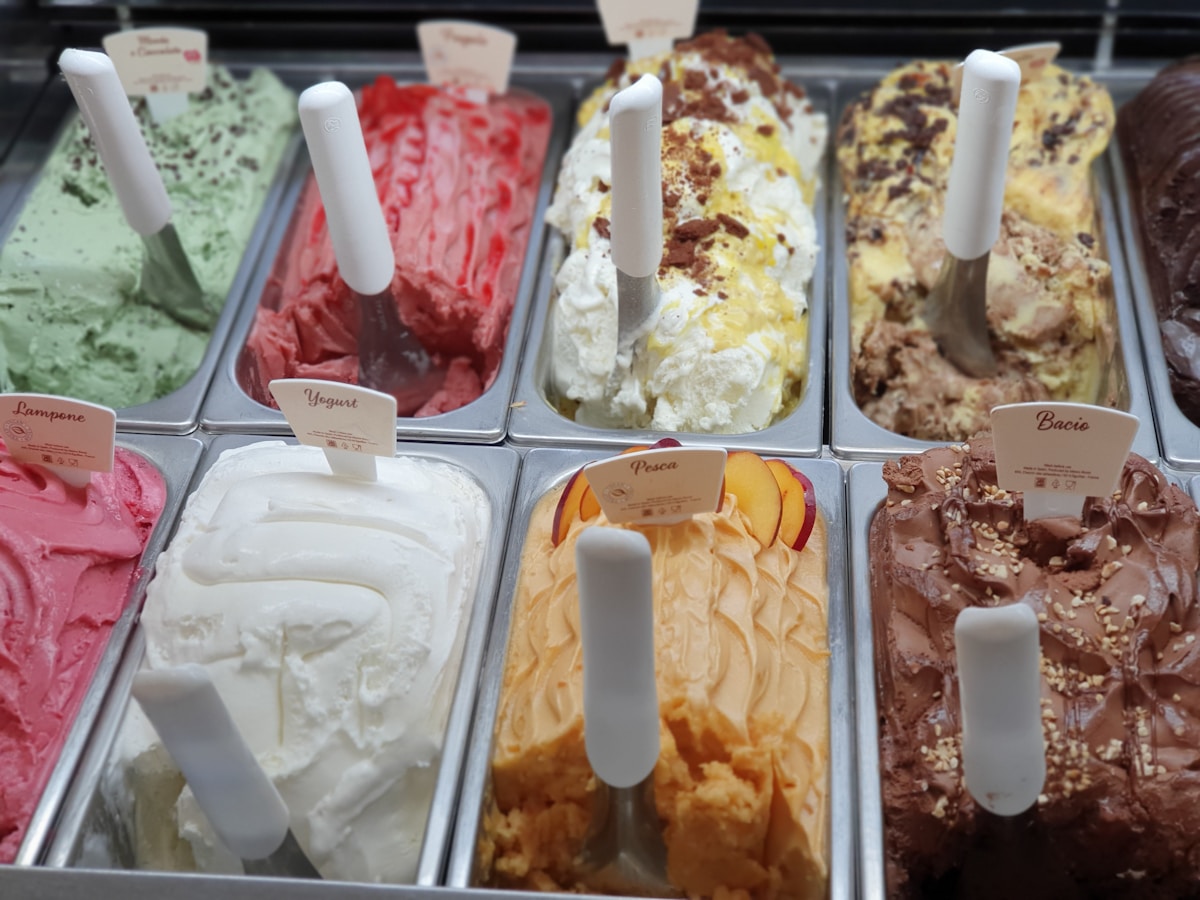
Pisa has a food culture that most visitors miss entirely - they arrive, photograph the tower, and leave. The city along the Arno, away from the Piazza dei Miracoli, has a genuine market food tradition with Ligurian influences (Pisa controlled a Mediterranean trading empire before Genoa overtook it) and maritime products that reflect its port history.
What to Eat
Cecina (or torta di ceci) - a thin, crispy chickpea flatbread baked in a wood-fired oven. The Pisan and Ligurian (farinata) versions are almost identical - brought by Ligurian trade influence. Sold by weight in bakeries and eaten on the street. Served with black pepper and sometimes rosemary. One of the best cheap foods in Tuscany.
Baccalà alla pisana - salt cod braised with tomatoes, olives, capers, and herbs. Pisa’s port heritage ensured a strong baccalà tradition. Different from the Florentine or Venetian versions - more assertively seasoned.
Trippa alla pisana - braised tripe with tomato, sage, and aged pecorino. The Pisans eat offal as enthusiastically as Florentines and Romans. The market area around Piazza delle Vettovaglie has stalls that sell tripe sandwiches.
Schiacciata - flat, oily bread similar to focaccia, but thinner and crisper. Sold in bakeries and eaten with local cured meats. The olive oil content is the defining element.
Torta coi becchi - a sweet tart made with Swiss chard, pine nuts, raisins, and candied citrus in a shortcrust pastry shell. The sweet-savoury filling (sugar and greens together) is medieval in character. A Pisan Easter speciality.
The Market
Piazza delle Vettovaglie - the covered market square between the Arno and the Campo - is Pisa’s food heart. Fruit, vegetables, cheese, olives, and cooked food stalls. The Friday market is the largest. Eating in the surrounding bars and small restaurants is dramatically better value than anything near the Piazza dei Miracoli.
Wine
Pisa is in the Tuscan wine region but has its own DOC (Bianco Pisano di San Torpè) - a dry white from Trebbiano and Malvasia grapes. Not the most exciting wine, but local and available. The broader Tuscan reds (Chianti from the nearby Colline Pisane, Morellino di Scansano from the Maremma to the south) are better choices.
Take a Guided Food Tour of Pisa
Pisa’s food is straightforward Tuscan cooking at lower prices than Florence — cecina (chickpea flour flatbread), ribollita, bistecca from Chianina cattle, and Vernaccia di San Gimignano wine from vineyards 30 kilometres east — and the city’s compact old centre makes a food walk practical. A morning tour covering the Mercato Vettovaglie (the covered food market off Piazza dei Cavalieri), the bakeries on Via Oberdan, and a lunch stop for cecina and wine takes two to three hours. Browse Pisa food tours on GetYourGuide.
Practical Note
Pisa is genuinely better to eat in than its reputation suggests. The tourist trap restaurants cluster around the Piazza dei Miracoli; the real city eating happens along the Arno, in the market area, and in the university district around Piazza dei Cavalieri. Ten minutes’ walk from the Leaning Tower takes you into a different city.
Named restaurants
Il Montino (Vicolo del Monte 1) - Legendary cecina and pizza shop near the university. Cecina slices from approximately €2–3 as of 2026. Standing room mostly. The cecina is the standard by which all Pisan versions are judged. Open daily.
Osteria dei Cavalieri (Via San Frediano 16) - Traditional Tuscan dishes in the university quarter. Ribollita, pappa al pomodoro, grilled meats. Mains approximately €10–14. Closed Sunday.
Trattoria La Buca (Via Galli Tassi 6) - Reliable Pisan home cooking. Pasta al ragù, baccalà alla pisana, seasonal vegetables. Mains approximately €12–16. Closed Monday.
Trattoria Sant’Omobono (Piazza Sant’Omobono 6) - Near the market, serving inexpensive lunches to locals and students. Mains approximately €8–12. Cash only. The daily specials are the best value.
Practical tips
The university presence keeps Pisa’s restaurant prices honest - a full meal with wine in the university district costs approximately €20–30 per person, significantly less than tourist-heavy Florence. A food tour of Pisa taking in cecina, the Vettovaglie market, and baccalà alla pisana is an efficient way to eat through the highlights with local guidance. The area around Via Santa Maria (near the tower) has the worst value; the streets along the Arno and around Piazza dei Cavalieri have the best.
Back to the full Pisa travel guide for the Piazza dei Miracoli, the Leaning Tower, and the Arno waterfront. For things to see in Pisa, see things to do in Pisa. For day trips to Florence, Lucca, and the Cinque Terre, see day trips from Pisa. For accommodation, see best hotels in Pisa. For the broader Tuscan food tradition - bistecca, ribollita, and Chianti - see our Tuscan food guide.
Where to stay in Pisa: Find hotels in Pisa — search accommodation across all budgets.