Pisa Travel Guide: Beyond the Leaning Tower
Campo dei Miracoli, Baptistery, Camposanto frescoes, and Pisa's Arno riverfront: a complete city guide beyond the Leaning Tower.
Guides for Pisa
Pisa is primarily visited for one reason: the Leaning Tower. That’s a fair reason - the Campo dei Miracoli (Field of Miracles) is genuinely extraordinary, and the tower more impressive in person than photographs suggest. But Pisa is also a university city with a lively centre, good food, and enough beyond the tower to merit a half-day rather than the two-hour coach-tour stop most visitors allow.
The Campo dei Miracoli
The Campo dei Miracoli is a large green lawn on the northern edge of the old city containing four extraordinary Romanesque buildings built in white marble between the 11th and 14th centuries.
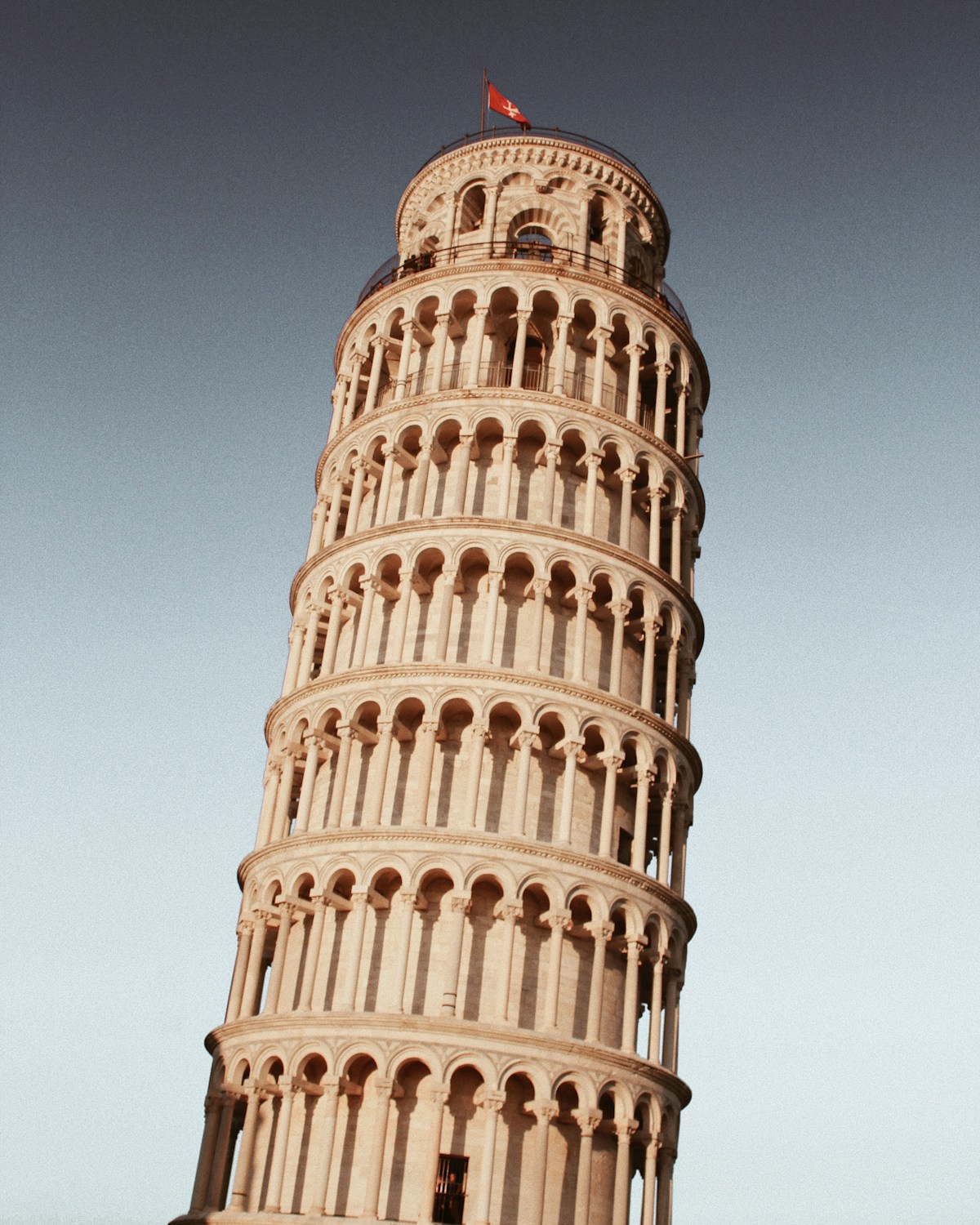
The Leaning Tower - 56m tall, begun in 1173, began leaning during construction due to soft subsoil on the south side. It was stabilised between 1990 and 2001 (the lean reduced from 5.5° to 3.97°). Climbing the tower (294 steps, deliberately disorienting due to the lean) requires advance booking at opapisa.it. Entry approximately €20 as of 2026. Timed entry in groups of approximately 30, maximum numbers strictly enforced. Children under 8 not admitted. Allow 30 minutes for the climb.
The Cathedral (Duomo) - One of the finest Romanesque buildings in Italy. The pulpit by Giovanni Pisano is exceptional. Entry is free but requires a ticket (available at the ticket office or online). Open daily; hours vary seasonally.
The Baptistery - The largest baptistery in Italy (circumference 107m). The acoustic effects inside (a single note sustains for 10 seconds) are demonstrated by attendants on the half-hour. Entry approximately €7; combined tickets with other monuments available.
The Camposanto - The monumental cemetery cloister, built in 1277. The frescoes inside (including the Triumph of Death) were badly damaged in WWII bombing; the restoration is ongoing. The earth inside was said to have been brought from Golgotha during the Crusades. Entry approximately €7.
Ticketing: Combined tickets offer savings - all four monuments plus the Sinopie Museum approximately €27. Available at opapisa.it or the ticket office on the Campo. Buy the tower ticket online well in advance (slots fill up, especially in summer).
Beyond the Campo
Piazza dei Cavalieri - The second great square of Pisa, designed by Vasari for the Knights of St. Stephen in the 16th century. The Scuola Normale Superiore, one of Italy’s most elite universities (founded by Napoleon in 1810), occupies the Palazzo della Carovana. The square is architecturally impressive and far less crowded than the Campo.
Borgo Stretto - The medieval arcaded shopping street, with cafes, bookshops, and the daily market. Connects the Campo area to the river.
The Lungarni - The streets along the Arno river are Pisa’s most atmospheric district, particularly at sunset. The tiny church of Santa Maria della Spina on the south bank is a Gothic miniature that looks like a reliquary scaled up to building size.
Museo Nazionale di San Matteo (Piazza San Matteo in Soarta) - Pisa’s main art museum, housed in a former convent on the Arno. Strong collection of Pisan Romanesque and Gothic painting and sculpture. Entry approximately €5. Closed Monday.
Keith Haring mural (rear of the church of Sant’Antonio Abate, Piazza Vittorio Emanuele II) - Tuttomondo, painted by Keith Haring in 1989, one of his last works. A 180-square-metre mural depicting 30 interlocking figures. Free and publicly visible.
Where to eat
Pisan cuisine follows Tuscan traditions: ribollita, panzanella, and grilled meats. The university gives the city better-value restaurants than tourist-heavy Florence. Osteria dei Cavalieri (Via San Frediano 16 - mains approximately €10–14) serves traditional Tuscan dishes. Il Montino (Vicolo del Monte 1) is a legendary cecina (chickpea flatbread) and pizza shop - slices from approximately €2–3. Trattoria La Buca (Via Galli Tassi 6 - mains approximately €12–16) is reliable for Pisan home cooking.
Where to stay
Most visitors day-trip from Florence, but staying overnight means seeing the Campo without the coach crowds (empty by 8pm). Budget: approximately €50–70/night near the station. Mid-range in the centro: approximately €80–130/night. Hotel Bologna (Via Mazzini 57) offers doubles from approximately €80/night, 10 minutes’ walk from the Campo.
Getting there
Pisa Centrale station: regional trains to Florence approximately 60 minutes (approximately €9). The Pisa Mover (automated train) connects Pisa Galileo Galilei Airport (PSA) to Pisa Centrale in 5 minutes (approximately €5). The airport has Ryanair and easyJet flights from across Europe, making Pisa a practical entry point for Tuscany.
Practical details
Leaning Tower booking: Book at opapisa.it - slots fill weeks ahead in summer. The website sells timed entry by date and hour. Cancellations are common and slots reappear close to the date; checking the morning before a visit can work in low season. Children under 8 are not permitted on the tower (safety regulation). The tower climb takes approximately 30 minutes; the stairs are deliberately disorienting due to the lean.
Campo dei Miracoli combined ticket strategy: The combined ticket for all four monuments (Leaning Tower entry not included - that’s a separate booking) costs approximately €27 and covers the Cathedral, Baptistery, Camposanto, and Sinopie Museum. Buy the tower ticket online separately (approximately €20). The Cathedral entry is free but requires a free ticket from the office.
Beyond the Campo: Most visitors spend 2–4 hours at the Campo and leave. Those who stay discover that Pisa’s university centre around Piazza dei Cavalieri and Borgo Stretto is genuinely pleasant - cafe prices are at local rather than tourist rates, and the Arno is beautiful at sunset. Pasticceria Salza (Borgo Stretto 46, open since 1898) is the classic Pisan cafe for pastries.
More accommodation options: Budget near station: approximately €50–70/night. Hotel Bologna (Via Mazzini 57 - doubles from approximately €80/night as of 2026) is reliable, 10 minutes’ walk from the Campo. Relais dell’Orologio (Via della Faggiola 12/14 - doubles from approximately €140/night) is a boutique hotel in a converted medieval watchtower, inside the old city walls. For visitors using Pisa as a Tuscany base: Lucca (30 minutes by regional train, approximately €4) and Florence (60 minutes, approximately €9) are the most practical day trips.
From Pisa airport into Tuscany: Pisa Galileo Galilei Airport is one of the most practical entry airports for Tuscany. The Pisa Mover connects to Pisa Centrale in 5 minutes (approximately €5); from Pisa Centrale, regional trains reach Florence in approximately 60 minutes (approximately €9), Lucca in approximately 30 minutes (approximately €4), and Livorno in approximately 15 minutes (approximately €3). Car hire from the airport is well-priced and gives access to the whole Tuscan hill-town circuit.
For accommodation: Pisa hotels. For the Leaning Tower booking process, Campo dei Miracoli combined tickets, and what to see beyond the tower: things to do in Pisa. Book a guided Pisa tour to visit the Campo dei Miracoli with a licensed guide who covers the history of the tower and the Romanesque monuments. For local Tuscan food and the best restaurants: Pisa food guide and the Tuscan food guide. Pisa connects directly with Cinque Terre (90 minutes by train) - our Tuscany itinerary covers the wider region.
Upcoming Events in Pisa
La Befana - Feast of the Epiphany 2027
La Befana 2027, January 6. Italy's Epiphany gift-giving day: children receive sweets or coal from the Befana witch, then decorations come down.
Book an experience
Top experiences in Pisa
Explore the best tours and activities in Pisa, with instant confirmation and free cancellation on most bookings.