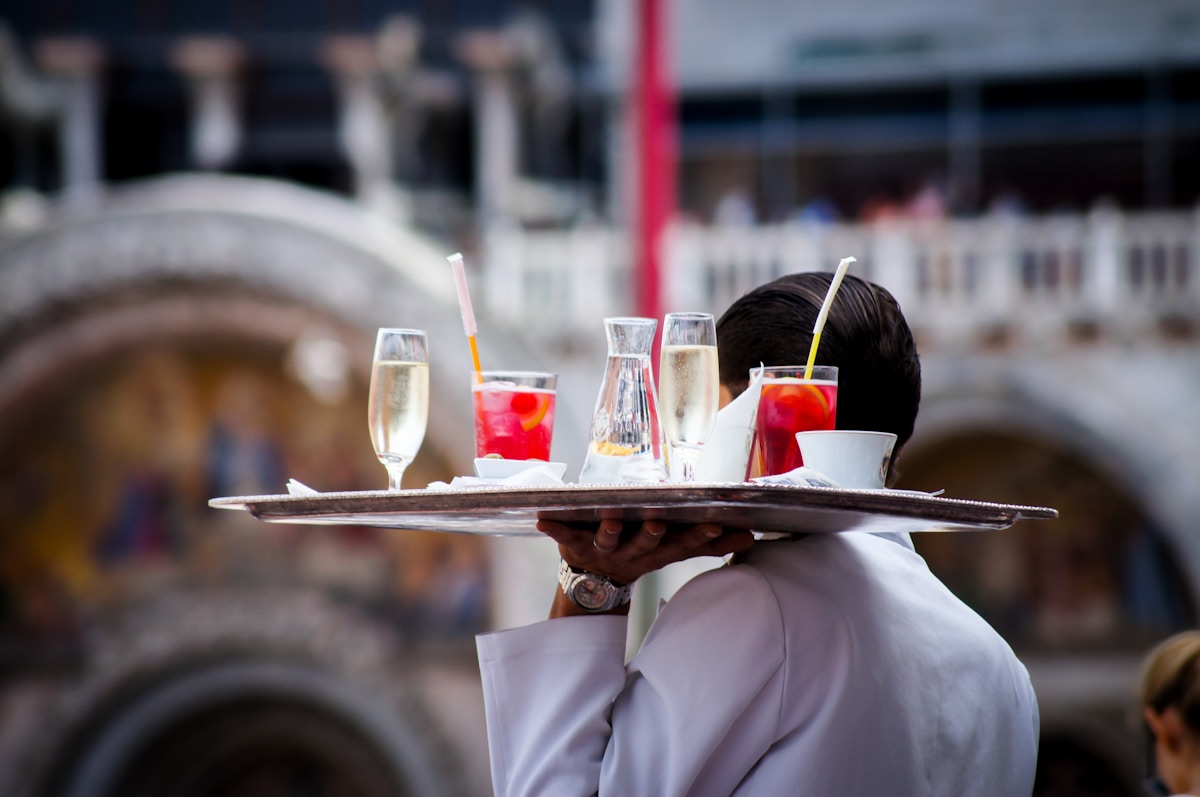
Italy invented espresso and has maintained a coffee culture that the rest of the world has been trying to replicate, with partial success, for decades. Understanding how Italian coffee works - and following the conventions - produces better results and costs less than ordering incorrectly.
The Basics
Italian coffee is built around the bar - the standing counter where most coffee is consumed. Sitting down costs more (sometimes 3–4 times more) and is reserved for longer visits. Standing at the bar, drinking your coffee in two minutes, and leaving is the norm and produces the best coffee.
The key rule: No milk in coffee after 11am. Cappuccino, latte, and any other milk-based coffee is a breakfast drink. Italians find the idea of drinking a cappuccino after a meal bizarre. After lunch or dinner: espresso, macchiato, or amaro.
The Coffee Lexicon
Caffè - what Italians order when they want espresso. Saying “espresso” marks you as a tourist. In a bar: “Un caffè, per favore.”
Caffè doppio - double espresso. Less commonly ordered than in the UK/US, but available.
Macchiato caldo - espresso “stained” with a small amount of steamed milk foam. The classic Italian middle ground between an espresso and a cappuccino. The milk quantity is measured in drops, not centilitres.
Macchiato freddo - espresso with a drop of cold milk.
Cappuccino - one-third espresso, one-third steamed milk, one-third milk foam. Served in a ceramic cup, approximately 150ml. No sugar on top; the milk is not scorched (it should be at 65°C). Drunk only in the morning.
Caffè latte - espresso with more milk than a cappuccino, less foam. Still a morning drink; rarely encountered as a separate order in traditional bars (Italians make it at home).
Caffellatte - essentially warm milk with a shot of espresso - a home breakfast drink. Not commonly ordered in bars.
Marocchino - espresso in a small glass, dusted with cocoa, with a small amount of foam. Originating in Piedmont and the north.
Americano - espresso diluted with hot water. Available everywhere; rarely ordered by Italians. The correct option if you want a longer, weaker coffee.
Caffè corretto - espresso “corrected” with a small amount of spirit - typically grappa, brandy, or Sambuca. Morning drinking in industrial northern Italy.
Shakerato - espresso shaken with ice and sugar until frothy. A summer option.
Caffè freddo - cold espresso, sometimes slightly sweetened. Common in the south in summer.
Caffè in ghiaccio - espresso served over ice. The southern Italian (especially Puglia and Calabria) summer drink.
How to Order
At the bar:
- Walk to the bar (don’t wait to be seated)
- If there’s a cashier (cassa), pay first and take the receipt to the bar
- Order: “Un caffè” / “Un cappuccino” / “Un macchiato”
- Stand and drink at the bar
- Leave
Many bars, especially in cities, require pre-payment at a separate cash register before approaching the bar. Look for a “cassa” sign or watch what other customers do.
Sugar: Italians often add sugar to espresso. The small packets or loose sugar in bowls are always available. Not required.
Regional Differences
Naples: The most intense espresso in Italy. More concentrated, more bitter, with a thicker crema. The water in Naples (from the Apennine springs) is thought to contribute to the flavour. The Neapolitan espresso is the reference point for traditional Italian coffee.
Trieste: The most sophisticated coffee culture in Italy - a legacy of the Austro-Hungarian café tradition. The vocabulary is different (see the Trieste food guide). The Illy roastery is based here; the coffee quality is consistently high.
Rome: Good espresso throughout the city. Less ritualistic than Naples; coffee bars range from excellent to tourist-trap.
Milan: The most international coffee scene - specialty coffee roasters have taken hold here faster than anywhere else in Italy. Both the traditional espresso bar and the third-wave specialty cafe coexist.
Venice: Coffee quality is generally good in the historic city; prices at Caffè Florian (Piazza San Marco) and similar tourist destinations are extraordinary. The best coffee is in the working districts (Cannaregio, Dorsoduro) away from San Marco.
What Good Espresso Should Taste Like
A well-made espresso should have:
- A thick, hazelnut-brown crema (the emulsified oils from the bean)
- A balance of bitterness, acidity, and sweetness - not purely bitter
- An aroma that fills the cup before tasting
- A clean, lingering aftertaste
A burning, metallic, or purely bitter espresso means over-extraction, too-high water temperature, or inferior beans. In Italy, inferior espresso is less common than abroad; but tourist-area bars sometimes cut corners. For coffee-focused city walks and barista experiences, Italy food and culture tours often include dedicated coffee tastings in Naples, Trieste, or Rome.
The Cost of Coffee
A standard espresso at the bar costs €1–1.50 throughout Italy (€1–1.20 in the south, up to €1.50 in Milan). A cappuccino costs €1.20–1.80. These prices are controlled by long-standing convention; paying significantly more at the bar (not seated) is a tourist premium.
At a table: Expect to pay 2–4x the bar price, especially in tourist areas. Sitting at Caffè Florian in Venice costs €12–20 for a cappuccino.
For the cities where coffee culture is most distinct: Trieste travel guide for Italy’s most intense espresso tradition; Naples travel guide for the Neapolitan espresso style; Bologna travel guide for the bar-counter culture. For coworking and café-working across Italian cities: best cafes to work in Rome, best cafes to work in Milan, best cafes to work in Florence. For the food traditions that pair with your morning coffee: Italian gelato guide covers what to eat alongside - the brioche and granita breakfast in Sicily, the cornetto elsewhere.
Book a Coffee Tour or Barista Experience
Italy’s coffee culture is highly localised — the espresso in Naples is pulled differently from the one in Milan, and the bar rituals differ by region. A guided coffee tour or barista masterclass gives you access to roasteries, historic caffè, and the techniques behind a correctly pulled espresso that are hard to access independently. For hands-on coffee experiences across Italy, browse coffee tours on GetYourGuide.
Plan Your Stay
Find hotels in Italy — search accommodation across all budgets in Italy.