Genoa’s food is among the most distinctive in Italy. The Ligurian kitchen has produced pesto, focaccia, and farinata - three products that are globally known but rarely encountered in their authentic form outside the city.
What to Eat
Pesto alla Genovese - the original pesto. Basil leaves (Ligurian basil, smaller and more delicate than Tuscan), Parmigiano-Reggiano, Pecorino, pine nuts, garlic, olive oil. Made in a marble mortar - not a blender, which bruises the basil. Served on trofie or trenette pasta. The Genovese version is lighter, less garlicky, and more herbaceous than anything outside Liguria.
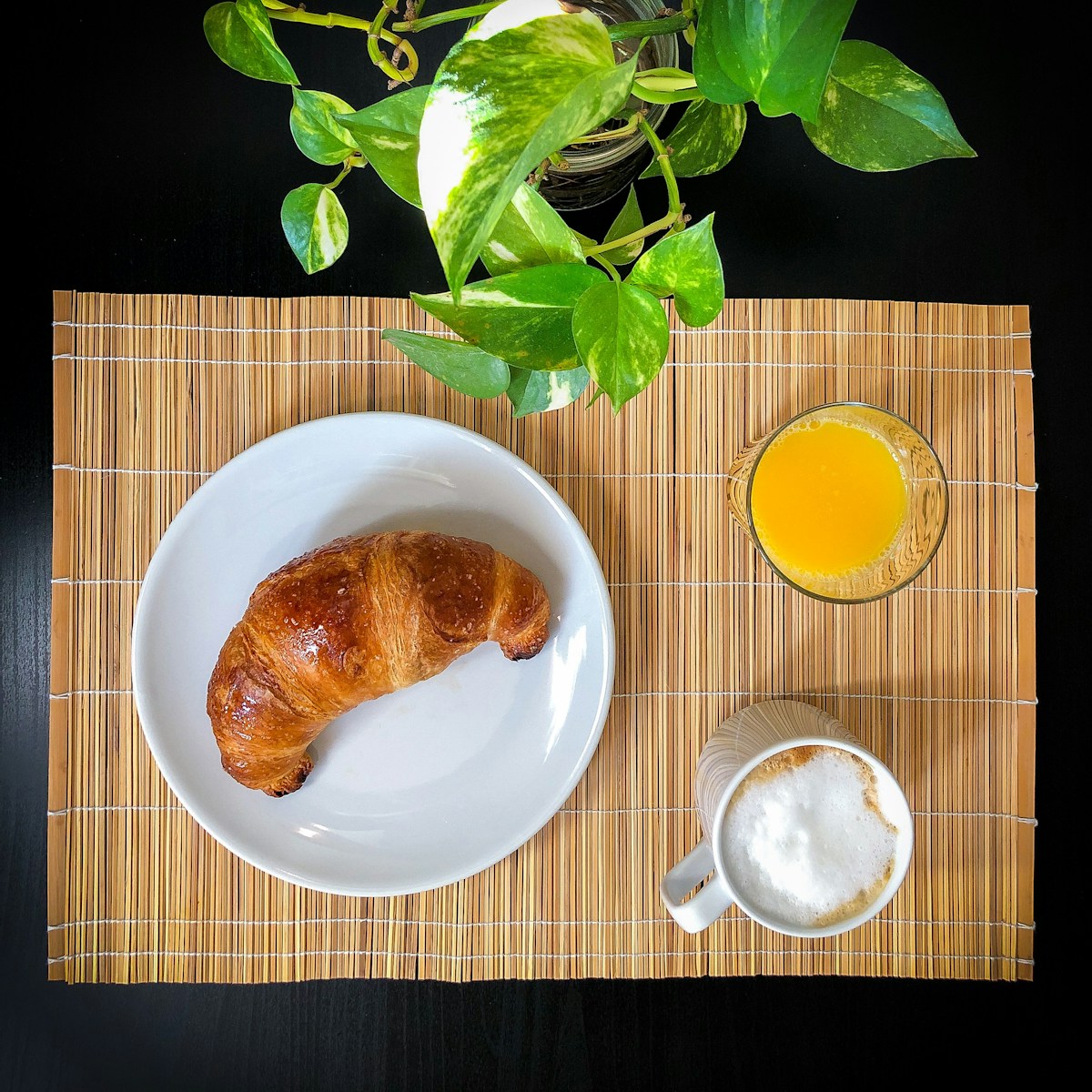
Focaccia Genovese - thick, oily focaccia with a chewy interior and crispy, olive-oil-soaked surface. Studded with sea salt. Eaten for breakfast (dipped in milky coffee is traditional), as a snack, or at any time. Completely different from Apulian focaccia - lighter and richer simultaneously.
Farinata - a thin chickpea flatbread baked at high heat in a wood-fired oven. Crispy at the edges, soft in the centre, seasoned with black pepper and rosemary. Sold from specialist focaccerie and paninoteche. Eaten standing. One of the best street foods in Italy.
Trofie al pesto - the canonical pairing. Trofie are short, twisted pasta made from flour and water. The pesto clings to the twists. Sometimes served with green beans and potato (trofie al pesto alla Genovese, the full traditional version). Order it at least once.
Trenette - flat ribbon pasta, similar to linguine, the other classic pesto pairing.
Zimino - a stew of salt cod or cuttlefish with Swiss chard, tomato, onion, and spices. A Genoese Sephardic Jewish tradition. Found in the caruggi (alleyways) restaurants of the historic centre.
Buridda - a Ligurian fish stew with salted cod, anchovies, pine nuts, olives, and capers. Port city food - the ingredients are those that could be preserved on long voyages.
Pandolce Genovese - a dense fruit cake with candied citrus, pine nuts, and fennel seeds. The Genoese version of a festive cake; lighter than Panettone but more complex.
Street Food and Snacks
The caruggi - Genoa’s labyrinthine medieval alleyways - are the best place for street eating. Focaccerie, friggitorie, and farinata bakeries operate from tiny premises throughout the historic centre. The Mercato Orientale (covered market, Via XX Settembre) is one of the best food markets in Liguria. For a guided pesto and street food tour of the caruggi, browse food tours in Genoa.
Wine
Ligurian wine production is small but significant: Pigato (a full-bodied white from Riviera di Ponente), Vermentino, and Rossese di Dolceacqua (the one red worth seeking out). These wines are almost impossible to find outside Liguria - drink them here.
Sciacchetrà from the Cinque Terre is a sweet passito wine - rare, expensive, and remarkable.
Take a Guided Food Tour of Genoa
Genoa is one of the most underrated food cities in Italy — the caruggi (narrow medieval alleyways) hide farinata bakeries, focaccia di Recco shops, and pesto producers working from marble mortars — and it takes local guidance to navigate them well. A food tour through the historic centre and the Mercato Orientale covers the five main pillars of Ligurian eating: focaccia, farinata, pesto, fresh pasta, and the street fish that comes in daily from the Ligurian Sea. Browse Genoa food tours on GetYourGuide.
Named restaurants
Trattoria da Maria (Vico Testadoro 14r) - The most legendary cheap restaurant in Genoa. Two-course lunch for approximately €10–12 as of 2026. No menu - eat whatever’s cooking. Cash only. Open for lunch only, closed Saturday and Sunday. Arrive before 12:30pm.
Sa Pesta (Via dei Giustiniani 16r) - Farinata and focaccia from a wood-fired oven. Portions from approximately €3. Standing room mostly. The farinata is the standard by which all others are measured.
Il Genovese (Via Galata 35r) - Trofie al pesto, pansotti in walnut sauce, and other Ligurian pasta classics. Mains approximately €12–16. Closed Monday.
Antica Friggitoria Carega (Via di Sottoripa 113r) - Fried seafood cones (cuoppo di pesce), fried vegetables, and panelle (chickpea fritters). Street food from approximately €5. Open daily.
Practical tips
Genoa has some of the best-value eating of any Italian city - the port-city tradition means honest portions at working-class prices. The caruggi (old city lanes) have the most authentic food. Avoid the restaurants in the Porto Antico tourist area - the quality-to-price ratio drops sharply. A full meal with wine in a caruggi trattoria costs approximately €20–30 per person.
Back to the full Genoa travel guide for the medieval caruggi, Palazzi dei Rolli, and port logistics. For things to do in the city - Via Garibaldi palaces, the aquarium, and the old town - see things to do in Genoa. For day trips to the Cinque Terre and the Ligurian Riviera, see day trips from Genoa. For accommodation, see best hotels in Genoa. The broader Ligurian food tradition - different pesto variations and fresh pasta - is covered in our Ligurian food guide.
Where to stay in Genoa: Find hotels in Genoa — search accommodation across all budgets.