Genoa Travel Guide: Italy's Forgotten Port City
Your guide to Genoa: the medieval caruggi, the old port, pesto at its source, the Palazzo Rosso, and why this city is so underrated.
Guides for Genoa
Genoa (Genova) is one of Italy’s great overlooked cities. The largest medieval city centre in Europe - a maze of narrow lanes called caruggi covering approximately 113 hectares - sits behind a port that shaped world history: Christopher Columbus was born here, and Genoese banking financed much of Renaissance Europe. It is not a polished tourist destination in the way Florence or Venice are, and that is largely the point. Genoa rewards slow exploration - walking the caruggi, eating focaccia at a marble counter, watching the port from a hilltop terrace.
The caruggi (old town)
The medieval lanes of the old city are the most authentic historic centre in Italy - narrow, labyrinthine, lined with Renaissance and Baroque palaces that have been continuously inhabited for 600 years. Some alleys are so narrow that balconies on opposite sides nearly touch. The UNESCO-listed Palazzi dei Rolli (a system of noble palaces that housed visiting dignitaries on a rotation basis - unique in Europe) are scattered through the caruggi; several are open to visitors during Rolli Days (twice a year, usually May and October) and some are permanently accessible.
Via Garibaldi (Strada Nuova) is the grandest street - a 16th-century planned avenue of noble palaces, now a UNESCO World Heritage Site. Three palaces are open as museums: Palazzo Rosso (Flemish and Italian painting, including Van Dyck’s Genoese portraits), Palazzo Bianco (Caravaggio, Dürer, Rubens, Veronese), and Palazzo Tursi (which holds Paganini’s violin - the Cannone, still played annually). Combined ticket approximately €9 as of 2026. Closed Monday.
Cattedrale di San Lorenzo - The striped black-and-white marble cathedral with a Romanesque facade and Gothic side portals. The Museo del Tesoro in the sacristy contains the Sacro Catino (a green glass dish long believed to be the Holy Grail). Cathedral free entry; treasury approximately €6.
Piazza De Ferrari - The main square of the city, dominated by a large bronze fountain. The Teatro Carlo Felice opera house and the Palazzo Ducale face the square. A good orientation point between the old town and the modern city centre.
The port and aquarium
The old port (Porto Antico) was redesigned by Renzo Piano (a Genoa native) for the 1992 Expo. The Acquario di Genova is the largest aquarium in Italy and one of the largest in Europe - over 12,000 animals in 70 tanks, including dolphins, sharks, penguins, and a dedicated tropical section. Entry approximately €28 as of 2026; book online for timed entry via acquariovacanze.it to avoid queues (waits of 1–2 hours are common in summer without a reservation). Open daily. Allow 2–3 hours for a full visit.
The Bigo panoramic lift (approximately €5) gives aerial views over the port. The Biosfera - a glass sphere designed by Renzo Piano containing a tropical ecosystem - sits on the water (entry approximately €5, or combined ticket with aquarium from approximately €32). The old cotton warehouses now contain the Galata Museo del Mare (maritime museum, entry approximately €17), which covers Genoa’s maritime history from the Republic’s naval power to transatlantic emigration - one of the best maritime museums in the Mediterranean.
The Porto Antico area is also where Genoa’s nightlife and evening passeggiata concentrate. The Eataly store here (free entry) has a rooftop terrace with port views.
Food: pesto at its source
Pesto alla Genovese - basil, Ligurian olive oil, Parmigiano-Reggiano, Pecorino Fiore Sardo, pine nuts, garlic - was invented here and is done better here than anywhere else. Trofie or trenette pasta is the traditional pairing. Focaccia genovese (olive oil bread, thicker and more flavoursome than Tuscan focaccia) is the street food - eaten at any time of day, often for breakfast. Focaccia di Recco (a thin, crispy double-layer focaccia filled with stracchino cheese) originates from Recco, approximately 30 minutes east, but is available at specialist bakeries in the city. Farinata (chickpea pancake baked in a wood oven) is the other essential - best eaten hot from the oven, with a grind of black pepper.
Other local dishes worth trying: pansoti (ravioli filled with wild herbs, served with walnut sauce), cappon magro (an elaborate cold seafood and vegetable tower - hard to find but worth seeking out), and cima alla genovese (stuffed veal, served cold and sliced).
Named restaurants: Trattoria da Maria (Vico Testadoro 14r - two-course lunch for approximately €10–12, no menu, whatever’s cooking - arrive by noon or the best dishes run out), Sa Pesta (Via dei Giustiniani 16r - farinata and focaccia, portions from approximately €3, cash only), Il Genovese (Via Galata 35r - pasta with pesto, mains approximately €12–16), Trattoria della Raibetta (Vico della Raibetta 8r - lake fish and Ligurian classics, mains approximately €14–18, reservations recommended for dinner), Antica Sciamadda (Via San Giorgio 14r - fried street food, farinata, and torta pasqualina from approximately €3 per portion - standing room only).
Other sights
Cimitero Monumentale di Staglieno - One of the most extraordinary cemeteries in Europe. Life-size and larger-than-life marble statues of the deceased cover the hillside - an open-air sculpture gallery spanning 160 years. Mark Twain called it “a world of art.” Free entry; bus 34 from the centre (approximately 20 minutes). Allow at least an hour.
Palazzo Ducale (Piazza Matteotti) - The former seat of the Doge of Genoa. Now a major exhibition and cultural centre with rotating shows. Entry varies by exhibition (typically €10–15).
Spianata Castelletto - A viewing terrace above the old city, accessible by lift (free) from Piazza Portello. The best panoramic view of the port and the caruggi rooftops. Come at sunset.
Strada Nuova Museums - Beyond Via Garibaldi, Genoa has several smaller museums worth a stop. The Museo di Palazzo Reale (Via Balbi 10, entry approximately €6) preserves royal apartments with original furnishings and a Hall of Mirrors. The Museo di Sant’Agostino (Piazza Sarzano) houses medieval sculpture and fragments from demolished churches.
Where to stay
Budget: approximately €50–80/night. Mid-range: approximately €80–140/night. Luxury: from approximately €180/night. The area around Via Garibaldi and Piazza delle Fontane Marose is the best-positioned district - central, safe, and walkable to both the old town and Porto Antico.
Best Western Hotel Metropoli (Piazza Fontane Marose - doubles from approximately €90/night) has a central location on the main square. NH Collection Genova Marina (Molo Ponte Calvi - doubles from approximately €130/night) overlooks the Porto Antico and is walking distance to the aquarium. Hotel Bristol Palace (Via XX Settembre 35 - doubles from approximately €160/night) is a grand 19th-century hotel with a spiral staircase and period rooms. B&Bs in the caruggi offer atmospheric stays from approximately €60/night, but expect narrow stairs and old buildings - check reviews for specific access details.
Location advice: avoid hotels deep in the caruggi south of Via San Lorenzo for late-night arrivals - the lanes are poorly lit and can feel disorienting. The area around Piazza De Ferrari and the Porto Antico is well-lit and busy into the evening. For neighbourhood-by-neighbourhood hotel picks, see our Genoa hotels guide.
Getting there
By train: Genoa has two main stations - Piazza Principe (closer to the Porto Antico and old town) and Brignole (closer to the eastern neighbourhoods and Via XX Settembre shopping). Frecciarossa to Milan approximately 90 minutes (from approximately €15 as of 2026), to Rome approximately 4–5 hours (from approximately €30), to Turin approximately 90 minutes (from approximately €12). Regional trains from Nice approximately 3.5 hours with a change at Ventimiglia.
By air: Genoa Cristoforo Colombo Airport (GOA) has European connections including flights to London, Paris, and major Italian cities. The Volabus connects the airport to the centre (approximately 30 minutes, approximately €6, runs every 30 minutes).
Day trips from Genoa
Cinque Terre - Approximately 90 minutes south by regional train. Genoa is a practical and more affordable base for visiting the five villages than staying in the Cinque Terre itself, where accommodation is limited and expensive.
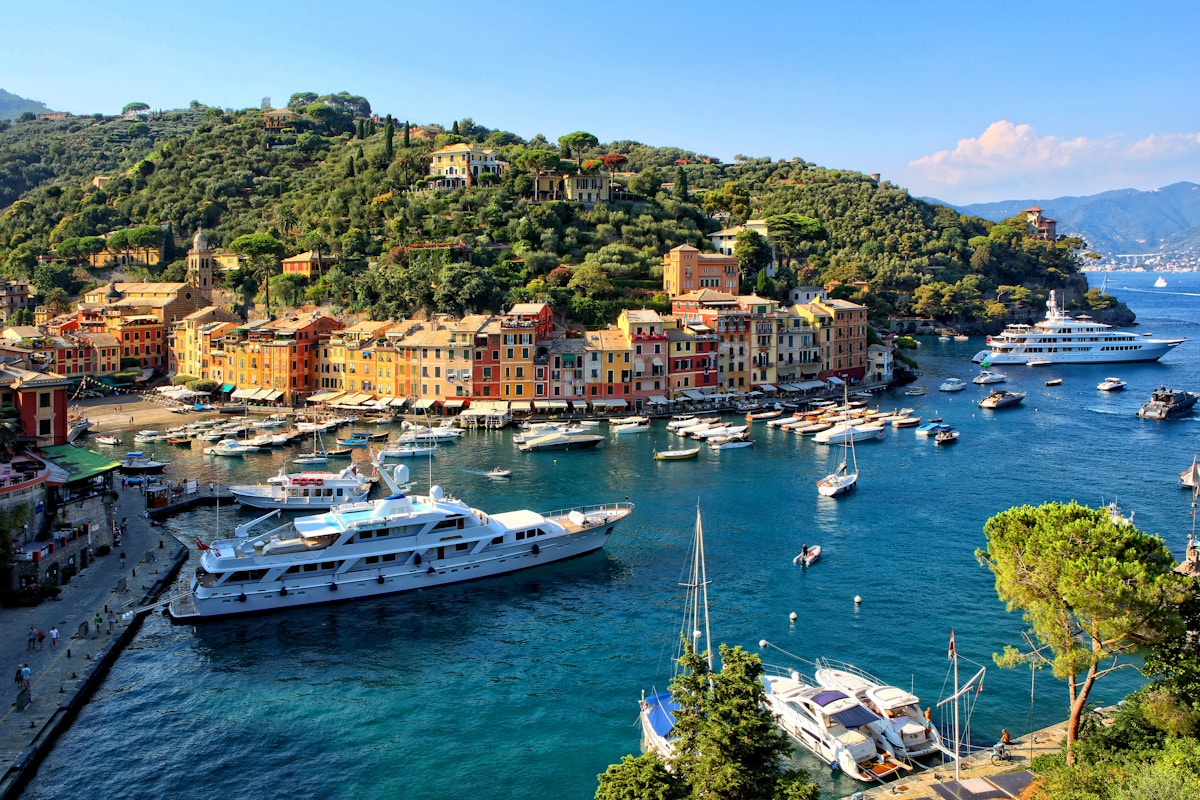
Portofino - Approximately 40 minutes by train to Santa Margherita Ligure, then bus or ferry to Portofino. The most photographed harbour on the Ligurian coast.
Camogli - Approximately 30 minutes by train. A quieter, less touristy alternative to Portofino with a colourful harbourfront and excellent seafood restaurants.
For full transport details, entry costs, and hiking information: Day Trips from Genoa. Book a guided Genoa tour to explore the caruggi and the Via Garibaldi palaces with a local expert. For the food - pesto, focaccia, farinata, and Ligurian wine: Ligurian food guide. Genoa connects naturally to Cinque Terre (90 minutes by regional train) and the wider northern Italy itinerary.
Upcoming Events in Genoa
La Befana - Feast of the Epiphany 2027
La Befana 2027, January 6. Italy's Epiphany gift-giving day: children receive sweets or coal from the Befana witch, then decorations come down.
Book an experience
Top experiences in Genoa
Explore the best tours and activities in Genoa, with instant confirmation and free cancellation on most bookings.