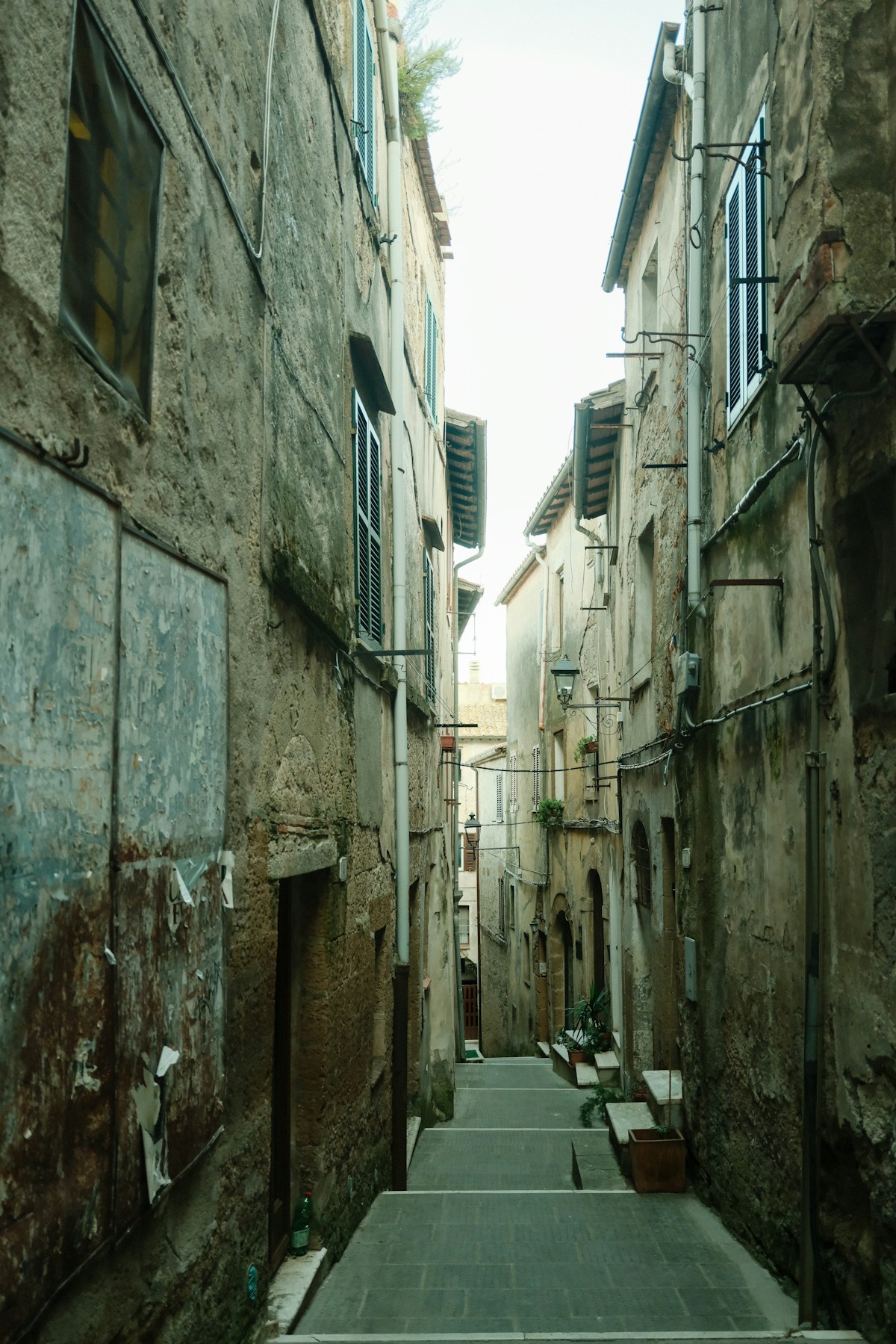
Ferrara has one of the most individual food identities in Emilia-Romagna - which is saying something in a region that produces Parmigiano-Reggiano, Prosciutto di Parma, and Lambrusco. The Este court was one of the first in Europe to codify fine dining, and the city’s culinary distinctiveness traces back to that Renaissance heritage.
What to Eat
Cappellacci di zucca - the most famous Ferrarese dish. Large, hat-shaped pasta filled with butternut squash, Parmigiano-Reggiano, nutmeg, and sometimes mustard fruit. Served with butter and sage or with a meat ragù. The squash filling is sweeter and more aromatic than anything in the pasta-with-meat tradition.
Salama da sugo - a heavily spiced cured pork sausage, aged for up to a year, then slowly braised in its casing for several hours. The result is a concentrated, almost liver-like intensity. Served in slices with mashed potato. Emphatically local - rarely found outside the Ferrara area.
Pasticcio di maccheroni - a sweet pasta pie with a shortcrust pastry casing, filled with béchamel, ragù, and chicken livers. A Renaissance dish that has survived largely intact. Found in Ferrara’s more traditional restaurants as a first course.
Pampepato - a dense, spiced cake made with dark chocolate, pepper, candied fruit, and almonds. The name references pepper (pepe), and the flavour is intense. A Christmas speciality but available year-round in Ferrarese pasticcerie.
Coppia Ferrarese - the local bread, shaped in a twisted cross. Made with olive oil and lard, with a crunchy crust and a chewy interior. IGP-protected - you’ll find it everywhere.
Anguilla del Delta - eel from the Po Delta, typically grilled or braised with vinegar and herbs. A product of the river and lagoon landscape around Ferrara and Comacchio. Comacchio (40 kilometres east) is the specialist destination for it.
Take a Guided Food Tour of Ferrara
Ferrara’s cuisine is one of the most distinctive in Emilia-Romagna — cappellacci di zucca (pumpkin-filled pasta) and salama da sugo (a slow-cured, stewed sausage eaten at festivals) are both PDO products found almost nowhere else. The old city is compact and almost entirely pedestrianised, making a food walk through the covered market, the Via delle Volte shops, and the historic bread bakeries a genuinely pleasant way to spend a morning. Browse Ferrara food tours on GetYourGuide.
Where to Eat
The historic centre around the Castello has a range of restaurants, though quality varies. The streets around the cathedral and the Via delle Volte (the medieval covered street) have better options than the main tourist piazze. The market on Piazza Travaglio has excellent local produce.
Named restaurants
Trattoria da Noemi (Via Ragno 31) - Traditional Ferrarese cooking. Cappellacci di zucca in butter and sage, salama da sugo with mashed potato, pasticcio di maccheroni. Mains approximately €12–16 as of 2026. Closed Wednesday. Reservations recommended.
Osteria degli Angeli (Via delle Volte 4) - Atmospheric setting on the medieval covered street. Ferrarese specialities and a strong local wine list. Mains approximately €12–16. Closed Monday.
Cusina e Butega (Via Mazzini 95) - Modern Emilian cuisine using traditional Ferrara ingredients. The cappellacci and the seasonal fish dishes are strong. Mains approximately €14–18. Closed Sunday.
Al Brindisi (Via degli Adelardi 11) - Reputedly the oldest osteria in the world (Guinness-recognised, established 1435). Copernicus reportedly drank here. Traditional Ferrarese food and local wines. Mains approximately €10–14. The atmosphere is genuine.
Practical tips
Ferrara is one of the most affordable food cities in Emilia-Romagna - a full dinner with wine costs approximately €25–35 per person. The Friday market in Piazza Ariostea and the Mercato Coperto are the best food shopping destinations. Coppia ferrarese bread is available from every bakery and is best eaten the day it’s baked. Ferrara’s food traditions are deeply seasonal - cappellacci di zucca is best in autumn when the local pumpkins are harvested, while salama da sugo is traditionally a winter dish. The city’s proximity to the Po Delta also means excellent river and lagoon fish - eel from Comacchio (approximately 40km east) appears on many restaurant menus. The wine to drink with Ferrarese food is Lambrusco - specifically the dry, sparkling Lambrusco di Sorbara from nearby Modena - served chilled, it cuts through the richness of the pasta and meat dishes perfectly. For guided visits to local producers, the covered market, and the medieval streets with food tasting, Ferrara food tours are a practical option.
Back to the full Ferrara travel guide for the Este Castle, the medieval covered streets, and the Renaissance city plan. For things to see in the city, see things to do in Ferrara. For day trips to Ravenna, Bologna, and the Po Delta, see day trips from Ferrara. For accommodation, see best hotels in Ferrara. The Emilian food belt - tortellini, mortadella, balsamic vinegar - is covered in our Emilian food guide.
Where to stay in Ferrara: Find hotels in Ferrara — search accommodation across all budgets.