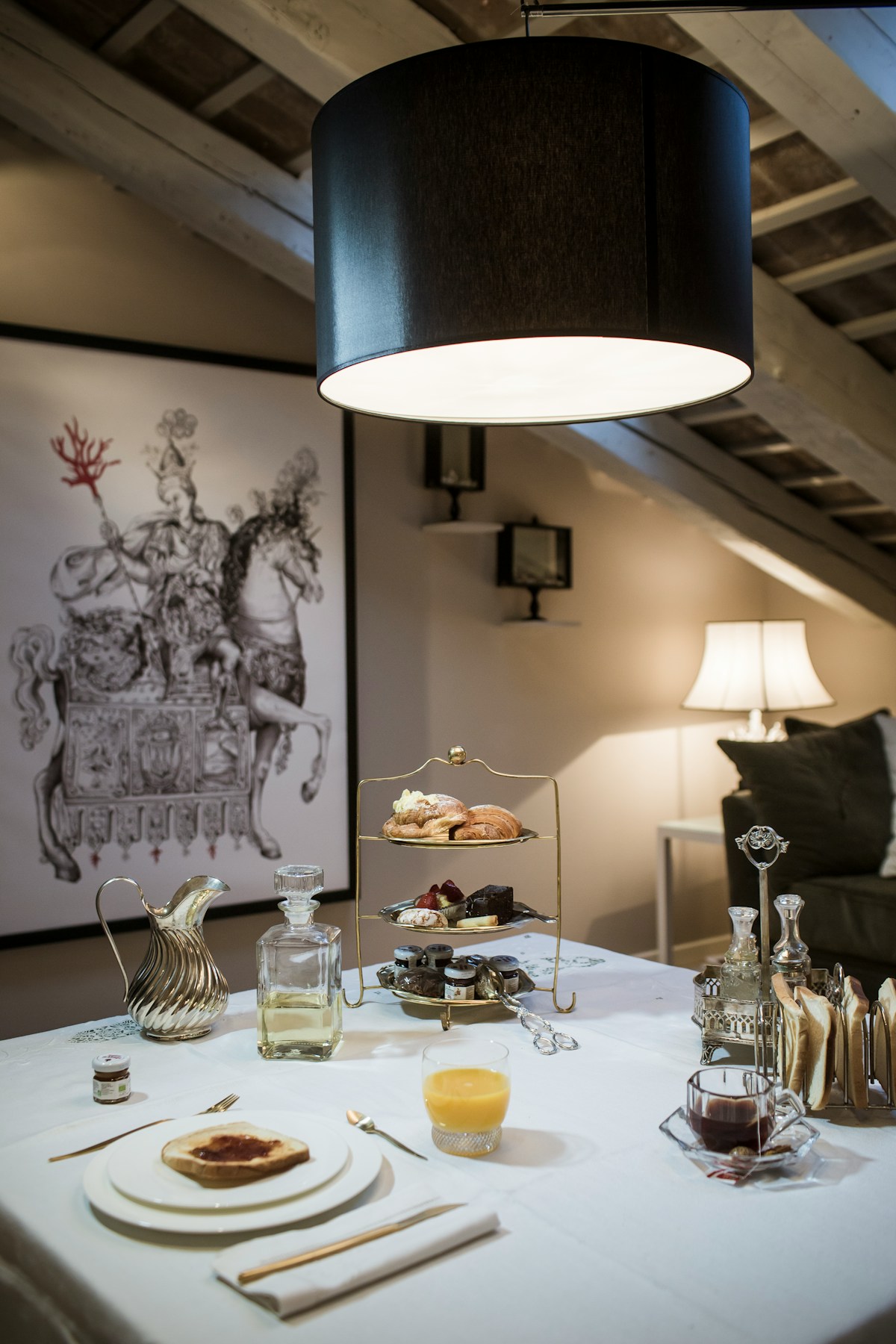
Trieste’s food reflects its geography - a Habsburg port city at the junction of Italian, Slovenian, and Austrian culture. The coffee culture is the finest in Italy. The food is a blend of the Adriatic sea, the Karst plateau, and Central European traditions.
Coffee
Trieste is the coffee capital of Italy, which means the coffee capital of the world. The city has its own coffee vocabulary:
- Nero - espresso (what most Italians call caffè)
- Capo - espresso with a small amount of milk (similar to a macchiato)
- Capo in B - capo in a glass (B = bicchiere), which keeps it cooler
- Goccia - a few drops of milk in an espresso
- Deca - decaffeinated
Trieste has the highest per-capita coffee consumption in Italy and is home to the Illy headquarters and the historic Caffè degli Specchi and Caffè San Marco (one of the great European literary cafés). The Viennese café tradition is alive here in a way it isn’t anywhere else in Italy.
What to Eat
Jota - Trieste’s defining dish. A thick soup of beans (borlotti or cannellini), sauerkraut, smoked pork ribs, garlic, and bay leaves. Warming, acidic, deeply flavoured. A Carso and Istrian peasant dish that became the comfort food of Trieste’s workers.
Goulash triestino - beef goulash, with Austro-Hungarian roots. Made with paprika, onions, tomato, and slow-braised beef. Often served with polenta or bread. Different from the Italian beef stews further south.
Cevapcici - small spiced minced-meat rolls of Balkan origin, common in Trieste given its proximity to the former Yugoslavia. Found in some trattorias and in the popular Osmice (seasonal farm-taverns on the Karst plateau).
Prosciutto cotto all’osso - cooked ham on the bone, sliced thinly. San Daniele and Triestine versions are the best. Eaten in sandwiches at lunchtime, or as an antipasto.
Brodetto triestino - a fish stew made with the Adriatic catch, onion, vinegar, and olive oil. Lighter than the Venetian brodetto, more acidic. A port city dish.
Strudel di mele - apple strudel, direct from the Viennese tradition. Found in every café and pasticceria. The Triestine version is indistinguishable from an Austrian one.
Putizza - a sweet braided bread filled with walnuts, raisins, pine nuts, and rum. Of Slovenian origin; completely embedded in Triestine tradition. Found in bakeries especially at Easter.
Take a Guided Food Tour of Trieste
Trieste’s food is Central European as much as Italian — the jota (bean and sauerkraut soup), goulash, and kaiserschmarrn reflect the city’s Habsburg past, while the exceptional coffee culture (Trieste has the highest per-capita coffee consumption in Italy) is a product of its historic role as a coffee import port. A food walk through the Borgo Teresiano market, the historic caffè on Piazza Unità, and the fish counters at the Mercato Coperto captures the city’s genuinely hybrid food identity. Browse Trieste food tours on GetYourGuide.
Where to Eat and Drink
The grand Habsburg cafés on Piazza Unità d’Italia and in the surrounding streets are the essential Trieste experience. Caffè degli Specchi, Caffè San Marco, Caffè Tommaseo - all have been operating for over a century and maintain both quality and atmosphere.
Osmice - seasonal farm-taverns on the Karst plateau above the city (accessible by bus or car). These are working farms that serve their own wine, prosciutto, cheese, and jota on specific days only (often marked on local calendars). One of the most distinctive eating experiences in northeastern Italy. A Trieste food tour covering the coffee culture, the Habsburg cafés, and local dishes is available for those wanting structured guidance through the city’s distinctive culinary identity.
Wine
Trieste has its own DOC (Carso) for the wines of the Karst plateau - primarily Vitovska (a white of striking minerality) and Terrano (a red with high acidity, made from the Refosco grape). Both are indigenous to this area and rarely found elsewhere. The wineries on the Karst above Trieste offer farm visits - some of the most interesting wine tourism in Italy.
Named restaurants
Buffet da Pepi (Via della Cassa di Risparmio 3) - A Triestine institution since 1897. Counter-service boiled pork, sausages, sauerkraut, and mustard - the buffet format unique to Trieste. A plate of mixed boiled meats with bread approximately €8–12 as of 2026. Open Monday–Saturday lunch.
Trattoria Nerodiseppia (Via Cadorna 11) - Adriatic seafood: brodetto, grilled fish, pasta with clams. Mains approximately €14–18. Closed Sunday.
Suban (Via Comici 2, on the Karst above the city) - A family-run restaurant since 1865 serving Triestine-Slovenian dishes: jota, goulash, game, strudel. Mains approximately €14–20. A short bus ride from the centre. Reservations recommended.
Back to the full Trieste travel guide for Habsburg architecture, Miramare Castle, and the city’s unique character. For things to see in Trieste, see things to do in Trieste. For day trips to Slovenia, Istria, and the Karst plateau, see day trips from Trieste. For accommodation, see best hotels in Trieste. The coffee tradition Trieste exemplifies - standing espresso, ristretto, and the city’s unique terminology - is covered in our Italian coffee guide.
Where to stay in Trieste: Find hotels in Trieste — search accommodation across all budgets.