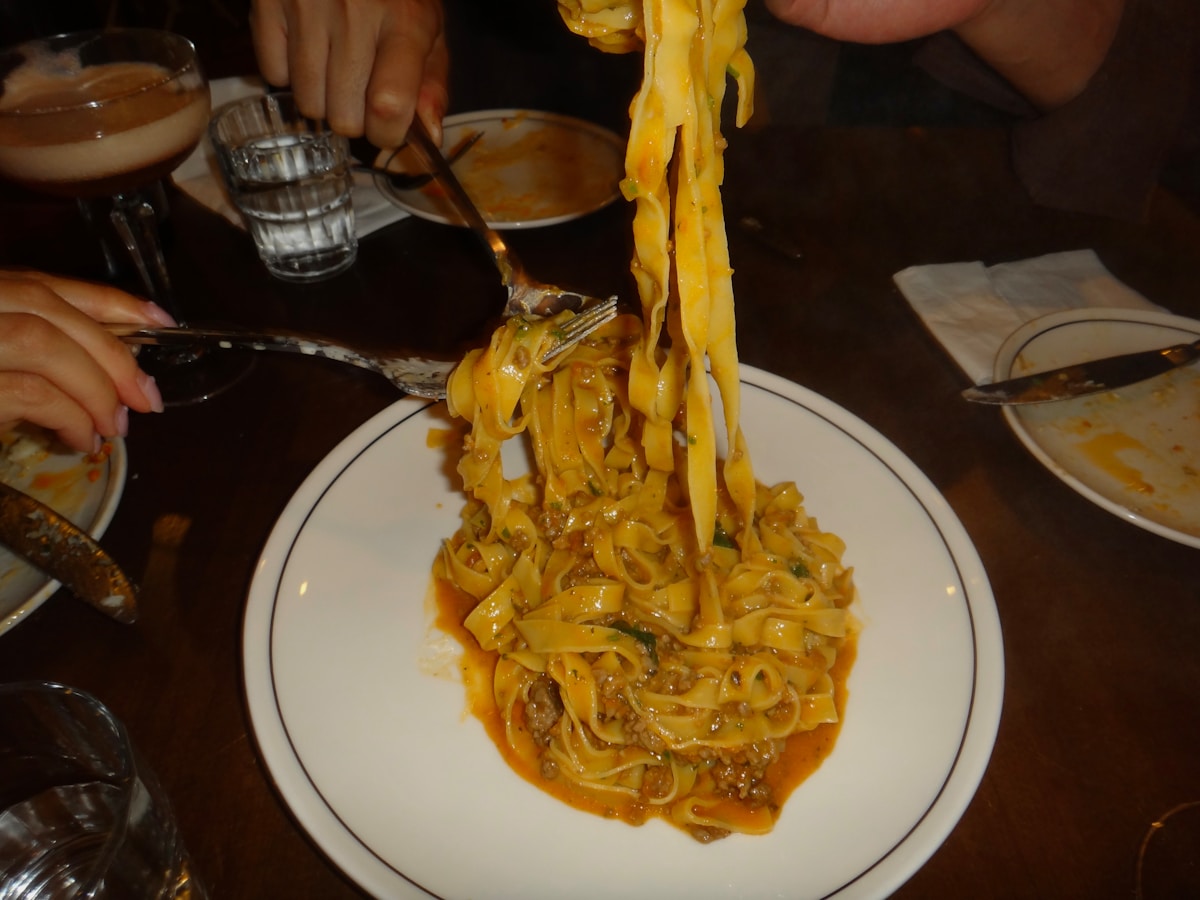
Cremona’s food identity is one of the most distinctive in Lombardy - and arguably the most underrated in northern Italy. The city sits on the Po River and its cuisine reflects both the river valley tradition (heavy, warming, pork-based) and the prosperity of a medieval merchant city that could afford spices and preserved fruits when most of Europe could not. This is the city that invented torrone and mostarda - two products that exist nowhere else in quite the same form.
What to eat
Torrone
Cremona’s defining product and one of Italy’s great confections. Nougat made from honey, egg white, sugar, and almonds or hazelnuts. Two varieties dominate:
- Torrone duro (hard): Snaps when bitten. The classic - dense, sweet, and studded with whole almonds. The texture should be firm but not tooth-breaking; good torrone yields slightly
- Torrone morbido (soft): Yields and melts on the tongue. Richer and more buttery. Some versions include chocolate or dried fruit
Every bar, confetteria, and food shop in Cremona sells torrone - quality varies from mass-produced to artisanal. The handmade versions from specialist shops are significantly better than supermarket alternatives. A small bar costs approximately €5–8; a gift box approximately €15–30 as of 2026.
The Festa del Torrone (held annually in November, typically the third week) transforms the entire city centre into a nougat festival - producers from across Italy set up stalls, demonstrations run in the piazza, and the city fills with visitors. If timing allows, this is the ideal moment to visit Cremona for food.
Mostarda di Cremona
Candied whole fruits (cherries, pears, figs, apricots, citrus) preserved in a clear syrup spiked with mustard oil. The effect is intensely sweet and sharply pungent simultaneously - nothing else in Italian cuisine tastes quite like it. Mostarda is traditionally served alongside bollito misto (boiled meats) or aged cheeses (Grana Padano, Provolone). It transforms both pairings.
A jar costs approximately €8–15 at specialist food shops and makes an excellent souvenir - it travels well and keeps for months. The best versions use whole recognisable fruits rather than chopped pieces.
Marubini in brodo
Cremona’s signature pasta - round, pleated parcels (similar to tortellini but larger) filled with a mixture of roast meat, braised beef, cotechino sausage, and aged Grana Padano cheese. Served floating in a rich three-meat broth (beef, chicken, pork) that has simmered for hours. A Sunday and feast-day dish, found at traditional trattorias throughout the city. The broth is the star - clear, golden, and deeply flavoured. Approximately €10–14 per portion at trattorias.
Bollito misto cremonese
Mixed boiled meats - typically beef, veal, pork (including cotechino sausage and zampone/stuffed trotter), and sometimes chicken or tongue. Served on a trolley or large platter with the mostarda and salsa verde (parsley, capers, anchovy, oil). The Cremonese version follows a specific cut arrangement and the mostarda is considered integral, not optional. A full bollito misto (approximately €16–22) is a substantial meal - best shared or approached with genuine appetite.
Salame cremonese
A coarsely ground pork salami with a mild, sweet flavour and characteristically wide diameter. The texture is softer and less dense than most Italian salami. Buy it sliced at the market or from a norcineria (cured meat shop) in the historic centre - approximately €3–5 for a generous portion. Excellent as an antipasto with bread and a glass of Lambrusco.
Risotto alla pilota
A Po Valley risotto made with vialone nano rice (coarsely broken, not smooth), pork sausage, and generous amounts of aged Grana Padano. The name refers to the piloti - the workers in the rice mills who prepared this dish as their work meal. The rice is cooked by absorption (not stirred continuously like a Milanese risotto), giving it a drier, more separated texture. Approximately €10–13 at trattorias.
Cotechino and other pork preparations
Cremona is pork country. Cotechino (a slow-cooked pork sausage) appears in bollito misto and as a standalone dish, particularly around New Year. Ciccioli (rendered pork scratchings) are sold at market stalls and norcinerie. The city’s relationship with pork is deep and unapologetic.
Take a Guided Food Tour of Cremona
Cremona is small enough to cover on foot but has a surprisingly specific food identity — the mostarda di Cremona (fruit preserved in mustard syrup) has been made here since the 14th century, the torrone nougat is one of Italy’s most famous confectionery traditions, and the local salumi tradition differs from neighbouring Parma. A guided food tour or self-guided walk through the historic centre with stops at the confectionery shops and the covered market is the best way to eat Cremona properly. Browse Cremona food tours on GetYourGuide.
Where to eat
| Restaurant | Location | Specialty | Price range |
|---|---|---|---|
| Hosteria 700 | Piazza Gallina 1 | Marubini in brodo, bollito with mostarda | Mains €12–16 |
| Trattoria Bisone | Via Pecorari 3 | Marubini, classic Cremonese dishes | Mains €10–14 |
| Ristorante Il Violino | Via Sicardo 3 | Refined Cremonese cuisine, tasting menu | Tasting €35–40 |
| Trattoria Cerri | Via Ceresole | Traditional, family-run, local crowd | Mains €9–13 |
| Osteria del Melograno | Centro storico | Seasonal menu, good wine list | Mains €12–18 |
Hosteria 700 is the reliable first choice - traditional Cremonese cooking served without fuss in a well-run trattoria. The marubini in brodo is made daily and the bollito misto with mostarda is the full experience. Closed Monday. Book ahead on weekends.
Trattoria Bisone is a local favourite - smaller, noisier, and less polished than Hosteria 700, but the marubini are excellent and the atmosphere is genuinely Cremonese. Arrive early or reserve - the dining room is small.
Il Violino is for a more refined experience - the tasting menu of local specialities (approximately €35–40 per person including wine) is the most efficient way to sample everything Cremonese in a single sitting. Near the Duomo. Closed Sunday evening and Monday.
Where to buy
Torrone
Sperlari (Via Solferino 25) - Torrone shop and cafe established in 1836. Buy torrone by weight or in elegant gift boxes. The handmade varieties (mandorlato, with whole almonds; morbido, the soft version) are significantly better than the mass-produced alternatives. Open daily.
Vergani - Another historic Cremona torrone producer, available at shops throughout the city. Good mid-range quality.
Market and specialty shops
The covered market on Via Cadolini (Mercato Coperto) has the freshest local produce and Lombard cheeses at reasonable prices - Grana Padano, Provolone Valpadana, and local salumi from artisan producers. Open mornings, closed Sunday.
Norcinerie (cured meat shops) along the streets near the Duomo sell salame cremonese, cotechino, and other pork products by weight. A selection of salumi for a picnic costs approximately €8–12.
Practical notes
- A full dinner with wine at a trattoria costs approximately €25–35 per person - Cremona is significantly cheaper than Milan or the tourist centres
- The city is small - all restaurants and food shops listed above are within 10 minutes’ walk of the Piazza del Comune and the Duomo
- Grana Padano (not Parmigiano-Reggiano) is the local cheese - Cremona sits within the Grana Padano DOP zone. The two cheeses are similar but Grana Padano is typically milder and less expensive
- Pair Cremonese food with wines from the Oltrepò Pavese (Lombardy’s main wine region, 90 minutes southwest) - Bonarda (sparkling red), Buttafuoco, and Pinot Nero are the local choices
- Getting to Cremona: Trains from Milan Centrale take approximately 1 hour 10 minutes (approximately €8–10). From Bologna approximately 1 hour 40 minutes. Cremona works well as a day trip from Milan or as a stop between Milan and Emilia-Romagna. For guided introductions to torrone producers, the covered market, and the bollito misto tradition, Cremona food tours are available
Back to the full Cremona travel guide covering the Museo del Violino, the Duomo, and city logistics. For things to see and do in the city - the historic violin workshops and the Piazza del Comune - see things to do in Cremona. For day trips to Mantua, Parma, and Piacenza, see day trips from Cremona. For accommodation, see best hotels in Cremona. Cremona is part of the Po Valley food belt - our Emilian food guide covers the broader regional cuisine.
Where to stay in Cremona: Find hotels in Cremona — search accommodation across all budgets.