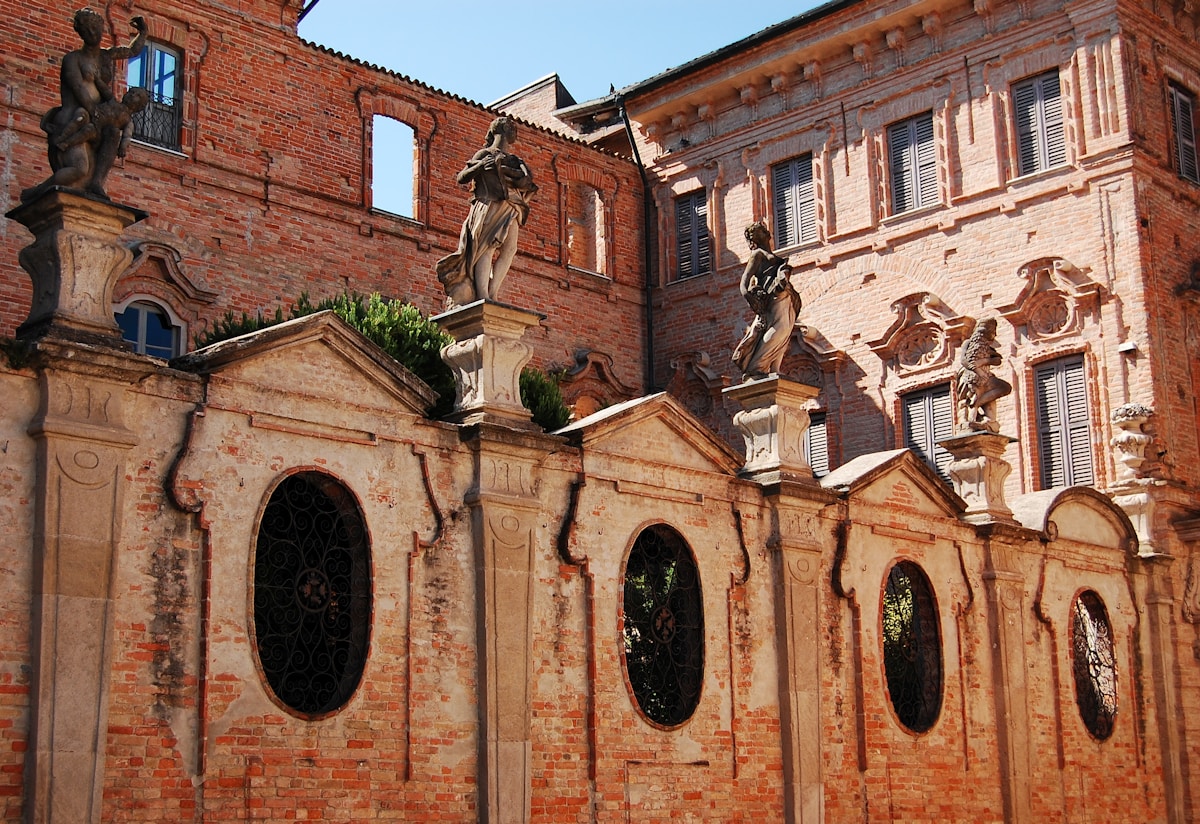
Cremona is Italy’s violin capital - the city where Antonio Stradivari (1644–1737) made the instruments that are still considered the finest ever constructed, where his students established the tradition, and where the craft has been maintained continuously to the present day. Over 150 luthiers currently work in Cremona. It is also a well-preserved medieval city with the tallest bell tower in Italy and a nougat (torrone) tradition that has been part of the city’s identity since the 15th century.
The Violin Museum (Museo del Violino)
The fundamental reason to visit Cremona. The Museo del Violino, opened in 2013 in the renovated Palazzo dell’Arte, holds a collection of historic string instruments including five Stradivari violins, a viola, and a cello, alongside instruments by the Amati and Guarneri families (the other great Cremonese luthier dynasties). Each instrument is displayed with information about its history, its provenance, and its acoustic properties.
The highlight for most visitors is the Auditorium Arvedi - a small concert hall where live performances on the historic instruments are given regularly. Hearing a Stradivarius violin played is a different experience from seeing it in a case. Concert schedule and tickets on the museum website. €12 entry; concert tickets extra.
The workshops of the luthiers
The streets around the Piazza del Comune - particularly Corso Garibaldi and Via Pallavicino - have luthier workshops where contemporary violin makers work. Many workshops are open to visitors; you can watch instruments being carved, glued, and varnished. The Consorzio Liutai “Antonio Stradivari” organises workshop visits and maps are available from the tourist office. For guided tours of the workshops and the violin museum, browse Cremona tours.
The Torrazzo
The bell tower of the Cathedral of Cremona is the tallest medieval brick bell tower in the world - 112 metres. Built in the 12th–13th centuries; the astronomical clock on the exterior (installed 1583) is one of the oldest in the world still functioning. The climb (487 steps) gives views across the Po plain to the Alps. €8 entry.
The Cathedral (Cattedrale di Santa Maria Assunta)
Adjacent to the Torrazzo, the Cathedral and the Battistero (Baptistery) face the Piazza del Comune in a Romanesque-Gothic ensemble from the 12th–16th centuries. The facade has a large central wheel window and elaborate marble portal carvings. Inside: Cremonese Renaissance paintings, a 16th-century organ still in use, and the choir stalls with intarsia work.
Torrone
Cremona’s torrone (nougat) - made from egg whites, honey, almonds, and hazelnuts - is the city’s other claim to fame. The tradition is traced to a sweetmeat served at the wedding feast of Francesco Sforza and Bianca Maria Visconti in 1441. The annual Festa del Torrone in November (usually around 21 November, the feast of San Cremonini) involves tasting competitions, historical costumes, and torrone stalls throughout the city. Year-round, it’s available from the confectionery shops on the main streets.
Practical notes
Cremona is 1 hour from Milan by train (direct services from Milano Centrale), 45 minutes from Brescia. The city is small and walkable; no public transport is needed for sightseeing. Most visitors come as a day trip from Milan or as a stop between Milan and Venice.
Book Cremona Tours on GetYourGuide
| Tour | Duration | From price | Highlights |
|---|---|---|---|
| Cremona violin-making workshop and museum tour | 2.5 hrs | From €35 | Violin Museum, luthier workshop visit, Torrazzo |
| Cremona walking tour — Duomo, Torrazzo, and torrone | 2 hrs | From €20 | Cathedral complex, Piazza del Comune, torrone tasting |
| Cremona and Mantua day trip from Milan | 9 hrs | From €70 | Two Lombard cities, Po plain, violin capital and Gonzaga court |
Browse all Cremona tours on GetYourGuide →
Back to the full Cremona travel guide for the violin museums, Duomo, and city logistics. For food in Cremona - torrone nougat and the Lombard pastry tradition - see the Cremona food guide. For day trips from Cremona to Mantua, Parma, and Brescia, see the Cremona day trips guide. Cremona is covered as a day trip from Milan in our day trips from Milan guide. For accommodation in Cremona, see best hotels in Cremona.
Where to stay in Cremona: Find hotels in Cremona — search accommodation across all budgets.