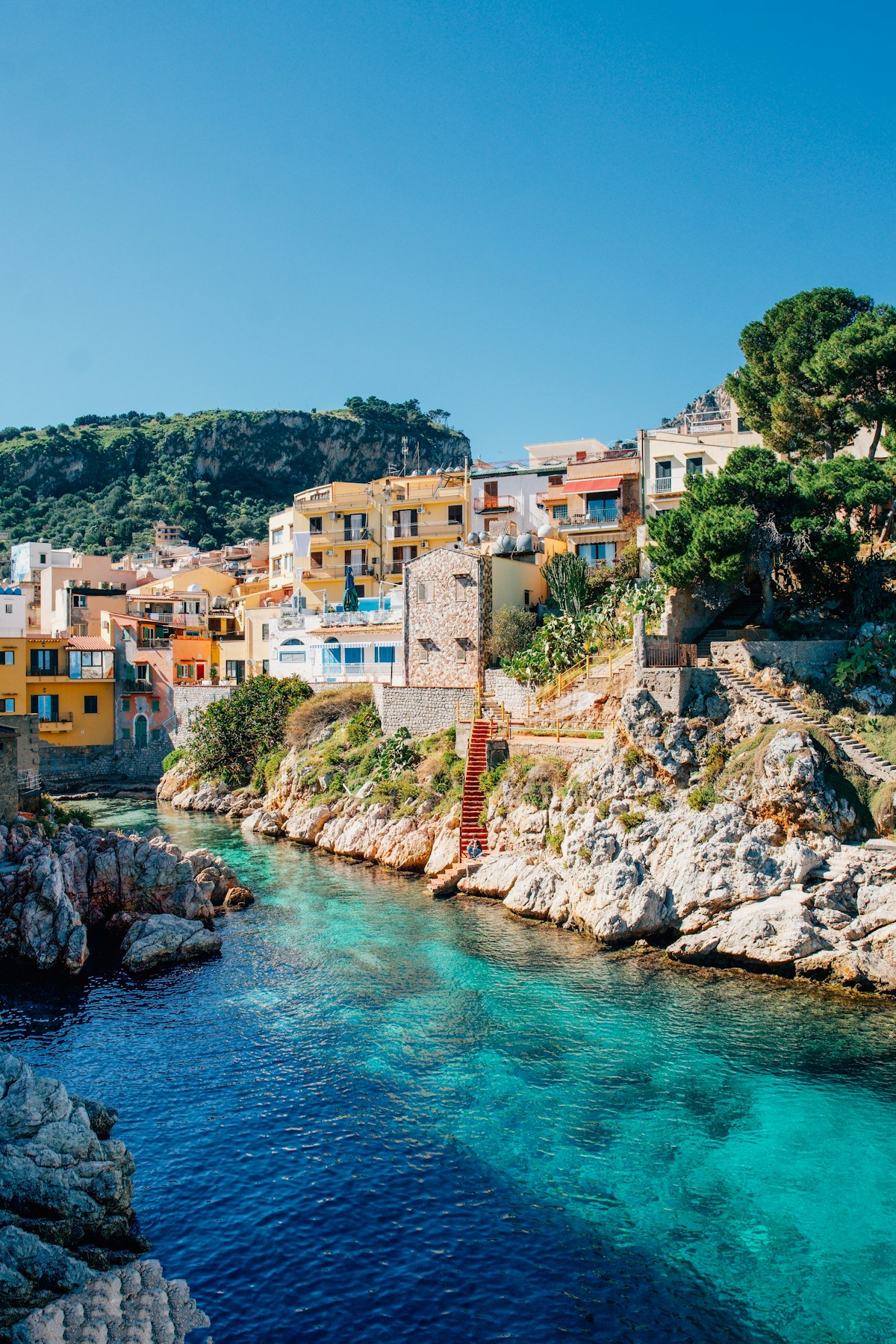
Amalfi Coast Travel Guide: Positano & Ravello
Positano, Ravello, Amalfi town, the Path of the Gods hike: complete Amalfi Coast guide with where to stay, when to visit, and transport tips.
Guides for Amalfi Coast
The Amalfi Coast (Costiera Amalfitana) is a 50km stretch of coastline south of Naples where the Lattari mountains drop almost vertically into the Tyrrhenian Sea. The result is a series of cliff-top villages - Positano, Amalfi, Ravello, Praiano, Atrani - built in the folds and ravines, connected by a coastal road that is one of the world’s most dramatic drives and one of its most congested in summer. UNESCO World Heritage since 1997.
The main towns
Positano - The most photographed, the most expensive, the most immediately beautiful. Pastel-coloured houses cascading down a steep cliffside to a dark sand beach. In July and August, the village is extremely crowded. Ferry from Naples (approximately 90 minutes, approximately €20) or car via the SS163. Accommodation is expensive year-round - budget approximately €150–300/night for a double in a mid-range hotel.
Amalfi - The largest town on the coast; historically the most important (it was a maritime republic in the 9th–11th centuries, rivalling Venice, Genoa, and Pisa). The Cathedral of St. Andrew (Duomo di Amalfi), with its striped Arab-Norman facade and the Cloister of Paradise (entry approximately €3 as of 2026), dominates the main piazza. The waterfront square is the coast’s social hub. More affordable than Positano - doubles from approximately €100/night in shoulder season.
Ravello - On a ridge 350m above sea level, away from the coastal crowds. The Villa Cimbrone garden terrace (Terrazza dell’Infinito) has the most famous view on the coast (entry approximately €8). Villa Rufolo (entry approximately €10) has formal gardens and hosts the Ravello Festival - classical music concerts from June through September in an amphitheatre overlooking the sea (tickets from approximately €25–80 at ravellofestival.com).
Praiano - Between Positano and Amalfi, smaller and quieter. Good restaurants, fewer crowds, and lower prices. A strong choice as a base, particularly for those with a car.
Atrani - The smallest municipality in southern Italy, immediately adjacent to Amalfi but with a fraction of the tourists. A genuine fishing village with a small beach and a handful of trattorias. Walk from Amalfi in 5 minutes.
What to do
Path of the Gods (Sentiero degli Dei) - A hiking trail from Bomerano to Nocelle above Positano - one of the finest coastal hikes in Europe. Approximately 7.8km, 3–4 hours, with views across the entire coastline to Capri. The trail is well-marked but exposed; wear proper shoes and bring water. Free; start from Bomerano (reachable by SITA bus from Amalfi).
Boat trips - Hire a gozzo (traditional wooden boat) to explore the sea caves, coves, and beaches inaccessible by road. Half-day boat hire from approximately €150–250 for a small group. Organised boat tours from Amalfi or Positano run approximately €40–60 per person.
Emerald Grotto (Grotta dello Smeraldo, near Conca dei Marini) - A sea cave with emerald-green water effects caused by light filtering through an underwater cavity. Accessible by lift from the road or by boat from Amalfi. Entry approximately €5.
Lemon groves - The Amalfi lemon (sfusato amalfitano) is the local speciality. Several farms offer tours and tastings; limoncello production is demonstrated at most. Expect approximately €10–15 per person for a farm visit with tasting.
Where to eat
Seafood dominates - grilled squid, spaghetti alle vongole (clams), and fresh-caught fish priced by weight (typically approximately €40–60/kg). Trattoria da Gemma (Via Fra Gerardo Sasso 11, Amalfi - mains approximately €18–25) has served local seafood since 1872. Da Vincenzo (Viale Pasitea 172, Positano - mains approximately €16–22) is a family-run restaurant with a terrace and good value for the location. In Ravello, Cumpa’ Cosimo (Via Roma 44 - mains approximately €12–18) serves traditional home cooking at reasonable prices.
Where to stay
Accommodation on the Amalfi Coast splits between legendary cliff-side hotels and smaller guesthouses in the coastal towns. Prices are high across the board; shoulder season (May, June, September) saves 30–40% over peak.
Positano is the most sought-after base. Le Sirenuse (Via Cristoforo Colombo 30) is the definitive Positano hotel — an 18th-century palace converted in 1951, with a terrace pool above the village and doubles from approximately €500–900/night in peak season, from approximately €300 in May or September. B&Bs and apartments around Via dei Mulini offer a lower-budget alternative from approximately €150–250/night in summer.
In Amalfi town, Hotel Santa Caterina (Via Mauro Comite 9) sits on the cliff face between Amalfi and Atrani, with a seawater pool hewn from the rock and fine dining. Family-owned since the 1880s, doubles from approximately €400–700/night. More affordable options in Amalfi town itself start from approximately €100/night in shoulder season.
Villa Treville (Via Arienzo 30, Positano) was the private home of director Franco Zeffirelli, now a boutique retreat of seven suites set in terraced gardens above the sea. Closer to a private villa than a hotel; from approximately €900/night.
Budget strategy: Praiano and Atrani both have lower prices than Positano or Amalfi town and give easy access to both. Basing yourself in Sorrento and taking ferries in reduces costs further without sacrificing convenience.
Search all Amalfi Coast hotels on Booking.com
Getting there and around
From Naples: SITA buses run along the coastal road year-round (approximately €2.50 per ride, journey time depends on traffic - allow 90 minutes to Positano, 2 hours to Amalfi). Ferries (April–October) from Naples Molo Beverello to Positano (approximately 90 minutes, approximately €20) and Amalfi (approximately €18). From Sorrento, ferries run more frequently (approximately 30 minutes to Positano).
By car: The SS163 coastal road is spectacular but punishing in peak season - single lane in places, blind corners, buses and cars in both directions. Parking is scarce and expensive (approximately €5–8/hour in Positano). Consider basing yourself in Sorrento and using ferries or buses instead.
Between towns: Local SITA buses connect all the coastal towns (single ticket approximately €2.50; 24-hour pass approximately €10). Ferries between Positano and Amalfi run approximately every 30 minutes in season (approximately €8).
When to visit
May, early June, and September are the optimal months - warm, the sea swimmable, but before or after the July–August peak. In July and August the roads are gridlocked and accommodation is at maximum prices. October and April are beautiful and quieter, though some restaurants and hotels close for the season. The coast is at its emptiest (and cheapest) from November through March, but ferry services stop and some towns feel deserted.
For the food specific to this coastline - limoncello pastries, fresh-caught seafood, and Ravello restaurants - our Amalfi Coast food guide covers the essentials. For where to stay across Positano, Praiano, and Amalfi town: Amalfi Coast hotels guide. For guided boat trips, cooking classes, and the Path of the Gods: things to do on the Amalfi Coast. For a broader regional look at where to stay - including Sorrento Peninsula options and how the Amalfi Coast compares with inland Campania: our Amalfi Coast hotels guide covers the full price range.
If flying into Naples, airport transfers to the coast are well-organised and save time on the congested road. The coast is most naturally combined with Naples (1.5–2 hours) and Pompeii (also accessible from Sorrento). Our Pompeii tours guide covers how to book the site from the coast.
Comparing Italy’s two most celebrated coastlines? Our Amalfi Coast vs Cinque Terre guide helps with that decision. If you are choosing between the coast and Tuscany inland, our Tuscany vs Amalfi Coast guide breaks down the differences.
Upcoming Events in Amalfi Coast
La Befana - Feast of the Epiphany 2027
La Befana 2027, January 6. Italy's Epiphany gift-giving day: children receive sweets or coal from the Befana witch, then decorations come down.
Book an experience
Top experiences in Amalfi Coast
Explore the best tours and activities in Amalfi Coast, with instant confirmation and free cancellation on most bookings.