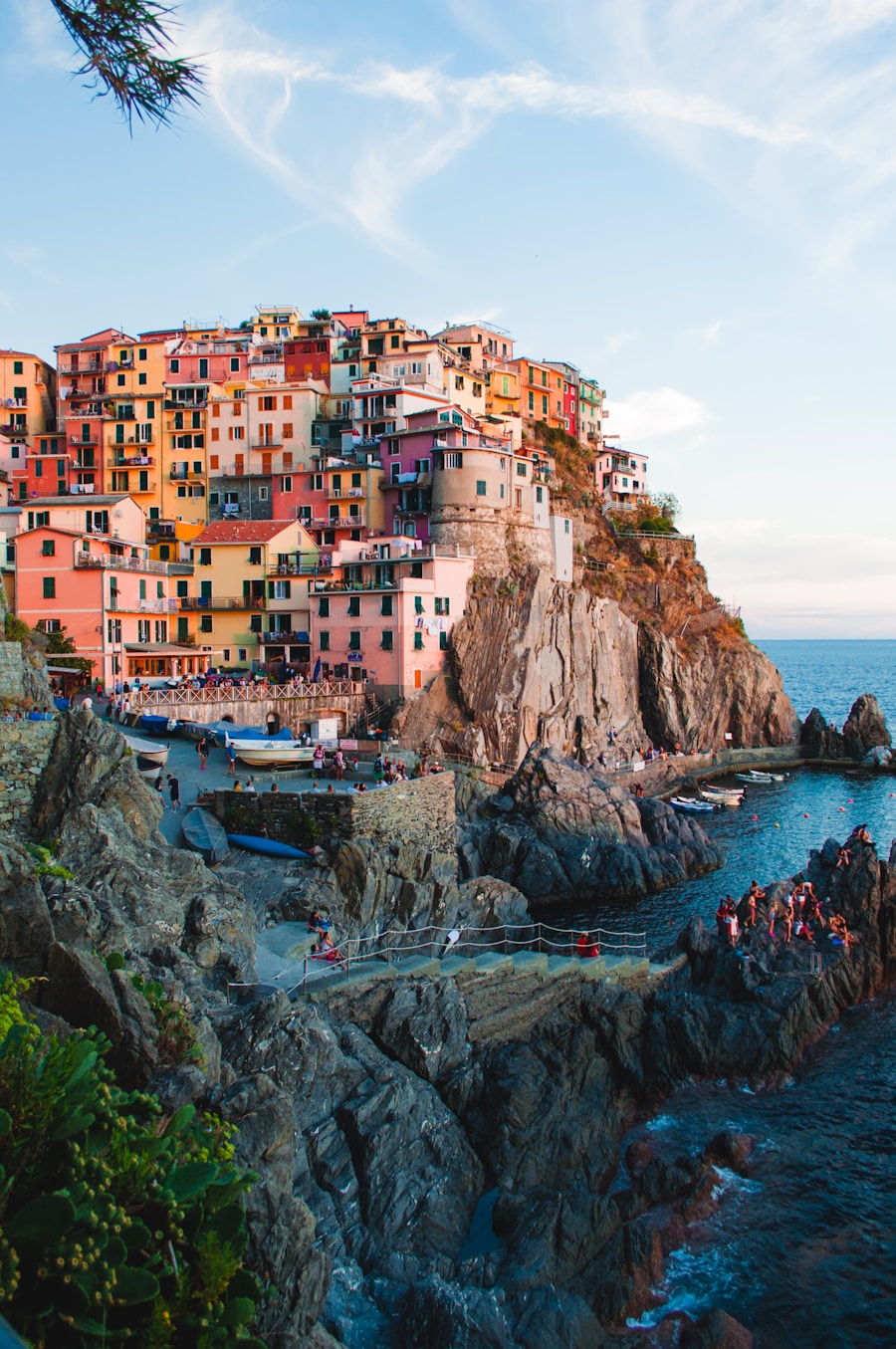
The Amalfi Coast and Cinque Terre are Italy’s two most famous stretches of coastline - and they attract remarkably different types of travellers. The Amalfi Coast is glamorous, vertical, and expensive, with luxury hotels perched on cliffs above a deep blue sea. The Cinque Terre is rugged, compact, and more accessible, with five colourful fishing villages connected by hiking trails and a local train. Both are spectacular. Neither is a wrong choice.
Quick Verdict
| Category | Amalfi Coast | Cinque Terre |
|---|---|---|
| Scenery | Winner | - |
| Beaches | Winner | - |
| Hiking | - | Winner |
| Value for money | - | Winner |
| Food | Tied | Tied |
| Accessibility | - | Winner |
| Luxury options | Winner | - |
| Crowd management | - | Winner |
Choose the Amalfi Coast if you want dramatic scenery, better beaches, and a glamorous atmosphere. Choose the Cinque Terre if you want hiking, colourful villages, and a more budget-friendly trip.
Scenery and Character
The Amalfi Coast stretches approximately 50 kilometres along the southern edge of the Sorrentine Peninsula, from Positano in the west to Vietri sul Mare in the east. The landscape is vertical - towns cascade down steep cliffs to the sea, with lemon groves, bougainvillea, and winding roads creating a landscape that has attracted artists and writers for centuries. Positano is the postcard image: a tumble of pastel buildings falling toward a dark blue bay.
The Cinque Terre comprises five villages - Monterosso al Mare, Vernazza, Corniglia, Manarola, and Riomaggiore - strung along a rugged stretch of the Ligurian coast. The villages are smaller, more colourful, and sit within a national park. The overall effect is more intimate and less polished than the Amalfi Coast.
Winner: The Amalfi Coast for sheer drama. The Cinque Terre for charm and intimacy.
Cost Comparison
The Amalfi Coast is one of Italy’s most expensive destinations. A mid-range hotel in Positano costs €200–400/night in summer; even in Salerno (a more affordable base), expect €80–130/night. Lunch at a restaurant overlooking the sea runs €20–35 per person. A lemon granita costs €4–5. Boat trips from Positano to Capri start at €20 for the ferry; Amalfi Coast boat tours and excursions are bookable in advance from Positano and Amalfi.
The Cinque Terre is expensive by Italian village standards but significantly cheaper than the Amalfi Coast. A room in Riomaggiore or Manarola costs €100–200/night in summer. Vernazza is slightly pricier. A plate of trofie al pesto (the regional speciality) costs €12–16. The Cinque Terre Card (€16/day), which includes trail access and unlimited local trains, is excellent value.
Winner: The Cinque Terre, clearly. The Amalfi Coast requires a bigger budget.
Hiking and Outdoors
The Cinque Terre is built for hiking. The Sentiero Azzurro (Blue Trail) connects all five villages along the coast - the full walk takes 5–6 hours, but most people walk individual segments. The Vernazza to Monterosso section (approximately 2 hours, moderate difficulty) is the most scenic, with views down to turquoise coves. The higher trail network (Sentiero Rosso) offers more challenging routes with fewer crowds. The Cinque Terre Card is required for trail access.
The Amalfi Coast has outstanding hiking but it is less integrated into the visitor experience. The Sentiero degli Dei (Path of the Gods) from Bomerano to Nocelle is a 3-hour walk with jaw-dropping views 500 metres above the sea - one of Italy’s finest hikes. The Valle delle Ferriere trail above Amalfi passes through subtropical forest. However, getting to trailheads requires more planning, and the coast’s road network is not designed for pedestrians.
Winner: The Cinque Terre for integrated, village-to-village hiking. The Amalfi Coast’s Path of the Gods is individually spectacular.
Food and Dining
Both coastlines eat exceptionally well, drawing on strong regional traditions.
The Amalfi Coast is famous for seafood, lemons, and Neapolitan cuisine. Scialatielli ai frutti di mare (fresh pasta with mixed seafood) is the signature dish, costing €16–22 at a good restaurant. Delizia al limone (lemon cream dessert) is everywhere and usually excellent. Restaurants like Da Adolfo (accessible only by boat from Positano) and Lo Smeraldino in Amalfi offer memorable meals. Limoncello from Amalfi lemons is the standard digestivo.
The Cinque Terre’s food is Ligurian - trofie al pesto (basil pesto made with a mortar and pestle, €12–16), focaccia di Recco (cheese-filled flatbread), and fried seafood cones (€5–8) eaten while walking. Anchovies from Monterosso are a local delicacy. Nessun Dorma in Manarola has the most famous terrace view of any restaurant in the Cinque Terre, though the food is simple - go for the panorama and aperitivo (€8–12).
Winner: A draw. The Amalfi Coast is more refined; the Cinque Terre is more casual and affordable.
Accommodation
The Amalfi Coast has the full range from luxury to budget - though budget is relative. Hotel Le Sirenuse in Positano (from €800/night) is one of Italy’s most famous hotels. Mid-range options like Hotel Savoia in Positano (from €180) or hotels in Sorrento (from €100) offer better value. Staying in Salerno (from €70) and day-tripping is the budget strategy.
The Cinque Terre has smaller, family-run guesthouses and B&Bs rather than large hotels. Rooms in Vernazza and Manarola book months ahead for summer. La Torretta in Manarola and Gianni Franzi in Vernazza are well-regarded. Alternatively, stay in La Spezia (15 minutes by train, hotels from €60/night) and commute in - many experienced visitors prefer this approach.
Winner: The Amalfi Coast for luxury. The Cinque Terre for charming small guesthouses.
Getting There and Around
The Cinque Terre is easier to navigate. A local train connects all five villages - trains run every 15–20 minutes and take 4–12 minutes between stops. No car is needed or useful. From Milan or Florence, a train to La Spezia takes 2.5–3 hours by Frecciarossa (from €20 booked ahead).
The Amalfi Coast requires more logistics. The SITA bus along the coastal road (SS163) is the main public transport - it is slow, crowded in summer, and the winding road causes motion sickness for some travellers. Ferries between Positano, Amalfi, Salerno, and Capri are faster and more scenic but less frequent. From Naples, the Circumvesuviana train to Sorrento (70 minutes, €4) connects to SITA buses. A hire car gives flexibility but parking is expensive and limited - and the road is genuinely hair-raising.
Winner: The Cinque Terre, by a wide margin. The train system makes it effortless.
When to Visit
Both coastlines peak in July and August - hot, crowded, and at their most expensive.
The Amalfi Coast is best from mid-April to June and September to mid-October. May and early June offer warm swimming temperatures (22–24°C), blooming lemon groves, and manageable crowds. October can be rainy but is beautifully quiet.
The Cinque Terre follows the same pattern, with the additional factor that hiking trails can close after heavy rain (common in autumn). Late April to June is ideal - the terraced vineyards are green, the trails are open, and the villages are not yet overwhelmed. September is also excellent.
Winner: Both are best in May, June, or September. A draw.
Final Verdict
The Amalfi Coast is the grander, more glamorous experience - choose it if you want dramatic scenery, good beaches, luxury hotels, and are willing to pay for it. The Cinque Terre is the more accessible, better-value option - choose it if you want hiking, colourful villages, and a trip that does not require a car or a large budget.
For a longer Italian trip, visit both. They complement each other perfectly, and the train journey between them (via Naples and La Spezia) takes half a day.
Ready to Plan Your Trip?
See our itineraries for inspiration:
- Amalfi Coast Itinerary - five days on the Costiera Amalfitana
- Cinque Terre Itinerary - how to visit the five Ligurian villages
- Southern Italy Itinerary - ten days from Naples to Sicily
- Northern Italy Itinerary - lakes, cities, and the Dolomites
Also comparing Italian coastlines? Our Tuscany vs Amalfi Coast guide covers Italy’s green interior against its most dramatic shoreline.
Plan Your Trip
✈️ Book your flights to Italy 🛡️ Get travel insurance 📱 Stay connected with an eSIM 🚗 Rent a car
🎟️ Browse tours on the Amalfi Coast — Browse Cinque Terre tours 🏨 Search hotels in Amalfi Coast — Search hotels in Cinque Terre