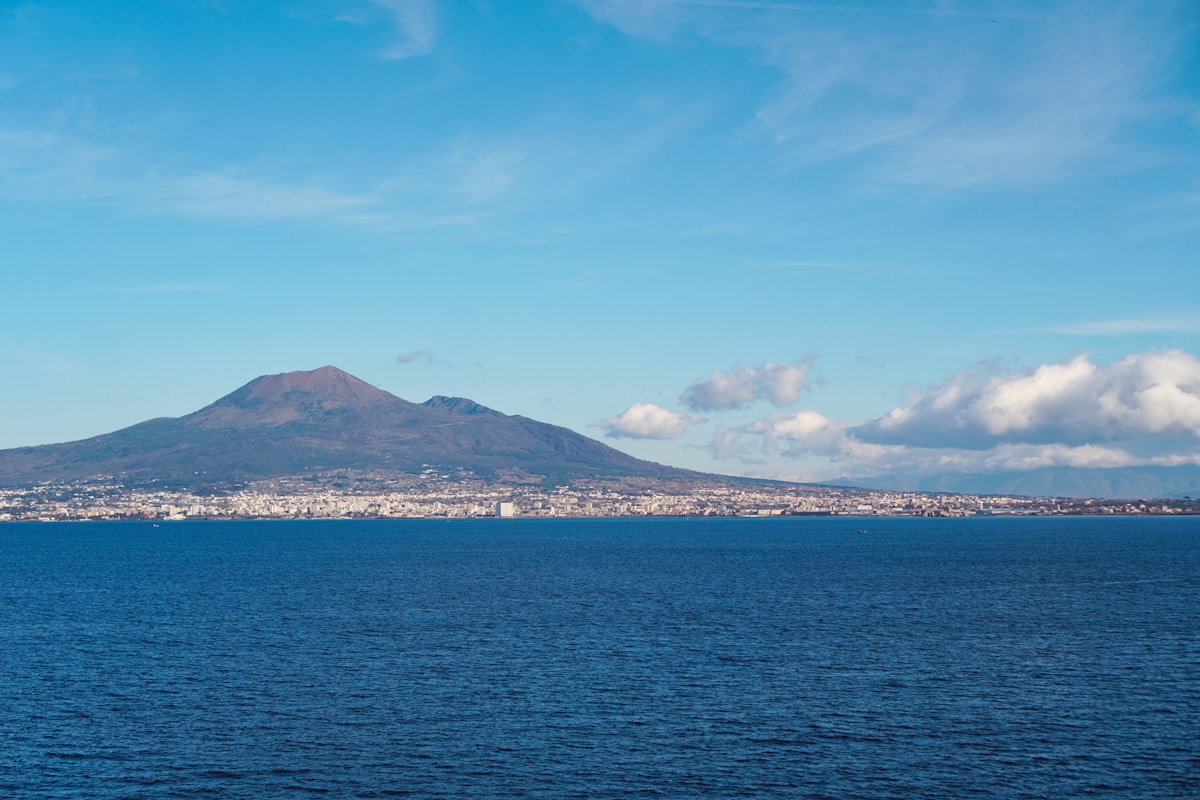
Naples and Rome are separated by just 70 minutes of high-speed rail - but they feel like different countries. Rome is the polished capital, layered with monuments, organised for tourism, and comfortable for first-time visitors. Naples is raw, intense, and chaotic - a city that does not perform for tourists but rewards those willing to engage with its energy. The pizza alone justifies the trip.
Quick Verdict
| Category | Naples | Rome |
|---|---|---|
| Pizza | Winner | - |
| Food overall | Winner | - |
| Ancient history | - | Winner |
| Museums | Tied | Tied |
| Value for money | Winner | - |
| Street life | Winner | - |
| Ease of travel | - | Winner |
| Day trips | Winner | - |
Choose Naples if you want the best food in Italy, raw authenticity, and a base for Pompeii, the Amalfi Coast, and Capri. Choose Rome if you want ancient monuments, world-class art, and a more comfortable tourist infrastructure.
Food and Dining
This is where Naples pulls ahead of every city in Italy - including Rome.
Naples invented pizza, and nowhere else comes close. A margherita DOC at L’Antica Pizzeria da Michele (the original, established 1870) costs €5. Sorbillo on Via dei Tribunali serves a margherita for €5–6 with a charred, pillowy cornicione that defines the Neapolitan style. 50 Kalò in Piazza Sannazaro is considered by many to have the finest pizza in the city - still under €8. The difference between Neapolitan pizza and everything else is not subtle - it is a different food entirely.
Beyond pizza, Naples excels at street food. Cuoppo (fried seafood or vegetables in a paper cone, €5–7), frittatina di pasta (fried pasta cake, €2–3), and sfogliatella (shell-shaped pastry filled with ricotta, €2–3) are eaten on the move. The Pignasecca market and Via dei Tribunali are the centres of this street food culture. A full sit-down dinner at a good trattoria - seafood pasta, contorni, wine - costs €20–30 per person.
Rome’s food is outstanding in its own register. Carbonara, cacio e pepe, and amatriciana are iconic. Pizza al taglio is Rome’s contribution to pizza - rectangular slices sold by weight (€3–5). But Rome’s food is more expensive and, in tourist areas, more variable in quality. Naples is more consistently excellent and dramatically cheaper.
Winner: Naples, by a significant margin - especially for pizza and street food.
Ancient History and Sightseeing
Rome has the deeper concentration of ancient sites within the city itself. The Colosseum (€24), Roman Forum, Pantheon (free), and the extensive ruins of imperial Rome - Palatine Hill, the Baths of Caracalla (€10), the Appian Way - represent the political and architectural centre of the ancient world.
Naples’ ancient history is more dispersed. The National Archaeological Museum (€18) houses the finest collection of Greco-Roman artefacts in the world - the Farnese collection, the mosaics and frescoes from Pompeii, the Secret Cabinet of erotic art from ancient Herculaneum. The city itself has the Napoli Sotterranea (underground tunnels, €12), Greek and Roman ruins beneath the streets, and the Catacombs of San Gennaro (€13).
But Naples’ greatest advantage is proximity to Pompeii (40 minutes by Circumvesuviana train, €4; site entry €18) and Herculaneum (20 minutes, €13) - the two best-preserved ancient cities in the world. Adding a climb up Vesuvius (€10 entry, shuttle bus €25 return from Ercolano) completes a day that no other city in Italy can match for ancient drama. Pompeii guided tours from Naples can include all three sites in a single day.
Winner: Rome for in-city monuments. Naples for the wider archaeological region (Pompeii, Herculaneum, Vesuvius).
Museums
The cities have comparable museum offerings at very different price points.
Rome: Vatican Museums (from €20), Borghese Gallery (€13), Capitoline Museums (€16), MAXXI (€12). World-class but expensive and requiring advance booking.
Naples: National Archaeological Museum (€18, arguably the finest antiquities museum in the world), Museo di Capodimonte (€14, with Caravaggio, Titian, and Masaccio in a former royal palace), Certosa di San Martino (€6, with panoramic views and Neapolitan nativity scenes). High quality at lower prices and with shorter queues.
Winner: A genuine tie. Different strengths - Rome for Renaissance art, Naples for antiquities.
Accommodation
Naples is substantially cheaper. A 3-star hotel in the historic centre costs €60–100/night. The area around Via dei Tribunali and Spaccanapoli puts you in the heart of the action. The seafront hotels along Via Partenope (from €100–180) offer views of Vesuvius across the bay. Budget hostels start from €20–30/night.
Rome’s 3-star hotels average €90–150/night for a central location. Trastevere, Monti, and the area between Termini and the Colosseum offer the best mid-range value. Budget options near Termini start from €25–40 for hostels.
Winner: Naples, clearly - 30–40% cheaper across all tiers.
Getting Around
Rome has a metro system (three lines, single ticket €1.50) that covers major tourist sites, plus extensive (if unreliable) bus coverage. The city is large but the historic centre is walkable.
Naples has metro Line 1 (the “art metro” - several stations feature contemporary art installations by international artists, worth seeing in their own right) and Line 2. A single ticket costs €1.30. The Circumvesuviana commuter train connects Naples to Pompeii, Herculaneum, and Sorrento. Buses exist but are notoriously unreliable. The historic centre is walkable but hilly in places. Traffic in Naples is famously chaotic - do not hire a car.
Winner: Rome for ease. Naples’ art metro stations are a genuine attraction in themselves.
Day Trips
Naples is one of Italy’s best day-trip bases - perhaps the best.
From Naples: Pompeii (40 minutes), Herculaneum (20 minutes), Vesuvius (combined with either), the Amalfi Coast (ferry from Naples to Positano, 80 minutes, from €18; or bus via Sorrento), Capri (hydrofoil from Molo Beverello, 50 minutes, from €22), Sorrento (Circumvesuviana, 70 minutes, €4), and Ischia (ferry, 90 minutes, from €15).
From Rome: Pompeii (feasible but 2.5 hours each way), Tivoli (45 minutes), Orvieto (1 hour), Castelli Romani (30–45 minutes). Excellent options but less dramatic than Naples’ surroundings.
Winner: Naples, decisively. No city in Italy has a better radius of day trips.
When to Visit
Both cities are best in spring (April–June) and autumn (September–October).
Naples is slightly warmer than Rome year-round. Summer in Naples (July–August) is hot (32–36°C), humid, and busy - but the city never feels as overwhelmed as Rome because fewer international tourists come here. Winter in Naples is mild (8–14°C) and much quieter - a good time to visit if you do not need beach weather.
Rome in summer is extremely hot and crowded. Winter is mild but can be rainy. The shoulder months offer the best balance.
Winner: A draw. Naples handles summer crowds better; Rome has more shoulder-season events.
Final Verdict
Rome is the city every first-time visitor to Italy should see - the monuments, art, and infrastructure make it an unbeatable introduction. Naples is the city that changes how you think about Italy - rawer, more intense, more delicious, and dramatically cheaper.
The ideal approach is to combine both: 3–4 days in Rome, then take the 70-minute train to Naples for 2–3 days, using it as a base for Pompeii, the Amalfi Coast, and Capri. This combination is one of Italy’s finest itineraries.
How to Book Hotels in Naples and Rome
Both cities require forward planning in summer (June–August). Naples is significantly less pressured than Rome — you can often find good mid-range options 2–3 weeks out, even in July. Rome is the opposite: peak season and Easter week fill up 6–8 weeks ahead, particularly for anything near the Colosseum, Trevi Fountain, or Trastevere.
Specific Naples picks:
- Costantinopoli 104 (Via Santa Maria di Costantinopoli 104): A 19th-century palazzo in the centro storico with an internal garden courtyard and small swimming pool — one of the few city-centre hotels in Naples with outdoor space. Doubles from approximately €100 in low season.
- Hotel Palazzo Decumani (Via del Grande Archivio 8): A well-run modern boutique hotel on the Spaccanapoli axis with reliable service. From approximately €90.
- Hotel Vesuvio (Via Partenope 45): The classic waterfront grande dame, with direct views of Vesuvius across the Bay of Naples and a rooftop restaurant. From approximately €180 — significantly cheaper than Rome’s equivalent seafront hotels.
Specific Rome picks:
- Hotel Artorius (Via del Boschetto 13, Monti): A small 3-star in the Monti neighbourhood — Rome’s most authentic and walkable central district. From approximately €100.
- Hotel Campo de’ Fiori (Via del Biscione 6): Rooftop terrace with views over the market square, good mid-range position in the heart of Rome. From approximately €120.
- Hotel Santa Maria (Vicolo del Piede 2, Trastevere): A former convent with an orange-tree courtyard garden in the Trastevere neighbourhood. From approximately €140.
Search Naples hotels on Booking.com → Search Rome hotels on Booking.com →
Ready to Plan Your Trip?
See our itineraries for inspiration:
- 3 Days in Rome - the perfect short break in the Eternal City
- Amalfi Coast Itinerary - five days on the Costiera Amalfitana
- Southern Italy Itinerary - ten days from Naples to Sicily
- 10-Day Family Italy Itinerary - ten days through Rome, the Amalfi Coast, Florence, and Lake Garda
For more Rome comparisons: our Rome vs Florence guide weighs the capital against the Renaissance city, and our Milan vs Rome guide covers Italy’s business capital versus the Eternal City.
Plan Your Trip
✈️ Book your flights to Italy 🛡️ Get travel insurance 📱 Stay connected with an eSIM 🚗 Rent a car
🎟️ Browse tours in Naples — Browse tours in Rome 🏨 Search hotels in Naples — Search hotels in Rome