Italy has one of the best rail networks in Europe for connecting major cities, and one of the more challenging networks for accessing smaller towns and rural areas. The combination of high-speed trains between hubs and a car (or local buses) for the countryside covers most itineraries.
Airport transfers
Private transfers with a fixed price and a meet-and-greet service are the most practical way to reach your hotel from an Italian airport, especially for late arrivals or groups travelling with luggage. Welcome Pickups, Kiwitaxi, and GetTransfer all operate across Italy’s main airports - book in advance and the driver is waiting at arrivals with your name on a board, no queuing for a taxi.
Rome - Fiumicino (FCO) and Ciampino (CIA): FCO (Leonardo da Vinci) is the main international gateway, 30 km south-west of the city centre. Fixed-rate taxis to the historic centre cost approximately €50 as of 2026; private transfers through Welcome Pickups or Kiwitaxi run approximately €35–55. The Leonardo Express train from FCO to Roma Termini is 32 minutes (approximately €14, every 30 minutes) - the fastest public option. CIA (Ciampino), 15 km south-east, handles Ryanair and some charter flights. Shuttle buses to Termini take approximately 40 minutes (approximately €6–7).
Milan - Malpensa (MXP) and Linate (LIN): Malpensa handles most international flights, 50 km north-west of the city. The Malpensa Express train to Milano Centrale takes 52 minutes (approximately €13). Private transfers from Malpensa cost approximately €65–90 to central Milan. Linate, 8 km east, handles short-haul and domestic routes - taxis take roughly 20 minutes at a fixed rate of approximately €25–30. Private transfer options are available from both terminals through GetTransfer.
Naples (NAP): 6 km north of the city centre. The Alibus shuttle runs to Piazza Garibaldi (Napoli Centrale) in approximately 20 minutes (approximately €5). Private transfers cost approximately €25–40 and are worth it if you’re continuing on to the Amalfi Coast or Sorrento.
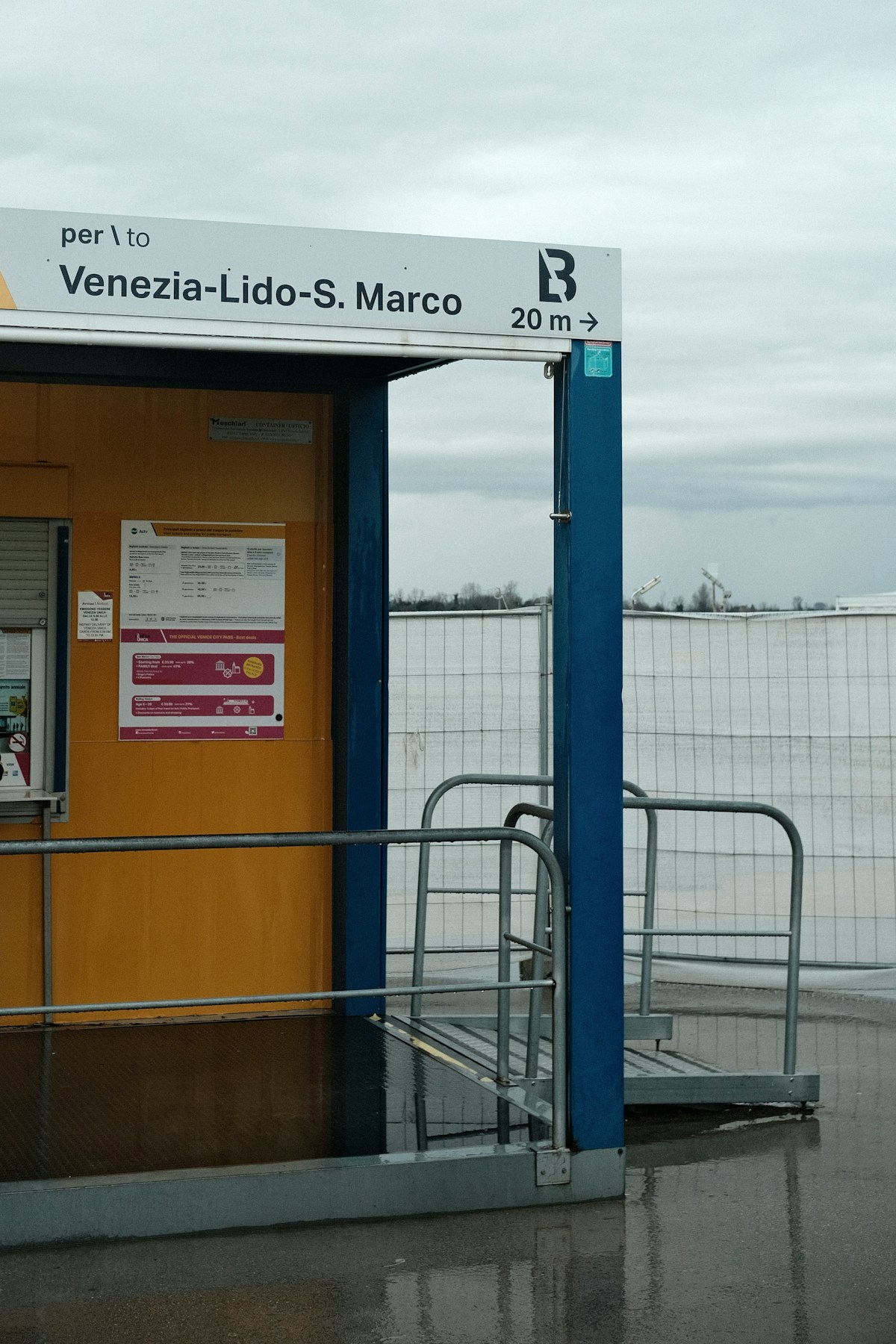
Venice - Marco Polo (VCE): On the mainland 13 km north-east of Venice. Water taxis are expensive (approximately €90–120 for the boat to the island); the Alilaguna water bus (approximately €15) takes 45–75 minutes depending on the line. Buses to Piazzale Roma (approximately €8, 30 minutes) are the cheapest land option to the island. Private transfers to Piazzale Roma or Mestre cost approximately €25–40 via Kiwitaxi.
Florence (FLR): Peretola handles mainly domestic and European routes. The Vola in Bus shuttle connects to Santa Maria Novella station in approximately 20 minutes (approximately €6). Private transfers cost approximately €20–35.
Catania (CTA) - Sicily: Fontanarossa is Sicily’s busiest airport, 7 km from central Catania. Bus services (Alibus) to Catania Centrale take approximately 20 minutes (approximately €4). Private transfers to the city centre cost approximately €20–30; to Taormina (popular transfer) approximately €55–75 via Welcome Pickups or Kiwitaxi.
High-speed trains
Trenitalia Frecciarossa and Frecciargento - Italy’s primary high-speed service, operated by the state railway company. The main spine runs Rome–Florence–Bologna–Milan, with extensions to Turin, Venice, Naples, and Salerno. Frecciarossa trains reach 300 km/h on the main routes. Frecciargento serves routes with mixed high-speed and conventional track.
Italo (NTV) - A private competitor running on the same high-speed routes. Prices are often slightly lower; the trains are newer with comfortable seats and free WiFi. Worth comparing on italotreno.it before booking.
Key journey times and advance booking prices (as of 2026):
| Route | Time | Advance Price | Walk-up Price |
|---|---|---|---|
| Rome–Florence | 1h 35min | from €15–25 | €45–55 |
| Rome–Milan | 2h 55min | from €25–40 | €65–85 |
| Rome–Naples | 1h 10min | from €12–20 | €35–45 |
| Florence–Milan | 1h 45min | from €15–25 | €45–55 |
| Florence–Bologna | 35min | from €10–15 | €25–30 |
| Milan–Venice | 2h 30min | from €15–25 | €45–55 |
| Milan–Turin | 55min | from €10–15 | €25–35 |
| Naples–Salerno | 35min | from €8–12 | €15–20 |
Booking: Book at trenitalia.com or italotreno.it, or use Omio to compare both operators side by side in one search. Early booking (2–4 weeks ahead) gets the best prices - the pricing structure is similar to budget airlines. Download the Trenitalia or Italo app for mobile tickets. There are four fare classes on Frecciarossa: Standard, Premium, Business, and Executive. Standard is fine for most journeys; Business adds wider seats and better catering.
Regional trains
The regional network (Trenitalia Regionale, plus local operators like Trenord in Lombardy and Circumvesuviana in Campania) connects smaller towns and is significantly cheaper. No advance booking required (or possible on most routes); buy a ticket at the station or on the Trenitalia app.
Important: Validate (stamp) paper tickets before boarding using the yellow machines on platforms. Fines for unvalidated tickets are approximately €50 and issued without exception. Digital tickets on the app don’t need validation.
Examples of regional fares (as of 2026):
- Florence–Pisa: approximately €9 (1 hour)
- Venice–Padua: approximately €5 (30 minutes)
- Naples–Pompeii (Circumvesuviana): approximately €3.60 (35 minutes)
- Milan–Bergamo: approximately €6 (50 minutes)
- Rome–Ostia Antica: approximately €1.50 (45 minutes)
Regional trains run frequently on major routes (every 15–30 minutes) and less often on rural lines. They are often delayed - allow buffer time for connections.
Car rental
A car is essential for exploring rural Tuscany, Umbria, Puglia, Basilicata, and Calabria. The wine regions (Chianti, Barolo, Franciacorta), the hill towns, and the coastal drives (Amalfi, Calabrian coast) all require a car for independent exploration. A car is counterproductive (and expensive) in major cities, where ZTL restrictions, parking costs, and traffic congestion make driving punishing. Compare rates and hire a car in Italy before you travel to get the best advance pricing.
ZTL (Zona a Traffico Limitato): Most Italian historic centres have restricted traffic zones, active most hours. Cameras automatically photograph licence plates and issue fines of approximately €70–250 per violation, as of 2026. Rental cars are tracked; fines follow you home (rental companies charge your card). If driving to a city, park outside the ZTL and walk or use public transport. Cities with particularly aggressive ZTL enforcement: Florence, Bologna, Siena, Pisa, Lucca.
Hire prices: Approximately €25–60/day for a compact car booked ahead through GetRentaCar, DiscoverCars, or directly with Hertz, Avis, or Europcar. Fuel is expensive (approximately €1.75–2.10/litre for petrol, €1.60–1.90 for diesel as of 2026). Tolls on motorways (autostrade) add up on long journeys - Milan to Florence costs approximately €25–30 in tolls. An international driving permit (IDP) is technically required for non-EU licence holders but enforcement is inconsistent; it costs approximately €15 from your home automobile association.
Insurance: Take the full CDW (collision damage waiver) from the rental company or bring your own through a third-party provider. Italian roads are generally good, but city driving involves tight spaces and aggressive traffic.
Buses
FlixBus operates intercity routes at lower prices than trains - useful for routes with poor rail connections (e.g., Florence to Siena, approximately €8, 1 hour 15 minutes). Book at flixbus.it.
SITA and Autolinee Toscane operate regional bus services in Tuscany (Florence to Siena, Florence to San Gimignano). Buy tickets at the bus station or tabacchi shops.
Marozzi operates long-distance services between Rome and Puglia, the Amalfi Coast, and Calabria.
For smaller towns not on rail lines, local bus services are the only public transport option. Schedules are often infrequent (2–4 services per day) and unreliable on Sundays and holidays. Check routes at the provincial transport company websites.
Domestic flights
For routes where the train takes more than 5 hours, flying is the practical choice. The clearest cases are mainland Italy to Sicily and mainland Italy to Sardinia - the Rome to Palermo train involves the Strait of Messina ferry crossing and takes 8–10 hours; the flight takes 1 hour 10 minutes. Compare domestic fares on Aviasales for the best prices on these routes.
Routes worth flying (as of 2026):
| Route | Flight time | Approximate fare |
|---|---|---|
| Rome or Milan → Palermo | ~1h 10min | from €30–70 |
| Rome or Milan → Catania | ~1h 20min | from €30–70 |
| Rome or Milan → Cagliari | ~1h | from €35–80 |
| Rome or Milan → Olbia (Sardinia) | ~1h | from €40–100 (higher July–Aug) |
| Milan → Naples | ~1h 10min | from €30–60 |
Note on Milan–Naples: the Frecciarossa covers this in 2 hours 55 minutes nonstop - for most travellers the train is more convenient than dealing with an airport. Fly it only if you find a significant fare difference or have ongoing connections.
Book summer routes (Sicily and Sardinia) at least 4–6 weeks ahead. Prices on these routes spike sharply in July and August and availability disappears entirely for peak dates. ITA Airways, Ryanair, easyJet, and Volotea all operate domestic Italian routes.
Local transport within cities
All major Italian cities have buses; Rome, Milan, Naples, Turin, Genoa, Brescia, and Catania have metros. Tickets typically cost approximately €1.30–2.20 per journey or approximately €6–11 for a day pass, as of 2026. Buy from tabacchi (tobacco shops), newsagents, or machines at stations - almost never from the driver. Validate on board.
Metro systems worth noting:
- Milan: 5 lines (M1–M5), the most comprehensive in Italy. 24-hour pass approximately €7.60.
- Rome: 2 main lines (A and B, crossing at Termini). Limited coverage but connects the main tourist areas. 24-hour pass approximately €7.
- Naples: Line 1 connects the station to the historic centre. The Toledo station is an art installation in itself.
Trams are the most useful surface transport in Milan and Rome. Ride-hailing (Uber) operates in some Italian cities but at limited scale; traditional taxis are the alternative. Fixed airport taxi rates apply in Rome, Milan, and Naples - see the Airport transfers section above for specifics on each city.
Ferries
Ferries connect the mainland to Sicily (Messina–Villa San Giovanni, approximately 30 minutes, approximately €3–5 for foot passengers), Sardinia (overnight from Civitavecchia, Genoa, or Naples - approximately €50–100 per person for a cabin), and the Bay of Naples islands (Capri, Ischia, Procida - approximately €13–22 each way by hydrofoil).
The main operators: Tirrenia and Grimaldi for long overnight crossings, Moby for Sardinia and Corsica, SNAV and Caremar for Bay of Naples hydrofoils and ferries. Book at directferries.com for comparison.
Lake ferries on Como, Maggiore, and Garda operate seasonally (reduced schedules November–March). Day passes on Lake Como cost approximately €15–20.
For route-specific transport logistics: Rome, Naples, Venice, Florence, and Amalfi Coast guides each cover local transport in detail. For multi-city trip planning: 1-week Italy itinerary and 2-weeks Italy itinerary. For flights into Italy: getting to Italy guide.
Ready to Plan Your Trip?
See our itineraries for inspiration:
- One Week in Italy - seven days through Rome, Florence, and Venice
- 10 Days in Italy - the classic grand tour of Italy’s highlights
- 2 Weeks in Italy - the ultimate two-week Italian itinerary
- 3 Weeks in Italy - the north-to-south grand tour from Milan to Sicily
Plan Your Trip
✈️ Book your flights to Italy 🛡️ Get travel insurance 📱 Stay connected with an eSIM