August is Italy’s most challenging month for visitors and its most revealing for understanding the country. The Italian August is a national institution - Ferragosto (15 August) is the anchor of the Italian summer holiday, and the weeks around it see a mass exodus of Italian city-dwellers to the mountains, the lakes, and the coast. In Rome and Florence, the tourist crowds remain or increase; the locals have left. The result is a peculiar atmosphere - Italy at its most crowded with foreign visitors and least inhabited by Italians.
Ferragosto (15 August)
Ferragosto (the Feast of the Assumption) is Italy’s primary summer holiday. The tradition dates to a Roman festival instituted by Augustus in 18 BC; the Catholic Church later fixed the Assumption of Mary to the same date. In contemporary Italy, it marks the absolute peak of the summer holiday period.
What closes: Many non-tourist businesses close for the entire week of 10–20 August, sometimes longer. In Rome and Florence, neighbourhood restaurants favoured by locals close; tourist-oriented restaurants stay open. Some small shops, pharmacies, and services close without notice. Before travelling in the Ferragosto period, confirm specific restaurants and services.
What stays open: All major museums and tourist attractions operate normally. Tourist-area restaurants and hotels are fully operational - and fully booked.
Pricing: The week of Ferragosto (roughly 10–20 August) is the single most expensive week of the Italian travel year. Coastal accommodation prices peak; hotels in the Amalfi Coast, Sardinia, and Sicily charge their highest rates. Rome and Florence hotels are also elevated, though slightly less so since the local population has left. Expect to pay 40–60% more than September rates for comparable accommodation.
Ferragosto Heat: 34°C in Rome and Florence, Sicilian Interior Hits 40°C, Dolomites the Relief
Rome: 22–34°C, peaks to 38°C. Extremely hot. The ancient stone amplifies heat. The scirocco wind can push temperatures higher still.
Florence: 22–35°C. The worst city in Italy in August - the Arno valley traps heat and humidity. Many Florentines leave; those who stay are in air conditioning.
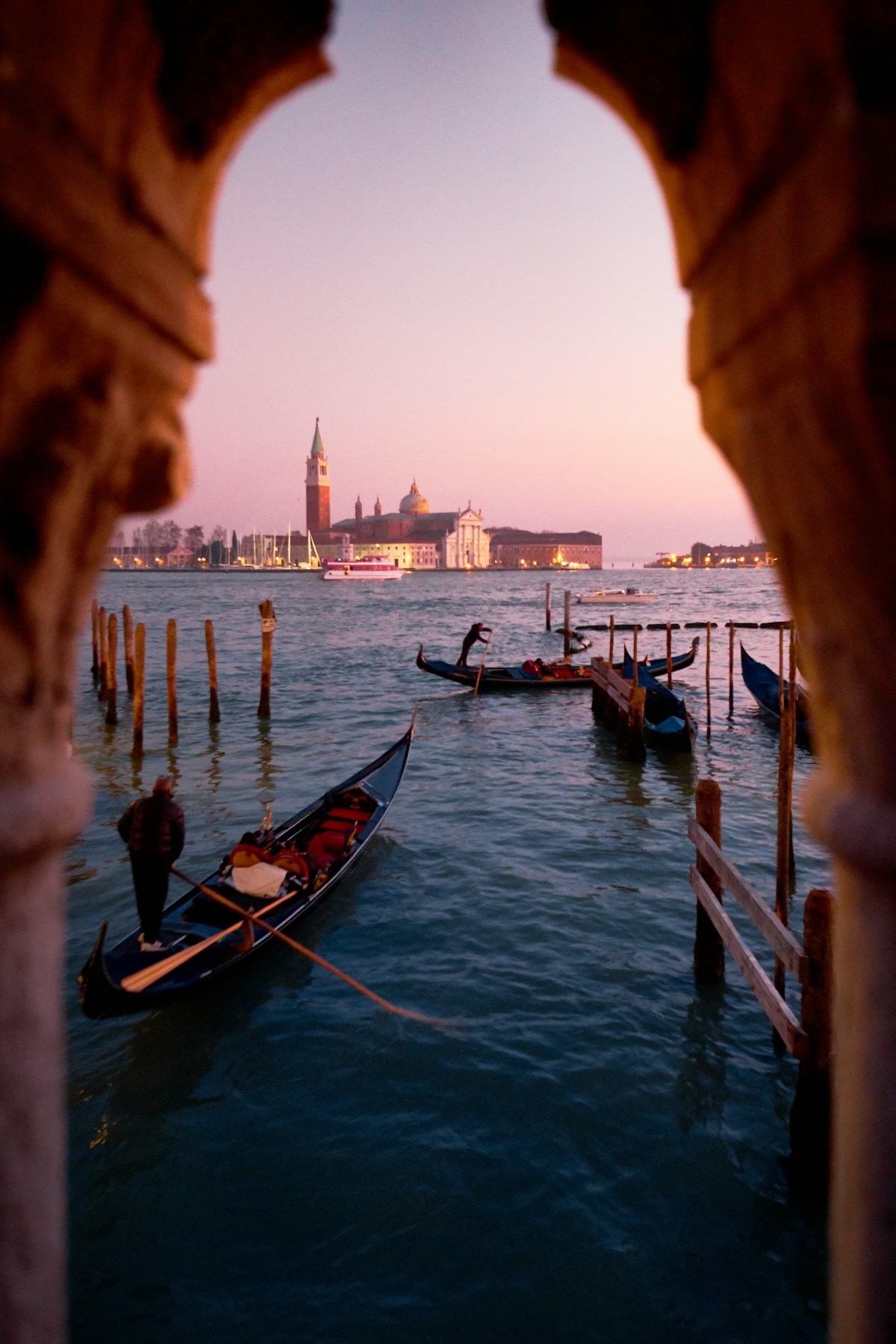
Venice: 20–30°C. Humid and smelly. Very crowded. The canals in the heat are challenging.
Milan: 21–32°C. Many locals leave. The city is emptier but still uncomfortably hot and humid.
Naples: 22–32°C. Hot but benefits from sea breezes. Capri and Ischia are at peak capacity.
Amalfi Coast: 23–32°C. Peak crowding. The coast road is gridlocked from mid-July to late August. Car travel on the SS163 is genuinely miserable - take the SITA bus or ferry instead.
Sicily: 24–37°C. The interior can reach 40°C. The scirocco brings Saharan dust and intense dry heat to the south coast. The beaches and the sea (26–27°C) are excellent despite the heat.
Sardinia: 23–33°C. The most crowded month. Costa Smeralda is at its most expensive and most saturated.
Dolomites: 12–26°C. The best destination in Italy in August - cool relative to the south, excellent hiking, Italian families rather than international tourists.
The Palio di Siena (16 August)
The second annual Palio (the first is 2 July) follows the same format: bareback horse racing around the Piazza del Campo, preceded by a Renaissance-costume pageant. The August Palio, dedicated to the Assumption of the Virgin, is considered by many Sienese to be the more important of the two. The same booking and attendance advice applies - free standing in the Campo centre requires arriving 6+ hours early in extreme heat; bleacher seats cost €200–400 and must be booked months in advance. The atmosphere in Siena during Palio week is intense; the contrade rivalries dominate the city.
Dolomites, Sardinia, and the outdoor opera season
The mountains (Dolomites, Alps, Apennines): The temperature differential is the key. The Dolomites in August are 15–20°C cooler than Rome. Cortina d’Ampezzo, Courmayeur, and the Val Gardena are popular with Italian families escaping the heat. Book refuges (rifugi) on popular hiking routes well ahead - the Alta Via trails are busy.
Sicily’s beaches: Hot but the sea is excellent. Archaeological sites (Valley of the Temples, Segesta) are brutal after 10am; visit at opening time.
Sardinia: Peak season but the beaches justify it for those who book months ahead. The northeast (Costa Smeralda, La Maddalena) is most crowded; the west coast (Bosa, Oristano) offers relative quiet.
Outdoor opera in Verona: The Arena summer season runs through August. Late August performances are slightly easier to book than July.
Lake Garda: Italian families dominate; the north of the lake (Riva del Garda, Torbole) has a cooler, fresher climate than the south and offers windsurfing and sailing.
Sagre: Village food festivals continue throughout August. Ferragosto itself is often marked by local sagre - seafood on the coast, grilled meats in the mountains, watermelon festivals across the south.
Rome, Florence, and the Amalfi road in August
Rome and Florence in August: Technically possible but unpleasant. Many locals have left; tourist-oriented restaurants dominate; the heat is oppressive. If you must visit, focus on early morning museum openings (8:30am at the Vatican) and air-conditioned galleries in the afternoons.
The Amalfi road: The SS163 in August is a stop-start traffic jam on a cliff with no passing places. Take the ferry from Salerno, Naples, or Sorrento instead.
Venice at peak: Venice in August has the highest visitor numbers of the year. The smell in the canals on hot days is a significant issue.
Pre-booking the Vatican, Colosseum, and Uffizi in August
August requires the most advance planning of any month. The Colosseum, Vatican Museums, and Uffizi are effectively sold out for walk-up visitors throughout the month. Book timed-entry tickets 3–4 weeks ahead minimum. The Borghese Gallery in Rome always requires advance booking (limited to 360 visitors per two-hour slot) and is particularly difficult in August. Pompeii is open but the heat makes a full visit challenging - go early and bring water.
Best August options: Sardinia and Sicily beaches; Siena Palio (16 August); Dolomites for cooler alpine air. Italy tours in August include early morning and evening options that avoid the peak heat. Tickets must be pre-booked: Vatican tours, Colosseum tickets, Uffizi tickets. For our full seasonal overview: best time to visit Italy.
See Also
- Best time to visit Italy - full seasonal overview
- Italy in July - the month before
- Italy in September - the month after
Ready to Plan Your Trip?
See our itineraries for inspiration:
- One Week in Italy - seven days through Rome, Florence, and Venice
- 10 Days in Italy - the classic grand tour of Italy’s highlights
- 2 Weeks in Italy - the ultimate two-week Italian itinerary
- 3 Weeks in Italy - the north-to-south grand tour from Milan to Sicily
Plan Your Trip
August is Italy’s most unforgiving planning month. The Colosseum, Vatican Museums, and Uffizi are effectively sold out for walk-ups — book timed-entry tickets 3–4 weeks ahead minimum. The Borghese Gallery (360 visitors per two-hour slot) is essential to book well ahead. Amalfi Coast accommodation should be booked months ahead; Sardinia’s Costa Smeralda and the Aeolian Islands require similar lead times.
Ferragosto on 15 August closes most businesses; the second Palio di Siena runs the following day on 16 August. The Venice Film Festival runs late August on the Lido — canal-side hotels book early. The best August options with less advance stress: Sardinia beaches, Sicily’s Aeolian Islands, and the Dolomites for hiking in bearable temperatures.
Flights to Italy at peak prices — book early. Insurance | eSIM | Car hire | Hotels in Italy.