November is Italy in its least-performed version - quiet, affordable, occasionally spectacular in its light and atmosphere, and carrying the last of the food season’s best produce. The tourist infrastructure in cities remains fully operational; coastal resorts have largely closed. For city and food travellers, November offers something the peak months cannot: the country largely to yourself.
Cold North, Mild South: Acqua Alta in Venice, Naples at 19°C, Sicily Still Pleasant for Walking
Rome: 9–18°C. Getting cooler. Rain is more likely than October. Still warm enough for comfortable walking in a proper coat. Short days - sunset around 4:45pm by late November.
Florence: 7–15°C. Variable. The fog of autumn is present on some days; the golden Tuscan light on others. The Arno can flood after heavy rains - the 1966 flood is still the reference point.
Venice: 4–13°C. Acqua alta season is active - the raised walkways (passerelle) are out regularly. The MOSE flood barrier system (operational since 2020) reduces but does not eliminate high water events. The city in fog and autumnal light is genuinely atmospheric. Pack waterproof boots.
Milan: 4–12°C. Cold. Fog common. The city is in its greyest period. November fog in the Po Valley can be dense and persistent.
Naples: 12–19°C. Still relatively warm. November is when Naples without summer tourists shows its real character - the street food, the piazzas, the working-city atmosphere.
Sicily: 13–19°C. Rain possible but mild. The interior is green after the first autumn rains. Good temperatures for walking the archaeological sites. Palermo and Catania are comfortable.
Sardinia: 10–17°C. Most coastal accommodation closed. The interior is green and atmospheric but limited infrastructure for visitors.
Dolomites/Alps: -1 to 9°C. The ski season begins at higher altitudes from mid-November (snow permitting). Courmayeur and Cervinia in the Valle d’Aosta often open first, followed by the larger Dolomite resorts. Late November is a transition period - hiking season is over, ski season not yet fully established. Many mountain hotels close for the inter-season gap.
The white truffle (tartufo bianco)
The peak of the white truffle season is October–November. The white truffle (Tuber magnatum pico) is one of the most intensely flavoured and most expensive food ingredients in the world - prices typically range from €2,000–5,000 per kilogram depending on the year’s harvest.
Alba White Truffle Fair: The world’s largest white truffle market, running every Saturday from the first weekend of October through the first weekend of December. Alba is in the Langhe, 60km south of Turin. The market itself is in a tent in the centro storico; around it, the entire town becomes a truffle-focused food festival. Restaurants serve white truffle shaved on tajarin pasta, on fried eggs, on fonduta (Piedmontese cheese fondue), on risotto. Prices are high but the quality is genuine. November weekends are the peak - book Alba accommodation 4–6 weeks ahead.
Umbrian truffle: The prized Tuber melanosporum (Norcia black truffle) season begins in November and peaks in January–February. The Norcia and Spoleto area (southern Umbria) is the main source. Norcia’s truffle shops sell preserved truffle products year-round, but November is when the fresh black winter truffle first appears on restaurant menus.
The olive harvest (raccolta delle olive)
The olive harvest runs October–November across central Italy. In Tuscany and Umbria, small-scale producers bring their olives to local mills (frantoi) in November. The olio nuovo (new oil) - intensely green, peppery, with a short season before it oxidises - arrives in late October and November. If you’re in Tuscany in November, visit a frantoio and taste the new oil on bread; it’s a completely different product from the olive oil in supermarkets. Agriturismi in Chianti and the Val d’Orcia often offer olive harvest participation experiences.
CioccolaTò, San Miniato truffle festival, and All Saints’ Day
Rassegna Internazionale del Cinema di Roma (Rome Film Festival): Italian capital’s major film festival, usually in October/November. Screenings at the Auditorium Parco della Musica.
CioccolaTò (Turin): Turin’s chocolate festival, celebrating the gianduja tradition with stands throughout the city centre. Turin has produced chocolate since the 17th century; the local speciality is bicerin (coffee, chocolate, and cream layered in a glass).
Sagra del Tartufo Bianco (San Miniato, Tuscany): A white truffle festival in a small Tuscan hill town between Florence and Pisa, usually on the last three weekends of November. Smaller and less expensive than Alba, with a genuine local character.
All Saints’ Day (1 November): Public holiday. Italians visit family graves and leave flowers. Cemeteries are the focus; most businesses close. A quiet, reflective day across the country.
Museums without queues and off-season prices
November offers the lowest prices outside January–February. Rome and Florence hotels run 30–50% below peak-season rates. No advance booking is needed for any major museum - the Vatican Museums, Uffizi, Colosseum, and Borghese Gallery all have same-day availability on most November days. This is the month when you can walk up to the Vatican Museums at 9am and enter without a queue.
Piedmont, Venice fog, and the Italian off-season
Piedmont (Turin and Langhe wine country): November is Piedmont’s best month - the Barolo harvest is in, the truffle season is peak, the Langhe hills have extraordinary autumn colours, and the new vintage Barbera and Dolcetto are being released.
Venice: The fog and acqua alta and the grey light produce the most atmospheric version of Venice. The hotels are cheap - 50–60% below summer rates on the Grand Canal.
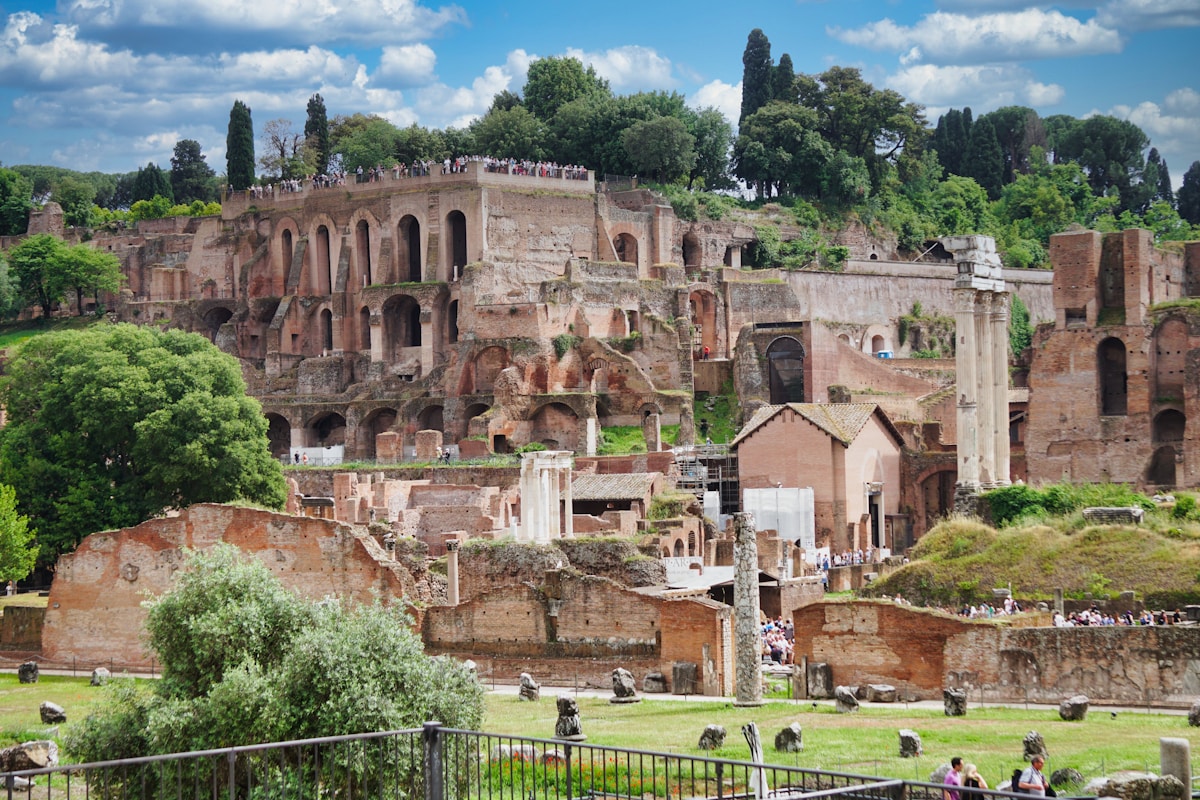
Rome: Near-empty streets around the Vatican and the Forum. No queues anywhere. The city returns to its local rhythm.
Tuscany: Olive harvest, new wine, mushrooms, quiet agriturismo stays. The Val d’Orcia in November mist is extraordinarily photogenic.
What closes in November: Amalfi, lake towns, and beaches
Amalfi, Capri, Positano: Substantially closed. Most restaurants and hotels shut from November to March.
Lake Como resorts: Many properties close October–March. Bellagio and Varenna are quiet; some restaurants remain open but the resort atmosphere is gone.
Beach destinations generally: Not the season. The sea is 18–19°C - too cold for most swimmers.
Best November visits: Rome and Florence for museums without summer queues; Venice for the atmospheric low season with acqua alta; Turin for the Cioccolatò chocolate festival. Italy tours in November include truffle hunting experiences in Piedmont and Tuscany - the white truffle season peaks this month. For our full seasonal overview: best time to visit Italy.
See Also
- Best time to visit Italy - full seasonal overview
- Italy in October - the month before
- Italy in December - the month after
Ready to Plan Your Trip?
See our itineraries for inspiration:
- One Week in Italy - seven days through Rome, Florence, and Venice
- 10 Days in Italy - the classic grand tour of Italy’s highlights
- 2 Weeks in Italy - the ultimate two-week Italian itinerary
- 3 Weeks in Italy - the north-to-south grand tour from Milan to Sicily
Plan Your Trip
November is Italy’s most pressure-free booking month. You can walk into the Vatican Museums, Uffizi, Colosseum, and Borghese Gallery on the same day — no advance booking needed. Hotel prices are 30–50% below summer in Rome and Florence, and 50–60% below on the Grand Canal in Venice.
One practical point for Venice: pack waterproof boots (available at pharmacy windows in Venice for €5–10), download the Acqua Alta Venezia app for real-time flood predictions, and choose a hotel above the first floor. The Alba White Truffle Fair runs every Saturday through early December — book Langhe accommodation 4–6 weeks ahead if a truffle weekend is the goal. Tuscany’s Sagra del Tartufo in San Miniato runs the last three weekends of November.
Flights to Italy at low-season prices. Travel insurance | eSIM Italy | Car hire | Find hotels in Italy.