
Digital Nomad
Best Cities for Remote Work in Italy: Where to Base Yourself
Best cities for remote work in Italy - Bologna for coworking, Rome for culture, Milan for connections. EU Digital Nomad Visa requirements included.
Remote Work
Italy has a practical case for remote workers despite costs significantly higher than Southeast Asia. The country sits in the CET/CEST time zone: overlapping perfectly with European clients and workably with East Coast US hours. Infrastructure in the major cities (Milan, Florence, Rome, Bologna) is reliable, with fibre broadband widely available and a growing coworking ecosystem. The quality of life (food, architecture, climate, culture) is a genuine draw for longer stays.
The visa situation for non-EU nationals improved in 2022 with the introduction of Italy's Digital Nomad Visa, which grants up to one year of legal remote-work residency for qualifying applicants. EU citizens can live and work without restriction. The main practical limitation for non-EU workers is cost: Italy is not cheap. Rents in Milan and Florence are comparable to mid-tier European capitals. Budget-conscious nomads do better in Bologna, Palermo, Naples, or smaller southern cities.
Each city guide covers coworking spaces, cafe recommendations, internet speeds, and monthly cost context for remote workers.
Rough monthly budgets for a digital nomad: mid-range apartment, coworking or cafe Wi-Fi, eating out 4–5 times per week. Figures in euros.
| City | Monthly Budget |
|---|---|
| Milan | €2,200–3,500 |
| Bologna | €1,600–2,500 |
| Florence | €1,800–2,800 |
| Rome | €1,800–3,000 |
| Palermo | €1,200–1,900 |
Budget estimates based on 2026 conditions in euros. Verify current EUR/USD rates at XE.com before planning.
Italy's Digital Nomad Visa (introduced 2022) allows non-EU remote workers to live and work legally in Italy for up to one year. Requirements include proof of remote employment or self-employment income (minimum ~€28,000/year), health insurance, and a clean criminal record. Applications are made at the Italian consulate in your country of residence. EU citizens need no visa: they can live and work in Italy indefinitely.
TIM and Vodafone Italy have the strongest 4G/5G coverage nationally. WindTre is a solid budget alternative. Buy at the airport or any operator shop with your passport: tourist SIMs with 20–50GB data typically cost €10–20 for 30 days. eSIM options (Airalo, Holafly) are available at €10–25 and work immediately on arrival. Coverage in southern Italy and the islands is reliable with TIM.
Cafe WiFi in Italian cities typically runs 50–150 Mbps. Coworking is best developed in Milan (Talent Garden, Copernico, Base Milano) and Rome (Talent Garden Roma, Regus, Workincipit). Florence and Bologna have smaller but active coworking scenes. Day passes: €15–30. Monthly memberships: €150–350. In smaller cities and the south, cafes with good WiFi fill the coworking role.
Italy is part of the Schengen Area. Non-EU nationals without a Digital Nomad Visa can stay up to 90 days in any 180-day period across all Schengen countries: not just Italy. Exiting to a non-Schengen country (UK, Albania, Morocco) resets the clock for that country only. For stays beyond 90 days without the DNV, registering as a resident via a permit of stay (permesso di soggiorno) is the formal route: complex but used by long-term expats.
In-depth guides to remote working, coworking spaces, and the digital nomad lifestyle.
Best cities for remote work in Italy - Bologna for coworking, Rome for culture, Milan for connections. EU Digital Nomad Visa requirements included.
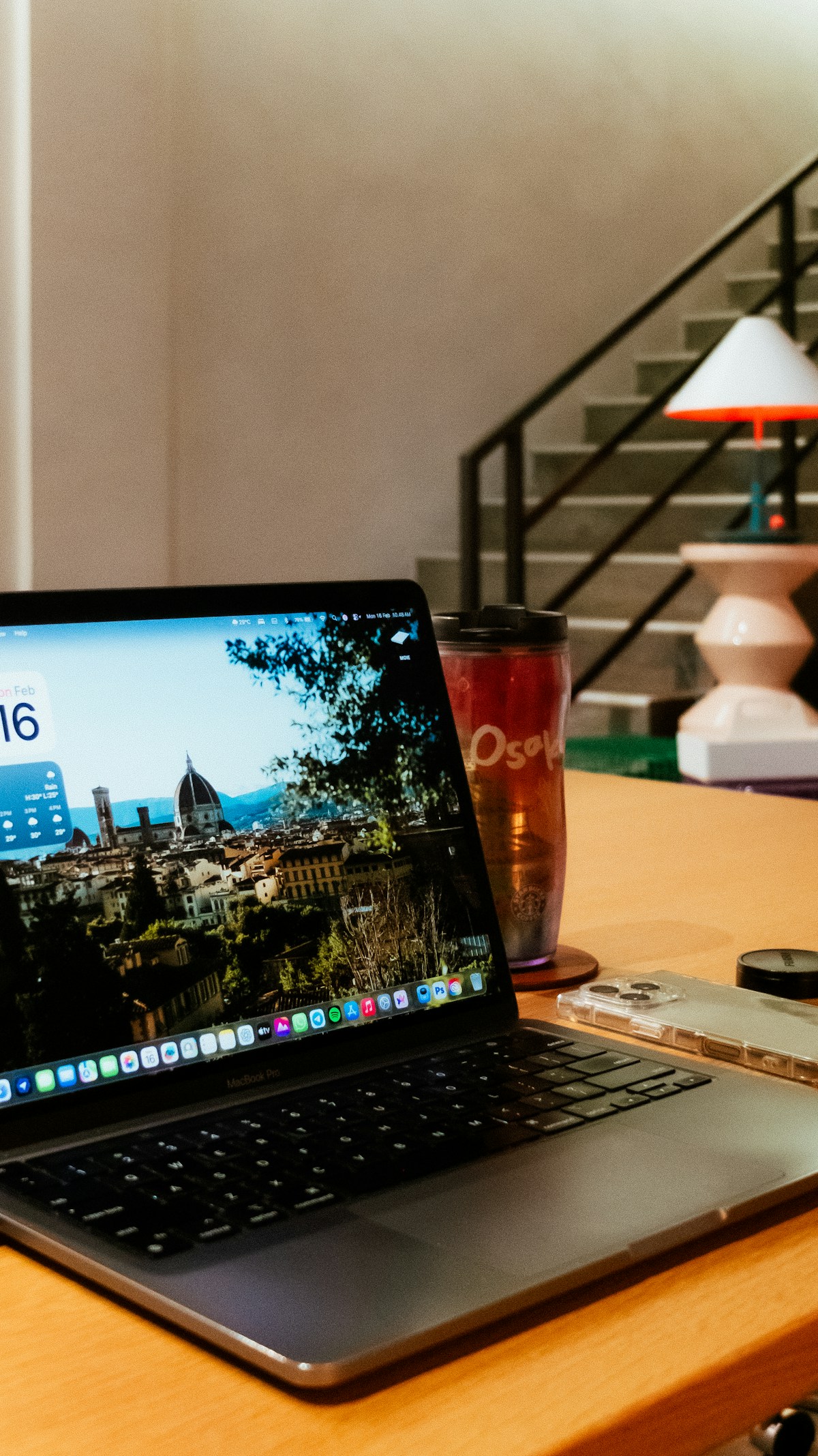
Cost of living in Italy for remote workers - rent, food, transport, and coworking costs in Milan, Bologna, Florence, Rome, Naples, and Palermo.
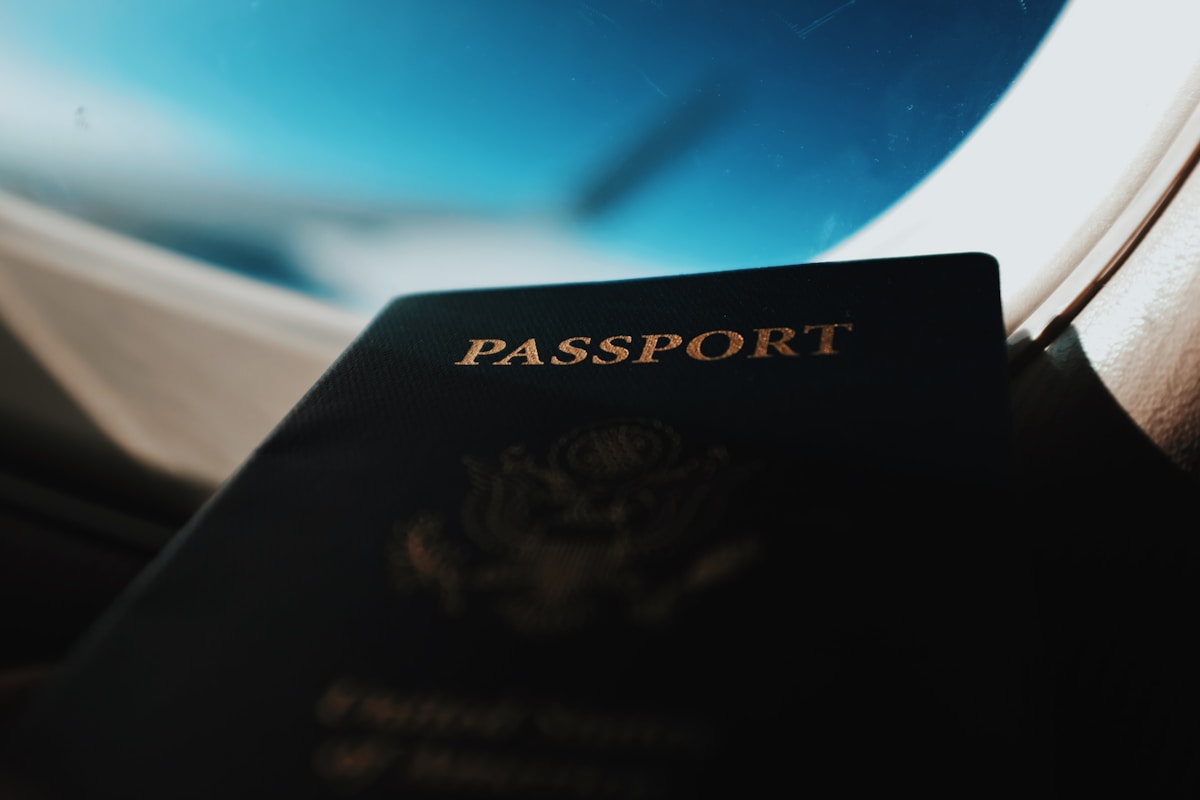
Italy's digital nomad visa - who qualifies, the income requirement, how to apply, how long it lasts, and what it means for non-EU remote workers.
Ready to plan your move?