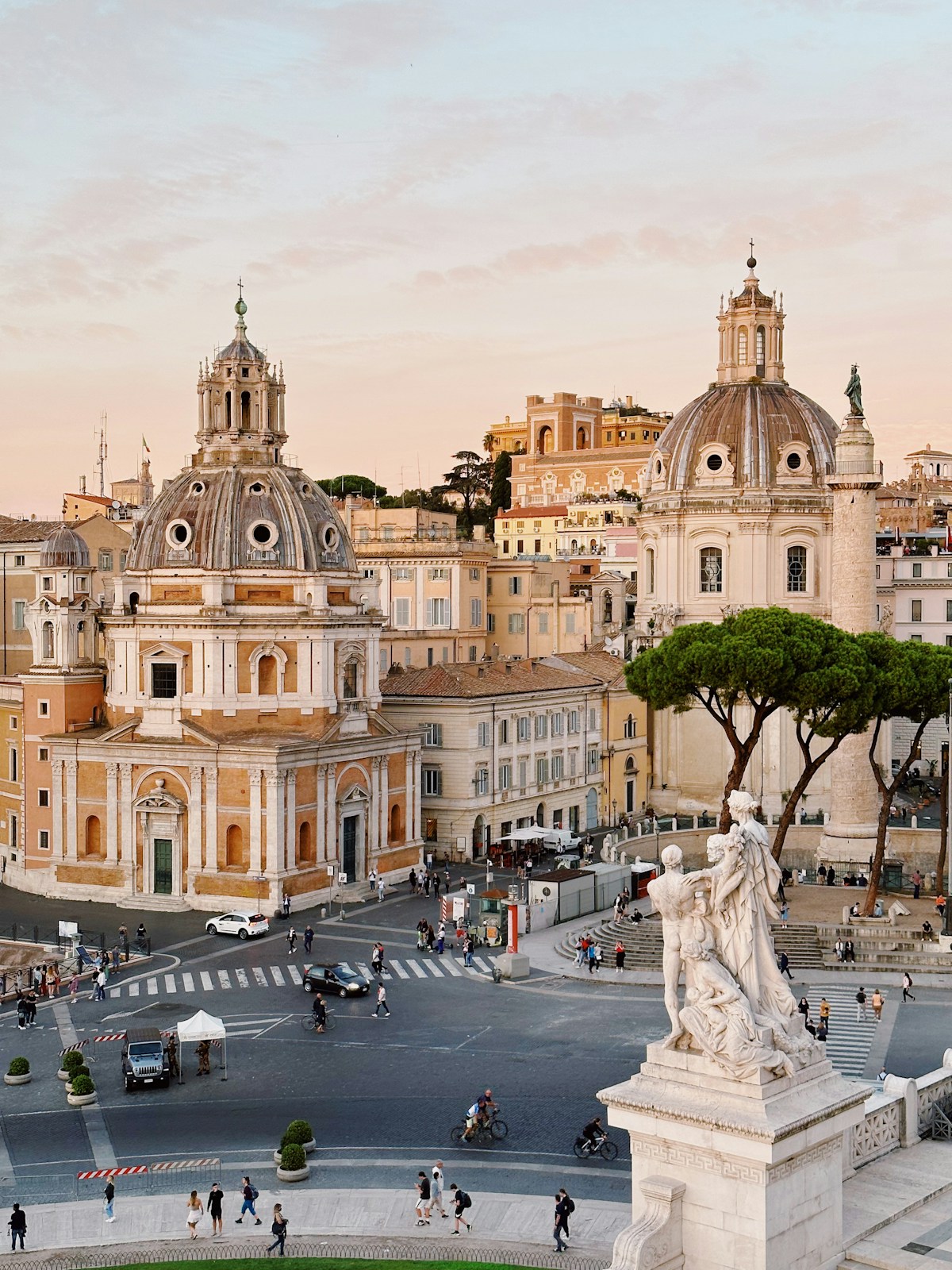
Italy has not been the obvious digital nomad destination - the bureaucracy is complex, the Schengen 90-day rule bites for non-EU citizens, and the internet infrastructure outside cities has historically been patchy. But for EU citizens and for those with the Digital Nomad Visa, it offers something few destinations can match: the finest combination of food, culture, history, and quality of life in Europe, at costs significantly below Lisbon or Barcelona.
The Digital Nomad Visa
Italy introduced a Digital Nomad Visa in 2022, available to non-EU/EEA nationals who:
- Work remotely for clients or employers outside Italy
- Earn a minimum of approximately €28,000 per year (the threshold may change - verify current requirements)
- Have comprehensive health insurance
- Can prove stable income
EU/EEA citizens don’t need the visa - they have the right to live and work anywhere in the EU without restriction.
Non-EU nationals without the visa are limited to 90 days in 180 (Schengen rules) and cannot legally work as self-employed. The Digital Nomad Visa provides legal status for longer stays and potential access to the Italian tax regime.
The best cities
Milan
The most obvious choice for remote workers needing serious coworking infrastructure.
Pros: Italy’s best coworking scene (Talent Garden, Copernico, Base, H-Farm), excellent international connectivity, strong professional network, Malpensa hub for European travel.
Cons: Italy’s highest rents (€1,200–2,000/month for a one-bedroom apartment), expensive restaurants, cold and foggy winters, less of the Italian aesthetic pleasure than Rome or Florence.
Best for: Those who need regular client meetings, a professional environment, and don’t want to compromise on infrastructure.
Bologna
The most underrated digital nomad city in Italy.
Pros: Strong university town energy (Europe’s oldest university), cheaper than Milan or Florence (€800–1,400/month for one bedroom), excellent food (best food city in Italy), central position for day trips in all directions, manageable scale.
Cons: Smaller international coworking scene than Milan or Rome.
Best for: Those who want Italian quality of life at lower cost, with a young and international population.
Florence
The combination of extraordinary cultural surroundings and reasonable infrastructure.
Pros: Beauty, food, art, strong tourist infrastructure (makes practical logistics easy), manageable city scale, Tuscany day-trip potential.
Cons: Heavily touristic - can feel like living inside a museum in peak season. Rents: €1,000–1,800/month for a one-bedroom.
Best for: Those who want the full Italian cultural immersion and can tolerate summer tourist pressure.
Rome
The largest Italian city with the widest range of options.
Pros: Large international community, diverse neighbourhoods away from the tourist core, multiple coworking spaces, excellent connections, genuine cosmopolitan character.
Cons: Complex city to navigate, some areas poorly connected by public transport, tourist saturation near the main sites, rents moderate-high (€1,000–1,800/month).
Best for: Those who want a large city with international infrastructure and the full Roman cultural experience.
Palermo
The value destination on this list.
Pros: Italy’s cheapest major city (€500–1,000/month for a one-bedroom), extraordinary food culture, warm climate, genuinely interesting urban environment, good flights to European destinations.
Cons: WiFi infrastructure less reliable than the north, coworking scene limited, bureaucratic complexity of Sicily.
Best for: EU citizens on a budget who can tolerate infrastructure variability in exchange for much lower costs and a warmer environment.
Cost comparison (monthly estimates, 2026)
| City | 1BR apartment | Coworking/month | Avg meal out |
|---|---|---|---|
| Milan | €1,400–2,000 | €150–350 | €18–30 |
| Bologna | €900–1,400 | €100–250 | €14–25 |
| Florence | €1,100–1,800 | €120–280 | €16–28 |
| Rome | €1,000–1,800 | €130–280 | €15–28 |
| Palermo | €550–1,000 | €80–180 | €12–22 |
To compare current apartment and hotel availability across these cities, search accommodation in Italy on Booking.com.
Practical infrastructure notes
Mobile data: TIM and WindTre both have good 4G in cities. 5G is available in Milan, Rome, Bologna, Florence, and Naples. For eSIM options before arrival, see the Italy SIM card guide.
Fixed broadband: City apartments almost universally have broadband available. Check before signing a lease - some older buildings in historic centres have limited connectivity.
Coworking: Most developed in Milan, Rome, Florence, and Bologna. Limited in smaller cities and towns.
Banking: Italian banking is notoriously slow and bureaucratic. Revolut and Wise are widely used by expats and nomads for avoiding Italian bank accounts while in the country.
For the visa side: our Italy Digital Nomad Visa guide covers the income requirement, how to apply, and what the first year looks like. For detailed cost breakdowns by city: Italy cost of living guide covers rent, food, transport, and coworking costs with city comparisons. For each city’s practical character: Milan travel guide, Bologna travel guide, Florence travel guide, Rome travel guide. For the café-working infrastructure in Bologna specifically: best cafes to work in Bologna. For Italy’s SIM card options - essential for mobile data on the move: Italy SIM card guide.