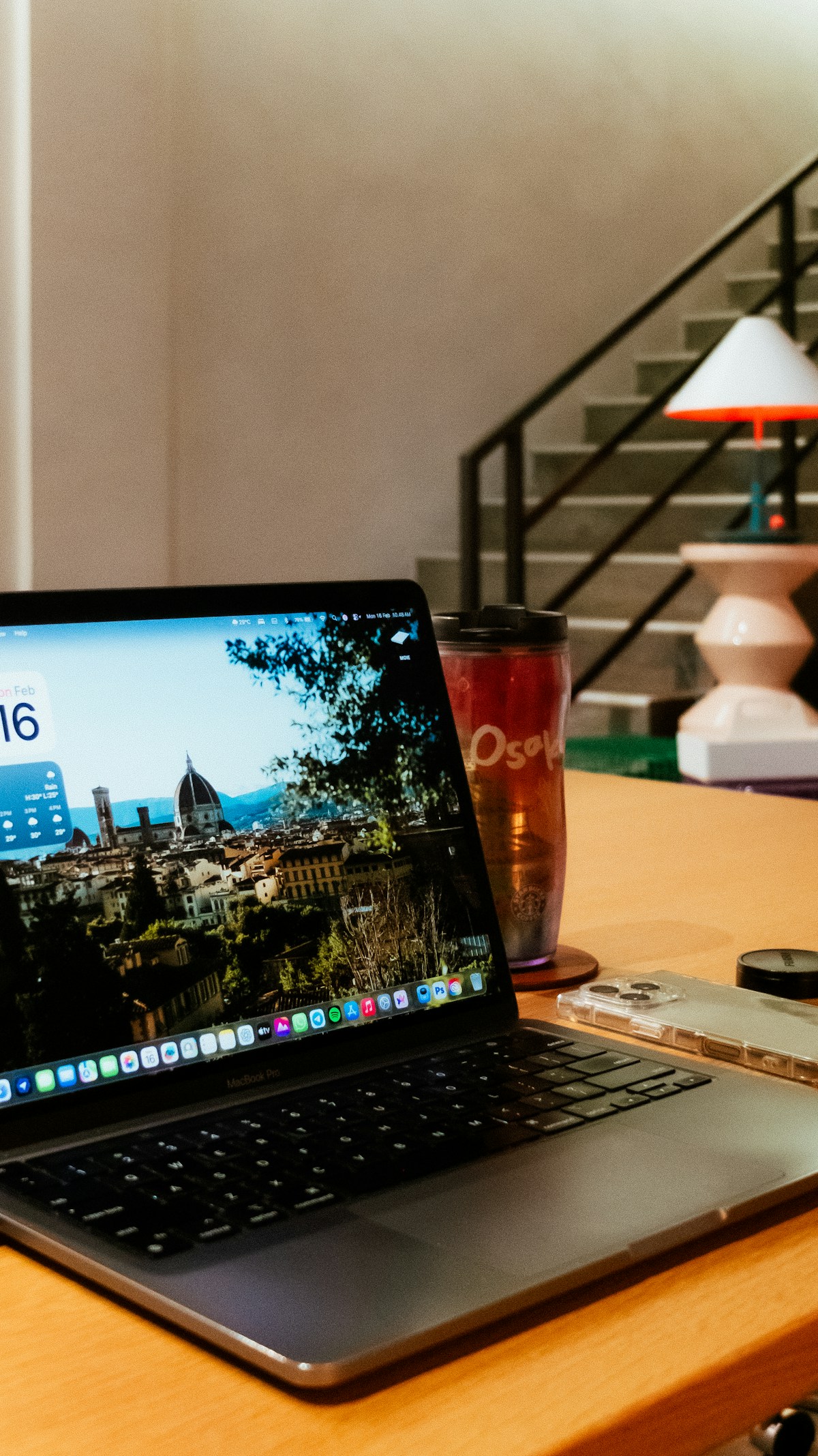
Italy’s cost of living varies enormously by city and neighbourhood. Milan is roughly equivalent to Barcelona or Amsterdam; Palermo is significantly cheaper than Lisbon. For remote workers, the choice of city is the most consequential financial decision.
Monthly Cost Comparison (one person, renting alone)
| City | Rent (1-bed, centre) | Food | Transport | Coworking | Total estimate |
|---|---|---|---|---|---|
| Milan | €1,400–2,000 | €450–600 | €38 (monthly pass) | €200–350 | €2,200–3,500 |
| Bologna | €900–1,300 | €350–500 | €35 | €150–250 | €1,600–2,500 |
| Florence | €1,100–1,600 | €400–550 | €37 | €180–280 | €1,800–2,800 |
| Rome | €1,000–1,700 | €400–600 | €35 | €180–300 | €1,800–3,000 |
| Naples | €700–1,100 | €300–450 | €50/month | €120–200 | €1,300–2,000 |
| Palermo | €600–900 | €280–400 | €50/month | €100–180 | €1,200–1,900 |
Estimates for a single person renting alone, mid-range lifestyle. Costs above are illustrative and should be verified with current data before relying on them for financial planning.
Rent
Rent is the dominant variable. Italy’s housing market is tight in Milan, Florence, and historically desirable city centres.
Milan: The most expensive city. Central neighbourhoods (Brera, Isola, Porta Romana) command €1,600–2,500/month for a decent one-bedroom. Outer neighbourhoods (Lambrate, Precotto, Sesto San Giovanni) fall to €1,000–1,400. Student districts near the universities have some supply.
Bologna: Significantly cheaper than Milan. The university area has the most supply but is student-dominated; quieter residential areas (Bolognina, San Vitale) offer better value.
Florence: Tight supply and high demand. The centro storico is expensive; Oltrarno, Campo di Marte, and the areas toward Fiesole are more accessible.
Rome: The most spread-out city - neighbourhood choice is critical. Prati (Vatican-adjacent, professional), Pigneto (creative, affordable), Testaccio (central, local feel), Parioli (affluent). Transport from outlying areas is slow; budget extra for more central positions.
Naples: The cheapest major city. The historic centre (Spaccanapoli, Quartieri Spagnoli) has significant character and low rent, but the infrastructure is less reliable. Chiaia and Vomero are more expensive and more comfortable.
Palermo: The most affordable city on this list. High quality of life, warm climate, excellent food, significant growing nomad community. Infrastructure and internet connectivity are less reliable than in northern cities - test before committing.
To compare current rental availability across these cities, search accommodation in Italy on Booking.com.
Food Costs
Italy’s food culture means home cooking is affordable and excellent. Markets (mercati rionali) sell fresh produce at low prices; a week’s fresh food for one costs €40–70 in most cities.
Eating out: A full sit-down lunch at a trattoria (primo, secondo, water, wine) costs €12–20 per person in smaller cities and southern Italy; €20–35 in Milan and Florence in equivalent establishments.
Coffee: €1–1.50 at the bar (standing). Factor in daily coffee as essentially free.
Aperitivo: In Milan and Bologna especially, the aperitivo (drink + extensive buffet, 6–9pm) functions as a light dinner. Cost: €8–15 per person including the drink and all the food you can eat. The best value eating in these cities.
Supermarkets: Lidl, Eurospin (discount), Esselunga and Coop (mid-range) are the main chains. Weekly groceries for one: €60–90 depending on city and choices.
Transport
Public transport is inexpensive and good in Milan, Rome, and Bologna. Monthly passes:
- Milan: €38 (covers all metro, tram, bus)
- Rome: €35 (metro + buses)
- Bologna: €35
- Naples: ~€50 (bus, metro, funicular)
Cycling is practical in Bologna (flat, with cycle lanes) and increasingly in Milan. Rome, Naples, and Florence are less cycling-friendly.
Trains: Italy’s intercity rail is good value - the Frecciarossa high-speed connects Milan, Bologna, Florence, and Rome in under 3 hours. Monthly commuters between cities sometimes make financial sense.
Healthcare
EU citizens have EHIC/GHIC access to the Italian NHS (Servizio Sanitario Nazionale). The digital nomad visa requires private health insurance - budget €50–150/month for a comprehensive policy from a major insurer. For travel insurance that covers the visa period, Italy travel insurance is the starting point.
Internet
Italy’s fixed-line broadband is generally good in cities. Mobile data (5G in major cities) is reliable. SIM cards with generous data packages cost €5–15/month from TIM, Vodafone, or WindTre. For eSIM options that activate before you arrive in Italy, see Italy SIM card options.
Co-working space internet is consistently fast; café internet varies significantly - test before choosing a working spot.
Is Italy Affordable on a Digital Nomad Income?
Minimum comfortable budget: Around €1,800–2,200/month covers rent, food, transport, and basics in Bologna, Naples, or Palermo.
Comfortable: €2,500–3,500/month covers most cities with a good quality of life.
High-end: Milan and Florence at €3,500+ allows for generous living.
For context: the Italian digital nomad visa income requirement (~€28,000/year = ~€2,300/month gross) is roughly the minimum to live comfortably in the mid-range cities. For Milan, a higher income is needed to live comfortably.
For the visa itself: Italy Digital Nomad Visa guide covers the income requirement, application process, and tax implications. For choosing a base by infrastructure and lifestyle: best cities for remote work in Italy compares Milan, Bologna, Florence, Rome, and Palermo. For coworking infrastructure in specific cities: best cafes to work in Bologna, best cafes to work in Florence, best cafes to work in Milan. For mobile data costs in practice, see the Italy SIM card guide.