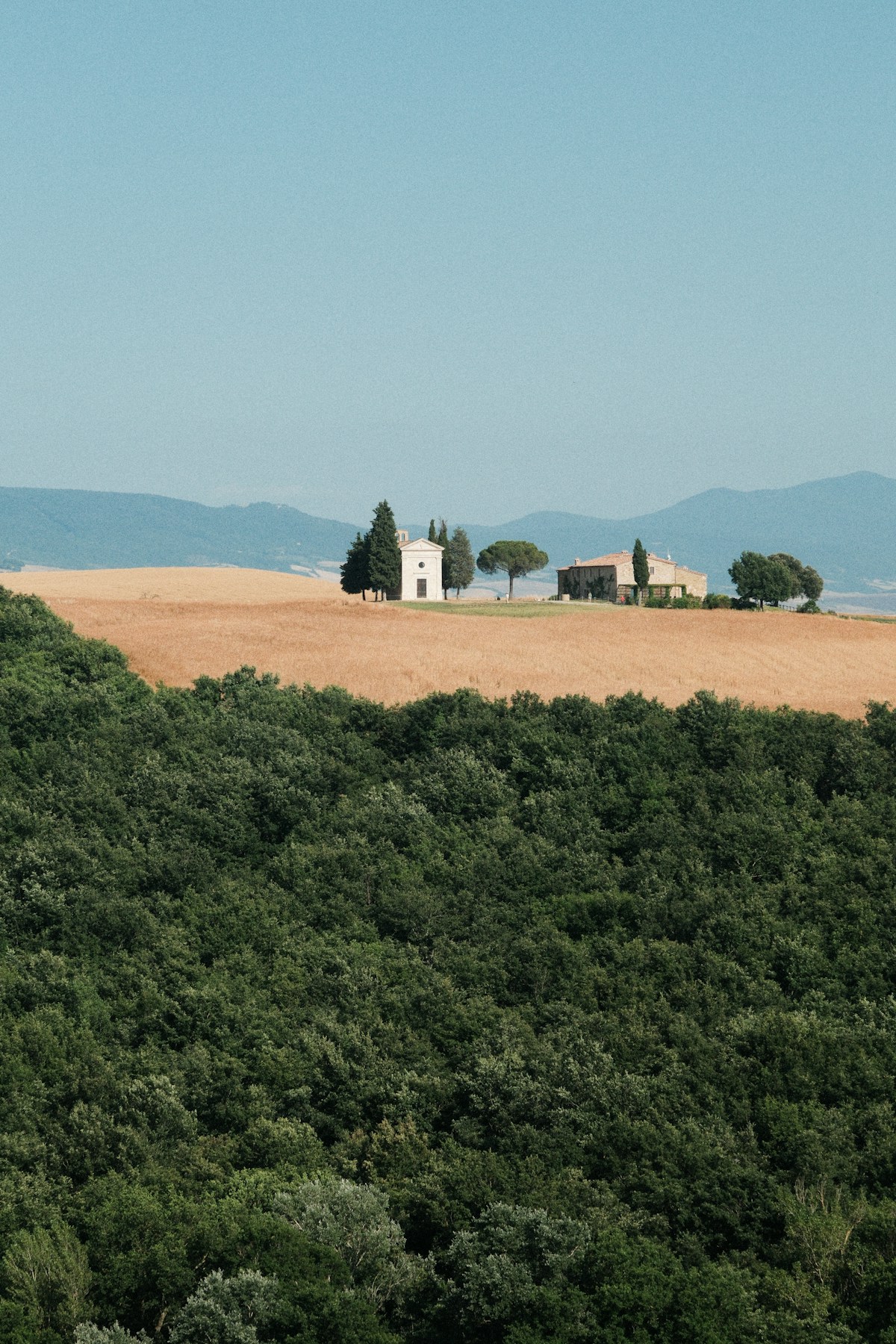
September is arguably the single best month to visit Italy’s coastal and southern destinations. The summer heat is breaking, the sea temperature is at its annual peak (the Mediterranean holds summer warmth into October), schools have returned so the Italian domestic summer is over, and prices fall sharply from their August peaks. For cities, September is strong but October is fractionally better; for the coast and the wine country, September wins.
Summer Heat Gone, Autumn Light Arrives: Amalfi Driveable Again, Sicily Sea Warmest at 26°C
Rome: 17–28°C. Warm, mostly sunny, still summer-like in the first two weeks. The oppressive heat of July–August has lifted; evening walks are comfortable.
Florence: 16–27°C. Excellent. The heat of August is gone; the golden September light on the stone buildings is among the finest Italy offers. The Tuscan countryside begins its autumn transformation.
Venice: 16–26°C. Beautiful. The summer smells of the canals are reduced. Acqua alta doesn’t typically start until October. The light on the lagoon in September is exceptional.
Milan: 14–25°C. Good weather for the city. Fashion Week (late September) fills hotels and restaurants.
Naples: 18–28°C. Still warm; the bay is at its best. Capri and Ischia remain fully open with reduced crowds.
Amalfi Coast: 19–27°C. The prime time - sea warm, infrastructure open, crowds reduced from July–August. Positano and Amalfi are walkable again. The SS163 coast road is driveable without the summer gridlock.
Sicily: 20–28°C. Excellent. The sea is the warmest of the year (25–26°C). The archaeological sites are no longer blisteringly hot. Taormina and the Aeolian Islands are at their best.
Sardinia: 19–27°C. The water is warmest of the year. The Costa Smeralda empties after Ferragosto; September is the best value for Sardinia’s beaches.
Puglia: 19–28°C. Still very warm. The olive harvest begins at the end of the month. The Salento coast is excellent.
Dolomites: 7–20°C. Autumn colours beginning at altitude. Good hiking until mid-October. The larch forests start turning gold from mid-September.
After the school return: prices fall, queues shorten
The Italian school year begins in mid-September. From that point, Italian domestic family tourism drops sharply. European tourist numbers also start to fall. The practical effect: hotels that were €180 in August cost €120 in September. Amalfi Coast accommodation that was fully booked in August has availability. Flights to Italy drop 20–30% from peak summer fares.
The Colosseum and Vatican Museums still benefit from advance booking in the first half of September, but by late September you can often secure same-week slots. The Uffizi is considerably more manageable than in summer - early morning visits are possible without the two-hour queues of July.
The harvest season begins
Late September starts the Italian food calendar at its most rewarding:
Wine harvest (vendemmia): Most wine regions harvest in September–October. The Chianti vineyards turn red and gold; the Valpolicella and Soave harvests begin in late September. In Piedmont, the Nebbiolo grape (which produces Barolo and Barbaresco) is among the last to be picked, often in October. Several Tuscan estates offer vendemmia experiences - grape-picking days followed by lunch with the estate wine. The landscape during harvest - tractors on every road, the smell of fermenting must, loaded trailers - is uniquely atmospheric.
Olive harvest (raccolta delle olive): Begins in October in most regions but can start in September in the warmer south, particularly Puglia and Calabria.
Porcini mushrooms: Forest mushrooms from the Apennines and the mountains of Trentino. Restaurants across central and northern Italy feature porcini heavily from September - on pasta, polenta, and in risotto.
Summer sagre: The sagra season (local food festivals) continues through September. These village-level celebrations of specific local ingredients - grape festivals in the wine regions, fish festivals on the coast, porchetta festivals in Lazio - offer some of the best and cheapest food experiences in Italy. Check local listings for the nearest sagra on any given weekend.
Regata Storica, Venice Film Festival, and the autumn sagre
Milan Fashion Week (late September): One of the “Big Four” fashion weeks alongside Paris, London, and New York. The city fills with industry professionals, influencers, and journalists. Hotels across central Milan sell out or triple their rates for the week. Restaurants are fully booked. If fashion is not your purpose, consider avoiding Milan during Fashion Week or booking well ahead.
Venice Film Festival (Mostra del Cinema): Late August to early September on the Lido island. The oldest film festival in the world (since 1932). The city fills with industry visitors; hotel prices are elevated around the Lido and along the Grand Canal.
Regata Storica (Venice): The first Sunday of September. A historical procession of richly decorated gondolas along the Grand Canal, followed by competitive gondola racing. Thousands line the canal banks; the best views are from the Ca’ Foscari bend. One of the most spectacular events on the Venetian calendar.
Palio di Asti: Bareback horse race in the Piedmontese city of Asti, usually the third Sunday of September. Similar tradition to the Siena Palio but smaller and less well-known internationally. Combined with the Asti wine festival (Douja d’Or), it makes a good September weekend in Piedmont.
Joust of the Saracen (Giostra del Saracino, Arezzo): Medieval jousting tournament in the Piazza Grande, held the first Sunday of September. Knights on horseback charge at a wooden effigy; the competition between Arezzo’s four quarters is genuine and heated.
Verona Opera Festival: The Arena season usually ends in early September. Final performances are often the most atmospheric.
Where advance booking still matters in September
September is not quite as relaxed as January for booking - 2–3 weeks ahead for most attractions is sufficient. Hotels in Rome and Florence are readily available at good prices. The exceptions: Venice Film Festival accommodation (book 2–3 months ahead), Milan Fashion Week (book 1–2 months ahead), and Amalfi Coast hotels for the first two weeks of September (book 4–6 weeks ahead as this is still considered prime season).
Top September destinations: Amalfi Coast, Cinque Terre, Tuscany itinerary, and Sardinia. For Siena in September: our Siena guide covers the second Palio (16 August, but the city is at its best in early September). For our full seasonal overview: best time to visit Italy.
See Also
- Best time to visit Italy - full seasonal overview
- Italy in August - the month before
- Italy in October - the month after
Ready to Plan Your Trip?
See our itineraries for inspiration:
- One Week in Italy - seven days through Rome, Florence, and Venice
- 10 Days in Italy - the classic grand tour of Italy’s highlights
- 2 Weeks in Italy - the ultimate two-week Italian itinerary
- 3 Weeks in Italy - the north-to-south grand tour from Milan to Sicily
Plan Your Trip
September has two distinct booking windows. The first two weeks behave like late summer: Amalfi Coast hotels book out 4–6 weeks ahead, queues at major sites are still significant. From the third week, Italy shifts to autumn mode: availability opens, prices fall 20–30% from August, and same-day entry becomes possible at most museums.
The Regata Storica in Venice on the first Sunday of September fills Grand Canal accommodation early — book 2–3 months ahead if that’s the target. Milan Fashion Week in late September raises Milan hotel prices sharply; book ahead or avoid. Tuscany vendemmia experiences (grape-picking days at Chianti estates, followed by lunch) fill quickly for October weekends — book directly with the estate.
Flights to Italy fall 20–30% from August peaks. Insurance | eSIM | Car hire for the wine country | Hotels in Italy.