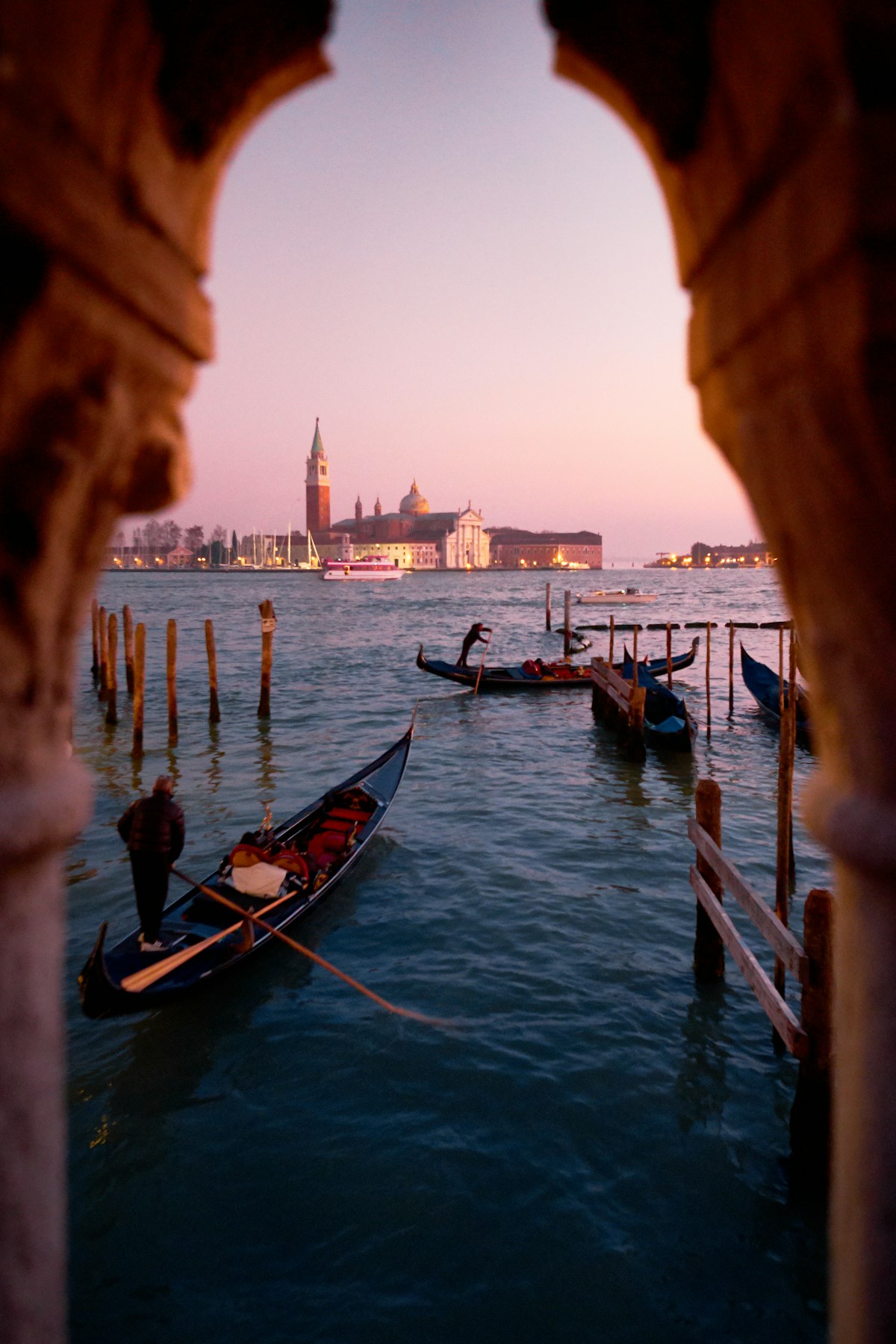
February is the quietest month of the Italian tourist year - except for Venice during Carnival, which transforms the most atmospheric city in Italy for two weeks. Outside Venice during Carnival, February offers the cheapest hotel prices of the year, completely uncrowded museums, and the atmospheric winter versions of Italian cities that most tourists never see.
Po Valley at Its Greyest: Venice Fog and Cold, Peak Ski Conditions, Sicily Almond Blossoms
Northern Italy: -1 to 9°C. Cold, foggy, and occasionally snowy across the Po Valley. Milan and Turin are at their greyest. Venice is cold and damp - the classic Venetian winter atmosphere - with acqua alta (high water) still possible. The Alps and Dolomites have excellent snow cover; February school holidays (settimana bianca) make this the busiest ski month.
Central Italy (Rome, Florence): 3–13°C. Cold, occasionally wet, very occasionally snowy. Rome in snow (once every 10–15 years) is extraordinary. Florence in the Arno valley can be grey and damp but also beautiful in a particular way - the low light on the stone buildings is striking.
Southern Italy and Sicily: 7–14°C. Naples is mild and pleasant for winter walking. Sicily’s almond blossoms begin at Agrigento in late February - the temples framed by white blossom are one of the most improbable sights in Italian travel.
Venice Carnival (Carnevale di Venezia)
The Carnevale di Venezia runs for approximately 10 days ending on Shrove Tuesday (dates change each year based on Easter). At its peak in the 17th–18th centuries, the Venetian Carnival ran for months; today’s version is a compressed but spectacular event.
What happens: Masked and costumed figures fill the city - the most elaborate costumes concentrate in St Mark’s Square. The best costumes are the historically accurate 18th-century Venetian ones: bauta (white mask with three-cornered hat), moretta (small oval velvet mask), and the full theatrical Commedia dell’Arte characters.
The Flight of the Angel (Volo dell’Angelo): A tightrope descent from the Campanile to Piazza San Marco, performed on the first Sunday of Carnival. The most dramatic public moment.
Evening events: Masquerade balls in historic palaces (€300–600+ per person), opera performances, and costumed dinner events. The balls at Palazzo Pisani Moretta and Ca’ Vendramin Calergi are among the most prestigious.
Booking: Venice hotels for Carnival fill 3–6 months ahead. Prices are typically double to triple normal winter rates. This is the most booked-out event in the Italian calendar, alongside the Palio di Siena.
Sanremo Music Festival (Festival di Sanremo)
Italy’s most-watched television event runs for five nights in early to mid-February at the Teatro Ariston in Sanremo, on the Ligurian Riviera. The festival has launched the careers of Andrea Bocelli and Maneskin, among others. The entire country watches - bars and restaurants tune in. While the main event is televised, Sanremo itself fills with visitors for the week, and the surrounding Riviera towns benefit from increased activity.
Milan Fashion Week (February edition)
Milan Fashion Week (Camera Nazionale della Moda Italiana) runs in late February for autumn/winter collections. The city fills with industry professionals and fashion press. Hotel prices in central Milan rise significantly during Fashion Week; restaurants around Via Montenapoleone and the Quadrilatero della Moda are fully booked. For non-industry visitors, the main impact is higher hotel prices - but the street-style atmosphere around the venues is entertaining.
Valentine’s Day in Verona and other February events
Carnival elsewhere: Viareggio (Tuscany) has elaborate papier-mache parade floats - satirical political caricatures on massive carts. Ivrea (Piedmont) has the Battle of the Oranges, one of the most unusual carnival traditions in Europe. Acireale and Sciacca in Sicily host the island’s most elaborate carnival celebrations.
Almond Blossom Festival (Agrigento, Sicily): Usually in the second week of February. The Sagra del Mandorlo in Fiore combines folk music and dance with the almond blossom surrounding the Valley of the Temples.
St Valentine’s Day (14 February): Not a public holiday, but restaurants offer special menus. Verona - Romeo and Juliet’s city - runs specific events at the Casa di Giulietta.
Skiing in February
February is peak ski season. The Dolomiti Superski network (1,200km of interconnected runs), Courmayeur, Cervinia, Bormio, and Cortina d’Ampezzo all have full snow cover. The Italian school holiday (settimana bianca, usually mid-February) fills the resorts - book accommodation 2–3 months ahead for this period. Midweek outside school holidays is quieter.
Empty museums, winter menus, and the ski season
Museums: The Vatican Museums, the Uffizi, the Colosseum, the Accademia - all open with minimal queuing. A Vatican visit in February takes 2 hours rather than the 3–4 hours of peak season.
Cost: Rome and Florence hotels are at their lowest annual prices outside Carnival week.
Food: February is the last month of the winter menu - heavy soups, braised meats, and the final weeks of the truffle season in Umbria and Piedmont.
Best February visits: Venice for Carnevale (extraordinary costumes - Venice carnival tours include costume hire and masked ball access); Rome and Florence for lowest prices of the year; Turin for baroque architecture in winter light. For our full seasonal overview: best time to visit Italy.
See Also
- Best time to visit Italy - full seasonal overview
- Italy in January - the month before
- Italy in March - the month after
Ready to Plan Your Trip?
See our itineraries for inspiration:
- One Week in Italy - seven days through Rome, Florence, and Venice
- 10 Days in Italy - the classic grand tour of Italy’s highlights
- 2 Weeks in Italy - the ultimate two-week Italian itinerary
- 3 Weeks in Italy - the north-to-south grand tour from Milan to Sicily
Plan Your Trip
The first question in February is whether you’re going for Venice Carnival or avoiding it. Carnival accommodation fills 3–6 months ahead at double or triple normal prices — commit early or plan around it. Outside Carnival, February is the cheapest month to visit Rome and Florence: no queues, lowest hotel rates, winter menus still running.
Sicily in February has something specific: the Almond Blossom Festival at Agrigento’s Valley of the Temples (usually the second week), with white-flowering almond trees growing among the 5th-century Greek ruins. Book flights well ahead if Carnival is the goal; otherwise last-minute deals are available. The Dolomites are at full ski capacity — book resort accommodation 2–3 weeks ahead.
Travel insurance covers weather and flight delays. eSIM Italy | Car hire for Sicily | Hotels in Italy.