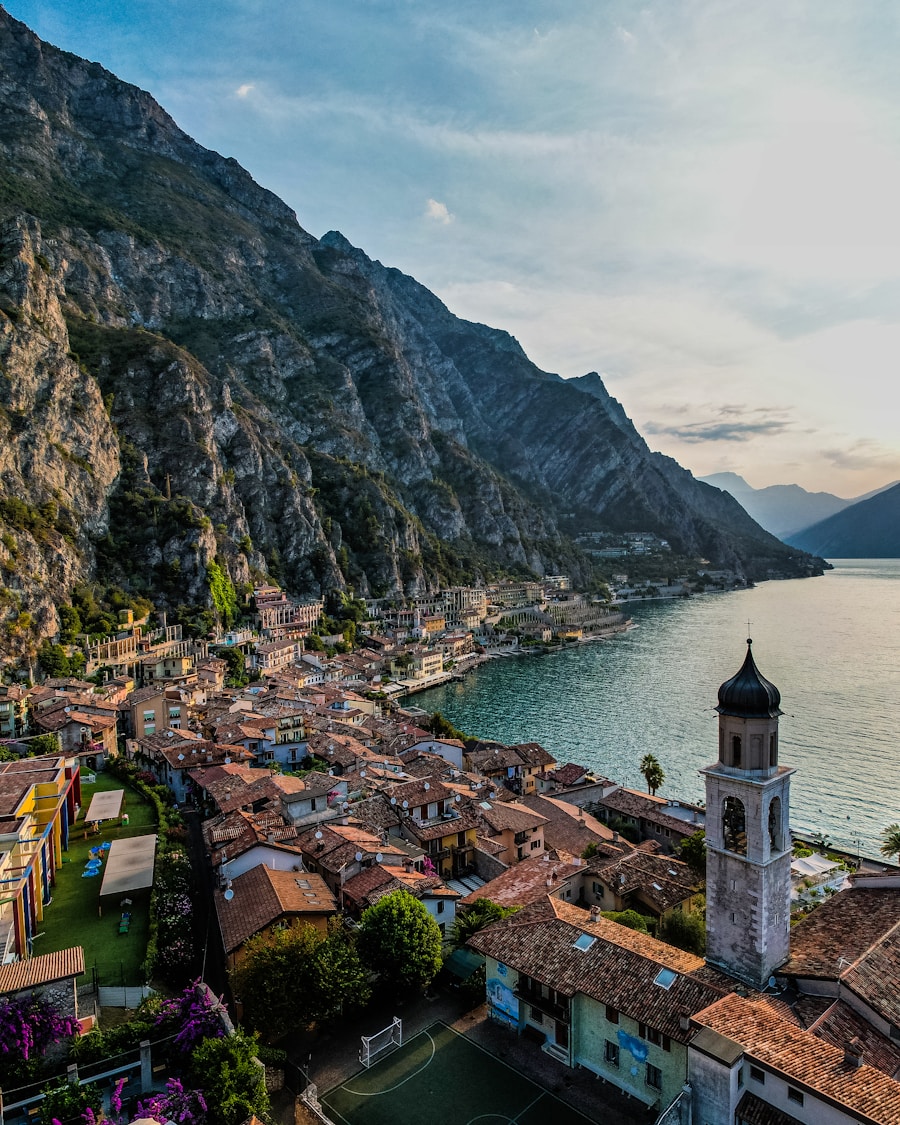
Lake Como and Lake Garda are Italy’s two most famous lakes - and they attract fundamentally different visitors. Lake Como is elegant, steep-sided, and exclusive, with a long history as a retreat for the wealthy. Lake Garda is larger, more diverse, and more accessible, with activities ranging from theme parks to windsurfing. Both sit beneath the southern Alps and offer spectacular mountain-and-water landscapes. Choosing between them depends on what kind of lakeside holiday you want.
Quick Verdict
| Category | Lake Como | Lake Garda |
|---|---|---|
| Scenery | Winner | - |
| Activities | - | Winner |
| Romance | Winner | - |
| Family-friendly | - | Winner |
| Value for money | - | Winner |
| Food and wine | Tied | Tied |
| Water sports | - | Winner |
| Celebrity factor | Winner | - |
Choose Lake Como if you want elegance, stunning villas, and a romantic, sophisticated atmosphere. Choose Lake Garda if you want activities, better value, and a more diverse holiday with family-friendly options.
Scenery and Character
Lake Como is widely considered Italy’s most beautiful lake - and with good reason. Its distinctive inverted-Y shape creates narrow, dramatic arms flanked by steep mountains that drop almost vertically to the water. Villas with terraced gardens line the shores - Villa del Balbianello (€10 gardens only, €20 with villa; filming location for Casino Royale and Star Wars) and Villa Carlotta (€12) are the most visited. Bellagio, at the junction of the lake’s two southern arms, has been called the prettiest town in Italy. Varenna, directly across the lake, is quieter and arguably more charming.
Lake Garda is Italy’s largest lake - 52 kilometres long and up to 17 kilometres wide. The character changes dramatically from north to south. The northern end (Riva del Garda, Torbole) is narrow, fjord-like, and backed by high mountains - a magnet for windsurfers and climbers. The southern end (Sirmione, Desenzano, Peschiera) is wider, flatter, and sunnier, with Mediterranean vegetation including olive groves and lemon trees. Sirmione’s medieval castle jutting into the lake on a narrow peninsula is the lake’s postcard image.
Winner: Lake Como for dramatic, concentrated beauty. Lake Garda for variety and scale.
Activities and Water Sports
Lake Garda dominates this category. The northern end - particularly Torbole and Riva del Garda - is one of Europe’s premier windsurfing and kitesurfing destinations, thanks to reliable thermal winds (the Ora in the afternoon, the Peler in the morning). Equipment rental starts from approximately €30/hour; lessons from €60. Sailing, canyoning, and mountain biking are all well-established. Gardaland (Italy’s largest theme park, tickets from €45) is on the southern shore near Peschiera - a major draw for families. The eastern shore has excellent cycling paths, including the Ciclopista del Garda route.
Lake Como is more about relaxation than adventure. Swimming, boat tours (private boats from €150/half day; public ferry day pass €15; book a Lake Como tour), and villa visits are the main activities. Hiking in the hills above the lake is excellent - the Greenway del Lago di Como is a gentle 10-kilometre walking path connecting several waterfront villages. The lake’s steep shoreline means there are fewer beaches and less flat ground for cycling compared to Garda.
Winner: Lake Garda, by a wide margin for active holidays.
Food and Wine
Both lakes draw on northern Italian culinary traditions, with local twists.
Lake Como’s speciality is missoltini - salted and dried lake fish, pressed in bay leaves. Risotto with perch (€14–18) is the classic lakeside dish. Polenta with lake fish or cheese appears on every menu. Restaurants like Crotto dei Platani in Brienno (reachable only by boat) and Locanda dell’Isola Comacina offer atmospheric dining directly on the water. A full dinner costs €35–50 per person.
Lake Garda benefits from its position at the crossroads of three regions (Lombardy, Veneto, and Trentino). The western shore produces Lugana white wine - crisp, mineral, and increasingly respected (€4–6/glass). Bardolino rosé from the eastern shore is a pleasant summer wine. Tortellini di Valeggio (handmade pasta, festival in June), freshwater sardines from the lake, and olive oil from the Garda hills are local specialities. Restaurants average €25–40 per person.
Winner: A draw. Both offer distinctive local food in beautiful settings.
Accommodation
Lake Como’s accommodation is elegant but expensive. Bellagio’s hotels range from €130–300/night for mid-range options; the Grand Hotel Villa Serbelloni (from €400) is the icon. Varenna is slightly more affordable (€100–200). Boutique properties like Filario Hotel (from €200) in Lezzeno offer modern lakeside luxury. Budget travellers should look at towns like Menaggio or Colico on the upper lake (€80–120/night).
Lake Garda has more variety and better value. Sirmione’s hotels average €90–160/night. Riva del Garda and Torbole in the north have excellent 3-star hotels from €80–130. The eastern shore (Malcesine, Garda, Bardolino) offers good mid-range options at €80–140. Camping is popular on Lake Garda - well-equipped sites with lake access from €25–40/night for a pitch.
Winner: Lake Garda for value and variety. Lake Como for luxury properties.
Getting There and Around
Lake Como is easily reached from Milan. Trains run from Milano Centrale to Varenna (1 hour, €7–10) and to Como town at the lake’s southern tip (40 minutes, €5). The Navigazione Laghi ferry system connects lakeside towns - a day pass costs approximately €15. Driving around the lake is scenic but the roads are narrow and congested in summer, particularly the eastern shore road through Varenna and Bellagio.
Lake Garda is accessible from multiple cities. Desenzano del Garda station (on the Milan–Venice high-speed line) is the main rail gateway - trains from Milan take 1 hour (from €12), from Venice 1.5 hours (from €15). Verona airport (20 minutes from the southern shore) handles budget flights from across Europe. The lake’s ferry system (day pass approximately €18) connects main towns. A car is more useful here than on Lake Como, as the lake is larger and southern shore towns are more spread out.
Winner: A draw. Como is closer to Milan; Garda has more access points and better road infrastructure.
When to Visit
Both lakes have similar seasons. Mid-April to mid-October is the main season, with June to September offering the warmest swimming temperatures (22–26°C by July).
Lake Como is at its most beautiful in May and June when the villa gardens are in bloom - wisteria, azaleas, and camellias create spectacular displays. July and August bring the warmest weather but the highest prices and most crowds, particularly in Bellagio. September and early October are excellent - warm enough for swimming, quieter, and with autumn light that photographs beautifully.
Lake Garda’s northern end has the best conditions for windsurfing and kitesurfing from April to October. The southern end is warmer earlier and later in the season. July and August are peak family holiday time - Gardaland queues are long and lakeside towns are busy. The Bardolino wine festival in early October is a highlight of the autumn calendar.
Winner: A draw. Both are best in May–June and September.
Final Verdict
Lake Como is the romantic, elegant choice - the lake for couples, villa enthusiasts, and those who want to absorb spectacular scenery from a waterfront terrace. Lake Garda is the active, family-friendly choice - the lake for windsurfers, cyclists, families with children, and travellers who want variety and value.
Both lakes are easily combined with Milan (Lake Como is 1 hour from the city centre) or Verona (Lake Garda is 30 minutes away). A northern Italy itinerary that includes both lakes is one of the region’s finest road trips.
Ready to Plan Your Trip?
See our itineraries for inspiration:
- Northern Italy Itinerary - lakes, cities, and the Dolomites
- 10-Day Family Italy Itinerary - ten days through Rome, the Amalfi Coast, Florence, and Lake Garda
- 2 Weeks in Italy - the ultimate two-week Italian itinerary
- 3 Weeks in Italy - the north-to-south grand tour from Milan to Sicily
Plan Your Trip
✈️ Book your flights to Italy 🛡️ Get travel insurance 📱 Stay connected with an eSIM 🚗 Rent a car
🎟️ Browse tours on Lake Como — Browse tours on Lake Garda 🏨 Search hotels in Lake Como — Search hotels in Lake Garda