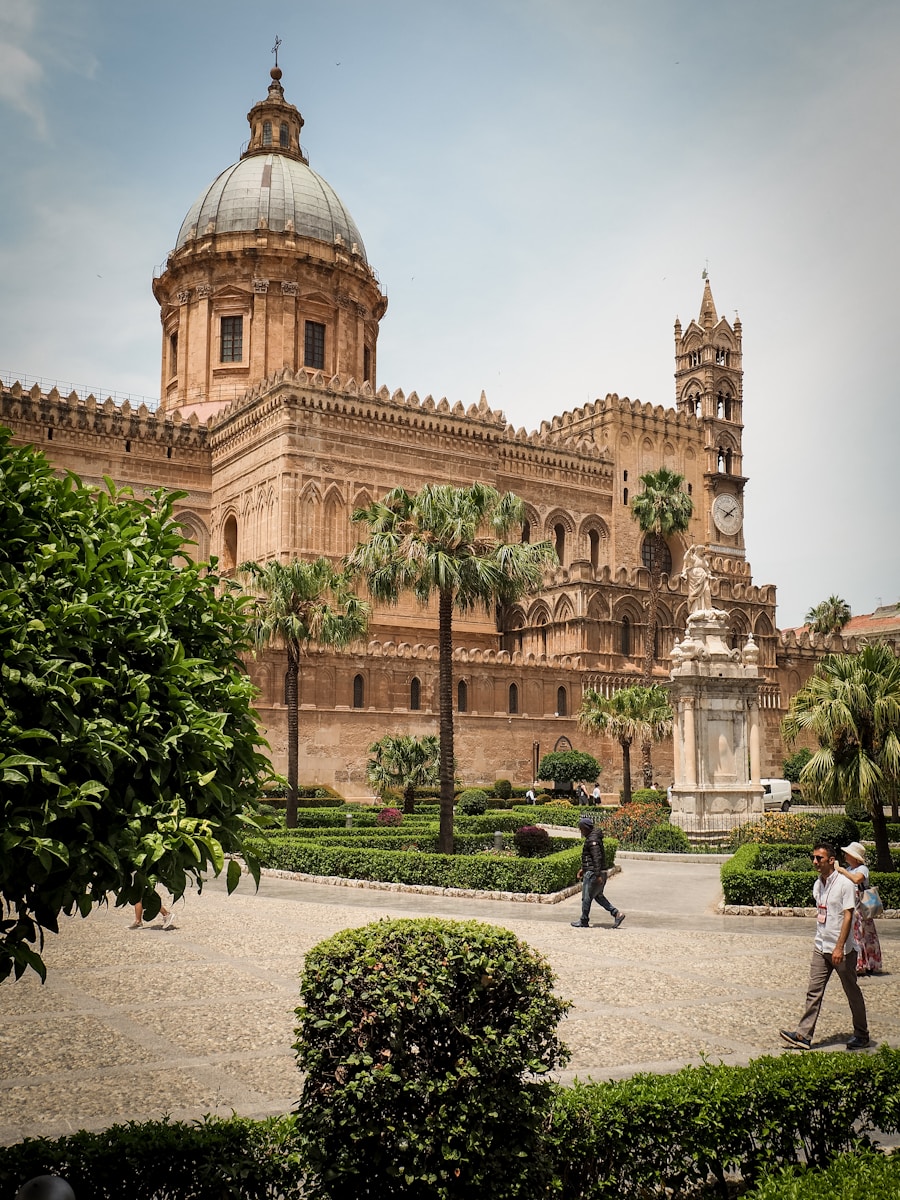
Sicily and Sardinia are Italy’s two largest islands - and they could hardly be more different. Sicily is a cultural powerhouse: Greek temples, Arab-Norman architecture, volcanic landscapes, and one of Italy’s most intense food cultures. Sardinia is a natural paradise: beaches that rival the Caribbean, rugged interior mountains, and a pace of life that feels distinctly separate from mainland Italy. Both require at least a week to explore properly.
Quick Verdict
| Category | Sicily | Sardinia |
|---|---|---|
| Beaches | - | Winner |
| Food and wine | Winner | - |
| Ancient history | Winner | - |
| Natural landscapes | Tied | Tied |
| Value for money | Winner | - |
| Nightlife | Winner | - |
| Luxury resorts | - | Winner |
| Driving ease | Tied | Tied |
Choose Sicily if you want history, food, and cultural depth. Choose Sardinia if you want world-class beaches, pristine nature, and a more exclusive atmosphere.
Beaches
Sardinia is the clear winner. The island has some of the finest beaches in the Mediterranean - and arguably in Europe.
The Costa Smeralda in the northeast has turquoise water and white sand that could pass for the Maldives. La Pelosa near Stintino is a shallow, lagoon-like beach with water so clear it looks artificial. Cala Goloritzé in the Gulf of Orosei (accessible only by boat or a steep hike) is regularly ranked among Europe’s best beaches. The southern coast around Villasimius and Chia has excellent, less crowded alternatives. Beach clubs with sunbeds cost €20–40/day at premium locations; many stunning beaches are free.
Sicily’s beaches are good but not in the same league. San Vito Lo Capo on the northwest coast has a beautiful crescent of white sand. Cefalù’s beach is scenic with the medieval town as a backdrop. The Aeolian Islands (accessible by hydrofoil from Milazzo, from €20) have volcanic black-sand beaches on Stromboli and excellent swimming at Lipari. The Scala dei Turchi near Agrigento is a dramatic white limestone cliff with a small beach below.
Winner: Sardinia, decisively.
Food and Dining
Sicily’s food culture is among the richest and most complex in Italy, shaped by Greek, Arab, Norman, and Spanish influences.
In Palermo, street food is a way of life. Arancine (fried rice balls, €2–3), panelle (chickpea fritters, €1.50), and sfincione (Palermo-style pizza, €2) are eaten standing at market stalls. The Ballarò and Vucciria markets are essential. Pasta alla Norma (aubergine, tomato, ricotta salata) is the island’s signature pasta (€10–14). Seafood - particularly raw red prawns from Mazara del Vallo, swordfish, and sardines - is outstanding. Sicilian wines, especially Nero d’Avola reds and Etna Rosso from the volcanic slopes, are world-class and underpriced (€4–6/glass).
Sardinia’s food is more rustic and pastoral. Culurgiones (stuffed pasta, similar to ravioli, €12–16), porceddu (spit-roasted suckling pig, typically at agriturismo farmhouses, €20–30 for a full meal), and pane carasau (paper-thin crispy bread) are the staples. Bottarga (cured mullet roe, shaved over pasta) is a prized Sardinian speciality. The island produces excellent Cannonau red wine (a local grenache variant) and Vermentino white. Dining is best at agriturismi - working farms that serve multi-course meals for €25–35.
Winner: Sicily, for depth, variety, and value.
History and Culture
Sicily has one of the most layered histories of any island in the world. Greek temples at Agrigento’s Valley of the Temples (€14 entry) rival anything in mainland Greece. The ancient Greek theatre at Taormina (€10), with Mount Etna as a backdrop, is one of the most beautiful ancient sites anywhere. Palermo’s Arab-Norman churches (the Cappella Palatina, with its golden Byzantine mosaics, is extraordinary) and Syracuse’s archaeological park (€13.50, including the Greek theatre and the Ear of Dionysius) span thousands of years.
Sardinia’s history is more mysterious. The nuraghi - thousands of stone tower structures built by the Nuragic civilisation between 1900 and 730 BC - are unique to Sardinia and found nowhere else on earth. Su Nuraxi di Barumini (€15, UNESCO World Heritage Site) is the most impressive. Beyond the nuraghi, Sardinia has fewer conventional tourist sites than Sicily - the appeal is more about landscape and lifestyle.
Winner: Sicily, for sheer historical depth and variety.
Accommodation
Sicily offers better value. A 3-star hotel in Palermo or Catania costs €70–120/night. Boutique options in Taormina or Syracuse run €120–200. Agriturismi in the interior offer characterful rooms with dinner for €80–120. Budget hostels in Palermo start from €25/night.
Sardinia splits sharply. The Costa Smeralda is one of Italy’s most expensive destinations - the Hotel Cala di Volpe charges from €1,000/night, and even modest hotels in Porto Cervo run €200–400. However, Sardinia’s south coast (Cagliari, Pula, Villasimius) and interior are much more affordable, with 3-star hotels from €80–130. Agriturismi in the Sardinian interior offer excellent value at €60–100/night with meals.
Winner: Sicily for overall value. Sardinia for luxury (at luxury prices).
Getting There and Around
Both islands require a car for a full exploration. Compare car hire in Italy to book ahead - availability is limited in peak season and advance booking saves money.
Sicily has better public transport infrastructure. Trenitalia operates trains between Palermo, Catania, Messina, and Syracuse - slower than mainland trains but functional. Buses (AST, Interbus) connect smaller towns. Palermo and Catania airports have extensive domestic and European connections, with budget flights from €30–50 each way from Rome or Milan.
Sardinia’s public transport is limited. ARST buses connect main towns but run infrequently, and reaching most beaches requires a car. The narrow-gauge Trenino Verde (Green Train) is scenic but impractical for transport. Cagliari, Olbia, and Alghero airports handle most arrivals. Ferries from mainland Italy (Civitavecchia to Olbia, 6 hours by fast ferry from €40; overnight from Genoa, from €50) are an alternative to flying.
Winner: Sicily for public transport. Both need a car for the full experience.
When to Visit
Both islands have long seasons. May to June and September to October are ideal - warm enough for swimming (24–27°C sea temperature), fewer crowds, and lower prices.
July and August are extremely hot on both islands (35–40°C) and very crowded, particularly on Sardinia’s Costa Smeralda. Sicily’s interior is scorching in August. Spring (April–May) is beautiful for hiking and wildflowers on both islands. Sardinia’s autumn is warm and golden.
Mount Etna on Sicily offers skiing from December to March - an unusual combination of beach and mountain within 90 minutes of each other.
Winner: A draw. Both are best in May–June and September–October.
Final Verdict
Sicily is the choice for travellers who want cultural richness - history, food, wine, and the complex, intense atmosphere of a place that has absorbed every Mediterranean civilisation. Sardinia is the choice for those who prioritise natural beauty - beaches, clear water, and a slower, more exclusive pace.
For a two-week Italian trip, combining a week on each island is ambitious but rewarding. Direct flights between Palermo and Cagliari or Olbia make it feasible without returning to the mainland.
Ready to Plan Your Trip?
See our itineraries for inspiration:
- Sicily Itinerary - ten days around the Mediterranean’s largest island
- Southern Italy Itinerary - ten days from Naples to Sicily
- 3 Weeks in Italy - the north-to-south grand tour from Milan to Sicily
- 2 Weeks in Italy - the ultimate two-week Italian itinerary
For more on Sicily: our Puglia vs Sicily guide covers Italy’s two most distinctive southern regions.
Plan Your Trip
✈️ Book your flights to Italy 🛡️ Get travel insurance 📱 Stay connected with an eSIM 🚗 Rent a car
🎟️ Browse tours in Sicily — Browse tours in Sardinia 🏨 Search hotels in Sicily — Search hotels in Sardinia