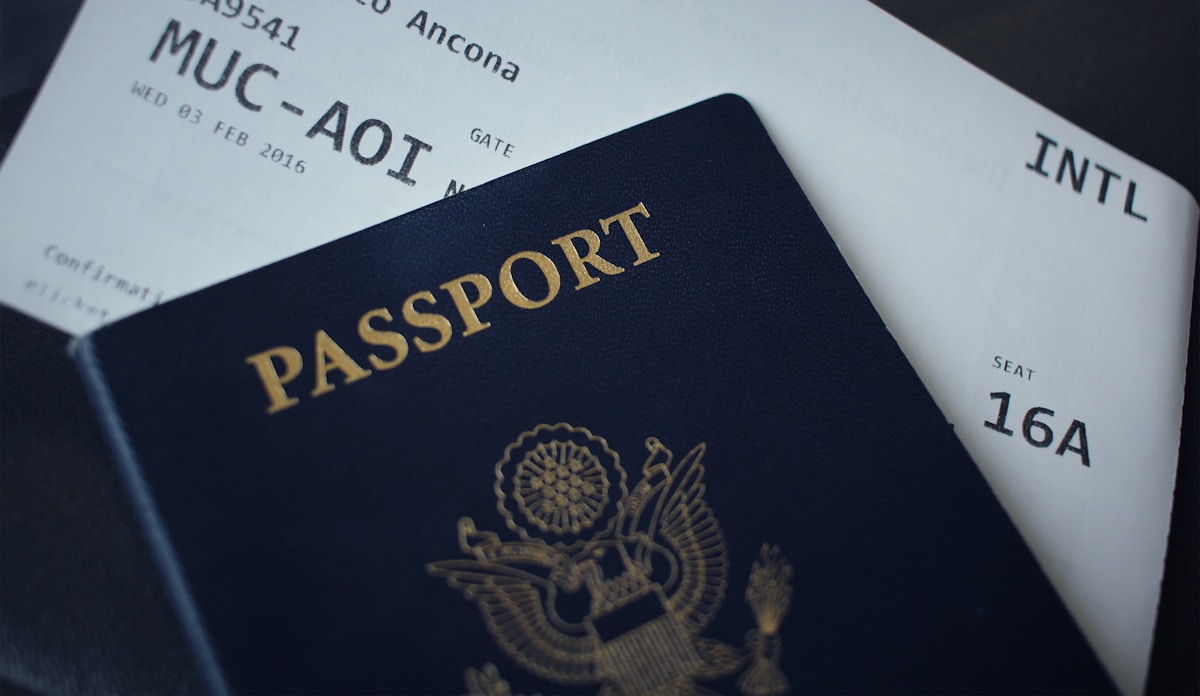
Whether you need a visa for Italy comes down to one question: what passport do you carry? Italy applies the standard Schengen rules, but 2026 is an unusually busy year for changes - a fully digital visa application system launched in June, biometric border checks went live in April, and ETIAS pre-authorisation is on the horizon. Here is the complete picture, as of 2026.
Before You Travel
- Travel insurance: EKTA — covers medical emergencies, trip cancellation, and travel delays. Schengen visa applicants must show at least €30,000 medical cover; EKTA policies meet this requirement.
- Passport validity: EU rules require your passport to be valid for at least three months beyond your planned departure date from the Schengen area.
- 90/180 day count: If you have visited other Schengen countries recently, check your remaining days before booking — the EES border system has tracked this automatically since April 2026.
Who needs what: the three groups
| Your passport | What you need for a short stay |
|---|---|
| EU / EEA / Switzerland | Nothing - freedom of movement, no time limit for visits |
| Visa-exempt (US, UK, Canada, Australia, NZ, Japan, South Korea, and ~55 others) | No visa for up to 90 days in 180; ETIAS expected from late 2026 |
| Visa-required (India, China, Vietnam, Philippines, Russia, most of Africa and the Middle East) | Schengen short-stay visa, applied for online before travel |
If you are unsure which group you fall into, the official checker on the EU’s migration pages or vistoperitalia.esteri.it gives a definitive answer per nationality - we would always confirm there rather than rely on a forum post.
The 90/180 rule, properly explained
Visa-exempt visitors get 90 days inside any rolling 180-day window - for the whole Schengen area combined, not per country. A month in Spain followed by two months in Italy uses the full allowance. The window rolls continuously: on any given day, count backwards 180 days and total your days inside Schengen; that total must never exceed 90.
This matters more now than it used to. Since 10 April 2026, Italy operates the EU Entry/Exit System (EES): your face and fingerprints are registered at the border, the passport stamp is gone, and the system counts your days automatically. Overstays that once slipped through inconsistent stamping are now flagged on exit - and can mean entry bans of one to five years. First-time EES registration adds roughly 5–10 minutes at immigration; returning visitors pass faster.
ETIAS: coming late 2026
ETIAS is an online pre-travel authorisation for visa-exempt nationalities - comparable to the US ESTA - currently scheduled to launch in late 2026, with a grace period expected before it becomes mandatory. The application is a short online form with a fee of approximately EUR 20 as of the latest EU announcements (free for under-18s and over-70s), and the authorisation is expected to be valid for three years or until your passport expires. Until launch, visa-exempt travellers need nothing at all. Check the official EU ETIAS site (travel-europe.europa.eu) for the live date before assuming either way - we track significant changes in our Italy news section as they are confirmed.
Applying for a Schengen visa: the 2026 digital process
Since 1 June 2026, Italy accepts visa applications only through the official online portal, vistoperitalia.esteri.it - for every category, from tourist visas to long-stay national visas. The process as of 2026:
- Create an account on the portal and select your visa category (a short-stay tourist visa is a “type C” Schengen visa).
- Upload supporting documents digitally: passport scan, photo, travel insurance with at least EUR 30,000 medical coverage, proof of accommodation, return transport, and means of subsistence (bank statements).
- Book a biometric appointment at the consulate or visa centre through the same portal - required for first-time applicants; fingerprints remain valid for subsequent applications for 59 months.
- Pay the fee: approximately EUR 90 for adults as of 2026, with reductions for children.
- Receive a digital authorisation - there is no longer a sticker in your passport; border officers verify it electronically.
Standard processing is 15 calendar days for a short-stay visa, and up to 60 days for long-stay national visas. Summer appointment slots at busy consulates fill weeks ahead, so apply as soon as your dates are fixed - applications open up to six months before travel.
Documents every visitor should carry
Even visa-exempt travellers can be asked at the border to show a return or onward ticket, proof of accommodation for the first nights, and sufficient funds. It is rarely checked, but it is the rule. Travel insurance is mandatory for visa applicants and strongly advisable for everyone - our Italy travel insurance guide covers what a policy needs to include, and you can compare Italy travel insurance options to find coverage meeting the Schengen minimum.
Staying longer than 90 days
The 90-day ceiling cannot be extended from inside Italy for tourism. Longer stays - study, work, family, elective residence - require a national (type D) visa applied for through the same portal before travel, plus a residence permit (permesso di soggiorno) requested within 8 working days of arrival in Italy. The portal lists document requirements per category; processing realistically takes one to two months, so this is not a decision to make after arrival.
The bottom line
EU passport: walk in. US, UK, and other visa-exempt passports: count your Schengen days, expect biometrics at the border, and watch for the ETIAS start date in late 2026. Visa-required passports: apply early through vistoperitalia.esteri.it and treat the 15-day processing time as a minimum. For entry routes and what arrival actually looks like at Italian airports, see our getting to Italy guide.
For longer stays beyond 90 days as a remote worker: Italy Digital Nomad Visa guide covers the income requirement and how to apply. For travel insurance evidence required for visa applications: Italy travel insurance guide. For flights and getting to Italy once your visa is confirmed: flights to Italy guide and getting to Italy guide.
Ready to Plan Your Trip?
See our itineraries for inspiration:
- One Week in Italy - seven days through Rome, Florence, and Venice
- 10 Days in Italy - the classic grand tour of Italy’s highlights
- 2 Weeks in Italy - the ultimate two-week Italian itinerary
- 3 Weeks in Italy - the north-to-south grand tour from Milan to Sicily
Plan Your Trip
✈️ Book your flights to Italy 🛡️ Get travel insurance 📱 Stay connected with an eSIM 🚗 Rent a car
Travel Insurance
Travel insurance is worth sorting at the same time as your visa — it covers medical treatment, emergency evacuation, and trip cancellation if your plans change before departure. We recommend EKTA for straightforward policies that cover most nationalities travelling to Italy. A quote takes under five minutes and single-trip cover typically starts from around $30 for a two-week stay.