Italy and Spain are the Mediterranean’s two cultural superpowers - ancient civilisations, extraordinary food, and landscapes that draw tens of millions of visitors each year. They are more different than they might appear on a map. Italy is deeper in art, more complex in cuisine, and more dense in historical layers. Spain is more social, more relaxed about nightlife, and has significantly better beaches. Both are among the world’s finest travel destinations.
Quick Verdict
| Category | Italy | Spain |
|---|---|---|
| Art and museums | Winner | - |
| Beaches | - | Winner |
| Food depth | Winner | - |
| Modern cuisine | - | Winner |
| Nightlife | - | Winner |
| Value for money | - | Winner |
| Ancient history | Tied | Tied |
| Architecture | Tied | Tied |
Choose Italy if you want the world’s richest art heritage, the deepest regional food culture, and cities like Rome, Florence, and Venice that have no equivalent. Choose Spain if you want beaches, tapas, nightlife, and a more relaxed social atmosphere.
Art and Museums
Italy wins this category by a significant margin. The combined holdings of the Vatican Museums (from €20), the Uffizi in Florence (€25), the Borghese Gallery in Rome (€13), and the Accademia in Florence (€16) represent the greatest concentration of Western art anywhere on earth. The Renaissance happened in Italy, and the evidence is everywhere - from Michelangelo’s Sistine Chapel ceiling to Leonardo’s Last Supper in Milan to Bernini’s sculptures in Rome. Churches across the country contain Caravaggios and Raphaels at no charge.
Spain has outstanding art - the Prado in Madrid (€15, free last 2 hours daily) holds Velázquez’s Las Meninas, Goya’s Black Paintings, and Bosch’s The Garden of Earthly Delights. The Reina Sofía (€12, free evening hours) has Picasso’s Guernica. The Guggenheim Bilbao (€16) is an architectural icon. Barcelona’s Picasso Museum (€12) and Gaudí’s buildings add depth. But for sheer volume and historical span, Italy has no peer.
Winner: Italy, decisively.
Food Culture
Both countries have food cultures that rank among the world’s finest - but they work on different principles.
Italy’s food is hyper-regional. Every city has its own pasta shape, its own sauce, its own bread. Roman food (carbonara, cacio e pepe), Neapolitan food (pizza, seafood), Emilian food (tortellini, Parmigiano), Tuscan food (bistecca, ribollita), and Sicilian food (arancine, pasta alla Norma) represent completely distinct culinary traditions. A plate of fresh pasta at a trattoria costs €10–16. Italian food is built on ingredient quality and simplicity - few sauces, few spices, perfect raw materials.
Spain’s food is built around sharing and social dining. Tapas culture - small plates ordered in rapid succession at a bar counter - is one of the world’s great eating experiences. Jamón ibérico de bellota (acorn-fed ham, €15–25 per plate) is Spain’s signature ingredient. Seafood is outstanding, particularly in Galicia and the Basque Country. Spain leads Italy in modern fine dining - the Basque Country and Catalonia have a higher concentration of innovative restaurants, and Spain has more 3-Michelin-star restaurants.
Winner: Italy for tradition and regional depth. Spain for tapas culture and modern gastronomy.
Beaches
Spain wins this category convincingly. The country has an enormous coastline with established beach infrastructure - the Balearic Islands (Mallorca, Menorca, Ibiza, Formentera), the Costa Brava, the Canary Islands, and the Atlantic beaches of Galicia and Asturias offer extraordinary variety. Beach clubs, water sports, and seaside facilities are well-developed.
Italy’s best beaches are in Sardinia (Costa Smeralda, Cala Goloritzé - among the finest in Europe), Puglia’s Salento coast, and the Amalfi Coast. Sicily has good beaches at San Vito Lo Capo and the Aeolian Islands. However, Italy has fewer beach destinations overall, and many require a car to access. Italian beach clubs (lido) charge €15–40/day for sunbed and umbrella - less common in Spain for free public beaches.
Winner: Spain, with more beaches, better infrastructure, and greater variety.
Nightlife
Spain’s nightlife is legendary. The country operates on a late schedule - dinner at 9–10pm, bars from 11pm, clubs from 2am until dawn. Madrid, Barcelona, Ibiza, and Seville are among Europe’s top nightlife destinations. Ibiza alone draws millions of clubbers annually. The social culture of bar-hopping with tapas transitions seamlessly into late-night dancing.
Italy’s nightlife is more atmospheric than intense. Aperitivo hour (6–9pm) is Italy’s social highlight - a cocktail (€8–12) with food in cities like Milan, Bologna, and Turin. Rome’s Trastevere and Testaccio have good evening scenes. But Italy does not match Spain for late-night culture. Italians tend to eat dinner later (8–9pm) but go home earlier than Spaniards.
Winner: Spain, convincingly.
Ancient History
This is genuinely competitive. Both countries have extraordinary ancient heritage.
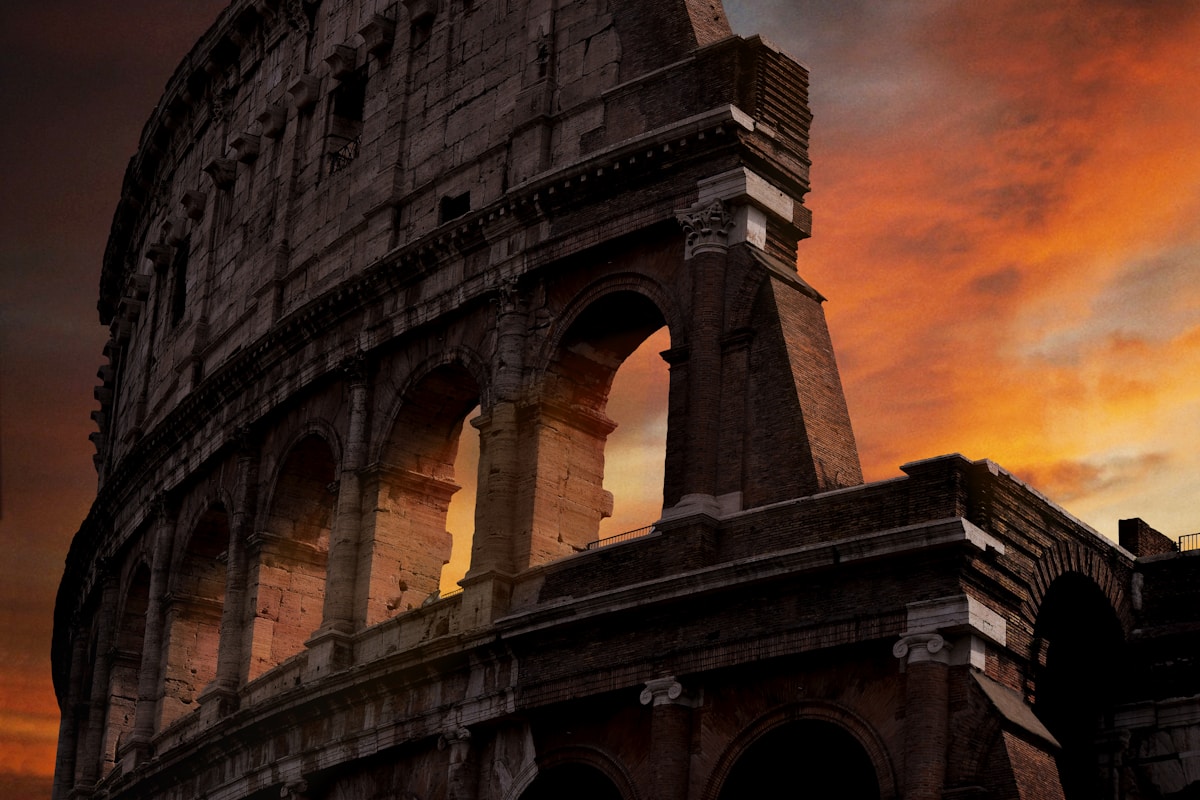
Italy has the Colosseum, the Roman Forum, Pompeii, Herculaneum, the Pantheon, and a density of Roman ruins that extends from Turin to Taormina. The Roman Empire was centred on Italy, and the evidence is everywhere.
Spain has Roman heritage - Segovia’s aqueduct, Mérida’s theatre, and Tarragona’s amphitheatre are all impressive. But Spain’s historical depth comes from the Moorish period: the Alhambra in Granada (from €14, book months ahead), the Mezquita in Córdoba (€11), and the Alcázar of Seville (€14) are among Europe’s most stunning buildings. The blend of Islamic and Christian architecture is unique in Western Europe.
Winner: Italy for Roman history. Spain for Islamic architecture. A genuine tie overall.
Accommodation
Both countries have extensive hotel networks across all price ranges.
Italy: 3-star hotels in major cities (Rome, Florence, Venice) cost €90–180/night. Venice is the most expensive. Agriturismi (farm stays) from €70–150 offer unique countryside experiences. Budget hostels from €25–40.
Spain: 3-star hotels in Madrid, Barcelona, and Seville cost €80–150/night. Paradores (historic state-run hotels in castles, monasteries, and palaces) from €100–200 are Spain’s equivalent of agriturismi - distinctive and excellent value. Hostels from €20–35.
Winner: Spain - slightly cheaper with the parador network as a bonus.
Getting Around
Both countries have excellent high-speed rail networks.
Italy: Frecciarossa trains connect Rome to Milan (3 hours, from €25), Rome to Florence (1.5 hours, from €25), and Rome to Naples (70 minutes, from €15). Regional trains are slower but cover the country extensively. Driving in cities is stressful; driving in the countryside is beautiful.
Spain: AVE high-speed trains connect Madrid to Barcelona (2.5 hours, from €25), Madrid to Seville (2.5 hours, from €25), and Madrid to Málaga (2.5 hours). Spain’s rail network is modern and efficient. Spain is also excellent for road trips - the roads are generally wider and less congested than Italy’s.
Winner: A draw. Both have excellent high-speed rail. Spain has slightly better roads.
When to Visit
Both countries peak in July and August - hot, expensive, and crowded. Shoulder season (April–June, September–October) is strongly recommended for both.
Italy’s north (Milan, Venice, the lakes) is cooler in summer; the south (Naples, Sicily) is extremely hot. Spain follows the same pattern - the north (Basque Country, Galicia) is temperate; Andalusia in August is scorching (40°C+). The Canary Islands offer year-round warmth, which Italy cannot match.
Winner: A draw for mainland visits. Spain’s Canary Islands give it a year-round edge.
How to Choose (or Split Your Time Between Both)
Most travellers to either country eventually visit both - and combining them in a single trip is practical and increasingly popular with open-jaw flights.
Choose Italy if:
- Art, architecture, and history are your primary interest
- You want to experience the world’s most varied regional food culture
- Cities (Rome, Florence, Venice, Naples) are your priority over beach time
- You want the Amalfi Coast, Sicily, or Cinque Terre as your coast experience
Choose Spain if:
- You want reliable sun and established beach infrastructure
- Nightlife and a late social schedule matter to you
- Budget is tighter (Spain runs 10–15% cheaper on average)
- You want a broader beach-and-culture mix without deep art itineraries
Budget comparison (mid-range traveller, per day):
| Category | Italy | Spain |
|---|---|---|
| Central 3-star hotel | €90–160 | €80–140 |
| Dinner for two (mid-range) | €50–80 | €40–65 |
| Museum entry (main attractions) | €15–25 | €12–20 |
| Intercity train (2 hours) | from €20 | from €15 |
| Beach sunbed + umbrella | €15–35 | free (many public beaches) |
Combining both: Open-jaw flights (fly into one country, out of another) are often the same price as a return. A 2-week itinerary combining Italy and Spain typically looks like: Rome (4 nights) → fly or train to Barcelona (3 nights) → Seville (2 nights) → Málaga or Costa del Sol (3 nights). Alternatively, reverse it and end in Rome. The Rome–Barcelona route has direct flights from €40–80 booked early.
Final Verdict
Italy and Spain are the Mediterranean’s two essential destinations - and they reward different travel instincts. Italy is the deeper cultural experience: no country on earth matches its combination of art, architecture, and food across such a concentrated area. Spain is the more social, more relaxed experience: better beaches, better nightlife, and a pace of life that makes everything feel unhurried.
If you have never visited either, start with Italy if culture and food are your priority, or Spain if beaches and nightlife matter more. Both countries reward repeated visits - and most travellers end up loving both. Browse Italy tours to see what’s on offer across the country.
Ready to Plan Your Trip?
See our itineraries for inspiration:
- One Week in Italy - seven days through Rome, Florence, and Venice
- 10 Days in Italy - the classic grand tour of Italy’s highlights
- 2 Weeks in Italy - the ultimate two-week Italian itinerary
- 3 Weeks in Italy - the north-to-south grand tour from Milan to Sicily
Also comparing European destinations? Our Italy vs Greece guide applies the same framework to Italy versus the Eastern Mediterranean.
Plan Your Trip
✈️ Book your flights to Italy 🛡️ Get travel insurance 📱 Stay connected with an eSIM 🚗 Rent a car
🎟️ Browse tours in Italy 🏨 Search hotels in Italy — Search hotels in Spain