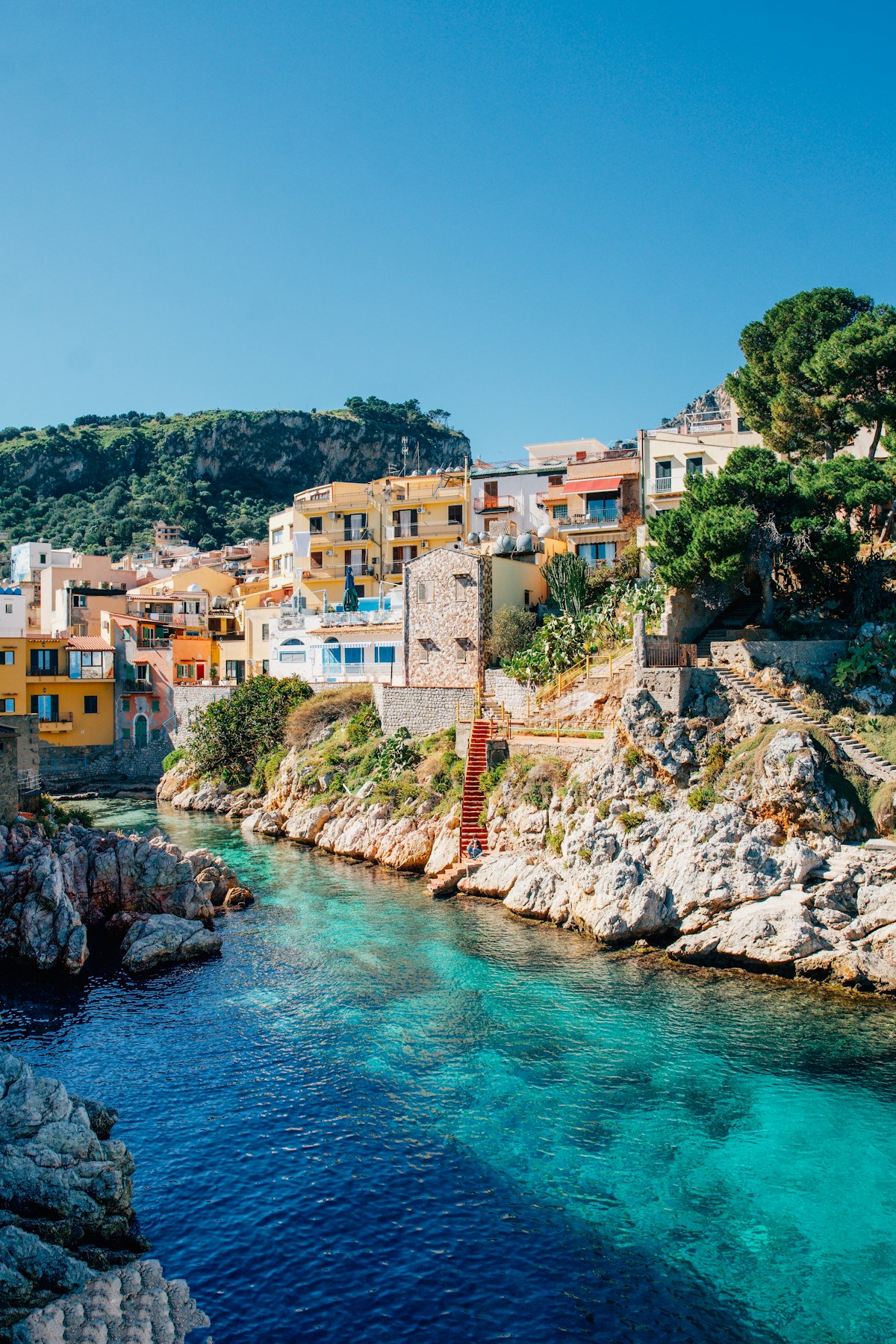
July is Italy’s most popular month for tourism and its most demanding for travellers. The heat is significant, the crowds are intense, and prices are at or near their annual peak. But July is also when Italy’s coastal and island destinations are at their best, when outdoor opera fills the Verona Arena, when the Palio thunders around the Piazza del Campo, and when the country operates at its most festive and gregarious. Whether July is a good time to visit depends entirely on where you go and what you want to do.
Peak Summer Heat: Florence 33°C, Scirocco Hits Sicily at 35°C+, Dolomites the Coolest Option
Rome: 20–31°C, often higher. Sunny, dry, and genuinely hot. The stone city amplifies heat; the Forum and Colosseum in midday July are exhausting. The scirocco wind from North Africa can push temperatures above 38°C for several days at a stretch.
Florence: 21–33°C. The most uncomfortable Italian city in July - the Arno valley traps heat and humidity. Locals who can afford to leave, leave.
Venice: 20–30°C. Humid. The canals amplify heat and smell. Still full of visitors.
Milan: 20–30°C. Humid. Many locals are already leaving ahead of August. The city is quieter but muggy.
Naples: 21–31°C. Hot and humid but more bearable than Florence. The bay coastline gets a sea breeze that makes evenings manageable.
Amalfi Coast: 23–30°C. At its most beautiful and most crowded. The sea is 25–26°C - excellent for swimming. Book months ahead.
Sicily: 24–35°C. The interior (Enna, Caltanissetta) can reach 40°C. The coast is hot; the sea is excellent. The scirocco wind hits southern Sicily hardest, bringing dry African heat and occasionally Saharan dust.
Sardinia: 22–32°C. Peak beach season. Costa Smeralda completely packed. The northern coast benefits from the mistral wind, which moderates temperatures but can make the sea choppy.
Dolomites: 12–25°C. The best hiking weather in Italy. Cool relative to the south; genuinely pleasant. The Tre Cime di Lavaredo circuit and Alta Via routes are fully open.
Verona Opera Festival
The season at the Verona Arena runs July–August. Full-scale productions of Aida, Carmen, Nabucco, and Tosca in the 1st-century AD Roman amphitheatre - the third largest in Italy after the Colosseum and Capua. One of Italy’s great cultural experiences. Tickets: €30 (unreserved stone steps, bring a cushion) to €250 (reserved numbered seats). Book at arena.it well in advance - the most popular performances sell out. The post-opera atmosphere in Verona, with 14,000 people spilling into the piazzas, is uniquely festive.
The Palio di Siena (2 July)
The first of the two annual Palio races (the second is 16 August). Ten of Siena’s seventeen contrade (city districts) compete in a bareback horse race around the Piazza del Campo - 90 seconds of controlled chaos on the shell-shaped piazza, preceded by a two-hour pageant in Renaissance costume. Standing in the Campo centre is free but requires arriving 6+ hours early and standing in a dense crowd in 30°C heat with no shade. Bleacher seats on the piazza edge: €200–400, booked months ahead through the contrade or authorised sellers.
The race itself is secondary to the social fabric of the contrade system. In the week before the Palio, each contrada holds dinners, blessings of the horse (inside the contrada’s church), and trial races. Siena in Palio week has a different and compelling atmosphere - the city is consumed by the event in a way that no other Italian festival quite matches.
Summer black truffles
The tartufo nero estivo (summer black truffle, Tuber aestivum) is in season from June through August. Found across Umbria, Tuscany, Marche, and parts of Lazio, the summer truffle is milder than the winter varieties but widely available and considerably cheaper. Restaurants in Norcia, Spoleto, and the Umbrian hill towns serve it shaved over pasta, eggs, and crostini. A genuine food highlight of summer in central Italy.
Escaping the heat: Dolomites, Sardinia, and Puglia
Go to:
- The Dolomites: The best hiking in Italy, in comfortable temperatures. Cortina d’Ampezzo, Ortisei, and the Val Gardena are excellent bases.
- Sardinia and Sicily beaches: The sea is at its warmest, the light is extraordinary. Cala Goloritzé, San Vito Lo Capo, and the Aeolian Islands are at peak condition.
- Puglia coast: Quieter and cheaper than the famous resort areas, with excellent beaches at Polignano a Mare, Otranto, and the Gargano peninsula.
- Verona: If you’re attending the opera; otherwise avoid peak weekends.
- Sagre (food festivals): Village food festivals run every weekend across Italy in July - fish sagre on the coast, porchetta in Lazio, arrosticini in Abruzzo. These offer the best-value food experiences in the country.
Avoid if possible:
- Florence: The most uncomfortable city in July; if you must visit, focus on early morning museums and afternoon gelato in the shaded Oltrarno streets.
- Rome: Intense and crowded, though more manageable than Florence due to its scale. The Forum and Palatine Hill in midday sun are brutal.
- Venice in the hottest weeks: The smell and the crowds combine unpleasantly.
Booking, heat, and the Siena Palio buildup
Opening hours: July heat drives adjusted schedules. Some businesses close 1–4pm for the extended lunch break. Museums keep normal hours but early morning entry (8:30am openings) avoids the worst crowds and heat.
Booking: Everything must be booked ahead in July - the Colosseum, the Uffizi, the Vatican Museums, accommodation, restaurants in popular areas. The Vatican Museums and Uffizi are effectively sold out for walk-up visitors on most July days. Book timed-entry slots 2–4 weeks ahead minimum.
Prices: July accommodation in Rome and Florence runs 30–50% above shoulder-season rates. The Amalfi Coast and Sardinia are at their most expensive. The Dolomites offer better value relative to the quality of the experience.
Water: Carry water. Public fountains (nasoni in Rome) provide free drinking water throughout the city - there are over 2,500 of them.
Clothing: Light clothing essential; carry a sun hat. Shoulders and knees must be covered for church entry - bring a light scarf or shawl.
Top July destinations: Sardinia and Sicily for beaches; Siena for the Palio (2 July) - Siena tours often include Palio viewing arrangements; Verona for the Arena opera festival. For managing the heat: getting around Italy guide. For our full seasonal overview: best time to visit Italy.
See Also
- Best time to visit Italy - full seasonal overview
- Italy in June - the month before
- Italy in August - the month after
Ready to Plan Your Trip?
See our itineraries for inspiration:
- One Week in Italy - seven days through Rome, Florence, and Venice
- 10 Days in Italy - the classic grand tour of Italy’s highlights
- 2 Weeks in Italy - the ultimate two-week Italian itinerary
- 3 Weeks in Italy - the north-to-south grand tour from Milan to Sicily
Plan Your Trip
July requires early planning. For the Palio di Siena on 2 July, bleacher seats (€200–400) are sold through the contrade months ahead — standing in the Campo centre is free but means arriving 6+ hours early in 30°C heat with no shade. Sardinia and the Aeolian Islands book out 3–4 months ahead. Verona Opera Festival tickets for July sell early for Aida and Nabucco — book at arena.it.
For those avoiding peak heat and crowds: the Dolomites are the best July alternative — comfortable temperatures, spectacular hiking from Cortina d’Ampezzo and the Val Gardena, far from the coastal gridlock. Rome and Florence are manageable early morning; pre-book Vatican and Uffizi early-morning slots.
Flights to Italy are at peak prices — book early. Insurance | eSIM | Car hire | Hotels in Italy.