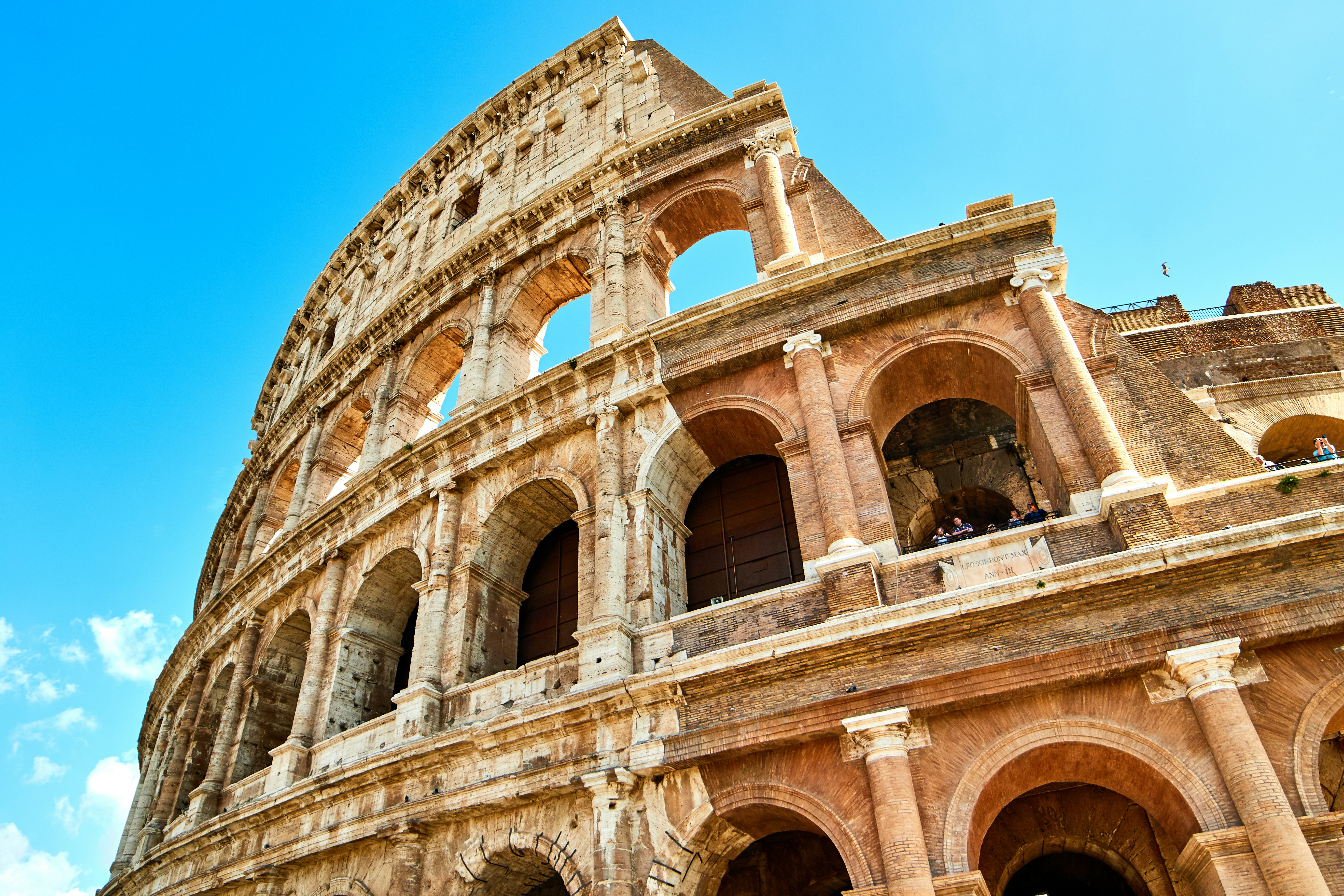
Italy is one of the most rewarding countries in Europe to visit alone. The food culture is designed for sitting at counters and bars - solo dining is entirely normal and well-catered for in a way that isn’t true everywhere. Public transport between cities is reliable and often fast. And the density of cultural sights means there is always something to anchor a day, regardless of whether you’ve found travel companions or not.
Is Italy Good for Solo Travel?
Very good. Italy has a well-established hostel scene in the major cities - Rome, Florence, Venice, Milan, and Naples all have strong options with social programmes, bar areas, and organised activities that make meeting people easy. For older solo travellers or those who prefer private rooms, the B&B and agriturismo network is extensive and considerably cheaper than equivalent hotels.
Solo dining is a non-issue in Italy. Bar counters (bancone) are an Italian institution - you stand or sit at the bar, order coffee or wine and something to eat, and nobody looks twice. Trattorias regularly seat solo diners and most have no system of “tables for one” awkwardness. Aperitivo culture - more below - is purpose-built for sociability.
Italy also has one of Europe’s best rail networks for independent travel. Getting between Rome, Florence, Bologna, Venice, and Milan is fast, straightforward, and affordable when booked in advance on Trenitalia or Italo.
Safety for Solo Travellers
Italy is a safe country for tourists. Violent crime against visitors is rare. The main practical risks are pickpocketing at crowded sights and on metro trains, and a small number of concentrated scams near major monuments.
Areas requiring awareness: Rome Termini station and the surrounding streets, the Colosseum and Palatine Hill approaches, Naples Centrale, and the Naples metro. These aren’t dangerous - they require the same situational awareness you’d apply in any large European city.
Outside these zones, Italian cities are calm and walkable. Small towns and rural areas are extremely safe.
Solo Female Travel in Italy
Rome and Florence are consistently rated among the most comfortable major European cities for solo female travel. The tourist infrastructure is dense, the streets around the main sights are always busy, and the hostel and B&B communities are well-practiced at hosting solo travellers.
Catcalling exists - more so in Naples and parts of southern Italy and Calabria than in the north. It’s unpleasant but not threatening. Most solo female travellers to Italy experience it as background noise rather than something that affects what they do or where they go. If you’re spending time in Naples, the historic centre and Chiaia neighbourhood are the most comfortable areas.
After dark: use taxis or Uber for late journeys rather than walking alone through less-trafficked streets, the same as you’d do in London or Paris.
How to Meet People in Italy
Solo travel doesn’t mean travelling in isolation. Italy has multiple reliable ways to connect with other travellers and locals:
Free walking tours - Rome, Florence, and Milan all have well-run free walking tour operations. Sandeman’s (Rome, Florence, Milan) and City Wonders (Rome, Florence) consistently attract mixed groups of solo travellers and small groups. These are the most reliable single point of contact with other travellers in any Italian city.
Cooking classes - Florence and Rome have a strong cooking class scene, and classes almost always pull in a mix of solo travellers and couples. A three-hour pasta or pizza class typically costs approximately €60–95 per person as of 2026 and doubles as a social event.
Aperitivo hour - Between 6pm and 8pm, Italian bars offer free snacks (sometimes a full buffet) with the price of a drink, typically approximately €7–10 for a Spritz. This is a genuine Italian institution and one of the most naturally sociable settings in the country. Standing at a bar with a Spritz and a plate of crostini in Milan or Bologna, conversation starts without effort.
Couchsurfing events - The Couchsurfing platform still runs active meetup events in Rome, Florence, and Milan, open to anyone regardless of whether you use the platform for accommodation.
Language tandem exchanges - Tandem.net connects people learning different languages. If you’re learning Italian (or want to try), this is an efficient way to meet locals in any major city who want to practise English.
Guided cycling tours - Tuscany and Umbria both have popular guided cycling tours designed for small groups. Operators like I Bike Tuscany and Bike Florence & Tuscany run day and multi-day tours that attract solo travellers, particularly those over 40. Expect approximately €60–100 for a guided day tour.
Facebook groups - “Expats in Italy”, “Expats in Rome”, and “Expats in Milan” have active communities and regular informal meetups. Internations (internations.org) runs structured monthly events in Rome, Milan, and Florence.
Best Bases for Solo Travellers
Rome - The most obvious starting point and genuinely excellent for solo travel. The concentration of sights within walking distance means you don’t need a car or complex planning. The hostel scene is one of Europe’s best. Rome’s city guide covers neighbourhoods and logistics in full.
Florence - Smaller and more manageable than Rome. You can cover the main museums in three or four days and use it as a base for day trips to Siena, Pisa, and Lucca. The cooking class and walking tour scene is particularly strong.
Bologna - Underrated solo base. Cheaper than Rome and Florence, with a university population that keeps it lively year-round. The food is exceptional and the aperitivo scene is among Italy’s best. More relaxed than the major tourist centres.
Naples - Higher noise floor than the other cities but worth it for solo travellers who want to experience a less filtered version of Italian life. Use it as a base for day trips to Pompeii, the Amalfi Coast, and the Phlegraean Fields.
Group Tours Worth Taking
Some of Italy’s most visited sites are significantly better with a guide, and group tours double as social experiences.
The Vatican Museums and Sistine Chapel are genuinely difficult to navigate without context - a guided tour adds meaning to what would otherwise be a crowded room. Skip-the-line Colosseum tours with arena floor access include sections of the monument not open to independent visitors. Tuscany day trips from Florence - typically combining a hill town, a winery, and sometimes San Gimignano - are purpose-built group experiences that solo travellers consistently recommend.
Browse tours across Italy to find options that match your itinerary and budget.
Practical Solo Tips
Budget: A realistic solo mid-range budget is approximately €100–130 per day as of 2026, covering a private room in a B&B or guesthouse, meals at trattorias and bars rather than tourist restaurants, and entry fees to two or three sights. Budget travellers in hostel dorms can manage on €60–80.
Transport: Trenitalia and the private operator Italo both serve the main intercity routes. Book in advance - prices rise sharply close to travel date. A Rome–Florence ticket bought two weeks out costs approximately €15–25; the same journey day-of is often €45–55 or more.
Museum booking: In peak season (April through June, September through October), the Uffizi in Florence, the Vatican Museums, and the Colosseum in Rome should be booked online before you arrive. Walk-up queues at all three can be two to three hours.
Sundays: A significant number of shops, some restaurants, and many businesses close on Sunday afternoons or all day. Plan around this - museum visits or neighbourhood walks rather than shopping or errands.
SIM cards: A local Italian SIM (TIM, Windtre, Iliad) costs approximately €10–15 for 30 days of data as of 2026 and is worth it for maps and transit apps. Available at airports and phone shops in city centres.
Best Time to Go Solo
April to June and September to October are the best windows. Weather is warm but not extreme, crowds are manageable compared to summer, and most sights and restaurants are operating normally.
July and August are the hottest months (35–38°C in southern cities) and coincide with the Italian summer holiday period. Many family-run restaurants and smaller businesses close for two to four weeks in August - often without notice. The main tourist sites remain open but are at peak capacity.
November to March offers the lowest prices and fewest crowds. Weather is cool to cold, especially in the north. Some attractions have shorter hours. Rome and Sicily are the most comfortable options in winter.
For solo-friendly hostel picks in the main cities: best hostels in Rome, best hostels in Florence, best hostels in Bologna, best hostels in Milan, best hostels in Venice. For safety context by city and neighbourhood: Italy safety guide. For realistic daily budget planning: Italy travel costs guide. For choosing when to go based on crowd levels and weather: best time to visit Italy.
Ready to Plan Your Trip?
See our itineraries for inspiration:
- One Week in Italy - seven days through Rome, Florence, and Venice
- 10 Days in Italy - the classic grand tour of Italy’s highlights
- 2 Weeks in Italy - the ultimate two-week Italian itinerary
- 3 Weeks in Italy - the north-to-south grand tour from Milan to Sicily
Plan Your Trip
✈️ Book your flights to Italy 🛡️ Get travel insurance 📱 Stay connected with an eSIM 🚗 Rent a car