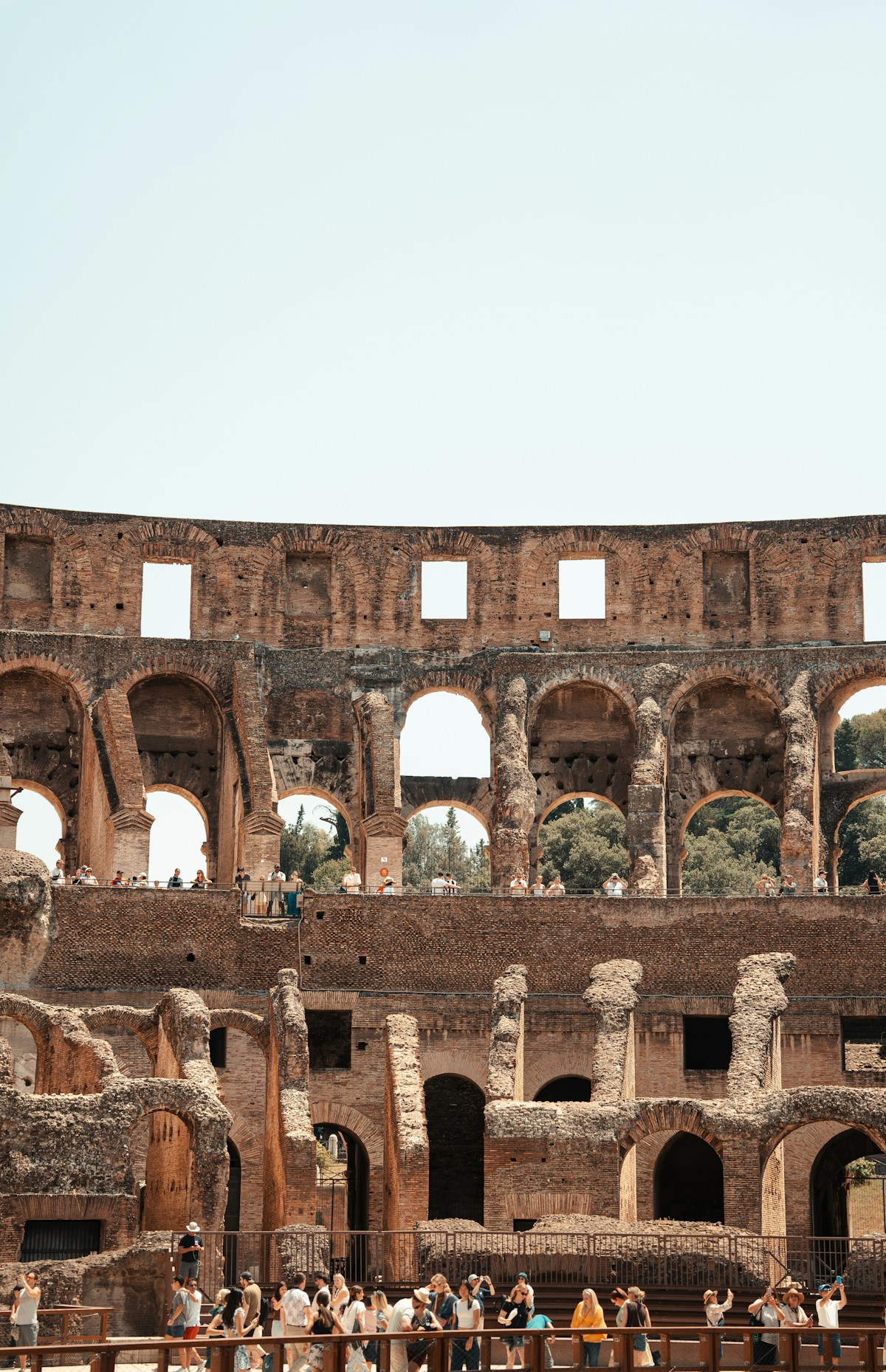
History
Ancient Rome: A Guide to the Sites That Changed the World
The essential guide to ancient Rome's history and sites: the Republic, the Empire, the Colosseum, the Forum, Pompeii, and what survives today.
History
Italy sits at the centre of Western history in a way few countries can match. The Roman Empire shaped law, language, and architecture across Europe for two thousand years. Pompeii froze a Roman city in volcanic ash in 79 AD and preserved it for us to walk through today. The Renaissance: concentrated in Florence, Rome, and Venice between the 14th and 17th centuries: produced Leonardo, Michelangelo, and Raphael. Medieval hill towns like Siena, Assisi, and Orvieto have changed little since the 13th century.
For travellers, Italy's history is not a museum piece: it is the fabric of daily life. You eat gelato beside a Roman aqueduct. You drink coffee in a café built into a Renaissance palazzo. We have written detailed guides to the historical sites, periods, and stories that make Italy worth understanding as well as visiting.
In-depth guides to the historical sites, periods, and cities that shaped Italy.
The essential guide to ancient Rome's history and sites: the Republic, the Empire, the Colosseum, the Forum, Pompeii, and what survives today.
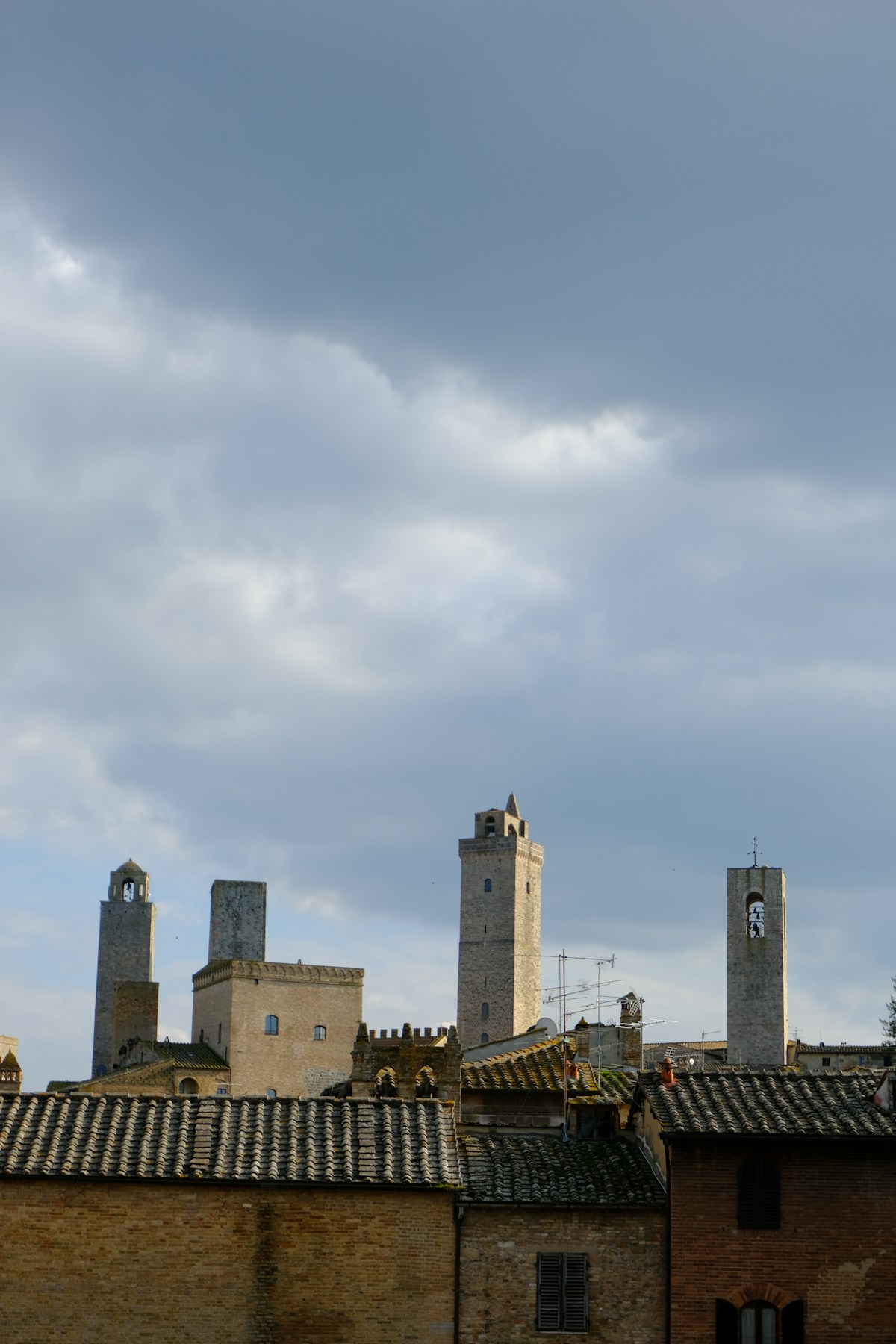
Medieval Italy - city-states, the Papal States, Norman Sicily, the commune movement, and where to see the Gothic cathedrals and hilltop towns today.
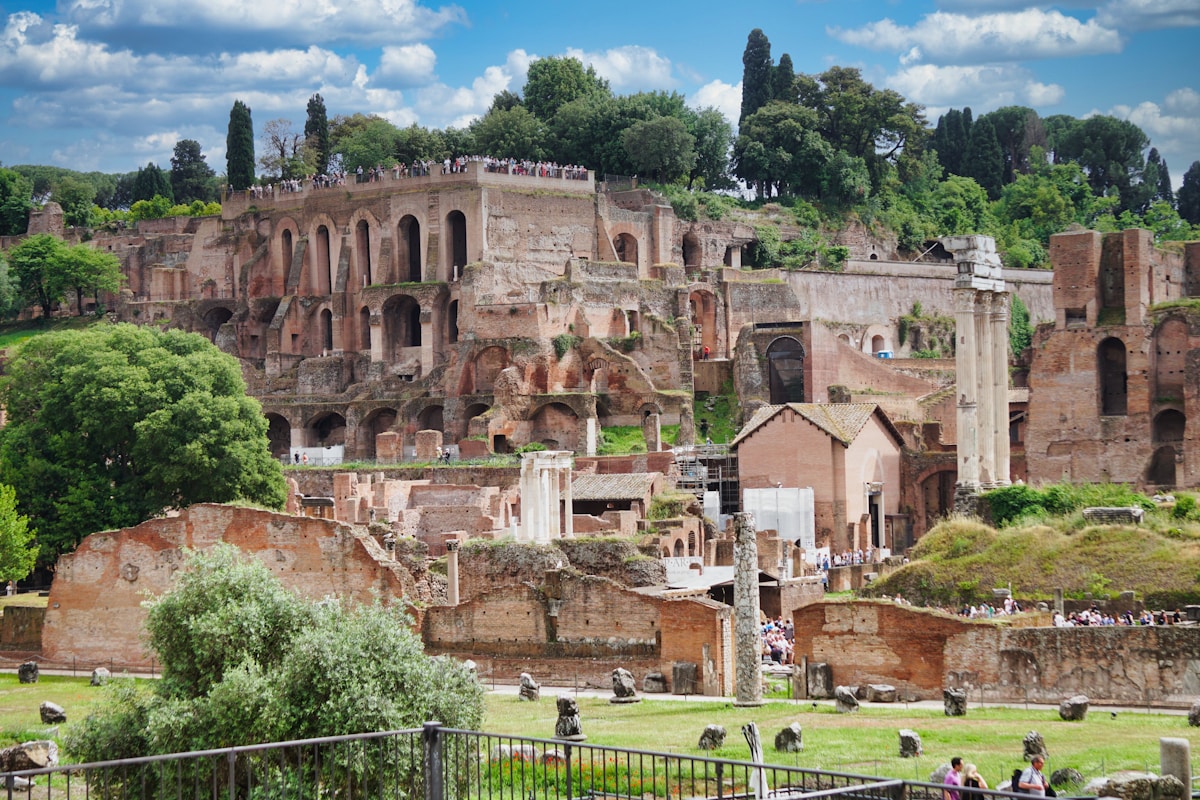
The practical and historical guide to Pompeii - what survived the 79 AD eruption, how to read the ruins, and how to plan a visit from Naples or Rome.
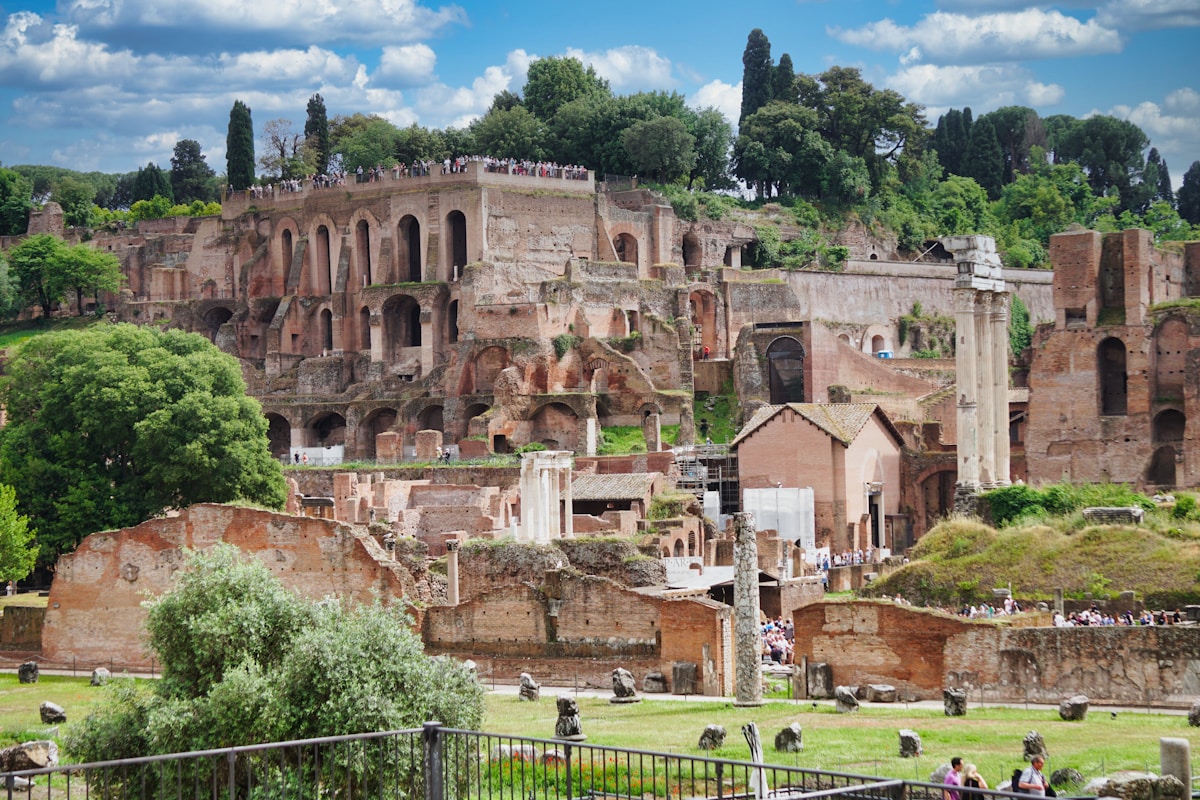
The Roman Republic 509–27 BC: the Senate, the Punic Wars, Julius Caesar, and the constitutional collapse that produced the Roman Empire.
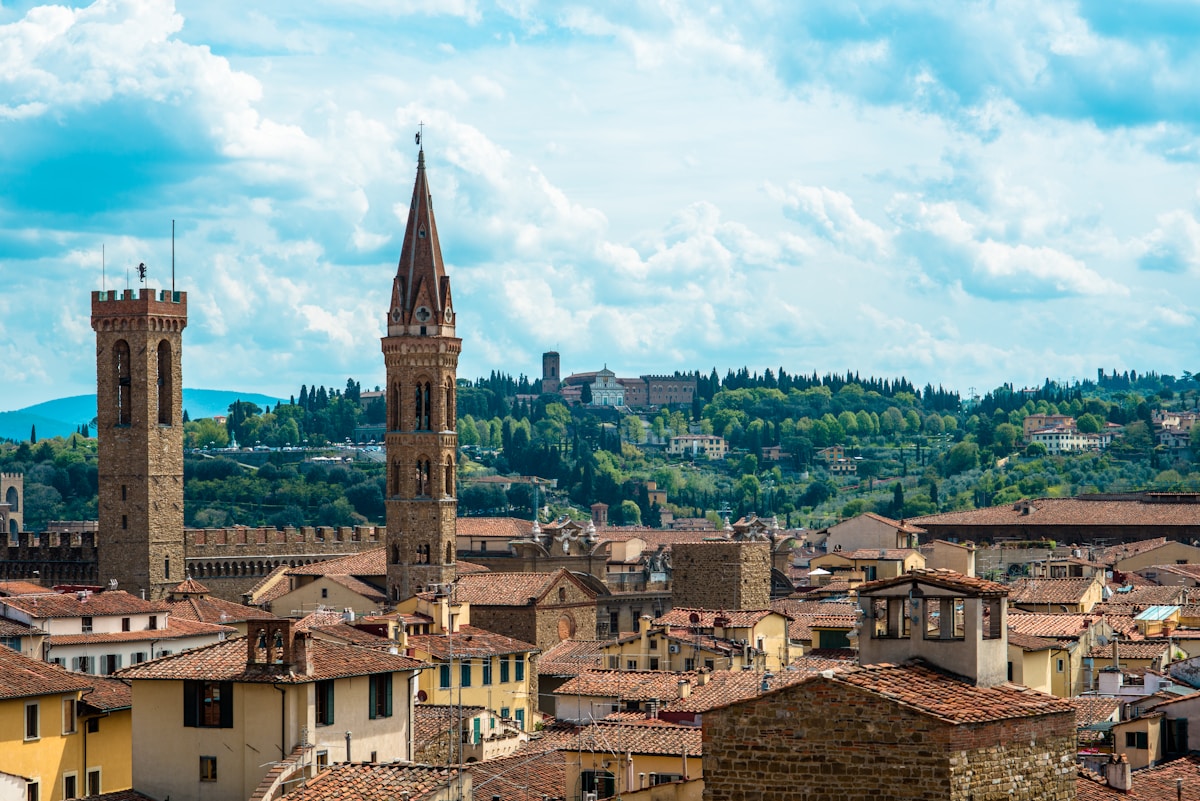
The Renaissance began in Florence in the 14th century and reshaped European art, science, and thought - with the key sites to visit across Italy today.
Explore Italy city by city