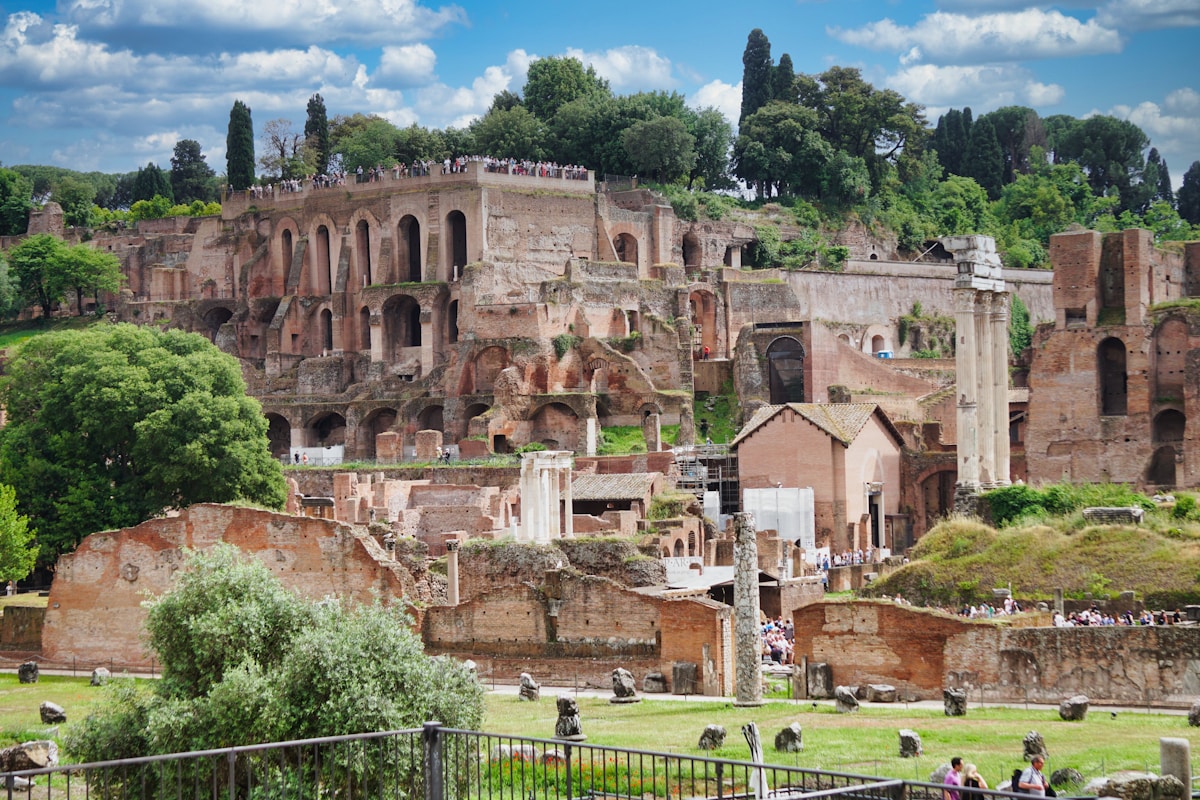
On the morning of 24 August 79 AD, Mount Vesuvius erupted with an energy equivalent to 100,000 atomic bombs. Within 18 hours, the Roman city of Pompeii - a prosperous port town of 11,000–20,000 people - was buried under 4–6 metres of volcanic ash and pumice. It would not be rediscovered for 1,700 years.
What the ash preserved is extraordinary: a complete Roman city, frozen in a single morning. Loaves of bread in bakery ovens. Graffiti on walls. The bodies - technically, plaster casts of the voids left by decomposed bodies - in the positions they died. Pompeii is not just an archaeological site; it is the most complete record of daily life in the ancient Roman world.
What happened
The eruption began around 1pm. The initial phase sent a column of ash and pumice 33km into the sky. Pumice rained down on Pompeii for hours - heavy enough to collapse roofs. Many residents fled at this stage. Those who sheltered inside survived the first phase but were killed by pyroclastic surges in the early hours of 25 August - superheated gas and ash moving at 300km/h. Death was instantaneous.
The city remained buried and largely forgotten until 1748, when excavations under the Bourbon king Charles III of Naples began. Serious systematic archaeology started in the 19th century. About two-thirds of the city has now been excavated; one-third remains underground.
What to see
The Forum - the civic, commercial, and religious centre. The Temple of Jupiter frames Vesuvius perfectly. The Forum Granary holds hundreds of plaster casts.
Via dell’Abbondanza - the main street. Shops, taverns (thermopolia - Roman fast food counters with round holes for storage jars), and graffiti on virtually every surface. Romans plastered their walls with announcements, insults, election endorsements, and declarations of love.
The House of the Faun - the largest private house in Pompeii, covering a full city block. Named after the dancing faun in the atrium. The famous Alexander Mosaic (depicting the Battle of Issus) was found here - the original is in Naples; the site has a copy.
The House of the Vettii - two wealthy freedmen brothers. Exceptionally well-preserved frescoes. The entrance features a famous explicit fresco of Priapus that was covered up for Victorian visitors. Now visible.
The Lupanar (brothel) - the only purpose-built brothel identified in the city. Frescoes above each door advertise the services. The most-visited building in Pompeii after the Forum.
The Amphitheatre - the oldest surviving Roman amphitheatre in the world (80 BC). The Great Palaestra beside it is a large exercise ground.
The Villa of the Mysteries - outside the main city walls, and worth the walk. Second-style frescoes of extraordinary quality, probably depicting Dionysiac initiation rituals. The preserved figures are among the finest Roman paintings in existence.
The plaster casts - distributed around the site, with the largest collection in the Forum Granary. Archaeologists discovered that victims’ bodies had left perfect voids in the ash; filling these voids with plaster in the 19th century produced casts of people caught in their final moments. A family sheltering together. A man covering his face. A dog on a chain. These are the images most people associate with Pompeii.
Herculaneum
Pompeii’s neighbour Herculaneum, 15km north, was buried by a different mechanism - pyroclastic flows rather than ash - and is in many ways better preserved. Wood, food, textiles, and organic materials survived. The wooden boat houses on the waterfront contain the remains of 300 people who sheltered there and were killed by the surge. The Villa of the Papyri had a library of 1,800 carbonised papyrus scrolls, some now being unrolled using X-ray technology. Herculaneum is smaller, less crowded, and more intimate than Pompeii.
Naples Archaeological Museum
The Museo Archeologico Nazionale di Napoli holds the finest finds from both Pompeii and Herculaneum: the original Alexander Mosaic, the Secret Cabinet (erotic art), bronze statues from the Villa of the Papyri, and thousands of everyday objects - surgical instruments, kitchen utensils, jewellery, food. Visiting the museum before or after the site dramatically deepens the experience.
Plan your trip:
- Book ahead skip the ticket queue with a guided Pompeii tour
- Get travel insurance before you go
- Search flights to Naples
Practical information
Getting there: Pompeii is 30 minutes from Naples by Circumvesuviana train (€2.80). Direct trains from Naples Centrale. The Pompeii Scavi – Villa dei Misteri stop is directly outside the main entrance.
From Rome: 2.5 hours by high-speed train to Naples, then 30 minutes by Circumvesuviana. A long day trip; an overnight in Naples is better.
Tickets: €18 (Pompeii only). Combined with Herculaneum: €22. Book online at pompeionline.net - long queues at the gate on busy days.
Time needed: Half a day minimum; a full day if thorough. The site is 66 hectares. Wear comfortable shoes, bring water and a hat. In summer, arrive early and leave by noon.
Best time: Spring (April–May) and autumn (September–October). July and August are extremely hot and very crowded.
For planning your visit: Pompeii travel guide covers accommodation options, Herculaneum combination, and getting there from Naples. For guided tour options with expert commentary: Pompeii tours guide. The finds from Pompeii are mostly held in Naples’ Museo Nazionale - see Naples travel guide. For broader Roman history: ancient Rome guide and Roman Republic guide.