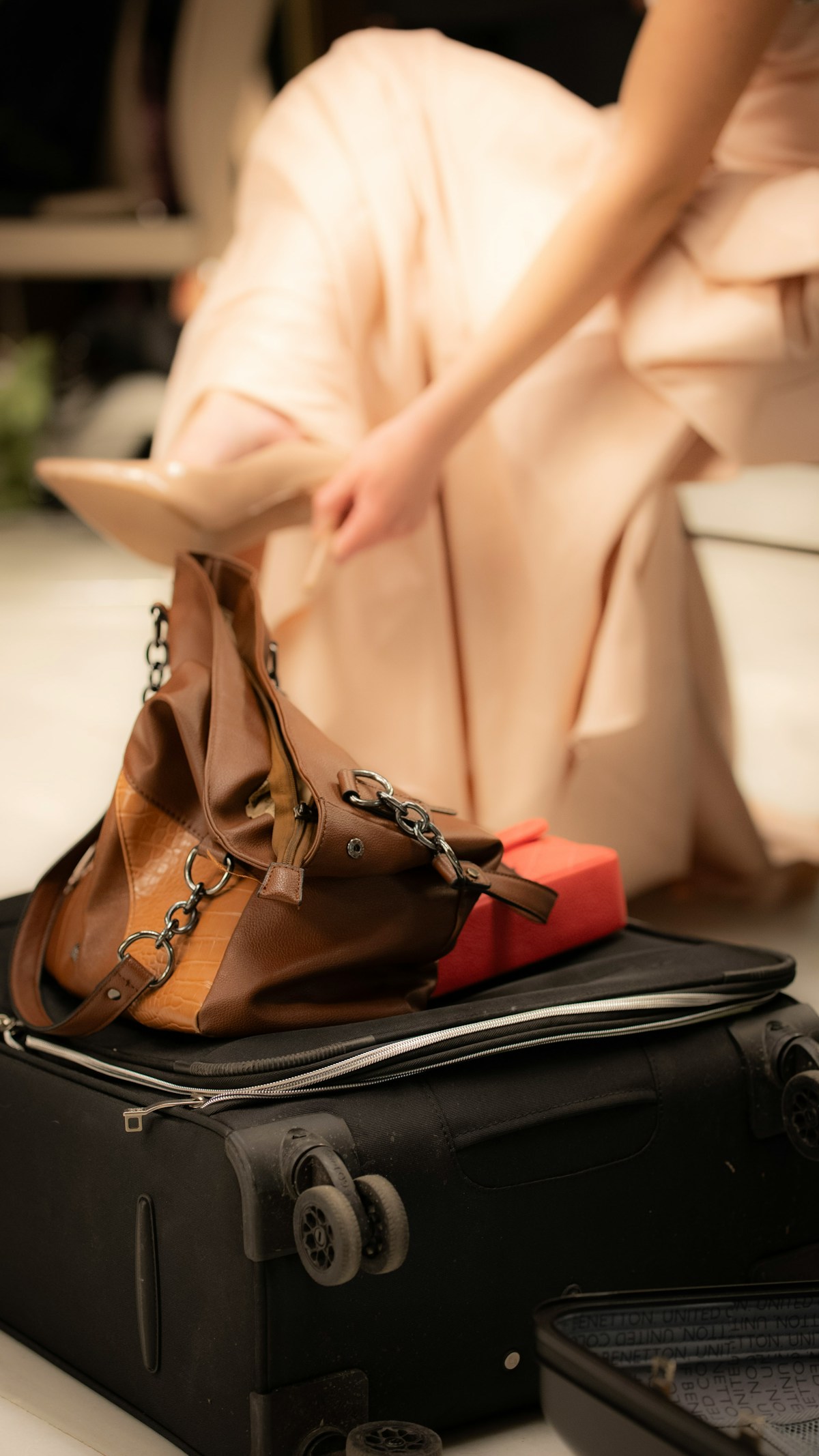
Italy doesn’t require expedition gear. It’s a well-supplied developed country - if you forget something, you can buy it there. What matters is getting a few specific things right: footwear for cobblestones, layers for seasonal variation, church-appropriate clothing, and the right electrical adapter.
This guide goes deeper than a generic checklist - it breaks down by season and by trip type so you pack for what you’re actually doing.
The Non-Negotiables (Every Season, Every Trip)
Before the seasonal breakdown, five things apply regardless of when you’re going or where.
1. Church cover-up
Every church in Italy - from the Vatican to a village chapel - enforces a dress code: covered shoulders, covered knees. You’ll be turned away at the entrance without it.
The simplest solution: carry a large lightweight scarf or pashmina. It covers shoulders and can wrap around the waist as a skirt. One item, weighs nothing, solves the problem for the entire trip. A dedicated sarong works equally well.
Avoid the disposable paper cover-ups sold outside major churches - they cost €2–€5 per entry and are wasteful.
2. Walking shoes for cobblestones
Italian historic centres are paved almost entirely in sampietrini (cobblestones). Walking 10–15km daily on uneven stone is a given in Rome, Florence, Siena, and the Amalfi villages. In Venice, add wet steps and algae-covered bridges.
What works: broken-in trainers, leather walking shoes, or low hiking shoes with cushioned soles. Merrell Moab Speed, Saucony Cohesion, Adidas Terrex - any well-cushioned trainer with good ankle support.
What doesn’t work: flip-flops for all-day walking (no arch support), brand-new shoes (blisters guarantee a bad third day), high heels on anything except a flat restaurant floor.
3. Type L electrical adapter (and possibly a voltage converter)
Italy uses Type L sockets - three round pins in a line. Most Italian sockets also accept the standard Type C two-pin plug. A universal European travel adapter covers both.
Voltage matters: Italy runs at 230V. US and Canadian appliances (designed for 110V) need a voltage converter in addition to a plug adapter. A plug adapter alone will not protect your devices. UK and Australian appliances (230V) need only an adapter, not a converter.
What to buy: A universal adapter (Skross World Adapter, EPICKA Universal Travel Adapter, or similar) handles Type L, Type C, and multiple other formats. Cost approximately £15–£25 from Amazon or airport shops.
If you use a laptop, check the power brick - most modern laptop chargers are dual-voltage (100–240V) and need only an adapter. Check the small print on the brick.
4. Download offline maps and translate
Download Italian for Google Translate before you board the plane. Download Rome, Florence, Venice, and any other cities you’re visiting on Google Maps for offline navigation. Both are free. Together they replace a phrase book, printed maps, and half the anxiety of navigating without data.
5. EHIC/GHIC card
EU and EEA citizens: carry your EHIC (European Health Insurance Card). UK citizens: carry the GHIC (Global Health Insurance Card, free from the NHS website). These give you access to emergency medical treatment in Italian public hospitals at Italian resident rates - often free or minimal cost. They’re not a replacement for travel insurance, but don’t leave without one.
By Season
Summer (June–August)
Temperatures: 26–36°C in cities; 28–32°C on the coast; significantly cooler in the Dolomites.
Italy in summer is hot, particularly Rome and Naples where stone streets trap and radiate heat. Pack light and breathable.
What to pack:
- Linen or cotton clothing - fast-drying, breathable, wrinkle-forgiving
- Sun hat with a brim - mandatory for midday sightseeing
- Sunscreen (SPF 30+ minimum; SPF 50 for the coast and high altitude) - available at pharmacies on arrival but prices are higher than at home
- Reusable water bottle - Rome’s public nasoni fountains provide continuous free drinking water; Venice, Florence, and most Italian cities have public fountains too
- Compact foldable umbrella - afternoon thunderstorms are common inland in July and August
- Light layer (light cardigan or shirt) for museums and churches - they are heavily air-conditioned
- Comfortable sandals for evenings and beach days - but carry closed walking shoes for all-day sightseeing
What to leave at home in summer: Heavy jeans (unbearable in 35°C heat), large wheeled luggage if going to Venice (cobblestones and bridge steps), hairdryers that aren’t dual-voltage (Italian humidity makes elaborate hair styling pointless).
Shoulder Season (April–May and September–October)
Temperatures: 15–24°C by day, 9–15°C in the evenings; variable.
The best time to visit Italy for most travellers - lower crowds, comfortable temperatures, lighter packing.
What to pack:
- Layers: a light-to-mid-weight jacket plus T-shirts - temperatures vary significantly between midday and evening
- One rain layer (waterproof jacket or compact travel umbrella) - spring rain in particular is unpredictable
- Light walking boots or sturdy trainers - spring brings wet cobblestones
- Sunscreen - Italian sun is strong from April; don’t skip it because the air is mild
- Smart-casual layer for evening dining - Italians dress up for dinner; jeans and a clean shirt or blouse are appropriate
September is often an extension of summer - pack similarly to the summer list but add a light jacket. October shifts to proper autumn; a mid-weight coat is necessary by late in the month.
Winter (November–March)
Temperatures: 0–10°C in the north (Milan, Turin, Venice); 5–15°C in the south and Sicily; mountain areas below 0°C.
Italy in winter is quieter, cheaper, and in many ways more atmospheric - Christmas markets, fewer crowds at the Colosseum, better table availability. Pack properly for cold.
What to pack:
- Proper winter coat - particularly for Milan, Turin, Venice, and anywhere north of Rome
- Warm layers (fleece or wool base layers)
- Waterproof shoes or ankle boots - winter rain in Florence and Rome makes cobblestones genuinely treacherous
- Scarf, gloves, hat for northern cities and the Dolomites
- Compact umbrella
What Venice requires in winter specifically: Acqua alta (seasonal flooding) affects Venice between November and March, most commonly in November and December. Floodwater levels are posted daily at vaporetto stops and via the Città di Venezia app. Rubber Wellington boots or waterproof ankle boots prevent wet feet - most tabacchi near the main routes sell disposable boot covers for approximately €5.
By Trip Type
City Break (Rome, Florence, Venice, Milan)
The main variable is season, handled above. Additional specifics:
- Luggage: A 40L carry-on or cabin bag is almost always sufficient for a city break of up to 10 days. Avoids checked luggage queues and lost bag risk.
- In Venice: Whatever you bring, you will carry it on foot from the vaporetto to your hotel - often across multiple bridges with steps. Hard-shell wheeled cases are impractical. A rucksack or soft-sided bag works significantly better.
- Day bag: A crossbody bag or anti-theft backpack for walking - pickpocketing exists on Rome’s Metro and around the Trevi Fountain and Colosseum. Keep your bag closed and in front of you in crowds.
- Dress code reminders: Pack at least two outfits with covered shoulders and knee-length coverage for church visits.
Beach Holiday (Amalfi Coast, Sardinia, Sicily, Puglia)
Italian beach culture is relaxed but the beach towns themselves are hilly - Positano, Praiano, and Cefalù all involve steep walking.
Beach-specific additions:
- Two to three swimsuits (for back-to-back beach days)
- Beach towel - most hotels provide them; self-catering may not
- Water shoes (scarpette da mare) - Amalfi and much of Sicily have rocky or pebble beaches rather than sand; entering the water on bare feet is painful and cuts are a genuine risk. Available locally for €8–€20 but bring them if you have them
- Snorkelling mask - optional but the Amalfi, Sardinia, and Aeolian coastlines have clear water and good underwater visibility
- Dry bag for boat trips and kayaking excursions
- Rash vest or long-sleeve swim top - UV exposure on the water is extreme; reef-safe SPF 50 sunscreen is also required
Dress code still applies: Italian beach towns are religious communities. Cover up (shorts or light dress) to enter any village, church, or shop from the beach.
Dolomites Hiking
The Dolomites are not casual walking country above the valley floors. Even moderate via ferrata routes require proper preparation.
Essential hiking gear:
- Hiking boots with ankle support and grip (Salewa, Lowa, Scarpa, Merrell are popular brands) - broken-in before the trip, not worn for the first time on a via ferrata
- Hiking poles - significantly reduce knee strain on descents; adjustable trekking poles (Black Diamond, Leki) fold small for transport
- Via ferrata set: harness, two carabiners, and an energy-absorbing lanyard - if you plan any ferrata routes. Rental is available at outdoor shops in Cortina d’Ampezzo, Bolzano, and major resorts for approximately €20–€30 per day
- Helmet (mandatory for ferrata; often included with rental set)
- Layers for altitude: temperatures above 2,000m can drop to 5°C even in summer; a packable down jacket (Uniqlo Ultra Light Down or equivalent, approximately €60–£90) is ideal
- Rain layer: mountain weather changes rapidly; a lightweight waterproof jacket (Patagonia Torrentshell, Arc’teryx Zeta, or similar) is mandatory
- High-factor sunscreen: UV is significantly stronger at altitude; SPF 50 on all exposed skin
- Water capacity: 2L minimum per person for half-day hikes; more for full-day routes
What not to bring to the Dolomites: Road luggage (leave your main bag at the valley hotel), excessive clothing (you’ll sweat heavily on ascents even in cold air), heavy cotton (cotton stays wet and causes chilling on descent).
Universal Add-ons Worth Packing
| Item | Why |
|---|---|
| Padlock (TSA-approved if flying to the US) | Hostel lockers, luggage storage |
| Reusable bag (tote) | Groceries, market shopping, beach items |
| First aid basics | Blister plasters (essential), antihistamine tablets, ibuprofen |
| Photocopies of passport | Italian hotels require ID at check-in; a copy in your phone photos works |
| Portable charger (10,000mAh minimum) | Full-day sightseeing without cables |
| Earplugs | Italian cities have church bells, morning markets, and Vespas |
For health-specific preparation - vaccinations, EHIC, pharmacies, and emergency numbers: Italy health guide. For travel insurance comparison specific to Italy: Italy travel insurance guide. For seasonal context on weather and crowds: best time to visit Italy. For SIM card and data options on arrival: Italy SIM card guide.
Two things worth sorting before you fly: an Airalo eSIM for Italy lets you have data from the moment you land without hunting for a SIM kiosk, and travel insurance covers the medical and cancellation scenarios that catch people out.
Plan Your Trip
Once you have your bag sorted, the Italy first-time guide covers everything else you need to know before landing — from pre-booking the Vatican to validating train tickets. For building your route, the getting around Italy guide explains which transport options make sense for each part of the country.
Plan Your Trip
- Flights - Find the best fares to Italy
- Travel Insurance - Get covered before you go
- eSIM - Stay connected from landing
- Car Rental - Compare prices across providers
See also: Italy packing list · Best time to visit Italy · Italy for first-timers · 1-week Italy itinerary