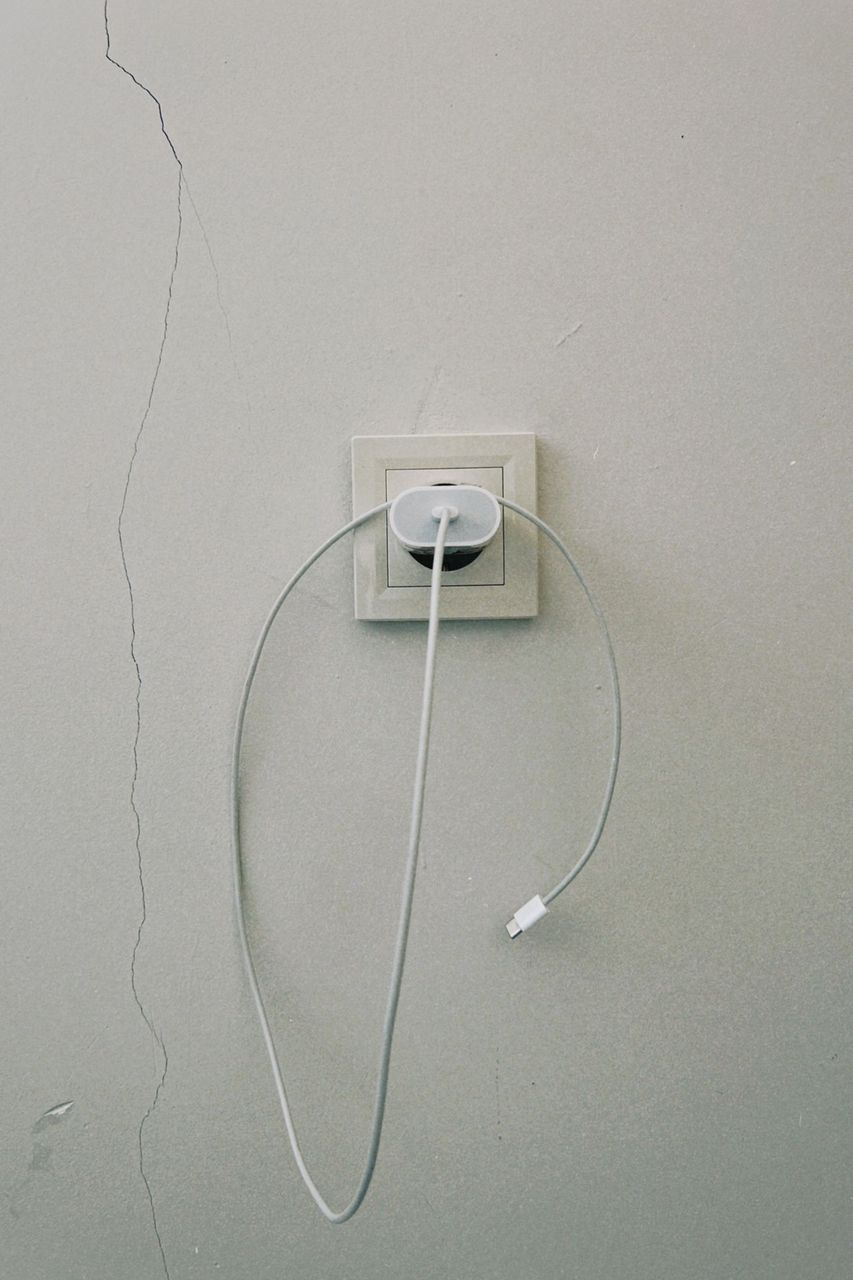
Italy’s electricity is simple once you know three things: the voltage is 230V, the frequency is 50 Hz, and the sockets come in more than one shape. Most visitors only need a cheap adapter, but a few devices, mainly US hair tools, can be damaged if you plug them in without checking. This guide covers what we would pack for any trip, from a weekend in Rome to a month in Puglia. It sits alongside our Italy packing list and Italy travel costs pages.
Voltage and frequency in Italy
Italy runs on 230 volts and 50 Hz, the same as the rest of the EU and the UK. Visitors from the UK, Ireland, Europe, Australia and New Zealand will find their devices compatible, with only the plug shape to solve. North American travellers need to look more carefully, because the US and Canada use roughly 120V at 60 Hz.
Look at the small print on the charger or the back of the device. If it says INPUT 100-240V 50/60Hz, the device is dual-voltage and a plain plug adapter is enough. That covers almost every phone charger, laptop brick, camera charger, e-reader and power bank. If it says only 120V, it will overheat or fail on Italian current.
Italian plug types: C, F and L
Italy officially uses three plug types:
| Type | Description | Where you meet it |
|---|---|---|
| L | Three round pins in a line, either thin (10A) or thick (16A) | The traditional Italian socket, still common in older apartments and hotels |
| F | Two round pins with earth clips on the sides (Schuko) | Fits newer multi-standard sockets and appears in many modern hotels |
| C | Two round pins (Europlug), ungrounded | Fits nearly all Italian sockets, used for phone chargers and shavers |
Many Italian wall plates are bipasso sockets, which accept both the thin type L plug and the Europlug. Some newer ones add a Schuko opening, but not all do. Older recessed sockets in particular can reject a thick-pinned Schuko plug. So if you arrive from Germany or Spain with only a Schuko lead, you might need a small Schuko-to-Italian adapter. They cost a few euros at any ferramenta (hardware shop) or supermarket.
Which adapter to bring from your country
- UK and Ireland (type G): buy a UK-to-EU adapter with two round pins. It fits type C and, in most cases, the thin L socket. A grounded version helps for a laptop.
- USA and Canada (types A and B): buy a US-to-EU adapter. Add a voltage converter only for 120V-only items, though we would leave those at home.
- Australia and New Zealand (type I): use an Australia-to-EU adapter. Your voltage is already close to Italy’s.
- Switzerland (type J): plugs with three round pins do not fit Italian type L directly, so bring a plain adapter.
- Elsewhere in the EU: Europlug and Schuko users usually manage without, but carry a spare.
A single universal travel adapter with a built-in USB-C and USB-A charger is the easiest option; for the rest of your kit, see What to Pack for Italy. We prefer one that covers the UK, EU, US and Australia, since it also suits the next trip.
Tips that save a trip
Check the room before you arrive. Italian bedrooms often have only two or three outlets, and one may sit behind a wardrobe. Bring a short extension lead or a compact multi-socket with a surge protector, plugged into one adapter, so you can charge a phone, camera and watch at once.
Do not run kettles, hair dryers and irons together. Many Italian homes have a contracted power limit of around 3 kW, and the main breaker (the contatore) will trip if you overload it. Holiday apartments are the usual place this happens. If the lights go out, find the fuse box, often near the front door, and flip the main switch back up.
Rented villas and agriturismi. In rural Tuscany and Puglia, the wiring may be older and outlets few. Ask the host how many sockets the bedrooms have, and whether there is a USB charger.
Trains and flights. Frecciarossa and Italo high-speed trains have sockets at most seats, and you should expect a standard Italian or Schuko outlet rather than USB. Regional trains often have none, so charge a power bank beforehand. Airlines vary, so do not rely on a seat outlet on a budget carrier.
Power banks go in hand luggage. Lithium batteries are not allowed in the hold. Keep adapters and chargers in your carry-on too, in case checked bags are delayed.
Buy the adapter at home. Airports at Rome Fiumicino and Milan Malpensa sell adapters, but they cost two or three times more than a supermarket or online price. Bring two so you are never stuck.
Staying connected without extra kit
Charging is only half the problem. Mobile data matters too, and an eSIM saves you from hunting for a shop. See our Italy eSIM guide or compare options in the Italy SIM card guide, or pre-book an Airalo eSIM for Italy before you fly.
Quick checklist before you leave
- Check every charger for 100-240V on the label.
- Pack one or two EU adapters and a short extension lead.
- Leave 120V-only hair tools at home or swap for a dual-voltage model.
- Charge your power bank before the journey and keep it in your cabin bag.
- Carry a spare USB-C cable, since hotel lamps and bedside ports often lack one.
With the kit sorted, the fun part begins. Browse guided tours in Rome for your first day, and keep your phone charged for all the photos.