Most Italy trips go wrong in the same handful of ways: a fine in the post three months later, a sold-out ticket, a train that never leaves, a shuttered restaurant on the one night you booked it. None of these are hard to avoid once you know about them. This page is the “what not to do” companion to our first-time visitor guide, which covers what to do. Read that for the plan and this for the traps.
Planning mistakes
1. Overpacking the itinerary
The classic error is Rome, Florence, Venice, Cinque Terre and the Amalfi Coast in seven days. Add check-in and check-out, station transfers and the inevitable delays, and you spend a large share of the trip with luggage. Plan no more than one base per three nights, and use day trips rather than hotel changes. Our guide to how many days you need in Italy gives realistic numbers, and the one-week and two-week itineraries show paces that work.
2. Booking the Last Supper late
Leonardo’s Last Supper in Milan admits groups of about 30 people for 15 minutes at a time, and tickets sell out months ahead. Turning up expecting a walk-in slot is the surest way to miss it. Book the day sales open for your dates, or take a guided visit with reserved entry if the official slots are gone. Full detail is in our Last Supper tickets guide.
3. Skipping advance tickets for the big sights
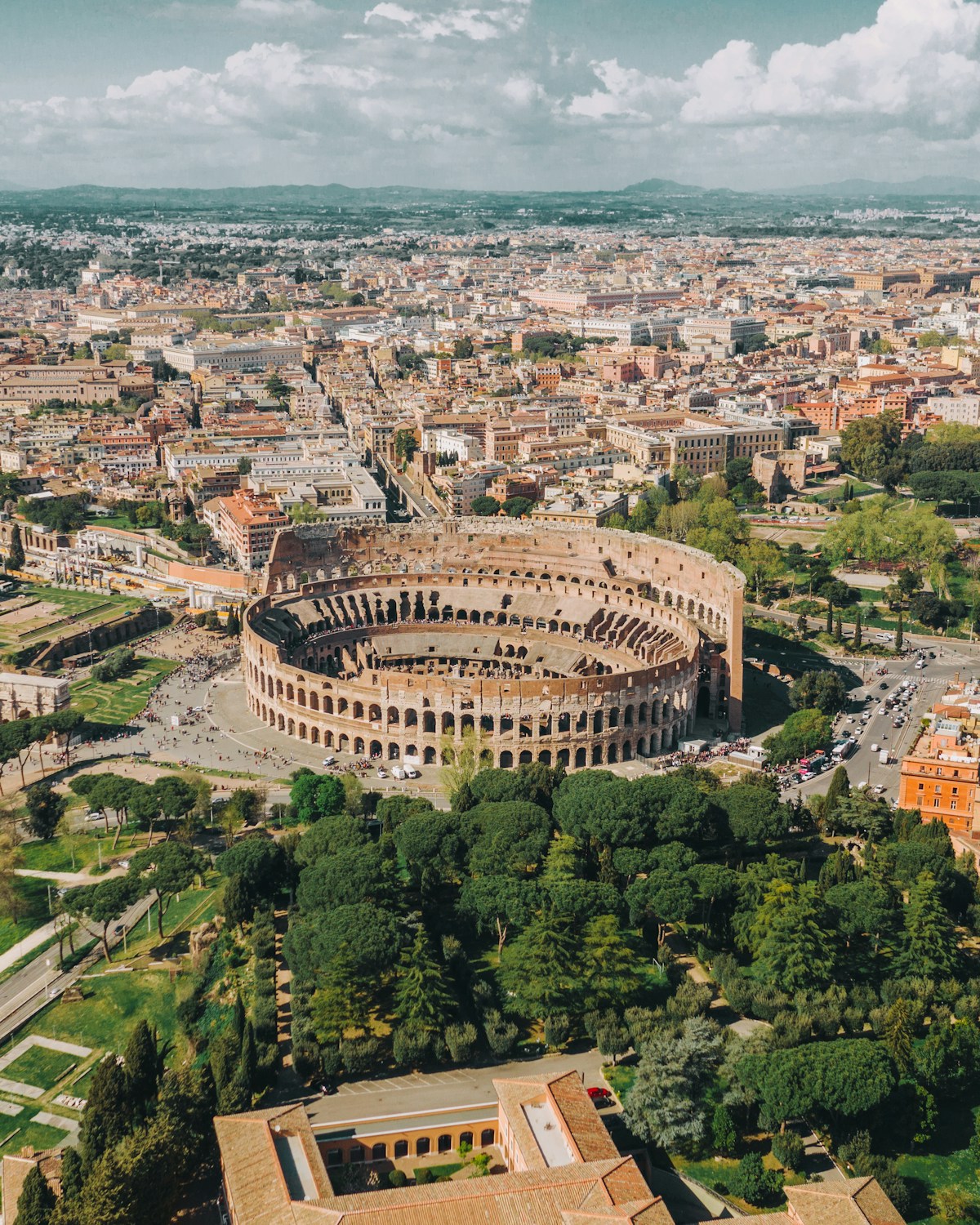
The Colosseum, Vatican Museums, Galleria Borghese and Uffizi all run timed entry. Walk-up queues at the Vatican can reach two to three hours in summer, and Borghese will simply turn you away. Book the official site or a skip-the-line tour a few weeks ahead. See the Colosseum tickets, Vatican tickets and Uffizi tickets pages for prices and booking links. The official Colosseum ticketing is run by CoopCulture and should be your first stop to avoid resale markups.
4. Ignoring Monday and Sunday closures
Many state museums close on Mondays, and in smaller towns most shops shut on Sunday afternoons. Check the weekday of every major sight before you fix your itinerary, rather than discovering it at the door. Italian public holidays close things too, so cross-check them against your dates.
5. Visiting in August without a plan
Ferragosto on 15 August is the peak of the Italian summer holiday. Many local businesses close for the week of 10 to 20 August, the coast is at its busiest and most expensive, and inland heat reaches 35 to 40°C. Museums and tourist-area restaurants stay open, but the neighbourhood trattoria you read about may be dark. Our Italy in August guide explains what shuts, where to go instead and how to book. If you have flexibility, the best time to visit Italy lies in the shoulder months.
6. Missing the Venice day-tripper fee
Venice has charged day visitors an entry fee on designated peak dates (€5 booked at least four days ahead, €10 later in the 2026 season). A sharp rise for 2027 has been proposed but is not confirmed. Check dates and exemptions on our Venice entry fee page before a day trip.
Getting around mistakes
7. Driving into a ZTL
A ZTL (Zona a Traffico Limitato) is a restricted zone in a historic centre. Cameras read your plate at the boundary and the fine, roughly €80 to €330 plus the rental company’s admin fee, arrives by post months later. Entering a ZTL once by accident is easy, and each entrance can count separately. Park outside the centre, ask your hotel to register your plate if it sits inside a zone, and read our ZTL driving zones guide. If you are still deciding whether to drive, renting a car in Italy covers the trade-offs.
8. Renting a car for the big cities
Rome, Florence, Venice, Milan and Naples are far easier without a car. Parking is expensive, ZTLs are everywhere and the trains are fast. Save the rental for Tuscany, Umbria, Puglia or Sicily, and collect it on the day you leave the city, not the day you arrive. Compare car hire in Italy once you know your route.
9. Not validating a paper regional ticket
High-speed tickets and app tickets need no stamping, but paper regional tickets must be validated in the green or yellow machines on the platform before you board. An unstamped ticket can be treated as no ticket, and inspectors rarely accept “tourist” as an excuse. Our train travel in Italy guide explains the difference. The simplest fix is to buy tickets in the Trenitalia or Italo app, or compare both in Omio.
10. Buying high-speed tickets on the day
Frecciarossa and Italo fares work like airline fares. Advance tickets start around €19 on popular routes, while the same seat on the day can cost €70 to €90. Booking two to four weeks ahead on trenitalia.com or Italo saves the most, and it matters most for popular morning departures from June to August. Route guides such as Rome to Florence by train and Venice to Florence by train show typical prices.
11. Not checking for strikes
Italy has frequent transport strikes, usually announced days to weeks ahead. They are normally short, and a protected window runs on weekday mornings and evenings, but a strike on the day of a flight or last train can wreck a plan. Check the official strike calendar at scioperi.mit.gov.it before key travel days, and read how refunds and guaranteed services work in our Italy transport strikes guide. Travel insurance that covers strike disruption is worth a look: see travel insurance for Italy.
12. Taking an unlicensed taxi from the airport
Official taxis are white, carry a licence number on the door and use a meter or a fixed fare. In Rome the fixed fare from Fiumicino to anywhere within the Aurelian Walls is approximately €50 as of 2026. Anyone approaching you in the arrivals hall offering a ride is not a licensed driver. Use the official rank or pre-book a fixed-price transfer. Our Fiumicino airport transfer guide lists every option.
Money and restaurant mistakes
13. Being confused by the coperto
The coperto is a cover charge of about €1.50 to €3 per person that appears on the bill at most sit-down restaurants. It is legal, it should be listed on the menu, and it goes to the restaurant rather than your waiter. It is not a scam, and it is not a tip. Our tipping guide explains how it interacts with service charges and what to leave on top.
14. Over-tipping like you are in the US
Italian waiters are paid a wage, so tipping 18 to 20 per cent is neither expected nor customary. Rounding up or leaving €1 to €2 per person after a good meal is appreciated. Do not tip at the bar for a coffee, and round up a taxi fare to the nearest euro. See the Italy currency and money guide for card and cash norms.
15. Eating at the table beside the monument
Restaurants with photo menus and staff calling you in from the pavement beside the Trevi Fountain, Piazza San Marco or the Pantheon charge more for less. Walk two or three streets away, check that the menu is in Italian first, and look for places full of locals at lunch between 13:00 and 15:00. Dinner rarely starts before 20:00 in the north and 21:00 in the south, so a 19:00 booking puts you in a half-empty room. Our etiquette guide covers meal rhythms and the cappuccino-after-noon question.
16. Relying on cards everywhere
Cards are accepted in cities and tourist areas, but small trattorias, markets and some rural businesses still prefer cash. Carry €30 to €50 in notes as a backup, and use a bank ATM rather than a stand-alone machine that charges high fees. If a terminal offers to convert the charge to your home currency, decline and pay in euros.
Safety and behaviour mistakes
17. Leaving valuables where pickpockets work
Rome’s Line A metro, the Colosseum queue, Trevi Fountain, Florence’s Duomo and Venice’s crowded vaporetto stops are the usual hotspots. The method is almost always distraction. Carry a cross-body bag in front, keep your phone off café tables and use a money belt or front pocket for cards. See our Italy safety guide for city-by-city detail.
18. Ignoring church dress codes
St Peter’s Basilica, the Duomo in Florence and Milan Cathedral all enforce shoulders-and-knees coverage. Staff will refuse entry, and a day of heat is not a good moment to discover it. Pack a light scarf or shirt and check the Italy packing list for the full kit. Our etiquette and customs guide lists more of the unwritten rules.
Quick checklist before you go
- Book Last Supper, Vatican, Borghese, Uffizi and Colosseum slots first, then build the itinerary around them
- Check strike dates and Ferragosto week for your travel days
- Buy trains in the app, not paper tickets, and never drive into a ZTL
- Carry some cash and plan to pay the coperto without worrying about it
- Take out travel insurance and consider an eSIM for the arrival day
With those covered, the rest of the trip is the part you came for. Start with our first-time visitor guide for where to go, and browse Italy tours for skip-the-line options once your dates are fixed.