Italy uses the euro (€) as its official currency, shared with 19 other EU countries. For travellers arriving from outside the eurozone, Italy is straightforward to handle financially — ATMs are everywhere, card acceptance is widespread in cities, and foreign transaction services like Wise have made exchanging money far simpler than it once was.
This guide covers everything you need to manage money confidently in Italy, from which denominations you’ll actually use to tipping etiquette.
Euro Denominations
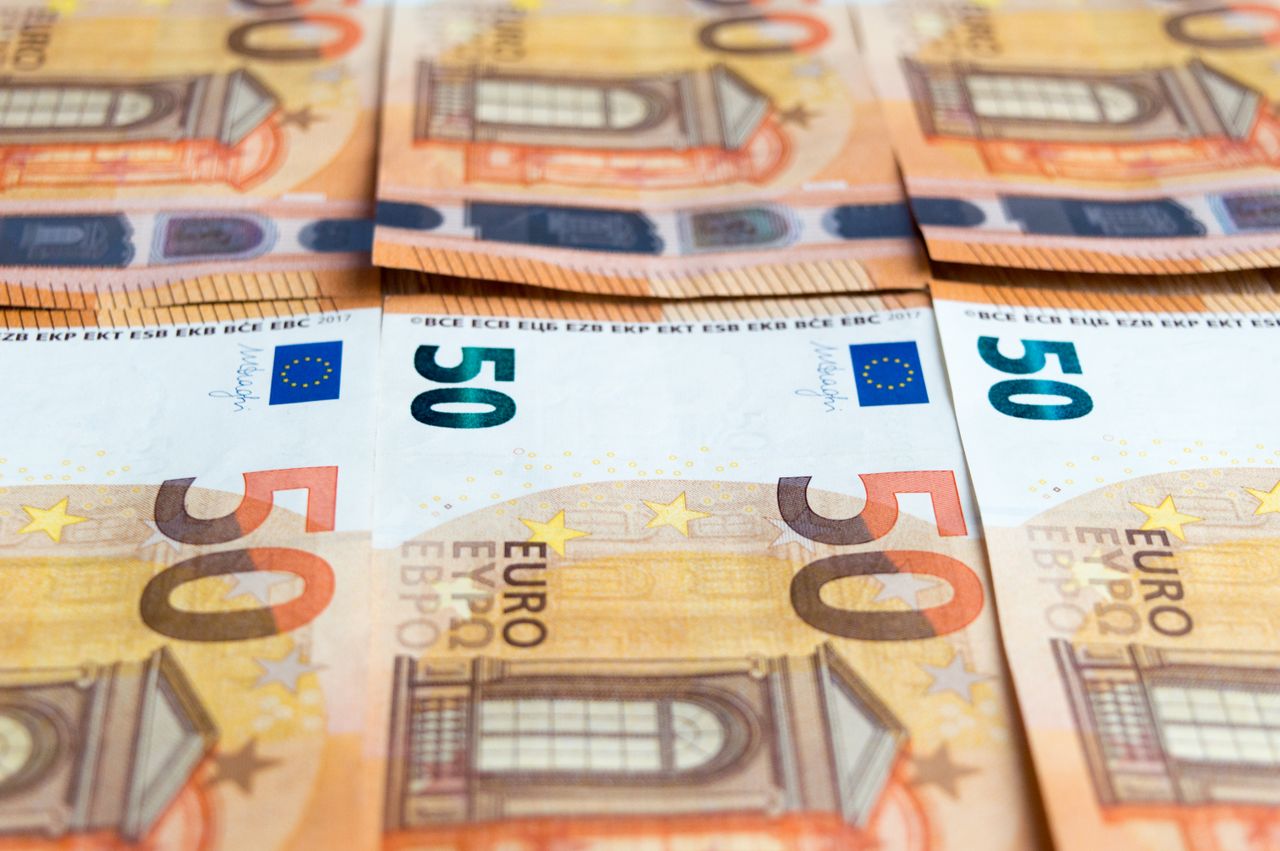
Notes: €5, €10, €20, €50, €100, €200, and €500. In practice, you’ll mostly deal in €5–€100 notes. The €200 and €500 notes exist but are rarely circulated — some shops refuse them. The €50 note is the workhorse of Italian daily spending.
Coins: €2, €1, 50 cents, 20 cents, 10 cents, 5 cents, 2 cents, and 1 cent. Italy still mints 1 and 2 cent coins, though some small shops and bars round prices to the nearest 5 cents in cash transactions.
A note on small change: street vendors, market stalls, and smaller bars appreciate exact change where you can offer it. Handing a €50 for a €2 coffee is technically acceptable, but it can cause friction in busy spots — keep smaller notes and coins handy.
ATMs in Italy (Bancomat)
ATMs — called bancomat in Italian — are found throughout Italy: at airports, train stations, main streets in cities, and most towns of any size. Remote villages may have one or none, so withdraw before you head into rural areas.
How to use them safely:
- Use ATMs attached to or inside banks where possible — standalone machines in tourist hotspots carry a higher skimming risk.
- Always choose to be charged in your home currency by your own bank (decline DCC — Dynamic Currency Conversion — which lets the Italian machine’s bank set the rate, usually to your disadvantage).
- Cover the keypad when entering your PIN, even in good areas.
Fees: Most Italian banks charge a withdrawal fee of approximately €2–5 per transaction. Your own bank may add a foreign transaction fee on top (typically 1–3%). To minimise costs, make fewer, larger withdrawals rather than multiple small ones. Alternatively, a Wise or Revolut card lets you withdraw in euros with no markup on the interbank rate, subject to your monthly free allowance.
Recommended maximum single withdrawal: €250–300 to keep the transaction fee proportionally small.
Where to Exchange Money
If you arrive with another currency, the options are:
Airport exchange desks: Convenient but expensive — margins are often 5–8% above the real rate. Use them only if you need a small float immediately.
Post offices (Poste Italiane): Generally better rates than airport desks. Major post offices in cities offer currency exchange with lower commissions.
Authorised cambio offices in city centres: Rates vary. Always check the total you’ll receive after commission before agreeing. Legitimate offices display their rates visibly — if the rate looks great, check the commission line underneath.
Your bank / travel card at an ATM: The best option for most travellers. Withdraw euros directly using a card that minimises fees.
What to avoid: street touts offering to exchange money, and exchange counters inside tourist shops that advertise “no commission” — the poor rate is the commission.
Are Cards Accepted in Italy?
Card acceptance in Italy has improved substantially in recent years. Since 2023, Italian businesses are legally required to accept electronic payments, though enforcement is inconsistent and some smaller operators still cite technical issues.
Where cards work reliably:
- Supermarkets, pharmacies, and large shops
- Chain restaurants and most mid-range and upscale dining
- Hotels
- Major tourist attractions and museums
- Trenitalia and Italo ticket machines (and their apps)
Where you may need cash:
- Small bars and cafés — some still prefer cash for quick counter transactions
- Rural trattorias and agriturismos
- Local markets and street food vendors
- Smaller guesthouses and B&Bs
- Car parks operated by independent owners
- Some toll booths (though motorway tolls increasingly accept cards)
Visa and Mastercard are accepted almost everywhere that takes cards. American Express is accepted at upscale hotels, luxury shops, and some international restaurants, but not reliably elsewhere. Contactless payments (tap-to-pay) work at most card terminals in cities.
Our recommendation: Carry €50–100 in cash at all times. In Rome, Florence, Milan, and Venice you can largely get by on cards for two or three days without needing to top up. In rural Tuscany, Puglia, or Sicily, cash becomes considerably more important.
Tipping in Italy
Italy does not have a strong tipping culture. Unlike the US, tips are not built into the economic model, and staff are paid a regulated wage. That said, leaving a small tip is appreciated and common among Italians themselves.
Restaurants: A tip of €1–2 per person is a good guideline for a sit-down meal where service was attentive. Some restaurants add a coperto (cover charge, typically €1.50–3 per person) — this covers bread and table service, not the tip. Check your bill for servizio incluso (service included) before adding more.
Bars and cafés: No tip expected, especially for a quick counter espresso. If you’re seated and the waiter brings your drinks, leaving 50 cents to €1 is fine.
Taxis: Round up to the nearest euro, or add €1–2 on a longer fare. Tipping is not obligatory.
Hotel porters: €1–2 per bag is standard.
Tour guides: €5–10 per person for a half-day tour is a generous and appreciated amount, particularly for private guides. Group tour guides: €3–5 per person.
There is no social pressure to tip in Italy. Leave what feels appropriate given the service — Italian etiquette will not judge you harshly for leaving nothing.
Cash vs Card: Practical Summary
| Situation | Recommended |
|---|---|
| Major city restaurants and shops | Card |
| Rural areas and small towns | Cash essential |
| Trains and transport apps | Card |
| Street markets and food stalls | Cash |
| Hotels | Card |
| Taxis | Card or cash |
| Entrance fees (major museums) | Card |
| Small bars and cafés | Cash preferred |
For most Italy trips: Withdraw €100–150 at your first ATM after arriving and replenish as needed. Pair that with a Visa or Mastercard for everything else. If you’re spending significant time in rural areas, keep €150–200 on hand.