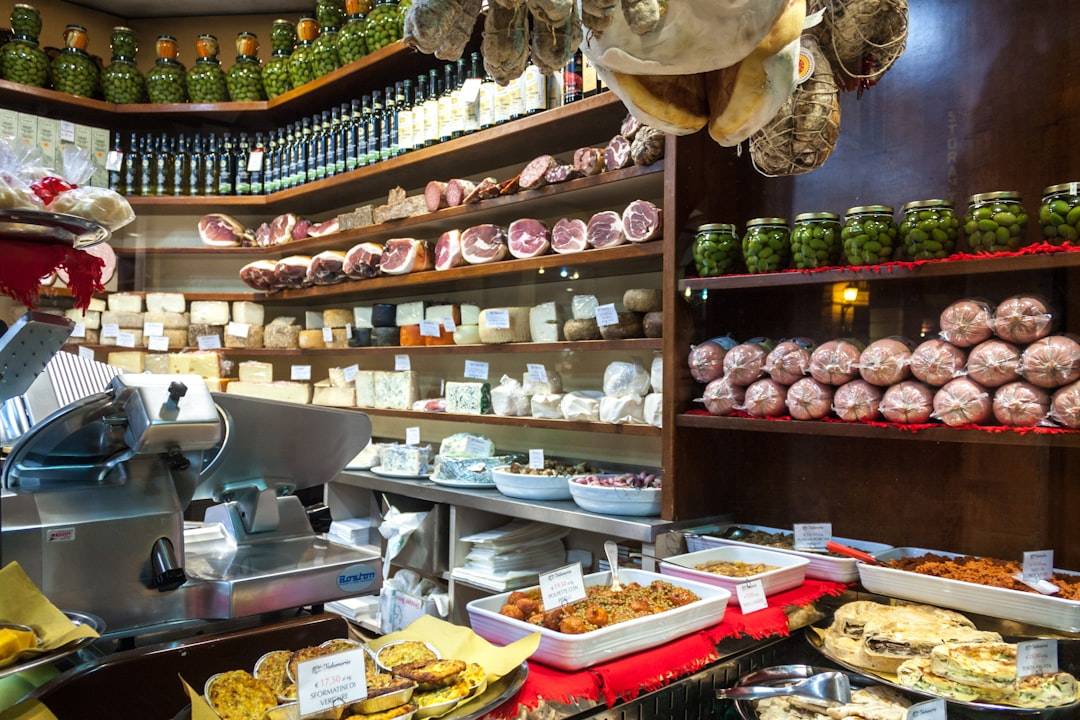
Bologna’s identity in Italian food is unambiguous. This is the city of tagliatelle al ragu (the original, nothing like the Anglicised bolognese), tortellini in brodo, mortadella, salame rosa, and Parmigiano Reggiano. It is “La Grassa” — the Fat One — a nickname worn with pride for centuries. The medieval porticoes are lined with salumerie stacked floor to ceiling with cured meats and aged cheeses. It is, by any measure, one of the worst cities in Italy for a committed vegan to navigate.
And yet.
Bologna is also home to one of Italy’s largest universities (over 80,000 students), a progressive political culture that has earned the city the nickname “La Rossa” (the Red), and a food innovation scene that sits alongside the tradition rather than against it. Dedicated vegan restaurants have opened in the centro storico. Plant-based versions of ragu and lasagne — genuinely good ones — are being made. The city’s extraordinary produce supply from Emilia-Romagna means that even in meat-heavy Bologna, the quality of fruit and vegetables is exceptional. Here is how to eat well here as a vegan.
The counter-narrative: Bologna’s growing plant-based scene
The shift is partly demographic. The University of Bologna draws students from across Italy and Europe, and the student population around Via Zamboni and the Due Torri has created demand for plant-based options that simply did not exist ten years ago. Several of the best vegan restaurants in Bologna are in this university quarter, and they operate at a price point that reflects the student clientele — cheaper than the traditional restaurants of the centro storico.
There is also a cultural factor. Bologna’s food culture values quality of ingredients over convention about what those ingredients should be. The same city that produces Parmigiano Reggiano and Prosciutto di Parma also grows some of Italy’s finest vegetables. The transition from “we use the best local ingredients” to “we use the best local plant-based ingredients” is not as large a conceptual leap as it might appear from outside.
Vegan versions of traditional dishes
Vegan ragu: The defining dish of Bolognese cooking, traditionally made with mixed beef and pork slow-cooked with soffritto, tomato, wine, and a splash of milk or cream. The best vegan versions replace the meat with a combination of lentils, mushrooms (dried porcini for depth), and sometimes walnuts or soy-based protein. The key is the slow cook and the wine — shortcuts produce thin, textureless sauce. Several Bologna restaurants and deli counters now stock fresh vegan ragu.
Vegan lasagne alla bolognese: Made with a plant-based ragu and a vegan bechamel (typically oat milk-based with margarine). The pasta itself is the challenge — traditional fresh Bolognese pasta uses an egg dough (sfoglia), bright yellow from egg yolks. Vegan versions use pasta senza uovo (egg-free pasta), which has a slightly different texture. The best vegan lasagne in Bologna uses house-made egg-free pasta with high-quality plant-based ragu — it takes effort, but the results are genuinely satisfying.
Tigelle with vegetable fillings: Tigelle are small, round, griddle-cooked flatbreads traditional to the Apennine foothills south of Bologna. Typically served split and filled with lard and rosemary, or with cured meats and cheese. Increasingly available with vegetable fillings — roasted peppers, grilled aubergine, marinated courgette. Check that the tigella bread itself contains no strutto (lard) — some traditional recipes include it; modern versions often use oil.
Crescentine (gnocco fritto): Fried dough pillows served warm, typically with cured meats. The dough is sometimes made with lard; some versions use oil. Worth asking before ordering.
Pasta al pomodoro: The simplest pasta, available everywhere. Specify pasta senza uovo (without egg) if you want to avoid egg pasta — this is less commonly available in Bologna than in less traditionally pasta-focused Italian cities, but dedicated vegan restaurants always offer it.
Best vegan and plant-based restaurants
Berberè Bologna (Via Mascarella 35b, university quarter) — Part of the small Italian artisan pizza chain known for sourdough bases and high-quality toppings. The Bologna branch has a strong vegan pizza selection — several options with plant-based cheese or simply topped without dairy (marinara, seasonal vegetable pizzas). Pizzas approximately EUR 10-15 as of 2026. Open for dinner daily, lunch on weekends. The most reliably good pizza for vegans in the centro storico area.
VegOrto (Via della Grada, Porto area) — A fully vegan restaurant and deli counter in the Porto neighbourhood. Fresh pasta senza uovo with vegan sauces including a house lentil-mushroom ragu, seasonal vegetable dishes, and prepared salads. Mains approximately EUR 11-15 as of 2026. The deli counter sells prepared food to take away — useful for self-catering. Open Monday-Saturday for lunch, Friday-Saturday for dinner. One of the few places in Bologna making serious vegan versions of traditional Emilian dishes.
Bontà delle Venezie (Via San Felice 30a, centro storico) — A restaurant with a wide menu that includes genuine vegan options — labelled clearly on the menu, which remains uncommon in Bologna’s traditional restaurants. Good pasta, seasonal vegetables, and a menu that changes based on availability. Mains approximately EUR 12-16 as of 2026. Open for lunch and dinner, closed Sunday.
Il Forno di Sassi (Via Castiglione 3, centro storico) — A bakery and small cafe with excellent bread, plant-based filled focaccia, and seasonal vegetable-based tramezzini. Not a full restaurant, but one of the better stops for a vegan lunch between sights. Sandwiches and focaccia from approximately EUR 4-7 as of 2026. Open daily until mid-afternoon.
Mango Bistro (Via del Pratello 67a, Porto area) — A casual restaurant and cocktail bar in the Via del Pratello social street with a largely plant-based menu. Burgers, wraps, seasonal grain bowls, and weekend brunch. Most dishes are fully vegan or easily made so. Mains approximately EUR 10-14 as of 2026. Popular with the university and young-professional crowd. Open evenings and weekend lunch.
OrtoRotto (Via dell’Indipendenza 52, centro storico) — A restaurant and juice bar on Bologna’s main street with a fully plant-based menu. Salads, raw dishes, cooked grain bowls, and cold-pressed juices. Light meals approximately EUR 9-14 as of 2026. Open for lunch and early dinner. Good for a quick, reliable plant-based meal in the centro storico.
Pizzeria Altero (Via Ugo Bassi 10, centro storico) — A traditional Bolognese pizza-by-the-slice counter with several reliably vegan-topped options — marinara (tomato, garlic, oregano), seasonal vegetable options without cheese. Slices from approximately EUR 3-4.50 as of 2026. Open daily for lunch and afternoon.
Markets and fresh produce
Mercato delle Erbe (Via Ugo Bassi 2, centro storico) — Bologna’s main covered market, housed in a 19th-century structure. Open Monday-Friday 7am-1:30pm and 5-7pm (afternoons for some stalls), Saturday mornings. Produce sellers, bread bakers, a florist, cheese and salumi stalls, and prepared food. For vegans, the produce section is the main draw — Emilia-Romagna vegetables are outstanding. Look for: early-season porcini from the Apennines (August-October), white truffles in season (October-November, expensive), local tomatoes in summer, and the extraordinary range of squash and courgette in autumn.
Quadrilatero market quarter (around Via Pescherie Vecchie and Via Drapperie) — The network of narrow lanes between Piazza Maggiore and Via Rizzoli where Bologna’s specialty food shops are concentrated. This is where the famous salumerie are — Tamburini, Paolo Atti, and others. Most of the quarter is oriented toward traditional Bolognese products (cured meats, cheese, fresh egg pasta). But the vegetable and fruit vendors here sell exceptional local produce, and several modern food shops stock plant-based products alongside the traditional.
Mercato della Terra Slow Food (Piazza VIII Agosto, second Sunday of each month) — Bologna’s Slow Food market, with small producers from across Emilia-Romagna selling direct. Organic vegetables, heirloom grains, artisan bread, preserves. Plant-based produce shopping at its best in the city. Check the current schedule before visiting.
Montagnola Market (Piazza VIII Agosto, Saturday mornings) — Bologna’s large Saturday market, a mix of general merchandise, clothing, and food stalls. The food section has fresh produce at lower prices than the Quadrilatero shops. Open from early morning.
Self-catering and grocery options
NaturaSi (Via Oberdan 6, centro storico) — The Italian organic health food supermarket chain. Stock: plant-based milks, vegan cheese alternatives, tempeh, seitan, organic pasta and grains. Prices higher than conventional supermarkets but product range is the best in the city for vegan-specific items. Open Monday-Saturday.
Esselunga and Conad (multiple locations outside the centro storico) — Mainstream supermarkets with good plant-based milk ranges, tofu, and vegan-labelled prepared foods. Cheaper than NaturaSi for everyday shopping.
Navigating traditional restaurants
Bologna’s traditional restaurants and trattorias (the osterie of the university quarter and beyond) are not designed for vegan diners. But several strategies help.
Ask for pasta senza uovo: Most traditional trattorias use fresh egg pasta. Asking for pasta senza uova (without eggs) may result in a simple dried pasta option — penne or rigatoni al pomodoro. Not traditional, but better than eating egg pasta or nothing.
Contorni (side dishes) are your friend: Most traditional Bolognese restaurants serve excellent vegetable side dishes — grilled or roasted seasonal vegetables, fagioli (beans) in season, insalata. A meal built around contorni and bread, with a glass of Sangiovese, is a perfectly respectable way to eat in a traditional trattoria.
The Emilian vegetable season: Emilia-Romagna produces outstanding vegetables from the Po Valley flatlands. Late summer and autumn are the best seasons — tomatoes, peppers, aubergine, squash, and porcini mushrooms from the Apennine slopes south of the city. Traditional restaurants often have a genuine seasonal vegetable focus in these months.
Ask directly: “Avete opzioni vegane?” (Do you have vegan options?) is understood across Bologna’s restaurants. Some will adapt dishes on request; others won’t. It is worth asking.
The university quarter for plant-based eating
The area around Via Zamboni, Via delle Belle Arti, and the Due Torri towers is where Bologna’s student population concentrates. The restaurants and cafes here are cheaper, more internationally minded, and more likely to offer plant-based options than the traditional trattorias of the historic centre.
Several of the restaurants listed above are in or near this area. It is also where you will find the city’s best value for plant-based eating — EUR 10-12 for a full vegan meal is realistic here, compared to EUR 14-18 at more central or tourist-oriented venues.
Wine in Bologna
Bologna’s natural wine scene has grown significantly in recent years. The city is surrounded by the Emilia-Romagna DOC zones — Sangiovese di Romagna, Pignoletto, Lambrusco, and Albana di Romagna. Most wines in the region are vegan by default (fining with bentonite rather than gelatin or egg white), but it is worth asking at specialist wine bars.
Via del Pratello has several natural wine bars and enotecas that serve good plant-based snacks alongside the wine. Enoteca Italiana (Via Marsala 2b) has an extensive Italian wine list and knowledgeable staff.
Plan your trip:
- Browse food tours and experiences in Bologna
- Get travel insurance for your Italy trip
- Pick up an eSIM for Italy
For the full Bologna context: Bologna travel guide covers the porticoes, the Piazza Maggiore, and the university quarter. For the broader Italian vegan picture — which dishes are naturally plant-based and Italian phrases to use at restaurants: vegan Italy guide. For vegan eating in other Italian cities: vegan guide to Rome, vegan guide to Milan, vegan guide to Florence, vegan guide to Naples, vegan guide to Venice.
Browse hotels in Bologna - the university district around Via Zamboni has good access to Bologna’s vegan-friendly cafes and restaurants.