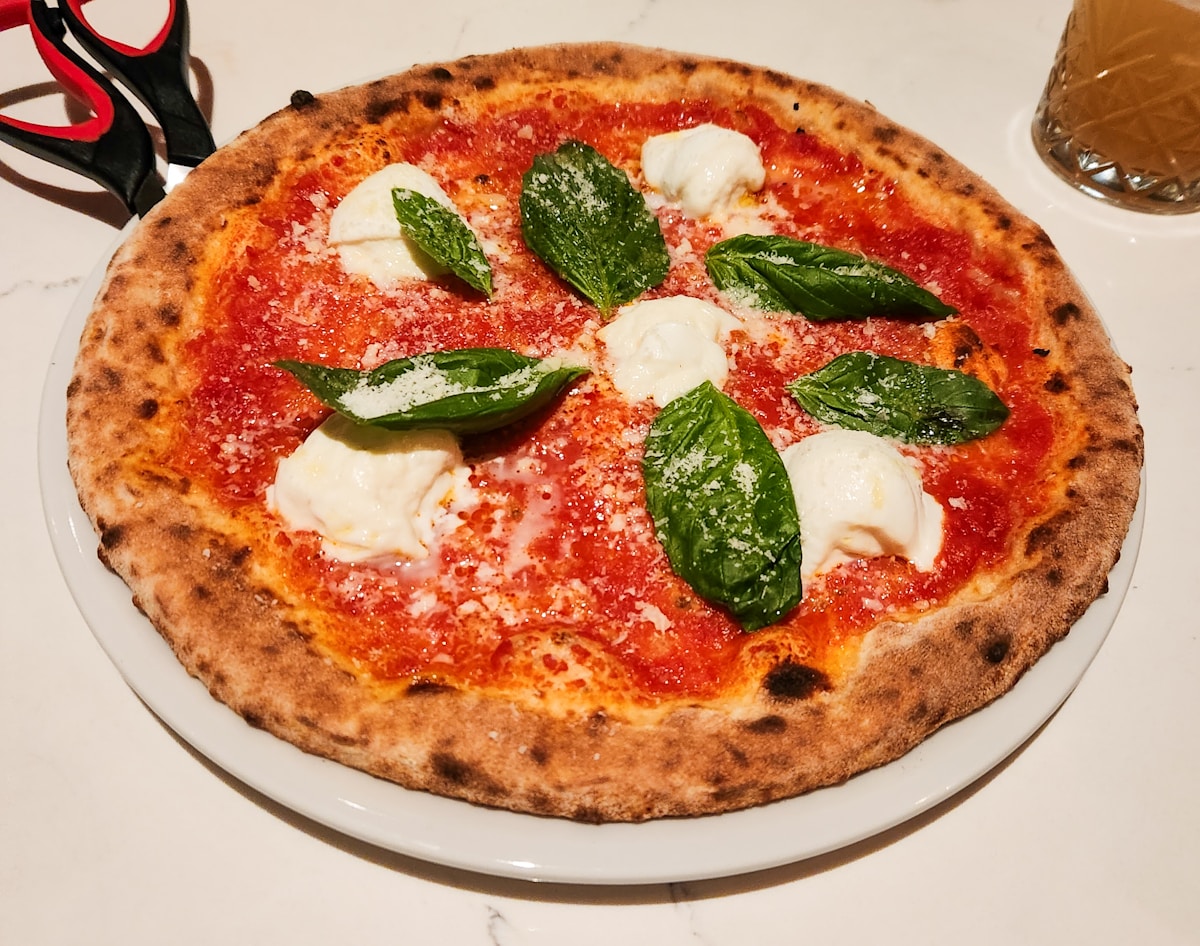
Florence and Tuscany have a strong tradition of cucina povera - peasant cooking that relies on beans, vegetables, bread, and olive oil as much as meat. Many of the region’s most characteristic dishes are naturally vegan or easily adapted. The city also has a growing dedicated vegan restaurant scene concentrated in the Oltrarno and San Lorenzo areas.
Naturally vegan Tuscan dishes
Ribollita - the Tuscan bread soup: cannellini beans, cavolo nero (black kale), stale bread, carrot, celery, onion, tomato, olive oil. Traditionally cooked, refrigerated, and “reboiled” (hence the name) the next day, which intensifies the flavour. One of the great Italian winter dishes. Occasionally finished with Parmesan - ask for it without.
Panzanella - a summer salad of day-old bread, tomatoes, cucumber, red onion, basil, olive oil, and red wine vinegar. Intensely flavoured despite its simplicity. Vegan by nature.
Fagioli all’uccelletto - white cannellini beans cooked with sage, garlic, and tomato in olive oil. A Florentine staple. Vegan.
Pappa al pomodoro - tomato and bread soup. Tomatoes, stale bread, garlic, basil, olive oil. Summer comfort food. Usually vegan.
Crostini di pomodoro - grilled bread with fresh tomato, garlic, and olive oil. The basic bruschetta.
Insalata di farro - salad with farro (spelt), vegetables, olive oil. Found at markets and delis.
Torta di verdure (Lucca/Liguria border) - a savoury pie filled with vegetables and wild greens. Sometimes made with eggs; a vegan version uses only greens and olive oil.
What to avoid
Florentine cuisine has a strong offal tradition - lampredotto (tripe), ribollita with lard, and the famous bistecca alla Fiorentina (the T-bone steak, minimum 600g, cooked rare). The Florentine butcher culture is deep-rooted.
Pasta in Florence is often egg-based (pici, pappardelle, tagliatelle all’uovo). Dried pasta is usually safe; fresh pasta is usually not.
Vegan-friendly areas
Oltrarno: The south bank of the Arno is Florence’s most alternative neighbourhood. The highest concentration of vegan-friendly cafes and restaurants, particularly in the area between Piazza Santo Spirito and Porta Romana.
San Lorenzo market area: The Mercato Centrale (covered market) has produce stalls on the ground floor - excellent for self-catering. Several eating options in the upstairs food hall with plant-based choices.
Around the university: The area between Sant’Apollonia and the Accademia has student-oriented cafes and restaurants with vegan-friendly options.
Florentine market eating
The Mercato Centrale (central market, Via dell’Ariento) has a ground floor of fresh produce stalls and an upstairs food hall. The produce floor is one of the best places to assemble a picnic or self-cater: local olive oil, bread, tomatoes, Tuscan vegetables. The Florentine street food tradition - tripe sandwiches, lampredotto - is not vegan, but the market also has fruit and vegetable stalls.
The Mercato di Sant’Ambrogio (Piazza Ghiberti, east of the centre) is more local-oriented than Mercato Centrale with better prices.
Practical tips
- Gelato: look for sorbetto (sorbet) - nearly always vegan. The pistachio and lemon varieties are particularly good.
- Most Florence restaurants understand the word “vegano” - the city’s international visitor base means dietary accommodation is more common than in smaller Tuscan towns.
- For a full Tuscan experience: book a cooking class focused on Tuscan vegetable dishes - several Florence schools offer plant-based variants of the traditional ribollita/panzanella/fagioli curriculum.
Best vegan and vegan-friendly restaurants
Brac (Via dei Vagellai 18r, near Santa Croce) - A bookshop-restaurant with a strong plant-based menu. Creative vegan dishes using Tuscan seasonal ingredients - grain salads, vegetable tarts, vegan pasta. Mains approximately €12–16 as of 2026. The art-filled interior and literary atmosphere make it one of the most pleasant dining experiences in Florence. Open daily for lunch and dinner.
Il Vegetariano (Via delle Ruote 30r, near San Marco) - One of the oldest vegetarian restaurants in Florence, operating since 1981. Self-service format with daily-changing dishes. Approximately 80% of the menu is vegan. Full meal approximately €10–14. Cash only. Open for lunch and dinner, closed Sunday. The best-value plant-based dining in the city.
Carduccio (Via dei Cardatori 7r, near Santa Croce) - A small restaurant with a menu that’s largely vegan and organic. Seasonal Tuscan ingredients prepared without animal products. Mains approximately €10–14. Open for lunch only, closed Sunday.
Universo Vegano (Via delle Terme 23r, Centro Storico) - A fully vegan fast-food-style restaurant near the Ponte Vecchio. Burgers, wraps, and bowls - all plant-based. Mains approximately €8–12. Open daily.
La Raccolta (Via Giacomo Leopardi 2r, near Sant’Ambrogio) - A health-food shop and cafe with a fully vegan lunch buffet (pay by weight). Fresh salads, grains, cooked vegetables, soups. Approximately €8–12 for a filling lunch. Open Monday–Saturday for lunch.
Shake Cafe (Via degli Avelli 2r, near Santa Maria Novella) - A health-food cafe with smoothie bowls, acai bowls, and plant-based lunch options. Smoothies approximately €5–7, bowls approximately €8–10. Open daily.
For a guided experience of Florence’s plant-based scene, consider joining a food tour of Florence that covers the Oltrarno market stalls, local vegan restaurants, and the Tuscan ingredients behind naturally vegan dishes like ribollita and panzanella.
Plan your trip:
- Browse food tours and walking tours of Florence
- Get travel insurance for your trip
- Pick up an eSIM for Italy
Ordering vegan at traditional restaurants
Most Florentine trattorias can accommodate vegan requests with advance notice. The key phrases: “Sono vegano/vegana” (I am vegan - masculine/feminine), “Senza formaggio, senza uova, senza burro” (without cheese, eggs, butter). Dishes that are typically safe: pasta with tomato sauce (pasta al pomodoro - confirm no butter is added), bruschetta with tomatoes, grilled vegetables (verdure grigliate), white bean soup (zuppa di fagioli - confirm no meat stock). The Tuscan olive oil tradition means many dishes that would use butter in northern Italy are made with olive oil here - an advantage for plant-based eaters.
Browse hotels in Florence — the Oltrarno neighbourhood has the best concentration of plant-based restaurants and is well-connected to the historic centre.
For the full Florence context: Florence travel guide covers the Uffizi, Duomo, and neighbourhoods. For Tuscan food - what’s naturally vegan and what to watch for: Tuscan food guide covers ribollita, panzanella, and the olive oil tradition. For the broader Italian vegan picture: vegan Italy guide. For vegan eating in other Italian cities: vegan guide to Rome, vegan guide to Milan, vegan guide to Naples.