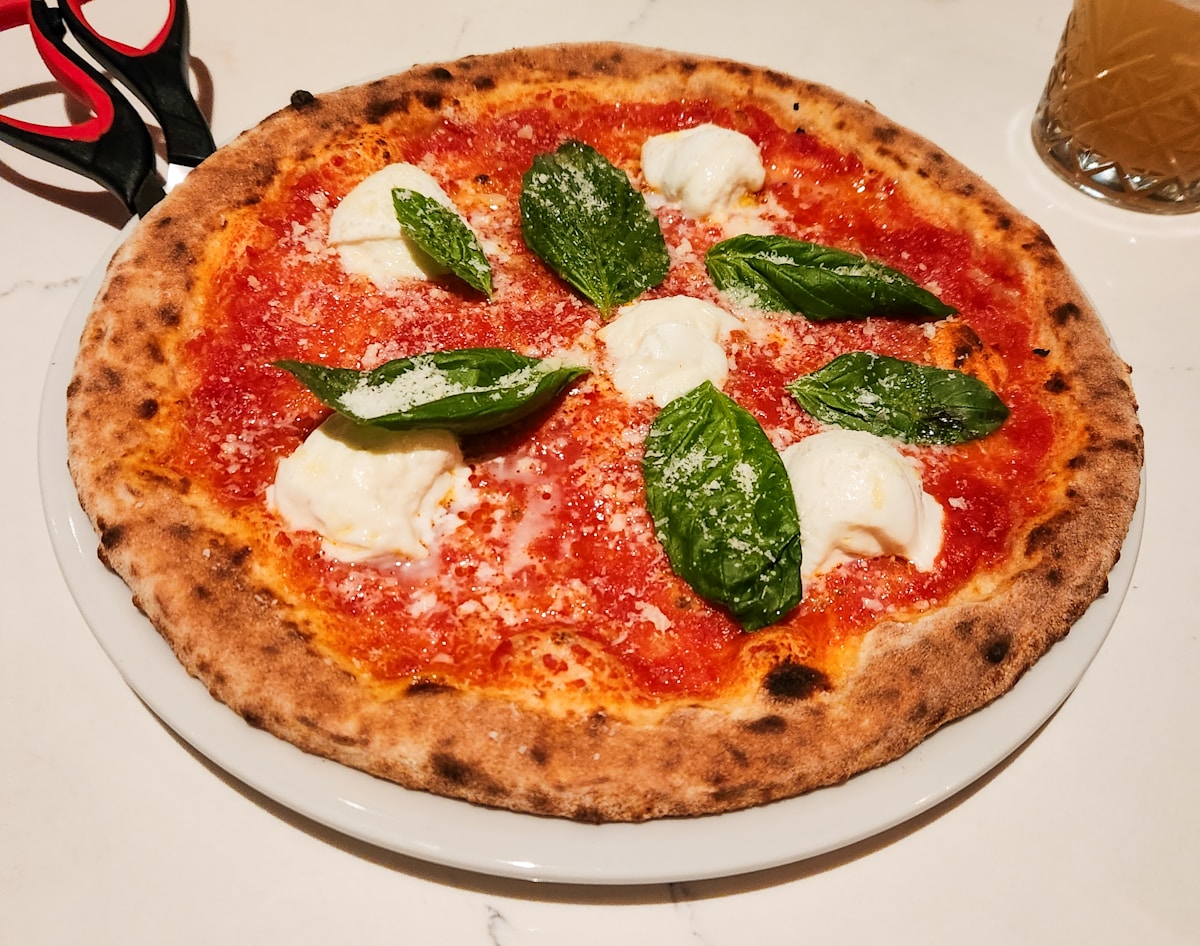
Rome’s traditional cuisine is among the most meat-and-cheese-forward in Italy - carbonara, cacio e pepe, amatriciana, coda alla vaccinara (oxtail), trippa alla Romana. But Rome is also a cosmopolitan city of 2.8 million people with a growing plant-based food culture, and a base of traditional Roman dishes that happen to be naturally vegan.
Naturally vegan Roman dishes
Carciofi alla giudia (Jewish-style artichokes) - artichokes deep-fried in olive oil until the outer leaves are crispy and the inner flesh is soft. The defining dish of Roman-Jewish cooking, traditionally spring-only (artichoke season). Often topped with salt and lemon; check for butter basting.
Carciofi alla Romana - braised artichokes with garlic, mint, and olive oil. Usually vegan.
Pasta al pomodoro - the simplest pasta. Tomato, garlic, basil, olive oil. Standard and vegan.
Bruschetta al pomodoro - grilled bread, garlic, tomato, olive oil.
Panzanella - available in many Roman restaurants in summer.
Vignarola - Roman spring vegetable stew: peas, artichokes, broad beans, spring onions in olive oil. A seasonal spring dish that appears in April–May.
Pasta e ceci - pasta with chickpeas. Olive oil-based; check for pancetta.
Supplì al telefono - Roman fried rice balls are traditionally made with meat ragù and mozzarella. Not vegan. But some modern Roman restaurants make vegan versions.
What to avoid
Roman cuisine uses guanciale (cured pork cheek) extensively - in carbonara, amatriciana, and gricia. These are not vegan. Pecorino Romano is the standard grating cheese. Lard is used in some traditional Roman baked goods.
The seafood of the Roman coast (sea bream, sea bass, clams) is also widely eaten in Rome - pescatarian but not vegan.
Areas with good vegan options
Trastevere: The neighbourhood with the highest concentration of vegan and vegetarian-friendly restaurants. Several dedicated vegan restaurants in the lanes off the main piazza.
Pigneto: Rome’s alternative neighbourhood (east of the centre) has a strong vegan café and restaurant scene. Good for a full day of working and eating.
Prati: The neighbourhood near the Vatican has several plant-based restaurants catering to international visitors.
Testaccio: Rome’s old slaughterhouse quarter - the historic home of offal cooking. Harder for vegans, but the Testaccio market sells excellent fresh produce.
Practical tips for vegan eating in Rome
- Artichoke season (March–May): The best time to eat naturally vegan in Rome. Artichokes are everywhere.
- Jewish Ghetto: The Roman-Jewish cuisine has several naturally vegan dishes (artichokes, vegetable soups, fried courgettes). The Portico d’Ottavia area.
- Pizza by the slice (pizza al taglio): Several Roman pizza al taglio shops offer vegan toppings on request.
- The word “vegetariano” on a menu doesn’t mean vegan in Italy - check for eggs and dairy.
- Supermarkets near tourist areas (Conad, Carrefour, Esselunga) stock plant-based milks, tofu, and vegan convenience food.
Best vegan and vegan-friendly restaurants
Romeow Cat Bistrot (Via Francesco Ferruccio 28, San Giovanni) - A vegan restaurant and cat cafe. Creative plant-based dishes with Italian and international influences. Mains approximately €12–16 as of 2026. The brunch menu (weekends) is particularly good. Open for lunch and dinner, closed Monday. One of Rome’s most established vegan restaurants.
Ops! (Via Bergamo 56, Prati, and other locations) - A fully vegan buffet restaurant where you pay by weight. Wide variety of salads, grains, pasta, soups, and cooked vegetables. Approximately €10–15 for a generous plate. Open daily for lunch and dinner. The most practical option for vegan travellers who want variety and good value.
Buddy (Via della Pelliccia 44, Trastevere) - A vegan restaurant in Trastevere with creative Italian-inspired dishes. Pasta, pizza with vegan mozzarella, and seasonal vegetable plates. Mains approximately €12–15. Open for dinner only, closed Tuesday. Reservations recommended for weekends.
Grezzo Raw Chocolate (Via Urbana 130, Monti) - A raw vegan chocolate shop and cafe. Raw cakes, truffles, and desserts - all vegan and unprocessed. Desserts approximately €5–8. Coffee and smoothies available. Open 10am–8pm daily. Worth visiting even if you’re not fully vegan - the raw chocolate is extraordinary.
Il Margutta (Via Margutta 118, near Piazza di Spagna) - Rome’s oldest vegetarian restaurant (since 1979), now with a strong vegan menu. Elegant setting on one of Rome’s prettiest streets. Tasting menus approximately €45–55 per person with several vegan options. A la carte mains approximately €16–22. Reservations recommended. Open daily.
Bonci Pizzarium (Via della Meloria 43, near the Vatican) - Not a vegan restaurant, but the best pizza al taglio (pizza by the slice) in Rome, and they always have several vegan-topped slices available - marinara, vegetable-topped options without cheese. Slices from approximately €3–5 by weight. Open 11am–10pm, closed Sunday.
Alternatively, for a guided introduction to Rome’s vegan scene, consider joining a plant-based food tour of Rome - local guides often lead dedicated vegan walking tours of Trastevere and the Jewish Ghetto, combining restaurant visits with market exploration.
Plan your trip:
- Browse food tours and walking tours of Rome
- Get travel insurance for your trip
- Pick up an eSIM for Italy
Markets and self-catering
The Testaccio Market (Piazza Testaccio) has excellent produce stalls - seasonal fruit, vegetables, Lazio olive oils. Open Monday–Saturday 7am–3:30pm. The Mercato Trionfale (Via Andrea Doria, Prati) is the largest market near the Vatican with a wide produce selection. The Farmer’s Market at Circo Massimo (Via di San Teodoro) runs on weekends - organic produce direct from Lazio farms.
For everyday shopping, Conad, Carrefour, and NaturaSi (health food chain) stock plant-based milks, vegan cheese, tofu, tempeh, and prepared vegan meals. NaturaSi has locations in Trastevere (Via della Scala) and near Termini.
Browse hotels in Rome — Trastevere and Pigneto have the densest concentration of vegan-friendly restaurants and the best base for plant-based eating in the city.
For the full Rome context: Rome travel guide covers the historic centre, entry fees, and neighbourhoods. For Roman food broadly - the five pastas, Jewish-Roman cooking, and Testaccio: Roman food guide. For the broader Italian vegan picture - which dishes are naturally plant-based and Italian phrases to use: vegan Italy guide. For vegan eating in other Italian cities: vegan guide to Milan, vegan guide to Florence, vegan guide to Naples.