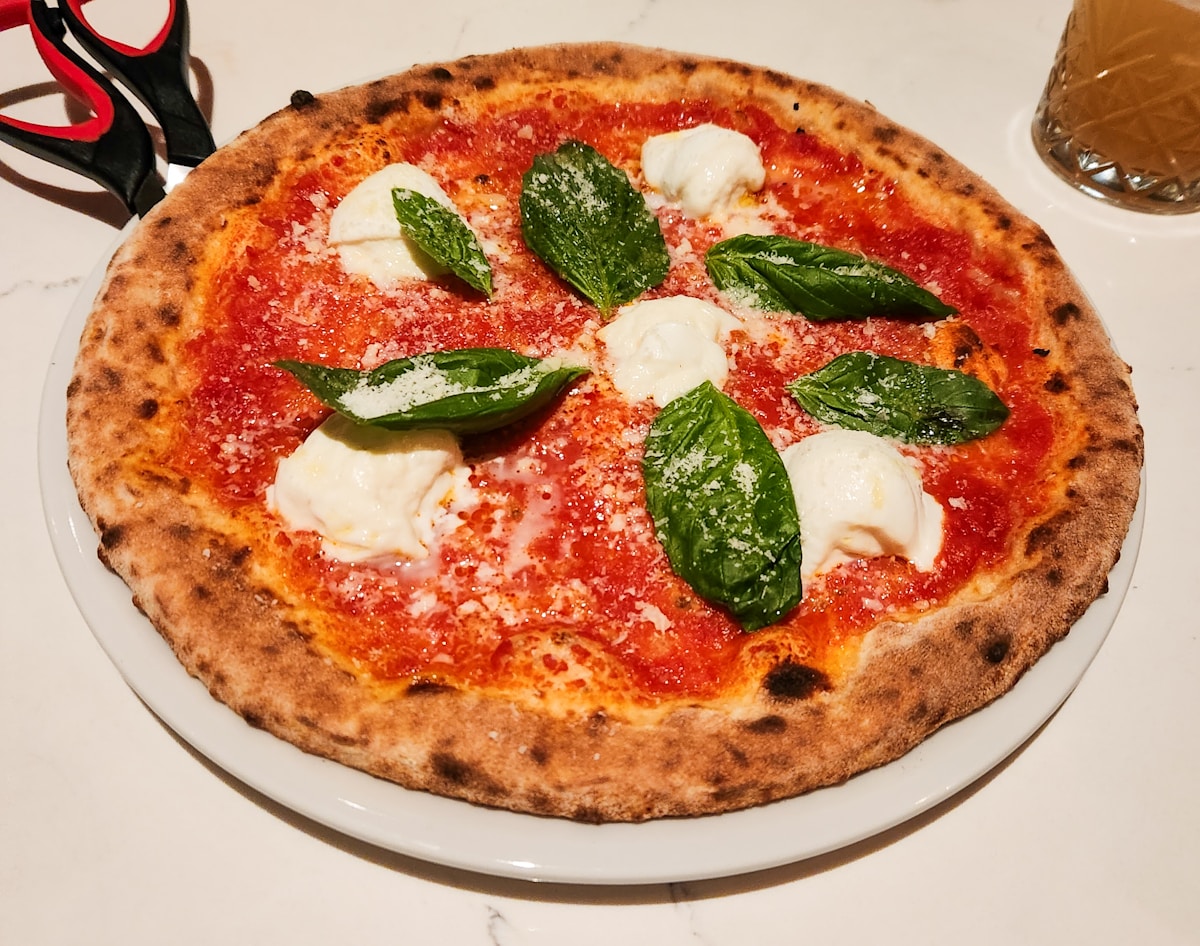
Italy is often considered difficult territory for vegans - a culture built on prosciutto, parmigiano, mozzarella, and carbonara. In practice, it’s more nuanced. Italian cuisine has always had a strong tradition of vegetable and legume-based dishes, particularly in the south and in poorer cooking traditions. Vegan options have expanded significantly in Italian cities over the last decade. Understanding the landscape makes it much more navigable.
The naturally vegan Italian dishes
Several classic Italian dishes are naturally vegan or easily vegan:
Pasta e fagioli (pasta with cannellini beans) - a staple throughout the country. Usually made with vegetable broth and olive oil; check that there’s no pancetta added.
Pasta al pomodoro (pasta with tomato sauce) - the simplest Italian pasta. Olive oil, tomato, garlic, basil. Usually vegan as long as no butter or Parmesan is added at the end.
Cacio e pepe - not vegan (Pecorino Romano cheese), but a useful example of a simple pasta that is clearly dairy-based.
Focaccia - Ligurian focaccia is made with olive oil, not butter. Usually vegan.
Pizza marinara - tomato, garlic, oregano, olive oil. No cheese. The only vegan pizza in the traditional canon.
Ribollita - the Tuscan bean and vegetable bread stew. Traditionally vegan (though sometimes finished with Parmesan); the base is olive oil, bread, cannellini beans, cavolo nero, carrot, celery, onion.
Panzanella - Tuscan bread and tomato salad. Olive oil, tomato, cucumber, bread, basil. Vegan.
Caponata (Sicily) - sweet and sour aubergine stew with olives, capers, celery. Naturally vegan.
Cime di rapa (turnip tops) - sautéed with olive oil, garlic, and chilli. Standard throughout Puglia and widely available.
Grilled and roasted vegetables (verdure alla griglia/al forno) - standard antipasto throughout Italy. Check for dairy or anchovy-based dressings.
Bruschetta al pomodoro - grilled bread rubbed with garlic, topped with tomato and olive oil. Usually vegan.
What to watch for
Hidden anchovy: In Italian cooking, anchovy is used as a flavour base more than a main ingredient - it’s used in pasta sauces, in gremolata, in some salad dressings, and in the base of various Ligurian and Sicilian dishes. If in doubt, ask: “C’è acciuga in questo piatto?” (Is there anchovy in this dish?)
Parmesan and Pecorino: Used liberally as a finish on pasta and risotto. Ask for pasta senza formaggio (without cheese).
Lard (strutto): Traditional Italian baking uses lard in bread and pastry. Less common than it was, but still present in some regional bakeries.
Egg pasta: Most fresh pasta in the north is made with eggs (pasta all’uovo). Dried pasta is generally egg-free - but check.
Key Italian phrases
- “Sono vegano/a” - I’m vegan
- “Senza carne, pesce, latte, uova, o formaggio” - without meat, fish, milk, eggs, or cheese
- “C’è qualcosa vegano nel menu?” - Is there anything vegan on the menu?
- “Può preparare questo piatto senza [ingrediente]?” - Can you prepare this dish without [ingredient]?
Cities by vegan-friendliness
Milan: The most developed vegan scene in Italy. Dedicated vegan restaurants in every neighbourhood; mainstream restaurants with clearly marked vegan options. The Isola and Navigli areas have the highest concentration.
Bologna: University city with a growing vegan scene. Several dedicated vegan and vegetarian restaurants. The market culture (Quadrilatero) makes fresh produce accessible.
Rome: Large city with increasingly good vegan options, particularly in Trastevere, Pigneto, and the Prati neighbourhood. The Termini area has several vegan restaurants for convenience.
Florence: More limited than Milan or Rome but improving. The Oltrarno neighbourhood has the best options.
Naples: Improving but traditionally very meat and dairy-forward. The traditional Neapolitan diet - while historically poor - relies heavily on cheese (mozzarella, fior di latte, Parmesan). Pizza marinara is available everywhere and excellent.
Venice: Limited vegan-specific restaurants; rely on the naturally vegan Venetian vegetable and legume dishes and rice-based options.
Palermo: The street food is often not vegan (arancini have meat or cheese, sfincione has anchovy), but the market produce is extraordinary and caponata is ubiquitous. Eating vegan requires more navigation here than in northern cities.
For a guided introduction to vegan eating across Italian regions, food tours and cooking classes across Italy can provide hands-on experience with naturally plant-based dishes like ribollita, pasta e fagioli, and caponata, plus access to local markets where you’ll find seasonal produce.
Plan your trip:
- Browse food tours and cooking classes across Italy
- Get travel insurance for your trip
- Pick up an eSIM for Italy
- Search flights to Italy
Practical tips
- Supermarkets throughout Italy stock plant-based milk (latte di soia, di mandorla, di avena - soy, almond, oat) in all major chains.
- Street markets (Mercato Centrale in Florence, Porta Palazzo in Turin, Ballarò in Palermo) have the best fresh produce for self-catering.
- The phrase “menu del giorno” (menu of the day) is often restricted options; a la carte gives more control.
- Italian gelato is often made with milk and eggs; sorbetto (sorbet) is nearly always vegan.
Browse hotels across Italy — Rome, Milan, Florence, and Naples have the widest plant-based dining options; city-centre hotels place you closest to dedicated vegan restaurants.
For city-specific vegan restaurant guides: vegan guide to Rome, vegan guide to Florence, vegan guide to Milan, vegan guide to Naples. For understanding the food context of each region - which dishes are traditionally plant-based and which ones to watch out for - our regional food guides help: Tuscan food guide, Neapolitan food guide, Pugliese food guide, Sicilian food guide.