Syracuse packs Greek theatre, Baroque lanes and sea views into a city you can cover on foot. This page is the practical list: what to see, in what order, and how long each stop takes. For orientation, getting there and where to base yourself, start with our Syracuse travel guide.
Ortigia: a Half-Day Walking Route
Start at the Ponte Umbertino bridge and follow Corso Matteotti to Piazza Archimede, a small square with a fountain, then continue to the cathedral. The loop below takes about 3 hours with stops.
- Piazza del Duomo (30-45 minutes). The cathedral’s Baroque facade conceals the Doric columns of the Temple of Athena inside. Entry is a few euros (approximately €2-5 as of 2026; check current price). Across the square, Santa Lucia alla Badia is associated with Caravaggio’s Burial of Saint Lucy.
- Fountain of Arethusa (15 minutes). A freshwater spring beside the sea with papyrus plants and ducks. Free.
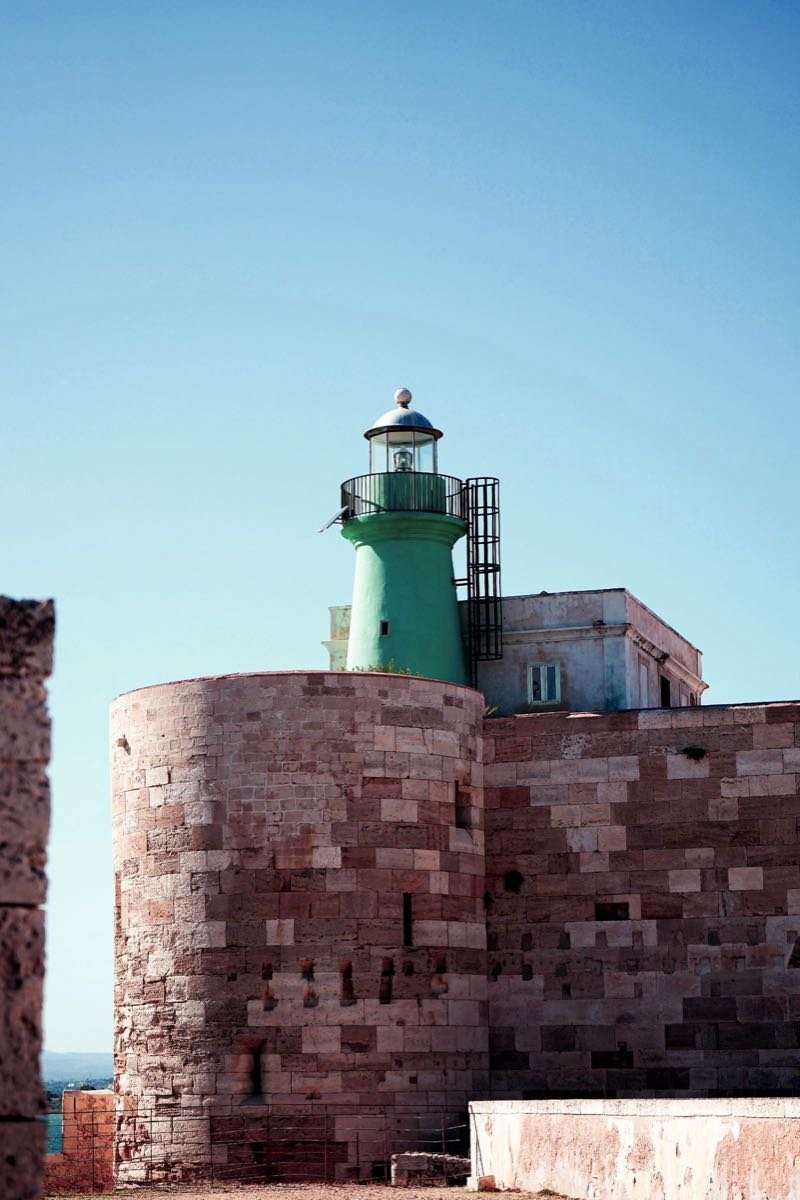
- Lungomare di Levante and Castello Maniace (45 minutes). Walk the seafront south to Frederick II’s 13th-century fortress at the island’s tip. Entry approximately €4 as of 2026. The green lighthouse on the walls is the island’s best-known landmark.
- Via della Maestranza and the Giudecca (30 minutes). The old Jewish quarter and the best streets for wandering, with its small workshops and bars.
- Mercato di Ortigia (45 minutes). On Via de Benedictis in the morning, the market sells cheese, olives, cured meats, fish and produce. Order a sandwich built to your own spec at one of the stalls, which is the cheapest good lunch on the island.
To get more from this circuit with a guide, see our best tours in Syracuse or compare Ortigia walking tours.
Neapolis Archaeological Park (2-3 hours)
The park is about 2 km from the bridge to Ortigia on the mainland, and is best visited early. Highlights:
- Greek Theatre, cut from the rock in the 5th century BC and among the largest in the Greek world. Classical plays run here in late spring.
- Ear of Dionysius, a tall limestone cavern in the Latomia del Paradiso whose acoustics amplify voices.
- Roman Amphitheatre, 2nd century AD, built for gladiator games.
- Altar of Hieron II, a huge 3rd-century BC sacrificial platform.
Bring water, a hat and sun cream; there is little shade. Look at the UNESCO listing for Syracuse and Pantalica{target=“_blank”} for the site’s history. Next to the park is the Paolo Orsi Archaeological Museum, worth an hour on a rainy or very hot day.
More Things to Do
- Catacombs of San Giovanni: some of the largest early Christian catacombs in Sicily, visited by guided tour; book ahead in peak season.
- Boat trip round Ortigia: short sea cave and coastline excursions leave from the harbour near Arethusa, usually 1 to 1.5 hours and roughly €15-25 per person as of 2026.
- Swimming: Ortigia has rocky sun-decks rather than beaches. For sand, go south to Arenella or Fontane Bianche by bus or car.
- Evening passeggiata: on summer evenings the island fills with locals along the Lungomare and in Piazza del Duomo. Try a granita with brioche or an aperitivo before dinner.
Day Trips
Noto (35-40 minutes) is the easy half-day or full day, with Modica, Ragusa Ibla and the Pantalica gorge as longer options. All are easier with a car; see our Sicily car rental guide. For other bases, see Taormina day trips which also include Syracuse, and our Sicily things to do guide.
Where to Stay
Ortigia is the best base for sightseeing. See our Syracuse hotel guide, or browse Syracuse stays on Booking.com for current prices.