Cortina d'Ampezzo: Skiing, Hiking and Where to Stay
Cortina d'Ampezzo travel guide: skiing, summer hiking, where to stay, restaurants and getting there. Italy's most glamorous mountain resort.
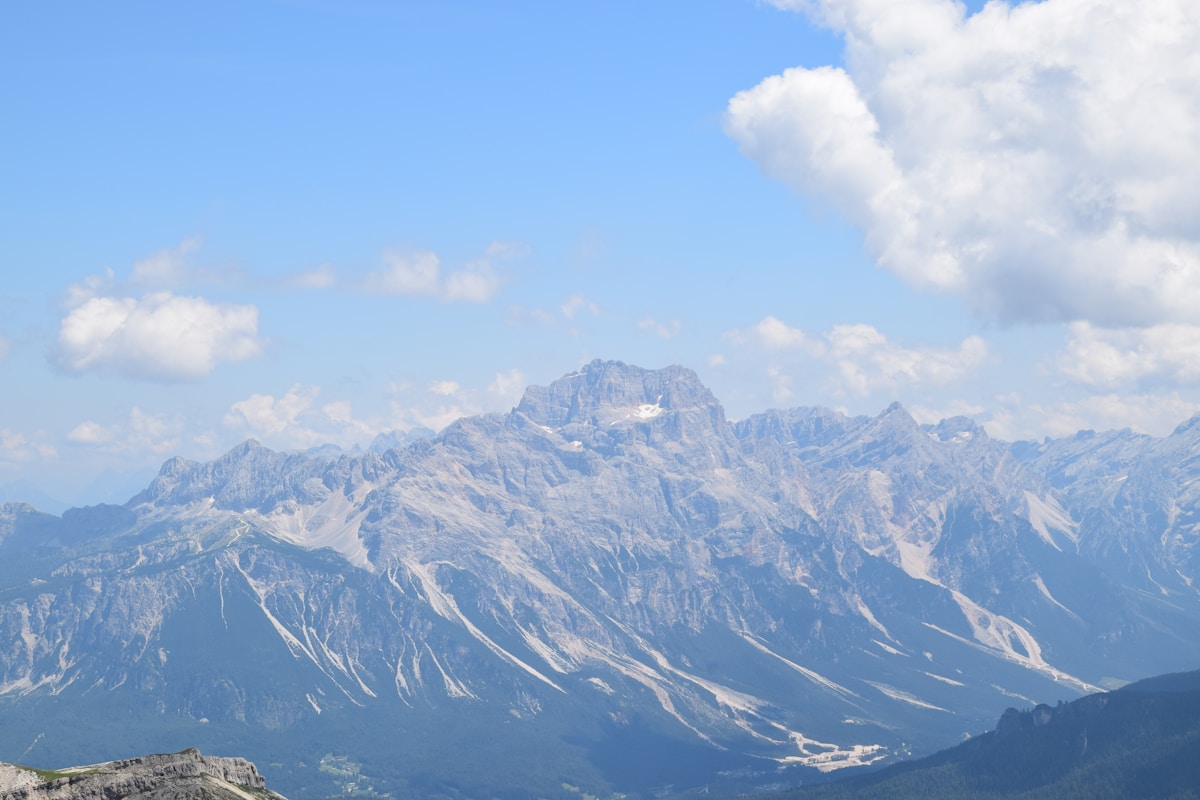
Cortina d’Ampezzo sits in a broad, sun-filled valley at 1,224m in the Veneto Dolomites, entirely enclosed by peaks that define some of the most recognisable mountain scenery in the Alps. The Cinque Torri group to the southwest, the Tofana di Rozes (3,243m) to the north, the sheer walls of the Cristallo to the east — every direction from town involves vertical rock on a scale that takes time to absorb.
As Italy’s most prestigious mountain resort, Cortina has a particular self-image to maintain: the Corso Italia promenade lined with designer boutiques, a winter après-ski scene defined by prosecco rather than beer, and a summer calendar built around serious hiking and via ferrata. It hosted the 1956 Winter Olympics, played a central role in the 2026 Milan-Cortina Games, and has served as the backdrop for two James Bond films. It is not inexpensive. It is also not overrated on scenery.
Skiing in Cortina
Cortina’s ski domain covers three main areas: Tofana (highest and most extensive), Faloria-Cristallo (east of town) and Cinque Torri-Lagazuoi (southwest, toward Passo Falzarego). The total is approximately 115km of marked runs, plus access via shuttle to the wider Dolomiti Superski network of 1,200km.
The Tofana area contains Cortina’s most demanding terrain, including the Olympia delle Tofane run — a World Cup downhill course dropping 1,010 vertical metres from the Col Druscie mid-station. This run is open to the public outside race periods and is the single most impressive piste in the resort.
Cinque Torri is the area to head for intermediate skiers and those wanting exceptional scenery over raw vertical. The pistes here are gentler, the landscape is defined by the five eroded rock pillars (Cinque Torri) that give the area its name, and the Rifugio Averau at the top is one of the better on-mountain lunch stops in the Dolomites.
The Dolomiti Superski pass (approximately EUR 70–80 per day as of 2026, or EUR 350–400 for 6 days) covers all areas plus bus transfers between ski zones. Ski school in Cortina — the Scuola di Sci Cortina is the main operator — offers group and private lessons; private tuition costs approximately EUR 50–70 per hour.
Ski rental: Multiple shops on and near the Corso Italia offer full equipment hire from approximately EUR 30–40 per day for a standard ski/boot/pole package.
Summer Hiking and Via Ferrata
Cortina’s summer season runs from late June through September and is taken as seriously as winter. The town operates as a base for several of the best day hikes and via ferrata routes in the Dolomites.
Ra Gusela viewpoint (Passo Giau): The drive up to Passo Giau (2,236m) is itself a reason to come in summer — 16 switchbacks through meadows and larch forest. From the top, the views across to Lagazuoi and the Pelmo are exceptional. The hike across the plateau takes approximately 2 hours return from the pass.
Via ferrata Averau: A classic introduction to Dolomite via ferrata (rated D/III on the European scale), starting from the Cinque Torri cable car mid-station. The route traces the base of the Cinque Torri towers through iron rungs and fixed cables. Allow 3–4 hours including the descent. Equipment rental available in Cortina from approximately EUR 20–30 for a harness and helmet set; guides can be arranged through the Cortina mountain guides cooperative at approximately EUR 120–160 per person for a half-day.
Lago di Misurina: 14km from Cortina, this lake at 1,756m sits directly below the three peaks of the Tre Cime di Lavaredo — the most iconic image in the Dolomites. From Misurina, a road (or summer shuttle bus from the car park fee point — approximately EUR 30 per car per day in season) leads to the Rifugio Auronzo at 2,320m, from which the circular walk around the Tre Cime takes approximately 2.5 hours. This is the most-visited trail in the Dolomites; arrive before 8am or after 4pm in July and August to avoid the worst crowds.
Summer lift network: From late June, several cable cars and gondolas operate for summer visitors. The Tofana cable car runs to the Ra Valles station (3,244m) — the highest point accessible by lift in the area. Round-trip approximately EUR 20 for adults.
Where to Stay
Cortina’s accommodation runs from simple family-run B&Bs in outlying hamlets to five-star resort hotels, with a pronounced luxury concentration that makes it expensive compared with other Dolomites resorts.
Luxury (from approximately EUR 400–900/night in peak season):
- Cristallo Resort Spa & Golf — the grand historic property on a hill above town, with an outdoor pool, spa, and shuttle to the Faloria lifts
- Rosa Alpina (San Cassiano, 30km away but worth mentioning) — consistently ranked among the best mountain hotels in Europe; more intimate than Cristallo
Mid-range (approximately EUR 150–350/night):
- Hotel Menardi — a four-generation family hotel in a 19th-century farmhouse on the north edge of town; comfortable, characterful and well priced for Cortina
- Hotel Ancora — central position on the Corso Italia, mid-range pricing and reliable quality
Budget/value (from approximately EUR 80–150/night): Genuine budget accommodation within Cortina town is scarce. Better value is found in nearby villages: Pocol (5km west, connected by shuttle), Zuel and Alverà. Agriturismo farmhouses in the valley start from approximately EUR 80 per room per night in low season.
Restaurants
Il Meloncino al Camin (Via Alverà 99) — the most established locally-focused restaurant outside the tourist mainstream; wood-fired grill, regional wines, no menu in English. Mains approximately EUR 25–40. Book ahead.
Ristorante El Zoco (Corso Italia 53) — reliable mid-range option on the main drag covering pasta, grilled meats and regional cheese boards. Mains approximately EUR 18–30.
Rifugio Scoiattoli (Cinque Torri, reachable by cable car) — best positioned of the rifugi around Cortina for panoramic seating. Canederli and polenta served until the last lift.
Ra Banche (Via Cadorina 1) — the local choice for speck platters, local cheeses and wine by the glass; a wine bar more than a restaurant, good for an evening stop before dinner.
For on-mountain dining: the Rifugio Lagazuoi at 2,752m (reachable by cable car from Passo Falzarego) has one of the most dramatic settings on any mountain in the Alps. The terrace faces south across the Val Badia.
Getting to Cortina
By car: From Venice, take the A27 motorway north to Longarone, then the SS51 north to Cortina. Total approximately 2.5 hours. Parking in central Cortina is limited and paid in summer and winter peak periods; the main car parks at the edge of town charge approximately EUR 2–3 per hour.
By bus: Atvo and Dolomiti Bus operate direct services from Venice Piazzale Roma and from Venice Marco Polo airport (via a change in Dobbiaco in some schedules). Journey time approximately 3–3.5 hours. Additional winter ski season buses operate from Venice, Belluno and Treviso.
From the nearest rail station: Calalzo di Cadore (34km south) is the closest railway station, served by trains from Venice (approximately 2.5 hours on the Belluno line). Dolomiti Bus runs regular connections between Calalzo and Cortina.
By taxi/transfer: Private airport transfers from Venice run approximately EUR 150–200 for a shared minibus; private car approximately EUR 250–350.
Practical Notes
Language: Cortina is in the Veneto province. Italian is the primary language; English is widely spoken in hotels and restaurants. The local Ladin language (related to Rhaeto-Romansh) is used in some valley villages.
Connectivity: Mobile coverage is generally good in town and at lift stations. Some higher rifugi and trails are out of range.
Currency: Euro. Card payments are accepted in virtually all hotels and restaurants, but some rifugi and smaller stalls are cash-only.
Altitude note: The town sits at 1,224m and ski summits reach 3,244m. Visitors not accustomed to altitude may notice it in the first day or two — take it easy on arrival.
Upcoming Events in Cortina Dampezzo
Alba White Truffle Fair 2026
Alba White Truffle Fair 2026, October 3–December 6. World's largest white truffle market with Barolo tastings, tajarin, and live auctions in Piedmont.
La Befana - Feast of the Epiphany 2027
La Befana 2027, January 6. Italy's Epiphany gift-giving day: children receive sweets or coal from the Befana witch, then decorations come down.
Book an experience
Top experiences in Cortina Dampezzo
Explore the best tours and activities in Cortina Dampezzo, with instant confirmation and free cancellation on most bookings.