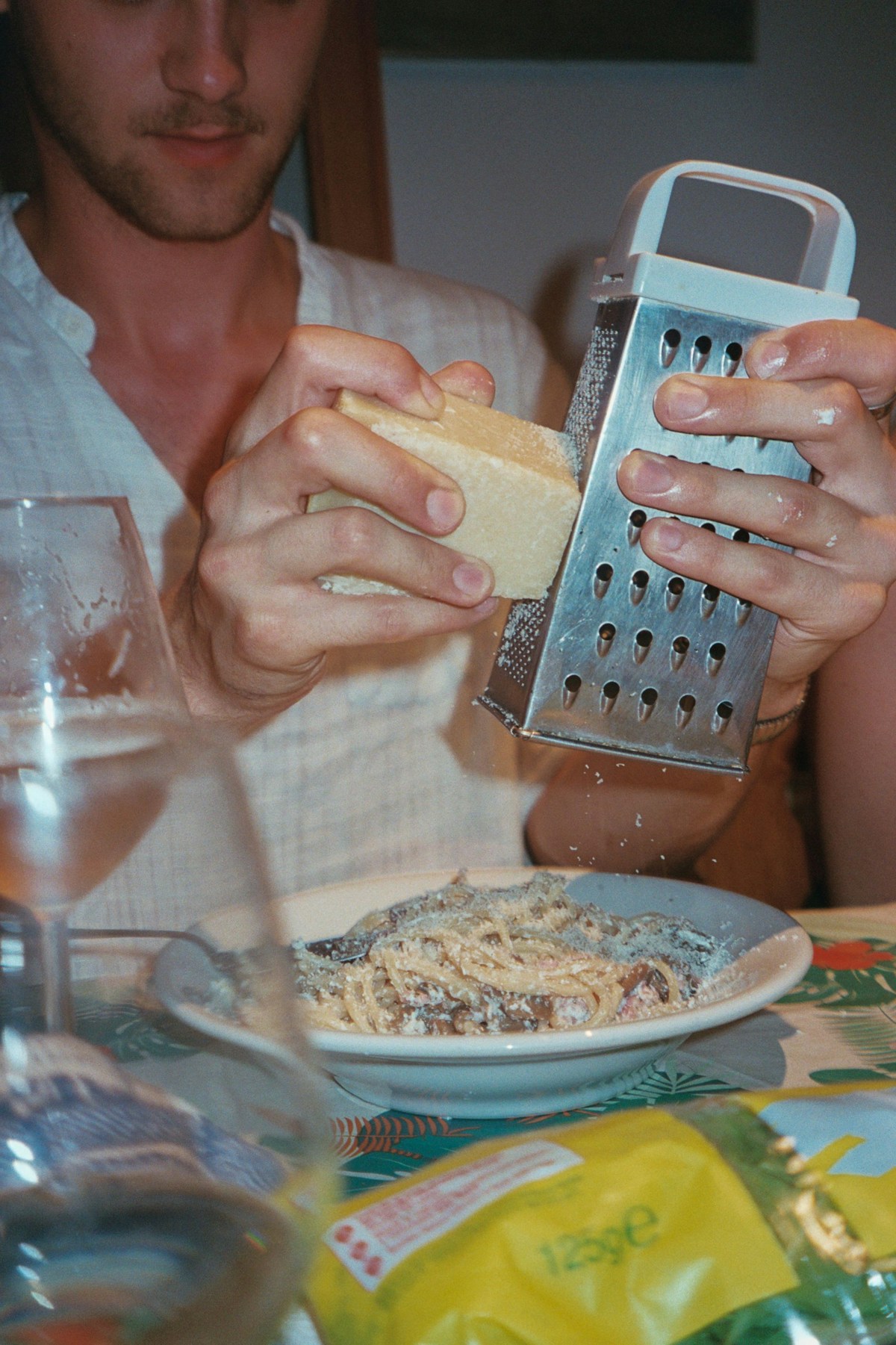
Cortina d’Ampezzo sits at the meeting point of two distinct Italian food traditions: the Veneto lowlands to the south (the cultural and administrative region Cortina belongs to) and the South Tyrol alpine tradition to the north and west. The result is a hybrid cuisine that leans more Italian than the German-influenced cooking found in Bolzano or Bressanone, but incorporates bread dumplings, butter-rich preparations, and mountain ingredients that you will not find in Venice or Verona.
Eating in Cortina is expensive — this is one of Italy’s most expensive resorts, and restaurants price accordingly. The best value for money is in the rifugi on the hiking circuits, which serve simple mountain food at more reasonable prices. In the town itself, mid-range restaurants run approximately €40–60 per person for two courses and wine.
Casunziei Ampezzani: The Dish of the Valley
Casunziei ampezzani is the single most characteristic dish of Cortina and the wider Ampezzo valley, and it is unlike pasta found anywhere else in Italy. These are half-moon-shaped ravioli, roughly the size of a large coin, filled with a mixture of beetroot (barbabietola) and sometimes potato or turnip. The filling gives the pasta a deep red or purple colour that makes it immediately recognisable. The classic preparation is extremely simple: the cooked pasta is dressed with melted butter, a pinch of poppy seeds, and sometimes grated smoked ricotta.
The flavour is earthy and sweet, with the butteriness acting as a counterpoint to the beetroot. It is a dish that is mild but distinctive — not rich in the way of a truffle pasta or a meat ragù, but satisfying in a mountain-food way.
Most restaurants and rifugi in the Cortina area serve casunziei. At a trattoria in town expect approximately €14–18 for a main portion. At Ristorante Tivoli (Largo delle Poste 1, one of Cortina’s best restaurants), the casunziei are made fresh and the quality is noticeably higher than at tourist-facing establishments — though the price is accordingly higher.
Canederli: Bread Dumplings from the Border Country
Canederli (called Knödel in German, and you will see both names on menus near Cortina) are large bread dumplings made from stale bread, eggs, milk, and typically speck or cheese. Cortina sits geographically close to the South Tyrol — the Austrian-influenced Alpine region to the northwest — and canederli appear on almost every menu in the Dolomite valleys, including Cortina’s.
The standard preparation is in brodo (in beef or veal broth) — three or four dumplings in a light broth, served as a first course. Some restaurants also serve them browned in butter as a secondo. They are warm, starchy, and sustaining — exactly the food you want after a morning’s hiking in cold mountain air. Approximately €10–14 per portion at a restaurant, €8–10 at a mountain rifugio.
Polenta con Funghi Porcini
The Dolomite forests produce excellent porcini mushrooms from late August through October, and polenta is the staple starch of this part of northern Italy. The two appear together on mountain menus throughout the season.
The polenta here can be white (from white maize, more delicate and slightly sweeter) or yellow, and is often served as a soft mound or cut into firm slices and grilled. The porcini are sautéed in butter or olive oil with garlic and fresh herbs. The combination is earthy and autumnal — at its best in September and October when the porcini are at peak quality. Approximately €12–16 at a restaurant.
Bigoli in Salsa: The Veneto Pasta Tradition
Bigoli is a thick, long pasta — like a wide, rough-textured spaghetti — that is the characteristic pasta shape of the Veneto. It appears in Cortina as a reminder that, despite the alpine setting, this is administratively and culturally a Venetian city. The classic preparation is bigoli in salsa: the pasta served with a slow-cooked anchovy and onion sauce that has been sweated down to a deeply savoury, brown condiment.
The combination surprises people who expect mountain food to be anchovy-free — but Venetian cuisine has always used preserved fish from the Adriatic, even far inland. The dish is intensely savoury and rich despite containing no meat or dairy. Found on menus at traditional trattorie, approximately €12–15 per portion.
Strudel di Mele: The Alpine Dessert
Apple strudel crosses from the South Tyrol and Austria into the Dolomite valleys, and Cortina’s rifugi and cafes all serve versions of it. The traditional preparation uses very thin stretched pastry (phyllo-like, not shortcrust), filled with local apples, cinnamon, sugar, and sometimes raisins or pine nuts. A slice from a rifugio costs approximately €4–6 and is generally served warm, sometimes with cream.
The quality varies considerably between establishments — the best versions are freshly made on the day with local apples. In town, the pastry shops along Corso Italia sell individual slices throughout the morning.
Spritz and the Aperitivo Culture
The Veneto’s aperitivo drink is the Spritz — Prosecco, a bitter (Aperol or Campari), and a splash of soda water, served with ice and an olive. In Cortina, aperitivo hour begins at approximately 17:00 and continues to 19:00, when skiers and hikers return to the town from the slopes and trails. Most bars put out small snacks (crisps, olives, small sandwiches) alongside drinks — not the elaborate buffet of Milan’s aperitivo scene, but enough to make the drink function as a light early dinner snack.
A Spritz in Cortina costs approximately €7–10 — noticeably more than in Venice or Padova, where the same drink costs €3–5. Budget for resort pricing throughout.
Where to Eat in Cortina
Ristorante Tivoli (Largo delle Poste 1): the most acclaimed restaurant in town, known for casunziei and refined versions of local dishes. Approximately €50–70 per person for food. Reserve ahead, particularly in high season.
Il Meloncino al Camineto (Gillardon, approximately 5km outside town towards the Falzarego pass): open only during the winter season, this is the place locals recommend for canederli and authentic mountain atmosphere. Small and informal, approximately €30–40 per person. Essential to book ahead.
Mountain rifugi: the rifugio system provides the best value eating around Cortina. Rifugio Cinque Torri (accessible by chairlift) and Rifugio Auronzo (near Tre Cime di Lavaredo) both serve casunziei, polenta, and canederli for €10–16 per dish. Self-service style for some dishes. Outdoor seating with mountain views.
Bars on Corso Italia: for a quick lunch, the bars along the pedestrian corso serve panini, tramezzini (triangular white-bread sandwiches with various fillings, approximately €3–5 each), and coffee. More practical than a sit-down restaurant when time is short.
Where to stay in Cortina d’Ampezzo: Find hotels in Cortina d’Ampezzo — search accommodation across all budgets.