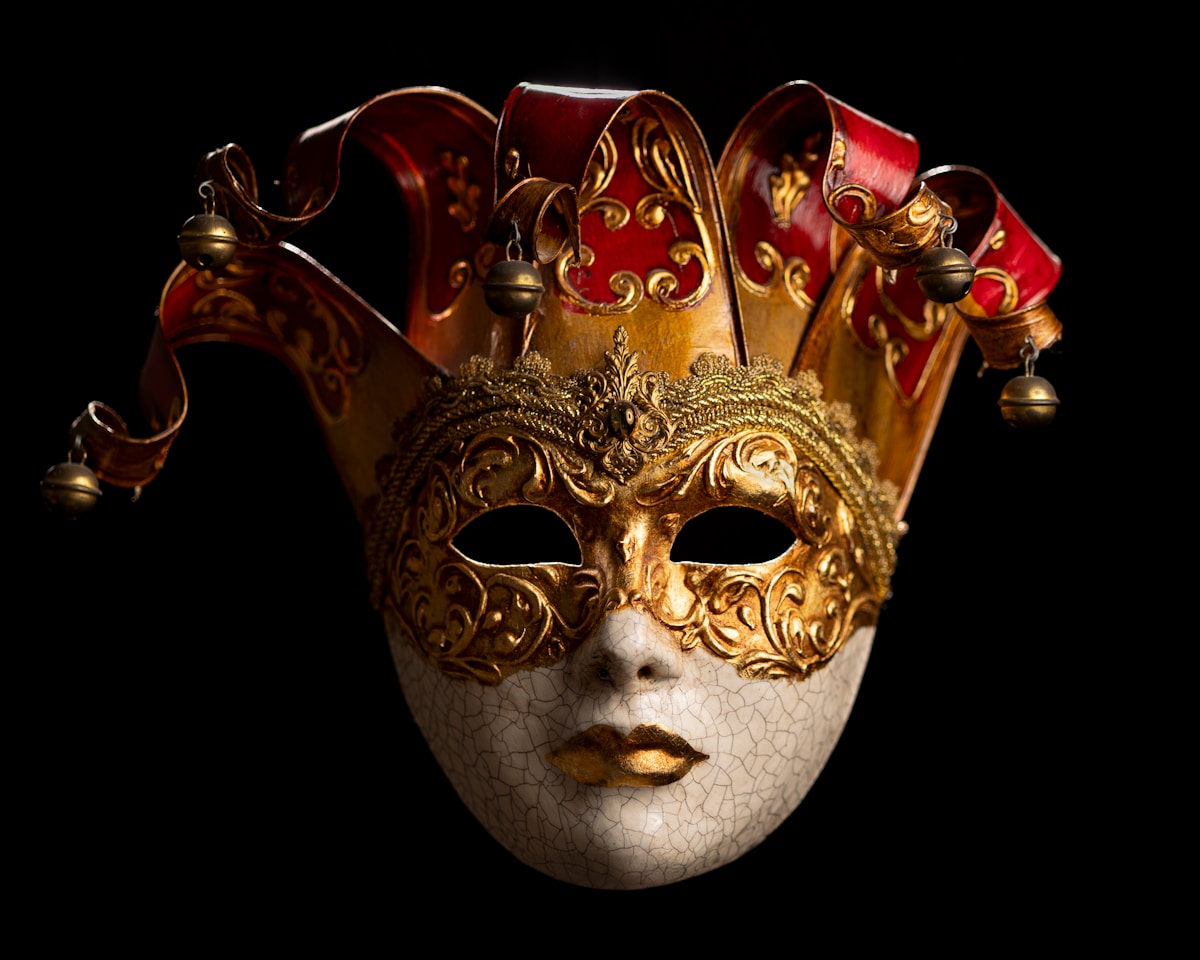
Venice Carnival is Europe’s oldest and most spectacular public masquerade — a seventeen-day festival in which the city of Venice transforms into a stage set of elaborately costumed figures, candlelit palace balls, and water processions on the Grand Canal. The 2027 edition runs from 23 January to 9 February, with the full official programme concentrated in the final ten days from 30 January through Shrove Tuesday on 9 February.
For travellers planning a winter trip to northern Italy, there is nothing else like it on the calendar. No other Italian event combines history, visual spectacle, and participatory atmosphere in quite the same way.
History: From the Serenissima to the Modern Revival
Venice Carnival has roots in the medieval Republic of Venice. The first documented reference to Carnival celebrations in the city dates to 1094, in a decree by Doge Vitale Falier authorising public celebrations before Lent. Over the following centuries, the festival grew into one of the most famous events in Europe — a period when the strict social hierarchies of the Venetian Republic were temporarily dissolved by the anonymity of the mask.
The mask was not merely decorative. During the Republic, Venetian law permitted citizens to wear masks in public during designated periods, including Carnival. The anonymity this provided allowed merchants, nobility, and commoners to mingle at gaming tables and entertainment venues without the social consequences that would otherwise apply. The Bauta mask — covering the full face, worn with a black tabarro cloak and a tricorn hat — became the iconic Venetian masquerade costume precisely because it was genuinely functional: the protruding lower edge allowed the wearer to eat and drink without removing the mask.
Napoleon abolished the festival in 1797 when French forces ended the Republic of Venice. Carnival disappeared almost entirely for nearly two centuries. The modern revival began in 1979, when the city of Venice and the regional government decided to reinstate Carnival as a cultural event. What started as a modest revival grew rapidly; by the mid-1980s it had re-established itself as one of Europe’s major winter festivals.
Today the official programme is organised by the Comune di Venezia in collaboration with the Fondazione Musei Civici di Venezia and a network of cultural partners.
Venice Carnival 2027: Key Dates and Events
The Official Programme
23 January marks the opening of the pre-Carnival period, with events beginning across the city neighbourhoods before the official programme starts.
30 January opens the main Carnival programme with the centrepiece ceremony: the Volo dell’Angelo (Flight of the Angel), in which a costumed performer descends by cable from the top of St Mark’s Campanile to the Doge’s Palace loggia below. The square fills with tens of thousands of people for the midday performance — arrive by 10:30 at the latest for a clear view from the front. A second wire descent, the Volo dell’Aquila (Flight of the Eagle), is scheduled for a date later in the programme, typically confirmed closer to Carnival.
30 January to 9 February is the full programme period, with daily events across Venice including costume competitions (the Gran Ballo della Serenissima and Concorso della Maschera più Bella — Best Mask Competition), canal processions, and neighbourhood events throughout the sestieri.
9 February (Martedì Grasso — Shrove Tuesday) is the final night of Carnival, ending with the symbolic burning of an effigy representing the end of the festival at midnight. This is the most atmospheric night of the entire period.
The Official Masquerade Balls
The grand palace balls are the formal, ticketed heart of Venice Carnival — events held in historic palazzos and museum spaces that give the festival its reputation for theatrical excess.
Ballo del Doge
Held at Palazzo Pisani Moretta on the Grand Canal, the Ballo del Doge is the most celebrated private Carnival ball in Venice. Costumes are mandatory (Renaissance period dress is the standard), the palazzo’s frescoed halls are lit entirely by candlelight, and attendance is by ticket only. It is the closest modern equivalent to a Serenissima Republic banquet. Tickets typically start at around €500 per person and rise considerably for premium positions; the event sells out months in advance. Check the official website for the 2027 date and booking details.
Gran Ballo della Serenissima
The official ball organised under the Carnival programme umbrella, typically held at the Palazzo Barbarigo Minotto or other historic venue confirmed each year. Less exclusive than the Ballo del Doge but still formal — period costume required. Tickets from approximately €150–€300 depending on access tier.
Ca’ Rezzonico Events
The Museo del Settecento Veneziano at Ca’ Rezzonico on the Grand Canal hosts Carnival events each year — often including costume competitions and masked balls within the museum’s 18th-century state rooms. Booking is through the Fondazione Musei Civici di Venezia website. These events tend to sell out in December for the February programme.
For Venice tours and Carnival experiences including guided mask-making workshops and palace visits, book well before January — availability drops sharply in the weeks before the festival.
The Masks: A Guide to Traditional Venetian Masquerade
Understanding the traditional masks gives the costumed processions context that the spectacle alone cannot provide.
Bauta
The Bauta is the original Venetian civic mask. The Larva — the white full-face mask with its distinctive protruding lower jaw — combined with a black tabarro cloak and a tricorn hat (bauta hat) was the standard anonymous disguise of the Republic. The exaggerated jaw line meant the wearer could eat and drink without removing the mask. The Bauta appears in paintings by Tiepolo and Longhi; seeing it in the streets of Venice during Carnival connects directly to that visual history.
Moretta
The Moretta is a small, oval black velvet mask worn exclusively by women. It was held in place by biting a button on the inside — meaning the wearer was effectively silenced while masked, adding an element of wordless mystery to the encounter. The Moretta appears in 18th-century paintings of Venice almost as frequently as the Bauta.
Colombina
The Colombina is a decorated half-mask — covering the upper face from forehead to nose — typically richly adorned with feathers, gilding, gemstones, and silk. It derives from the Commedia dell’Arte character and became popular in the 18th century. The Colombina allows the full face to be seen and is one of the most comfortable masks for an evening event. It is also the most commonly worn by visitors.
Medico della Peste (Plague Doctor)
The long-beaked plague doctor mask is the most visually distinctive costume at Venice Carnival and the one most commonly photographed. The original was a functional design: 17th-century physicians treating plague patients wore the long beak filled with herbs, flowers, and spices to filter the air — a pre-scientific understanding of disease transmission. The costume has no special Carnival history (it was not a Carnival costume in the Republic period), but it has become one of the defining images of modern Venice Carnival and is among the most striking sights in the streets.
Arlecchino and the Commedia dell’Arte Costumes
Arlecchino (Harlequin), Brighella, and the other characters of the Commedia dell’Arte are represented throughout Carnival in their distinctive diamond-patterned and patchwork costumes. These are theatrical performance costumes rather than masked-ball attire, and they add colour to the street spectacle.
Costume Hire and Mask-Making Workshops
Costume Hire
Traditional costume hire is available from several specialist ateliers in Venice, predominantly in the Dorsoduro and San Polo districts. Prices for a full period costume rental typically start at around €80–€150 for a day, with elaborate commissioned pieces for palace balls costing considerably more. Atelier Nicolao in Cannaregio is one of the most respected costume houses in the city — they supply costumes for theatre productions, film, and Carnival — and offer hire with fitting appointments. La Bauta near the Rialto and smaller workshops in San Polo also offer period hire with mask fitting.
Booking in advance is not optional for Carnival week. The best pieces are reserved months ahead, particularly for the final weekend. Booking a hire in October or November is reasonable; by January, choice is severely limited.
Mask-Making Workshops
Several Venetian mask-making studios run hands-on workshops in which participants make their own papier-mâché or leather mask under guidance from a master craftsperson. These workshops typically take 2–3 hours and produce a finished mask to take away. Prices start at approximately €60–€90 per person.
The best workshops are in family-run studios in Dorsoduro, San Polo, and near the Frari church — look for the mascarer designation indicating a working artisan rather than a souvenir shop. Booking directly with the studio rather than through aggregators typically means better access to the craftsperson and more time at the workbench.
For mask-making workshops and Carnival experiences in Venice, book well in advance — these sell out during Carnival season.
Where to Watch and Take Part
St Mark’s Square (Piazza San Marco)
The official Carnival hub. Most of the programmed events — the Flight of the Angel, the Best Mask Competition, the official costume parades — take place here. This is the most concentrated spectacle, and also the most crowded.
In the final three days of Carnival, Piazza San Marco becomes one of the most densely crowded public spaces in Europe. Movement slows to a shuffle in the late afternoon and evening. The views are extraordinary — the basilica, the Doge’s Palace, and the Campanile framing a square full of costumed figures — but arriving early and accepting the conditions are prerequisites.
Campo San Polo
The second-largest square in Venice is a neighbourhood Carnival venue that runs a parallel programme of events, including street performances, costume gatherings, and children’s events. The atmosphere is more local, the crowds are manageable, and it is a genuinely good place to see elaborate costumes at close range. The walk from the Rialto takes about ten minutes.
Campo Santa Margherita
A wide, lively campo in Dorsoduro that is one of Venice’s main evening social spaces year-round. During Carnival it hosts gatherings that are more student and local in character than the tourist-facing events around San Marco — a good choice for a late evening drink in costume without the crush.
The Grand Canal and the Rialto Bridge
Water processions on the Grand Canal are part of several days in the official programme. The Rialto Bridge provides elevated views over the canal, though it is itself crowded throughout Carnival. The Fondamenta della Misericordia in Cannaregio gives longer canal views with fewer people.
The Quiet Sestieri
The neighbourhoods of Castello (east of St Mark’s) and Cannaregio (the northern district near the old ghetto) are significantly less crowded than the central Carnival areas, even during the peak final weekend. Walking through these sestieri in the mornings — when the costumed figures are still in the streets on their way to and from events — provides some of the most photographic moments of Carnival away from the organised chaos of the main squares.
When to Visit Within the Carnival Period
If you want the spectacle at its peak: The final three days (7–9 February 2027) are the most intense. The costumes are at their most elaborate, the streets are at maximum density, and the atmosphere on the final night is genuinely extraordinary. Accept that it will be crowded and expensive.
If you want good atmosphere with less pressure: The opening week (23–29 January) has genuine Carnival atmosphere with a fraction of the peak-weekend crowds. Local Venetians participate more naturally. The mid-week days of the second week (2–5 February) are the best balance of programme and manageability.
If you want a day trip: The first Saturday of the main programme (30 January, Flight of the Angel day) is the best single-day option — the key set-piece event, manageable crowds compared to the final weekend.
Accommodation and Planning
Venice during Carnival is one of the most competitive hotel markets in Italy. Rooms in the historic centre — particularly in San Marco, Cannaregio, and Dorsoduro — sell out months in advance for the final week. Budget alternatives include basing in Mestre (the mainland, 10 minutes by train), Padua (25 minutes by train), or Verona (75 minutes) and commuting in by rail.
For Venice hotels and accommodation options, booking for Carnival 2027 by November 2026 at the latest is strongly advised for anything in the city centre. Our Venice city guide covers the neighbourhoods in detail.
Getting to Venice for Carnival
From Rome: High-speed Trenitalia or Italo services from Roma Termini reach Venezia Santa Lucia in approximately 3 hours 50 minutes. Booking in advance is advisable; trains on the opening and closing weekends of Carnival fill fast.
From Milan: Frequent high-speed trains from Milano Centrale to Venezia Santa Lucia take approximately 2 hours 20 minutes. This is also the connection to reach Venice from the major international airports.
From Florence: Direct trains from Firenze Santa Maria Novella to Venezia Santa Lucia take approximately 2 hours. These are among the most frequently sold-out trains during Carnival weekend — book ahead.
By air: Venice Marco Polo Airport (VCE) is the closest airport, approximately 8 km from the city centre. The Alilaguna water bus connects the airport to the city in 70–80 minutes (€15). Water taxis cover the route in approximately 25 minutes (€100+). For ground-based transfers, our Venice airport transfer guide covers all options.
Practical Notes for 2027
Day-tripper entry fee: Venice operates a day-tripper booking and entry fee system on designated peak days. The official Comune di Venezia website manages the booking; the fee for 2027 is expected to be in the range of the existing scheme. Weekend days during Carnival typically fall within the fee zone — day-trip visitors will likely need to register and pay in advance. Our Venice entry fee guide has current details.
Weather: Late January and early February in Venice is cold — typically 2–8°C — and occasionally foggy. The fog (nebbia) that settles over the lagoon in winter adds genuine atmosphere to Carnival evening photographs. Pack layers and waterproof footwear; stone pavements can be slippery.
Acqua alta: High water flooding is possible in January and February, though the peak acqua alta season is November–December. The city’s tide forecasting system gives advance warning; portable raised walkways (passerelle) are deployed on flooded calli. Rubber boots are useful if you plan to be outdoors extensively.
Photography: The best Carnival photography is in the early morning (before 9:00) when light is golden and crowds are thin, and in the late afternoon around 16:00–17:00 when the costumed figures are gathering before evening events. The sestieri around San Marco at dawn — costumed figures emerging from narrow calli — is the classic Venice Carnival image.
For the full context on planning a Venice visit around Carnival, our 2-day Venice itinerary and 3-day Venice itinerary show how to combine the festival with the city’s permanent highlights.