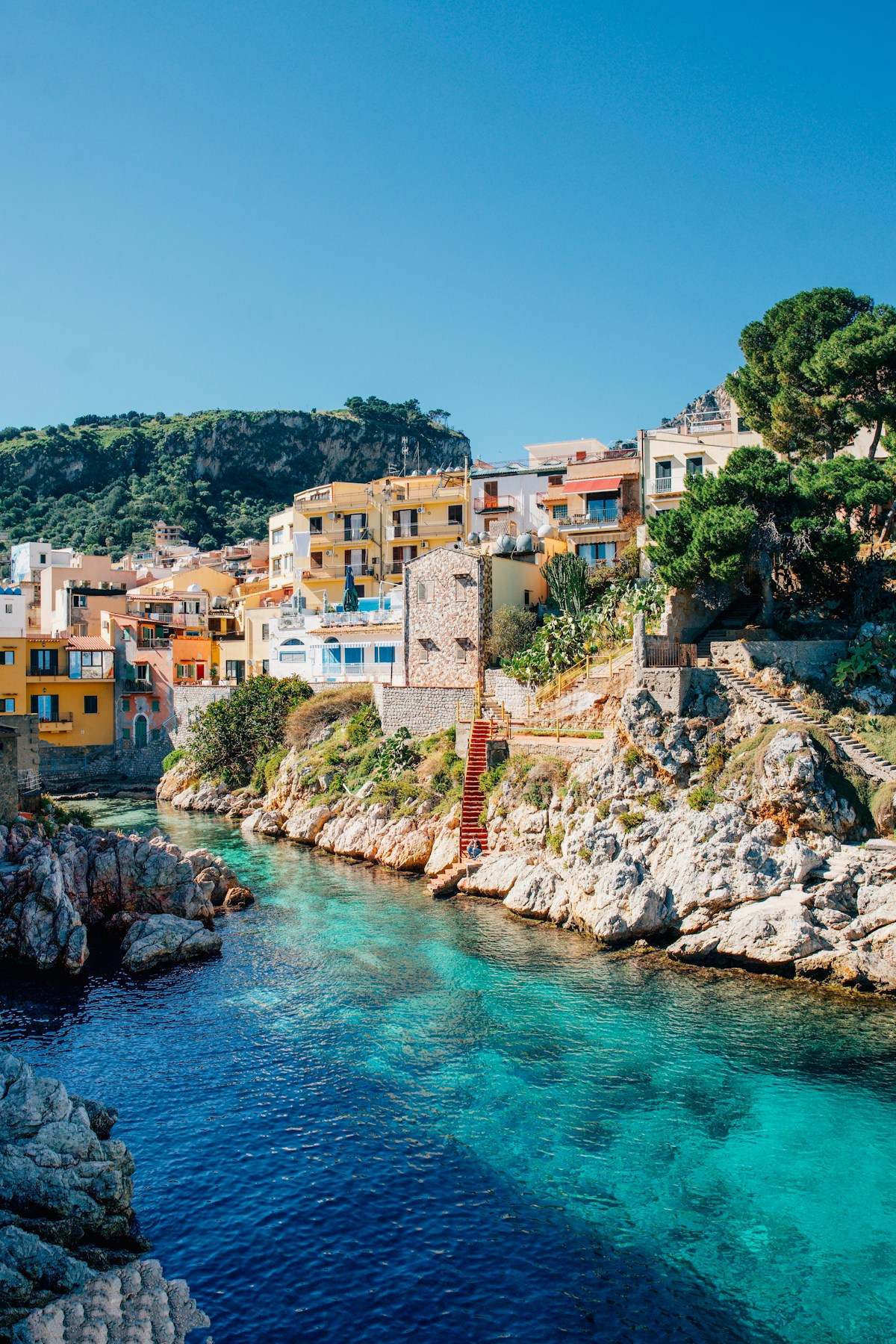
Sardinia: Beaches, Nuraghi, and the Real Mediterranean
Sardinia has the clearest water in Italy, 3,500-year-old stone towers, and a culture completely distinct from the mainland. The complete travel guide.
Guides for Sardinia
Sardinia is Italy’s second-largest island and one of the most geologically ancient places in Europe - parts of it are over 500 million years old. It has beaches with water clarity that rivals the Caribbean, a Bronze Age culture (the Nuragic civilisation) that left 7,000 stone towers across the island, and a culture and dialect so distinct from mainland Italy that it functions like a separate country in many respects. This is not the Italy of Renaissance art and Roman ruins. It is older, stranger, and arguably more beautiful.
Where to base yourself
Cagliari - the capital, in the south. A real city with a castle quarter (Castello), good museums, decent beaches within reach. The best base for the south and the Nuraghe Su Nuraxi.
Olbia - the main entry point for the north-east and the Costa Smeralda. Not particularly interesting itself, but convenient.
Alghero - in the north-west, with a Catalan-speaking old town (Catalan speakers colonised it in the 14th century and never fully left). Excellent beaches nearby. More relaxed than the Costa Smeralda.
Oristano - central-western Sardinia. Base for the Sinis Peninsula, the ruins of Tharros (Phoenician and Roman city), and the Stagno di Cabras flamingo lagoon.
Nuoro - in the heart of the Barbagia, the mountainous interior. Base for traditional Sardinia - villages, sheep, ancient festivals, and the tenore polyphonic choral tradition.
The beaches
Sardinia’s coastline is 1,849km long. The most famous stretches:
Costa Smeralda (north-east): The most famous and most expensive - white sand, emerald water, superyachts. Developed by the Aga Khan in the 1960s as a luxury resort area. The Pevero and Romazzino beaches are genuinely world-class. So is the cost of everything.
Villasimius (south-east): Excellent beaches with clearer water than Costa Smeralda in many people’s view. More accessible prices. Punta Molentis, Simius beach.
La Maddalena Archipelago (north): A national park of small islands. The best beach - Budelli’s pink sand Spiaggia Rosa - is now closed to swimming to protect it. Still extraordinary to see from a boat.
Is Arutas (west): Unusual quartz-grain beach near Oristano. The “rice grain” beach - grains are angular quartz rather than rounded sand.
Cala Goloritzé (east coast, Golfo di Orosei): Accessible only by boat or a 2-hour hike. Towering limestone cliffs, turquoise water, and a sea stack. One of the most photographed beaches in the Mediterranean. UNESCO World Heritage Site.
The Nuraghi
The Nuragic civilisation (c.1800–900 BC) built around 7,000 stone towers called nuraghi across the island - the largest concentration of prehistoric structures in the Mediterranean. They are Sardinia’s most distinctive archaeological feature and have no close parallel anywhere in Europe.
Nuraghe Su Nuraxi (Barumini) - the most complete nuragic complex. A central tower surrounded by a fortified village. UNESCO World Heritage Site. 45 minutes from Cagliari.
Complesso Nuragico di Santu Antine - one of the largest nuraghi, in the Logudoro region north of Sassari.
Nuraghe Arrubiu - the largest known nuraghe, in the Gerrei district. Five subsidiary towers.
The archaeological museum in Cagliari (Museo Civico) has the best collection of nuragic bronzetti - small bronze figurines of extraordinary detail and quality.
Food and drink
Sardinian cuisine is distinct from both mainland Italian and Sicilian cooking - it is mountain and pastoral food, not coastal Mediterranean (despite the coastline).
- Culurgiones - hand-folded pasta parcels filled with potato, pecorino, and mint. The pinched ridge at the top is traditionally made in a single practiced gesture.
- Porceddu - whole roasted suckling pig, cooked over myrtle wood. The island’s ceremonial food.
- Malloreddus - small ridged gnocchi-style pasta, typically served with sausage ragù.
- Pecorino sardo - sheep’s milk cheese, the foundation of Sardinian cooking.
- Casu marzu - fermented cheese with live insect larvae. Technically illegal but available at markets. Not for everyone.
- Pane carasau - crisp flatbread, made to last. Shepherds carried it for weeks.
- Cannonau - red wine made from Grenache, known locally as Cannonau. Sardinian villages have some of the world’s highest concentrations of centenarians; Cannonau is often cited as a factor.
- Mirto - liqueur made from myrtle berries. The standard digestivo.
Getting to Sardinia
By air: Three airports - Cagliari (CAG), Olbia (OLB), and Alghero (AHO). Direct flights from UK, Germany, and other European cities in summer. Year-round flights from Rome and Milan.
By ferry: Overnight ferries from Civitavecchia (near Rome, 7–8 hours), Livorno (7–8 hours), Genoa (12–14 hours), Naples (14 hours). Tirrenia and Moby are the main operators. Worth considering for the experience and to save a night’s accommodation.
Internal transport: A car is essential for anything beyond the main cities and most beach areas. Book a rental car before arriving - July and August demand is high and supply runs out at airports. The railway network is limited and slow. Buses connect major towns but infrequently.
When to go
May–June: Perfect. Warm enough for swimming, beaches not overcrowded, wildflowers on the hills.
September–October: Also excellent. Water still warm from summer, tourist numbers down sharply.
July–August: The island heaves with Italian and European tourists. Costa Smeralda prices are at their peak. Book accommodation months ahead.
November–April: Quiet, cool, many coastal hotels and restaurants closed. Good for hiking and Nuragic archaeology.
For where to stay, our Sardinia hotels guide covers the coast resorts, agriturismo options, and the best towns for a base. For what to see and do across the island: things to do in Sardinia covers the main beaches, nuraghe sites, and Cagliari’s old city. For a direct comparison, our Sicily vs Sardinia guide covers what each island offers for different travel styles.
Where to Stay
Sardinia divides into three distinct accommodation zones. The Costa Smeralda, centred around Porto Cervo in the north-east, is the glamour zone: superyacht harbours, designer boutiques, and hotels that charge accordingly. In July and August, prices here are among the highest in Italy. The south coast around Cagliari and Villasimius offers accessible mid-range beach options with genuinely good water quality. The interior, particularly the Nuoro province and the Barbagia highlands, has traditional agriturismo at lower prices and a completely different character, more suited to walking, archaeology, and traditional Sardinian culture than to beach holidays.
Budget (from approximately €25–€65/night)
Hostel Marina in Cagliari is a well-located option in the capital, within walking distance of the Castello quarter, the Civic Museum, and the harbour. Dormitory beds from approximately €25/night, private rooms from approximately €60/night, as of 2026. A practical base for the south of the island, including Nuraghe Su Nuraxi at Barumini.
B&B Su Pallosu sits near Oristano on the west coast, close to the Sinis Peninsula and the Phoenician ruins at Tharros. It is a quiet, family-run option in an area that receives fewer tourists than the north or south coasts. From approximately €55/night as of 2026.
Agriturismo Mannois in the Nuoro province offers rooms on a working farm in the Sardinian interior. This part of the island is the most traditionally Sardinian, with shepherd villages, Nuragic sites, and polyphonic choral traditions. Meals use farm produce and are typically included or available at low cost. From approximately €60/night as of 2026.
Mid-range (from approximately €120–€160/night)
Hotel Regina Margherita in Cagliari is a long-established city hotel close to the main shopping street and a short walk from the Castello. It offers reliable comfort at a fair price for the capital, and works well as a base for exploring the south. From approximately €130/night as of 2026.
Hotel Corte Bianca in Olbia is a practical choice for travellers arriving at Olbia airport and heading to the Costa Smeralda or the Gallura region. It is calmer and considerably cheaper than staying in the resort area itself. From approximately €120/night as of 2026.
Is Arenas Natura e Benessere sits on the west coast near Oristano, close to the Is Arutas quartz-grain beach. It offers spa facilities and a quieter pace than the busier east and north-east coasts, with good access to western Sardinia’s archaeological sites. From approximately €160/night as of 2026.
Luxury (from approximately €300/night)
Hotel Cala di Volpe on the Costa Smeralda is one of Italy’s most recognisable luxury hotels, designed by Jacques Couelle in the 1960s as a faux-Moorish fishing village above a turquoise bay. The setting is extraordinary and the price reflects it: July and August rates are significantly higher than the base price. From approximately €700/night as of 2026.
Romazzino, also on the Costa Smeralda and managed by Rocco Forte, sits on a private beach with pine-shaded terraces and a more relaxed atmosphere than some of its neighbours. The water at the Romazzino beach is reliably cited among the clearest in the Mediterranean. From approximately €650/night as of 2026.
Su Gologone in the Nuoro interior is a different proposition entirely from the Costa Smeralda properties. A stone-built hotel in the Supramonte landscape near Oliena, it has a pool, a restaurant focused on traditional Sardinian cooking, and a cultural programme that includes local music and artisan demonstrations. A genuine alternative to the coast, and considerably better value for money than the northern resorts. From approximately €300/night as of 2026.
Search all hotels in Sardinia on Booking.com
Upcoming Events in Sardinia
La Befana - Feast of the Epiphany 2027
La Befana 2027, January 6. Italy's Epiphany gift-giving day: children receive sweets or coal from the Befana witch, then decorations come down.
Book an experience
Top experiences in Sardinia
Explore the best tours and activities in Sardinia, with instant confirmation and free cancellation on most bookings.