Sardinia is only reachable by ferry or by plane, and for travellers with a car - or who want a slow, scenic journey as part of the trip - the ferry is the natural choice. Multiple ports on the Italian mainland connect to three main arrival points on the island, and the overnight crossings double as a night’s accommodation. Here is what you need to know to choose the right route and book efficiently.
Main Arrival Ports in Sardinia
Understanding which port to arrive at shapes everything else. Sardinia is a large island and its internal road network, while improving, means an extra three hours of driving can make a significant difference to your trip.
Olbia (northeast) - the main gateway for northern Sardinia. Use this port for the Costa Smeralda, Porto Cervo, the Maddalena archipelago, Santa Teresa Gallura, and Palau. The ferry terminal is in the town centre. This is the busiest arrival port in summer.
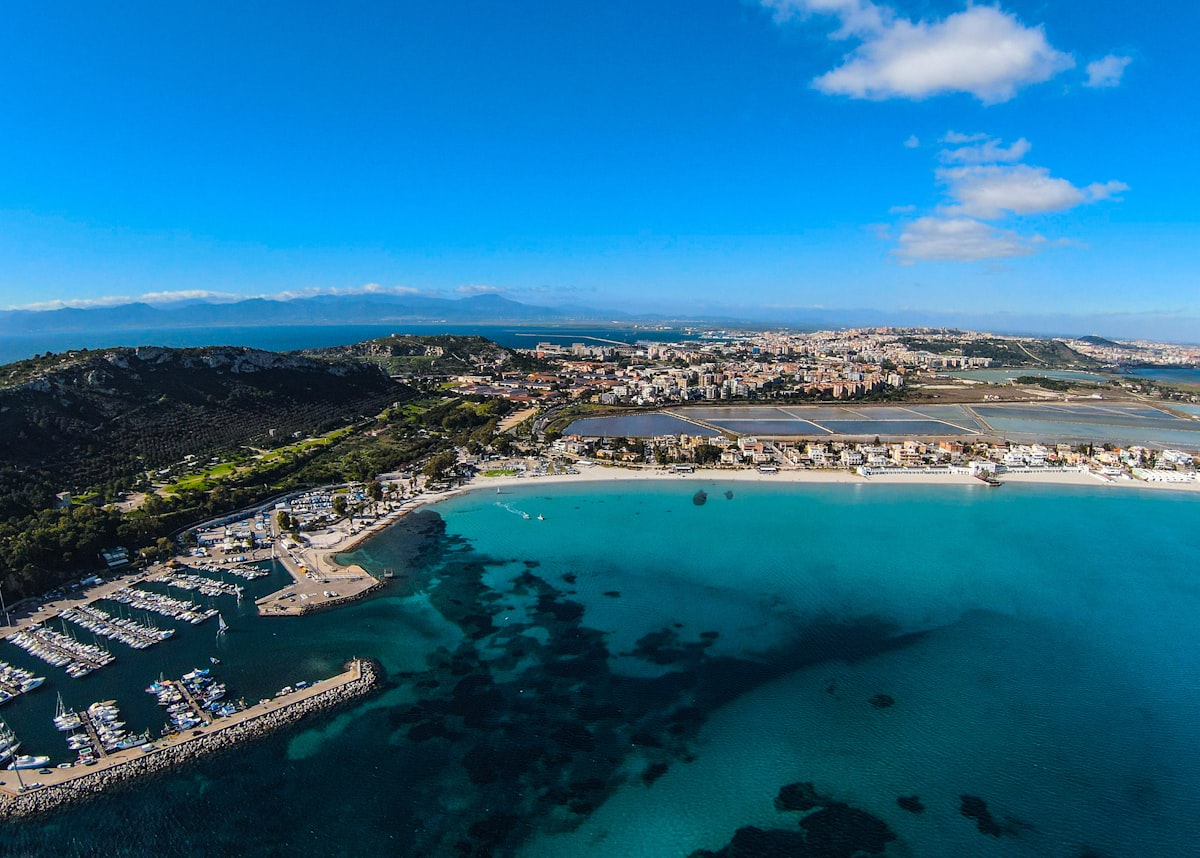
Cagliari (south) - the island’s capital and main hub for south Sardinia. Use for Villasimius, Pula, the beaches of Chia, and the ancient site of Nora. A vibrant city in its own right with a good selection of hotels and restaurants.
Porto Torres (northwest) - useful for Alghero, Sassari, the Sinis peninsula, and the rugged Gennargentu interior. Less busy than Olbia but well connected to northern Sardinia’s alternative destinations.
Golfo Aranci (northeast) - a smaller terminal close to Olbia, used mainly by Sardinia Ferries and Corsica Ferries. Good option for northern Sardinia if other operators are fully booked.
Routes from Mainland Italy
Genova to Olbia or Porto Torres
One of the classic Sardinian crossings, popular with northern Italian families and European motorists driving south. Genova to Olbia takes approximately 11–13 hours; Genova to Porto Torres approximately 11 hours. Grimaldi Lines and Corsica Ferries/Sardinia Ferries both serve these routes. Evening departures are common - leave Genova at 9pm and arrive in Sardinia around 9–10am.
Poltrona (reclining seat) fares from approximately €30–55 as of 2026; shared 4-berth cabins from approximately €65–90 per person; private 2-berth cabin from approximately €95–150 per person. Vehicle transport adds approximately €70–120 for a standard car. Summer prices are substantially higher - book 6–8 weeks ahead in July and August.
Civitavecchia to Olbia or Cagliari
Civitavecchia is the most convenient mainland port for travellers coming from Rome (approximately 70–90 minutes by train from Roma Termini). Two main crossings operate from here:
Civitavecchia to Olbia: approximately 7–8 hours (GNV, Grimaldi). Often an evening departure, arriving early morning. This is the shortest long-haul crossing to Sardinia. A poltrona is manageable for this duration; a cabin is comfortable. Poltrona fares from approximately €28–45 as of 2026.
Civitavecchia to Cagliari: approximately 14–16 hours (Tirrenia, GNV). A longer crossing and the natural choice for anyone heading to south Sardinia without wanting to drive the length of the island. Cabin berths recommended for this duration. Fares from approximately €35–60 poltrona as of 2026.
Grimaldi Lines also runs Civitavecchia–Porto Torres connections on some schedules - check Ferryhopper for current options.
Livorno to Olbia or Golfo Aranci
Livorno (Tuscany’s port, approximately 90 minutes from Florence) connects to Olbia and Golfo Aranci via Corsica Ferries/Sardinia Ferries and Grimaldi. Crossing times run approximately 9–11 hours. This is the preferred mainland port for travellers coming from Florence, Pisa, or central Tuscany.
Poltrona fares from approximately €30–50 as of 2026. Vehicle transport approximately €65–110.
Naples to Cagliari
Tirrenia operates a Naples–Cagliari service that takes approximately 16–17 hours - a long overnight and into the next day. This suits travellers combining Sardinia with the Bay of Naples region. It is not the most common choice for first-time visitors but works well as part of a longer southern Italy circuit.
Palermo (Sicily) to Cagliari
Tirrenia also runs a Palermo–Cagliari route for travellers combining Sicily and Sardinia without returning to the mainland. Crossing time approximately 13–14 hours. A useful connector for an island-hopping itinerary.
Comparing the Main Operators
Grimaldi Lines offers the widest network with services from Genova, Civitavecchia, and Livorno to Olbia, Porto Torres, and Cagliari. Well-regarded for fleet maintenance and on-board facilities. Book at grimaldi-lines.com or via Ferryhopper.
GNV (Grandi Navi Veloci) runs Genova–Porto Torres and Civitavecchia–Olbia as key routes. Competitive pricing and a modern fleet. Frequent promotions in shoulder season.
Tirrenia is the historic Italian state ferry operator with a strong presence on southern routes: Naples–Cagliari, Civitavecchia–Cagliari, Palermo–Cagliari. Typically offers slightly lower base fares than Grimaldi. Book via tirrenia.it or aggregators.
Corsica Ferries / Sardinia Ferries connects Genova, Livorno, Toulon, and Nice to Golfo Aranci and Porto Torres. A good option when other operators show no availability or when crossing from the French Riviera.
Cabin vs Seat
On crossings of 7–8 hours (Civitavecchia–Olbia), a poltrona works for most travellers - the seat reclines substantially, there are lounges and a bar, and the crossing finishes by early morning. On crossings of 11 hours or more, a cabin berth is worth the upgrade, particularly if you travel with children or are a light sleeper. A shared 4-berth cabin gives a bunk bed and a door; a private 2-berth adds full privacy. Cabins with en-suite bathrooms exist on the larger vessels (check when booking).
Booking Tips
Advance booking: Sardinia is one of Italy’s most popular summer destinations, and ferry capacity fills fast. For July and August crossings:
- Book vehicle spaces 6–10 weeks ahead (vehicle decks fill first)
- Book private cabins 5–8 weeks ahead
- Poltrona tickets can usually be found 3–4 weeks ahead in most years, though premium slots go first
Off-peak advantage: Crossing in May, June, or September cuts fares by 30–50% compared to August and reduces on-board congestion significantly. June is particularly good - weather is excellent, the island is not yet at capacity, and ferry prices are reasonable.
Aggregators: Ferryhopper provides real-time price comparison across all Sardinia ferry operators and is the fastest way to compare routes and dates. DirectFerries covers a similar range. Booking direct through operator websites may reveal loyalty discounts.
Returning: If you are planning a round trip, book both legs at the same time. Return availability can tighten before outward availability in peak season, particularly for popular crossings like Olbia–Genova.
Getting Around After You Arrive
Sardinia’s beaches are spread across the island and public transport between them is limited outside the main towns. Renting a car at the arrival port gives the most flexibility. Most major rental companies have desks at Olbia, Cagliari, and Alghero airport - or you can arrange pick-up at the ferry terminal.
For guided tours and day trips, Sardinia experiences include boat excursions to the Maddalena archipelago, Nuraghe site tours, and organised day trips to the best beaches. These are particularly useful if you are travelling without a car.
The Sardinia island guide gives a full overview of regions, beaches, and what to do - a good starting point for planning once you have confirmed your crossing.