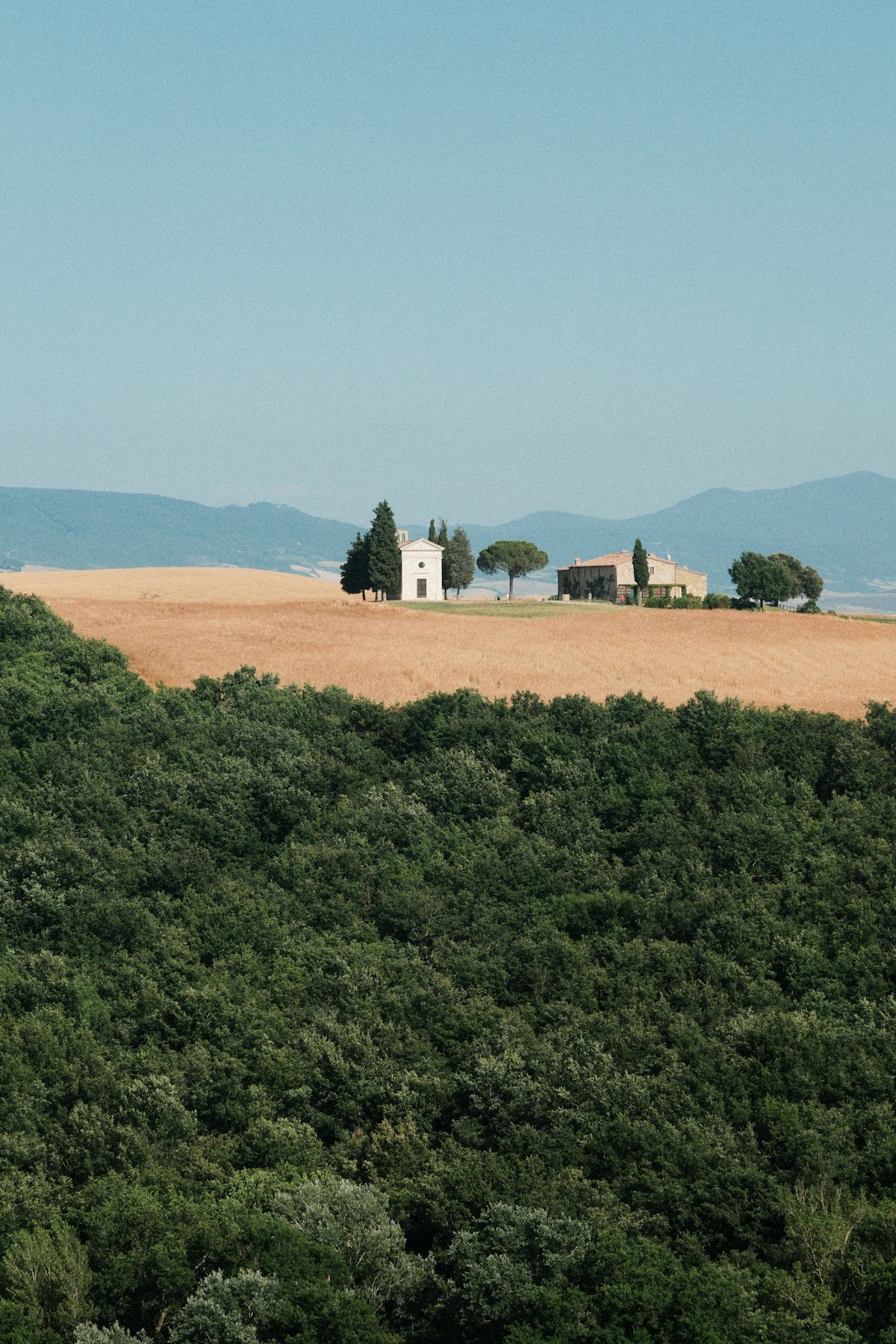
Tuscany has the most varied accommodation landscape of any Italian region - from Florence five-star palaces to converted farmhouses in the Val d’Orcia to wine estate stays in the Chianti Classico zone. The choice of where to base yourself fundamentally determines the experience.
Search Tuscany hotels on Booking.com to compare prices and check availability across all areas in this guide.
Florence
For cultural sightseeing, Florence is the obvious base. For the Tuscan countryside, it’s a convenient hub for day trips but you miss the landscape experience that comes from staying outside the city.
Best for: First-time Tuscany visitors, art and museum itineraries, day trips to Siena/San Gimignano/Pisa.
Budget (€65–110/night): B&Bs and small hotels in the Oltrarno (south bank, more residential) and Santa Croce.
Mid-range (€110–200/night): Boutique hotels in the historic centre. Several former convents and palazzos converted to hotels.
Top-end (€200–600+/night): The Lungarno Collection hotels (Lungarno Suites, Portrait Firenze) on the riverfront; Continentale; Hotel Savoy. The top tier in Florence is excellent and the city has several world-class options.
Chianti Classico (between Florence and Siena)
The rolling hills between Florence and Siena - the Chianti wine zone - are the classic Tuscany image. Vine-covered slopes, cypress lines, medieval hilltop villages, and wine estates open for stays.
Agriturismo (wine estate stays): €80–250/night. Several wine estates (cantina) have converted stone farm buildings into accommodation. Meals are often available and frequently excellent. The Badia a Coltibuono (Gaiole in Chianti), Castello di Ama, and Fonterutoli are well-regarded options at various price points.
Small hotels in Chianti villages (Greve in Chianti, Castellina, Radda): €90–200/night. The villages in the Classico zone have small hotels with good access to the countryside and wineries.
Siena
Staying in Siena overnight is strongly recommended - the city empties of day-trippers after 6pm.
Historic centre hotels: €100–400/night. The Grand Hotel Continental is the standout; Palazzo Ravizza is the best mid-range option with gardens. B&Bs in the historic streets are good value at €90–150.
Val d’Orcia
The most photographed Tuscan landscape - rolling hills with cypress lines, honey-coloured hill towns, UNESCO World Heritage status. The best area for an agriturismo stay.
Agriturismo: €100–300/night. The Podere Il Casale near Pienza, Adler Thermae (high-end spa hotel near Bagno Vignoni), and Agriturismo Poderone are representative options. The landscapes around Monticchiello and between Pienza and Montalcino have the best settings.
Pienza and Montepulciano hotels: €90–200/night. Both hilltop towns have small boutique hotels with countryside views.
Bagno Vignoni: A village built around a thermal pool (a hot spring in the main piazza). Several small spa hotels; the Adler Thermae is the main luxury option.
Lucca
An ideal base for western Tuscany - Pisa, Cinque Terre, and the Versilian coast are within reach.
Hotels in the walled city: €80–200/night. Several B&Bs and small hotels within the Renaissance walls. The rooftop terrace options are worth seeking out for views.
San Gimignano and surrounding hills
The tower village and its surrounding area have good agriturismo options in the Vernaccia wine zone.
Agriturismo (wine estate): €80–180/night. The Vernaccia di San Gimignano DOC zone has several estates with accommodation and wine tasting. Slightly less expensive than Chianti estates.
Plan your trip:
- Browse wine tours and day trips across Tuscany
- Book a hire car for exploring the countryside
- Get travel insurance before you book
- Pick up an eSIM for Italy
- Search hotels in Tuscany on Booking.com
Booking tips
- Tuscany high season: April–June and September–October. Book 4–8 weeks ahead.
- Val d’Orcia peak (May and October): Photographers arrive in numbers for the green spring fields and golden autumn; book earlier.
- Agriturismo self-catering vs half-board: The half-board option (breakfast and dinner included) at most agriturismi is often good value - the farms cook from their own produce and the meals are a highlight.
- Car essential: Staying outside Florence in Tuscany without a car is impractical. The countryside and hill towns are not served by public transport to the standard required for a flexible itinerary.
For city-specific hotel recommendations: Florence hotels guide covers the Oltrarno, Santa Croce, and city-centre options. For Siena: Siena hotels. For Lucca: Lucca hotels. For planning where to stay alongside what to see: Tuscany itinerary maps a 5-day route. For the best time to visit Tuscany for weather and harvest season: Italy in September and Italy in October cover the autumn months specifically.
Ready to Plan Your Trip?
See our itineraries for inspiration:
- Tuscany Itinerary - five days in the heart of Italy
- One Week in Italy - seven days through Rome, Florence, and Venice
- 2 Weeks in Italy - the ultimate two-week Italian itinerary
- 3 Weeks in Italy - the north-to-south grand tour from Milan to Sicily