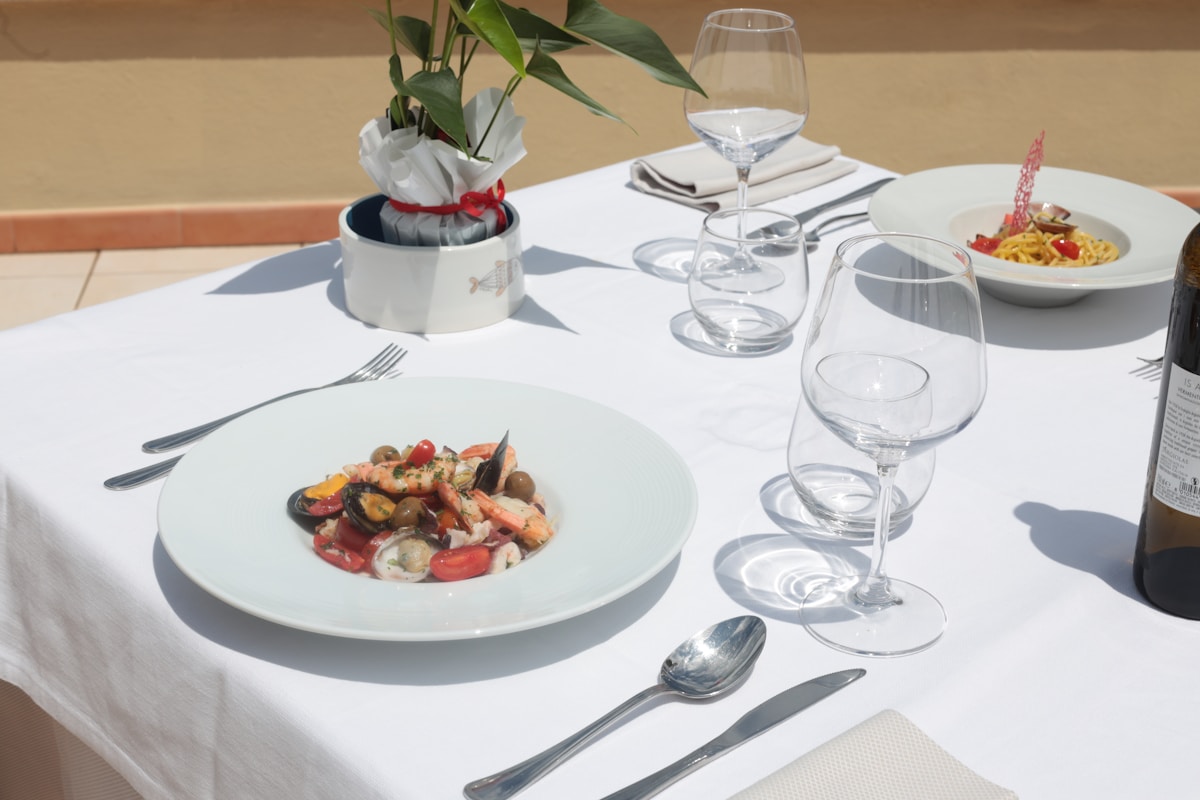
Positano’s cuisine is the cooking of the sea and the cliff simultaneously: seafood hauled up from the Tyrrhenian below and produce grown on the terraced slopes above. The Amalfi Coast’s geography - almost no flat land, everything either vertical or submerged - has shaped a kitchen that is specific and local in a way that larger cities cannot replicate. The signature pasta here predates the tourism that now defines the village; the lemons growing on the terraces above the rooftops are among the most prized in Italy.
Top Tours at a Glance
| Tour | Duration | Price (from) | Group Size | Highlights |
|---|---|---|---|---|
| Amalfi Coast boat day from Positano | 7 hrs | from €90 | Up to 12 | Amalfi, Ravello, sea caves, swimming stops |
| Limoncello making class with sfusato lemons | 2.5 hrs | from €60 | Up to 10 | Lemon grove visit, liqueur distillation, tasting |
| Positano food and village walking tour | 2 hrs | from €45 | Up to 12 | Market stops, scialatielli tasting, colatura explained |
| Amalfi Coast cooking class near Positano | 3.5 hrs | from €85 | Up to 8 | Seafood pasta, anchovy dishes, tiramisu al limone |
Browse all Positano tours → GetYourGuide
Scialatielli ai Frutti di Mare
The Amalfi Coast’s defining pasta. Scialatielli (pronounced shah-lah-tee-EH-lee) is made with semolina flour, eggs, milk, fresh basil, and often a little pecorino - the combination gives it a slightly enriched, slightly herby flavour distinct from standard pasta. The shape is short and thick, somewhere between a wide linguine and a narrow pappardelle, with rough edges that hold sauce.
The canonical preparation in Positano is ai frutti di mare: a medley of clams, mussels, shrimp, cherry tomatoes, white wine, garlic, and olive oil. The dish balances the brine of the shellfish against the acid sweetness of the tomatoes. At a good restaurant the pasta is cooked al dente and the sauce remains light rather than stewed. Expect approximately €18–26 at a mid-range restaurant as of 2026, more at the beachfront terraces.
The pasta was officially certified as a traditional Campanian product in 1978, though cooks in the area had been making it for generations before that. Look for restaurants that list its origin on the menu - places that use commercial spaghetti and call it scialatielli exist, particularly near the beach.
Anchovies and Colatura di Alici
The anchovy (alice in Italian) is the most economically important fish of the Tyrrhenian and has been fished from these waters for centuries. Fresh anchovies are very different from the salt-cured variety in tins: white-fleshed, mild, and suited to quick preparation - marinated in lemon juice (alici marinate), fried in batter, or grilled with olive oil and parsley.
Colatura di alici is the liquid produced during the salting and pressing of anchovies - an amber, intensely savoury condiment similar to ancient Roman garum. It is produced primarily in Cetara, a small fishing village east of Amalfi (reachable by SITA bus in approximately 40 minutes), which holds a dedicated festival for it each December. In cooking it replaces salt in pasta sauces, dressings, and seafood dishes; a few drops transform a simple pasta al pomodoro. Bottles are available throughout Positano and the coast for approximately €8–15 as of 2026. It lasts for several months and travels well.
Sfusato Lemons
The sfusato Amalfitano lemon is grown on terraces cut into the cliff face above the coast and is one of the most distinctive agricultural products of southern Italy. The name means ‘spindle-shaped’ - the fruit is elongated with a pointed end. The rind is thick, yellow-orange, and heavily aromatic; the flesh is less acidic than standard lemons and the oil in the skin is exceptionally rich.
On the coast, sfusato lemons appear everywhere: sliced over grilled fish, grated into pasta sauces, pressed into granita, and made into limoncello. The limoncello produced here is substantially better than the commercial versions available nationally - the higher zest-to-spirit ratio and the aromatic intensity of sfusato give it a fragrance that standard lemons cannot replicate.
Where to find them: The best granita di limone (shaved iced with sfusato lemon syrup) in Positano is at the small bars on the upper streets rather than the beachfront. The alimentari along Via dei Mulini sell sfusato limoncello, vacuum-packed candied peel, and sfusato-based cosmetics that make good gifts. A quality 500ml bottle of coast-made limoncello costs approximately €12–18 as of 2026.
Seafood from the Tyrrhenian
The sea in front of Positano is the source of most of the best food on the menu. The local catch varies by season and weather, but reliable options include:
- Spigola (sea bass) - grilled whole with olive oil, lemon, and herbs. The flesh is firm and white; good spigola needs little intervention. A whole grilled fish for two costs approximately €30–45 at a mid-range restaurant as of 2026.
- Pezzogna (bluespotted seabream) - a fish typical of the southern Tyrrhenian; firmer than sea bass, with a slightly sweeter flavour. Most visitors do not know it by name but order it when the waiter describes it.
- Polpo (octopus) - braised low and slow until tender, then grilled or served at room temperature with olive oil and lemon. The version at smaller trattorias, where it has been cooked for several hours, is substantially better than the quickly prepared versions.
- Fritto misto di mare - mixed fried seafood: small fish, calamari, shrimp, and sometimes baby octopus, served in a paper cone. The best versions are light and not greasy; they use a very thin batter or simply dust the seafood in flour before frying at high temperature.
Pizza and Bread
Positano is far enough from Naples for the pizza to feel slightly different - less high-temperature char on the crust, slightly thinner in some places - but standards are generally good. The wood-fired oven at La Pergola (Via Guglielmo Marconi) produces a reliable Margherita for approximately €10–13 as of 2026. The bread in most restaurants is local: dense, slightly salty, often brought warm with olive oil or a dish of bruschetta as the table is set.
Delizie al Limone
A Campanian dessert worth knowing: a small sponge cake shaped like a half-sphere, soaked in limoncello syrup and filled with a cream of limoncello, lemon curd, and whipped cream. The exterior is coated in more cream and dusted with icing sugar. The flavour is intensely lemony, cold from the refrigerator, sweet but with sufficient acidity from the lemon to balance. It appears on restaurant menus across Campania and is sold pre-made in pasticcerie throughout the coast. At a restaurant, approximately €6–10 as of 2026.
Eating Well in Positano on a Budget
The restaurants on Spiaggia Grande price for the view, not the food - a simple Caprese and a pasta there can easily reach €50 per person before wine. The practical alternative is eating slightly inland and slightly higher:
- Ristorante La Tagliata (Via Tagliata, above the village, approximately 15 minutes uphill from the beach): known for fixed-price family-style dinners with Campanian antipasti, pasta, secondi, and wine included - approximately €30–35 per person as of 2026, substantially more food than a similarly priced restaurant near the beach.
- The alimentari on Via dei Mulini sell fresh pasta, local cheeses, cured meats, olives, and bread: assemble a lunch for approximately €10–15 per person and eat it on the church steps with a view of the sea.
- Late afternoon (5–7pm) is when locals eat their larger meal and prices at the good mid-range restaurants are sometimes better than at peak lunch and dinner service. Ask about the daily specials, which are typically priced lower than the menu.